
Coffee and Cancer Risk: What Research Shows

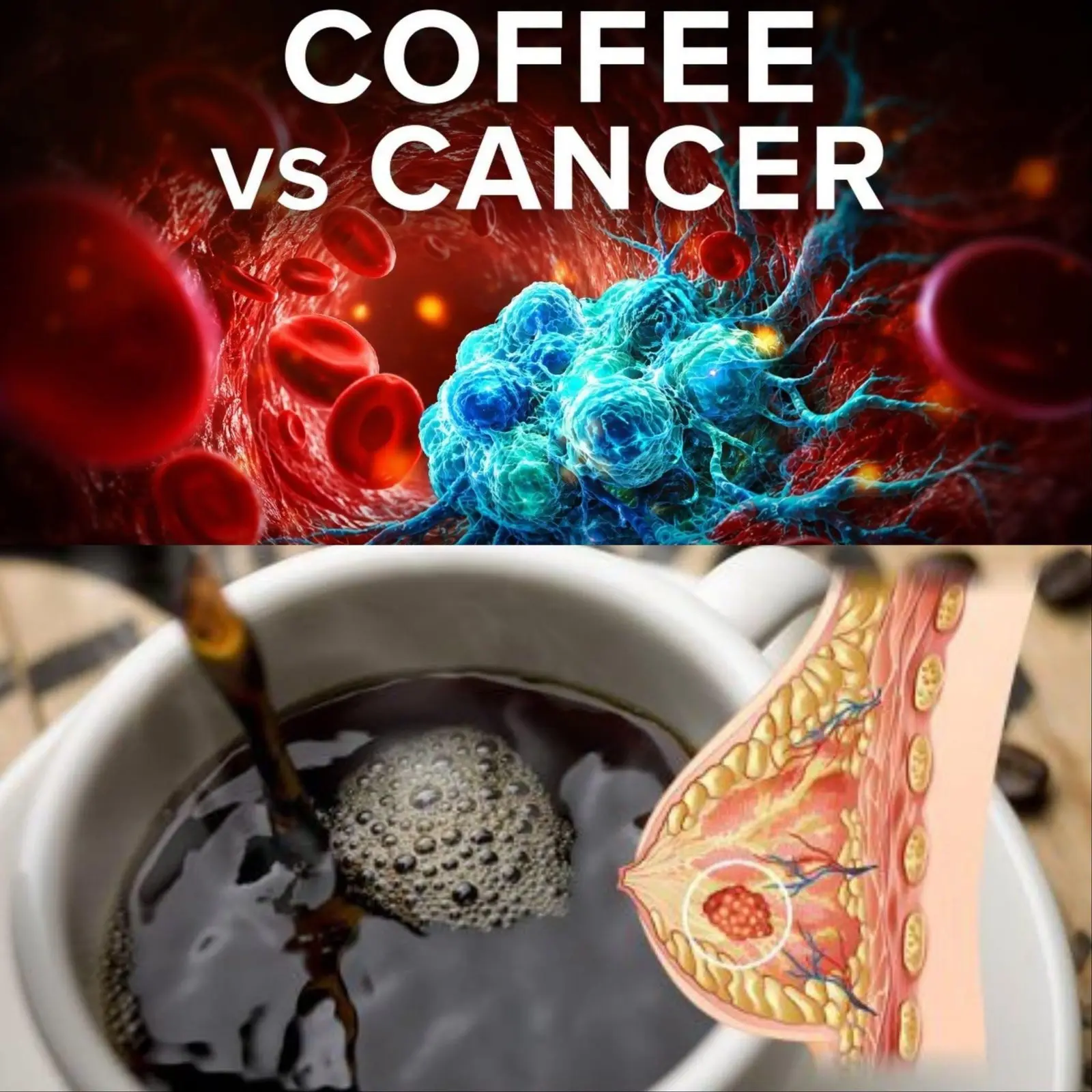
For many Americans, the morning doesn’t truly begin until the first sip of a freshly brewed cup of coffee. This dark, aromatic beverage is more than just a caffeine delivery system; it is a complex chemical mixture containing hundreds of biologically active compounds. Over the decades, the conversation surrounding coffee consumption and cancer risk has shifted dramatically. While older studies once raised concerns about potential links to various malignancies, modern large-scale research has largely turned the tide, suggesting that coffee might actually offer protective benefits against certain types of the disease.
Understanding the relationship between your daily brew and your long-term health requires looking past the headlines and into the nuanced data provided by nutritional science. Today, most health organizations view coffee not as a health liability, but as a beverage that can be part of a balanced, healthy lifestyle. By exploring the caffeine and health connection, we can better understand how this staple drink interacts with our cellular biology and what that means for cancer prevention strategies in the modern world.
The Evolution of Scientific Understanding
The journey of coffee through the lens of medical research has been a rollercoaster. In the early 1990s, the International Agency for Research on Cancer (IARC) actually classified coffee as “possibly carcinogenic.” This classification was based on limited evidence that was later found to be confounded by other lifestyle factors—most notably, the fact that many heavy coffee drinkers in those early studies were also heavy smokers. As researchers began to account for smoking status and other variables, the data started to tell a very different story.
In 2016, a major turning point occurred when the IARC reviewed more than 1,000 studies and officially downgraded the classification. They found no consistent evidence for a carcinogenic effect of coffee drinking. Instead, they noted that coffee consumption and cancer risk might actually be inversely related for certain organs, particularly the liver and the uterus. This shift highlights the importance of long-term, peer-reviewed data in shaping our understanding of how common dietary habits impact our physiological well-being.
Key Compounds and Their Biological Effects
Coffee is much more than just hot water and caffeine. It contains a treasure trove of phytochemicals, including chlorogenic acids, quinides, and lignans. These compounds are celebrated for their antioxidant properties, which help the body neutralize unstable molecules known as free radicals. When free radicals go unchecked, they can cause oxidative stress, leading to DNA damage—a primary precursor to the development of cancer cells.
Beyond simple antioxidants, coffee contains diterpenes like cafestol and kahweol. While these compounds can sometimes affect cholesterol levels if the coffee is unfiltered, they have also shown potential in activating detoxifying enzymes in the liver. This multifaceted chemical profile is likely why coffee appears to have such a broad impact on various metabolic pathways. By reducing inflammation and improving insulin sensitivity, coffee helps create an internal environment that is less hospitable to the growth and spread of abnormal cells.
Coffee and Liver Health
One of the most consistent findings in nutritional oncology is the link between coffee and liver cancer prevention. The liver is the body’s primary filtration system, responsible for processing toxins and metabolizing nutrients. Research consistently shows that regular coffee drinkers have a significantly lower risk of developing hepatocellular carcinoma, the most common form of liver cancer. This protective effect appears to be dose-dependent, meaning that the benefits may increase with higher consumption levels, up to a certain point.
Scientists believe that coffee protects the liver by reducing the risk of cirrhosis and permanent scarring. Since chronic liver inflammation and cirrhosis are major risk factors for cancer, preventing these underlying conditions is a crucial step in long-term health. Whether the coffee is caffeinated or decaffeinated, the presence of polyphenols seems to support liver enzyme function and reduce the accumulation of fat in liver cells, further solidifying coffee’s role as a potential “liver-friendly” beverage.
Other Noteworthy Cancer Associations
While the evidence is strongest for the liver, coffee consumption and cancer risk have been studied across various other organ systems. There is encouraging evidence regarding endometrial (uterine) cancer, where coffee consumption is associated with a reduced risk, possibly due to coffee’s ability to balance estrogen and insulin levels. Additionally, some studies have found a modest reduction in the risk of colorectal cancer among those who drink coffee regularly, perhaps due to coffee’s effect on bile acid production and bowel motility.
It is important to note that for many other types of cancer—such as breast, prostate, and pancreatic cancer—the evidence is considered “neutral.” This means that coffee does not appear to increase the risk, but it also hasn’t been definitively proven to decrease it. For a long time, there were fears about coffee and bladder cancer, but modern meta-analyses have largely debunked this link, attributing the early findings to the confounding effects of tobacco use among participants.
Practical Guidance: What is a Moderate Intake?
When health experts discuss the benefits of coffee, they are usually referring to moderate coffee intake. In most clinical studies, “moderate” is defined as roughly three to four 8-ounce cups per day. At this level, most people can enjoy the antioxidant properties of the beverage without experiencing the negative side effects of excessive caffeine, such as jitteriness, increased heart rate, or disrupted sleep patterns.
The way you prepare your coffee also matters significantly. To maximize the health potential of your brew, consider the following practical tips:
- Keep it Clean: The health benefits of coffee are most apparent when it is consumed black or with a small amount of milk. Adding excessive amounts of sugar, high-fructose corn syrups, and heavy creamers can trigger inflammation and weight gain, which are independent risk factors for various cancers.
- Filter Your Brew: If you are concerned about cholesterol, using a paper filter (as in drip coffee) can remove cafestol and kahweol, the compounds that can raise LDL cholesterol. However, if your cholesterol is well-managed, unfiltered methods like French press or espresso are perfectly fine.
- Choose Quality Beans: Opt for high-quality, mold-tested beans when possible to ensure you are getting the highest concentration of beneficial polyphenols without unwanted contaminants.
- Mind the Timing: To protect your circadian rhythm and sleep quality, try to consume your caffeine in the morning and early afternoon, leaving at least six to eight hours before bedtime.
Important Limitations and Cautions
While the general outlook on coffee consumption and cancer risk is positive, there are specific situations where caution is warranted. One significant concern identified by the IARC is the temperature of the beverage. Drinking “very hot” liquids (above 149°F or 65°C) has been linked to an increased risk of esophageal cancer. This is not due to the coffee itself, but rather the thermal injury caused by the scalding liquid to the lining of the throat. It is always best to let your coffee cool to a comfortable sipping temperature before drinking.
Certain populations should also manage their caffeine and health choices more carefully. Pregnant individuals are typically advised to limit caffeine intake to 200mg per day (about one to two cups) to avoid potential risks to fetal development. Additionally, individuals with certain conditions, such as severe anxiety, cardiac arrhythmias, or acid reflux, may find that coffee exacerbates their symptoms. Always consult with a healthcare professional if you have a chronic medical condition or if you are taking medications that might interact with caffeine.
Final Thoughts
The current body of evidence regarding coffee consumption and cancer risk is largely reassuring for the millions of people who enjoy this daily ritual. Rather than being a cause for concern, your morning cup may actually be contributing a significant dose of antioxidants and anti-inflammatory compounds to your diet. While coffee is not a “magic bullet” or a substitute for a diet rich in fruits and vegetables, it serves as a valuable component of a health-conscious lifestyle. As long as you keep the additives to a minimum and enjoy your brew at a safe temperature, you can feel confident that coffee is working with your body, not against it.
Frequently Asked Questions
Does decaffeinated coffee provide the same cancer-fighting benefits?
Yes, many of the protective benefits associated with coffee consumption and cancer risk are found in decaf versions as well. This suggests that the polyphenols and antioxidants, rather than the caffeine itself, are responsible for the health-promoting effects. Specifically, the benefits for liver health and insulin sensitivity have been observed in both caffeinated and decaffeinated drinkers.
Is it true that coffee contains acrylamide, a known carcinogen?
Acrylamide is a chemical that forms naturally in many foods during high-temperature cooking, including the roasting of coffee beans. While acrylamide is a concern in large quantities, the levels found in brewed coffee are generally very low. Major health reviews, including those by the IARC, have concluded that the overall benefits of coffee’s complex chemistry far outweigh any potential risk posed by the trace amounts of acrylamide present.
Should I start drinking coffee specifically to prevent cancer?
If you don’t already drink coffee, most health experts do not recommend starting the habit solely for cancer prevention. You can obtain similar antioxidants from tea, fruits, and vegetables. However, if you already enjoy coffee, you can continue to do so with the knowledge that a moderate coffee intake is associated with several health benefits and a lower risk of certain cancers.
Does the roast level (light vs. dark) affect the health benefits?
Both light and dark roasts offer health benefits, but they differ in their chemical makeup. Light roasts typically retain higher levels of chlorogenic acids (antioxidants), while dark roasts may contain higher levels of certain compounds created during the roasting process that support stomach health. The best choice is often the one you enjoy most, as consistency in a moderate coffee intake is more important than the specific roast profile.
Can coffee increase the risk of lung cancer?
Early studies suggested a link, but later research clarified that this was almost entirely due to the high correlation between coffee drinking and smoking. When researchers look specifically at non-smokers, there is no evidence that coffee consumption and cancer risk are linked in the lungs. In fact, some studies suggest coffee might even have a slight protective effect for certain types of lung conditions in non-smokers.
Coffee and Cancer Risk: The Health-Conscious Brew

Scientific research into coffee and cancer risk suggests that certain compounds like polyphenols may provide protective benefits. This guide explores how to brew a cup of coffee that maximizes antioxidant extraction while following findings from recent oncology studies.
- 2 tablespoons organic medium-roast coffee grounds
- 8 ounces filtered water (heated to 195-205°F)
- Optional: 1/8 teaspoon ground turmeric or cinnamon
- 1Grind your organic coffee beans to a medium coarseness to ensure a high surface area for polyphenol extraction.
- 2Heat filtered water until just before the boiling point to avoid scorching the delicate compounds.
- 3Use a high-quality paper filter to effectively remove cafestol and kahweol, which can impact cholesterol levels.
- 4Slowly pour the water over the grounds in a circular motion, allowing the coffee to "bloom" for 30 seconds.
- 5Finish the pour and let the coffee brew for a total of 4 minutes before serving fresh.
Keywords: coffee cancer risk, antioxidant brewing, health benefits of coffee, polyphenol extraction


