
How to Banish Bedbugs from Your Garden in Minutes with Salt

Keeping a garden flourishing is a labor of love, but nothing ruins the experience faster than spotting an infestation of invasive insects. If you are looking for a DIY remedy, you might wonder if you can kill garden bedbugs with salt without resorting to harsh chemicals. While salt is a common household staple, using it in the soil requires a specific approach to avoid harming your prize-winning tomatoes or delicate flowers. Natural remedies have gained popularity among home gardeners who want to maintain a chemical-free environment while protecting their harvest from hungry pests.
Understanding how salt interacts with the biology of garden insects is the first step toward effective pest management. This approach relies on the principle of desiccation, or extreme drying, which can be a powerful tool when used correctly. In this guide, we will explore the science behind this method, how to apply it safely, and the critical precautions you must take to ensure your garden safety remains a top priority throughout the process.
What Managing Garden Pests with Salt Really Means
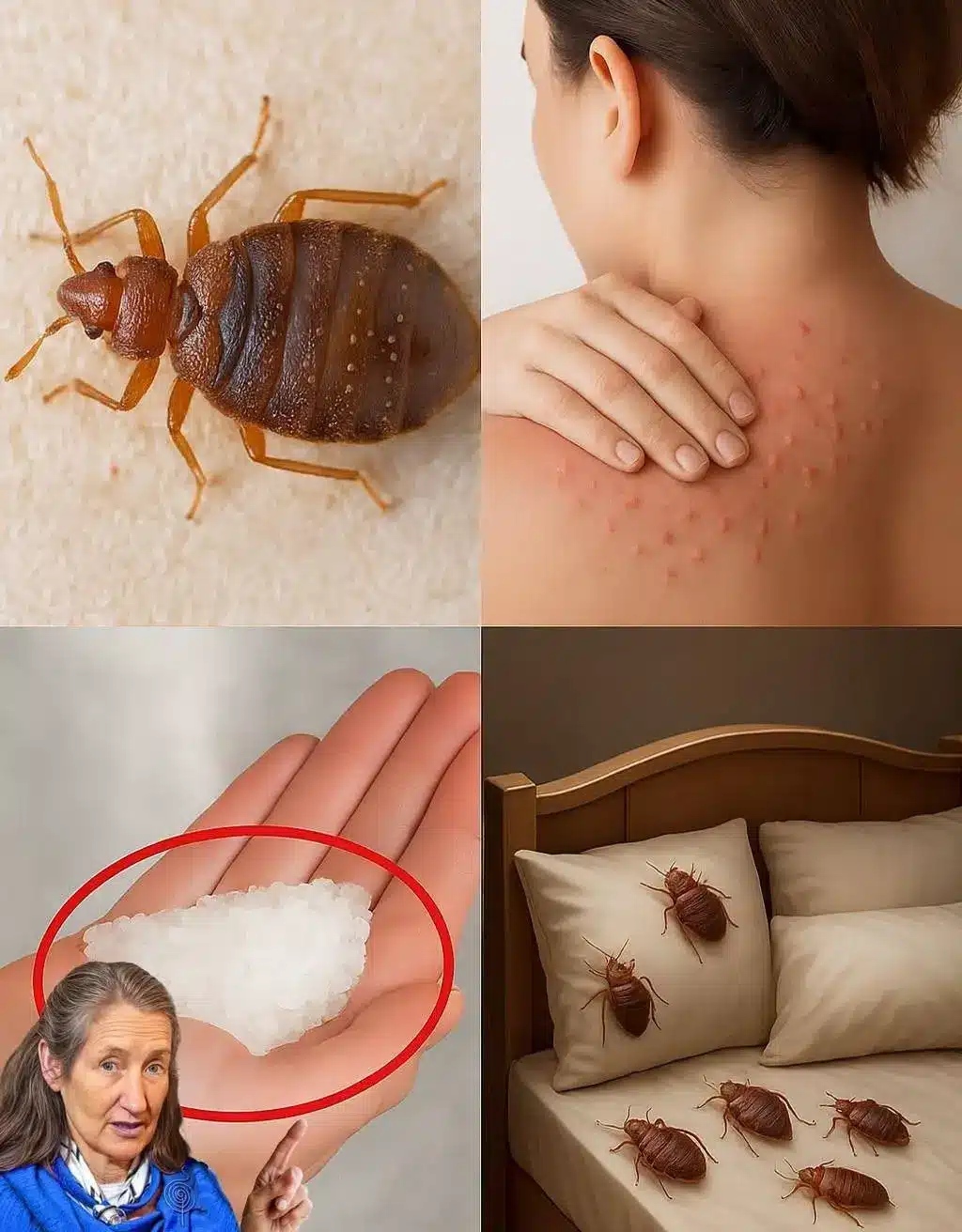
When gardeners talk about trying to kill garden bedbugs with salt, they are usually referring to a group of insects known as “true bugs,” such as stink bugs, harlequin bugs, or chinch bugs. While actual bedbugs are indoor pests, these garden-dwelling relatives share similar physical characteristics and can be equally frustrating. Salt works as a physical deterrent and a lethal agent by drawing moisture out of the insect’s exoskeleton. This process is known as osmotic dehydration, and it is a cornerstone of many non-toxic garden remedies.
However, it is important to distinguish between different types of salt. Table salt (sodium chloride) is very different from Epsom salt (magnesium sulfate). While table salt is highly effective at dehydrating soft-bodied pests, it can also be incredibly damaging to the soil. On the other hand, magnesium-based salts are often used as a soil supplement, though they are less effective at direct pest eradication. Choosing the right substance depends on whether you are targeting a specific insect on a leaf or trying to create a barrier on the ground.
Why Natural Solutions Matter for Garden Safety
The move toward natural pest control is driven by a desire to protect the local ecosystem, including beneficial pollinators like bees and butterflies. Chemical pesticides often have a broad-spectrum effect, meaning they kill the “good” bugs along with the “bad” ones. Using salt-based solutions allows for a more localized and mechanical approach to pest management. When applied directly to a cluster of invasive insects, salt disrupts their ability to retain water without leaving behind long-lasting synthetic residues that could affect your family or pets.
Furthermore, maintaining garden safety involves being mindful of what eventually ends up on your dinner table. Many gardeners prefer using food-grade ingredients to manage pests because it reduces the risk of chemical runoff into the groundwater. By understanding the mechanics of how to kill garden bedbugs with salt, you can take control of your backyard environment using simple, accessible ingredients that are likely already sitting in your kitchen pantry.
- Eco-Friendly Approach: Minimizes the introduction of synthetic toxins into the soil and air.
- Cost-Effectiveness: Salt is one of the most affordable materials available for home maintenance.
- Pollinator Protection: Targeted applications help spare beneficial insects that larger sprays might harm.
- Accessibility: No need for specialized equipment or hazardous material storage.
Practical Ways to Use Salt for Pest Management
If you decide to proceed with this method, the most effective way to kill garden bedbugs with salt is through a carefully diluted spray. Combining salt with water allows for a more controlled application, ensuring that the salt reaches the crevices where insects hide. A common mixture involves dissolving about two tablespoons of high-quality salt into a gallon of warm water. Adding a small drop of biodegradable dish soap can help the solution “stick” to the waxy coating of the insects, increasing the effectiveness of the treatment.
Another method involves creating a salt barrier around the base of specific plants. This is particularly useful for crawling insects that must climb the stem to reach the leaves. However, this must be done with extreme caution. Instead of pouring salt directly onto the dirt, some gardeners use a shallow tray or a plastic ring to hold the salt. This creates a physical “moat” that pests cannot cross without experiencing the dehydrating effects of the salt, while keeping the crystals from leaching into the root zone of your plants.
Timing is also a critical factor in natural pest control. It is best to apply salt-based sprays in the early morning or late evening when the sun is not at its peak. This prevents the water droplets from acting like tiny magnifying glasses, which could lead to leaf scorch. Additionally, many garden pests are most active during these cooler hours, making it easier to target them directly during your morning garden walk.
Important Limitations and Soil Cautions
While salt can be effective, it is not a “magic bullet” and comes with significant risks. The primary concern is soil salinity. If you repeatedly use salt in the same area, the sodium can build up in the soil, making it difficult for plants to absorb water and essential nutrients. This condition can lead to stunted growth or even the death of the plants you are trying to protect. Always monitor your plants for signs of salt stress, such as yellowing leaf tips or a white, crusty film on the surface of the soil.
It is also worth noting that salt is non-selective. If the spray drifts onto a nearby ladybug or a predatory beetle, it will have the same dehydrating effect. To maintain a healthy balance in your garden, only use these non-toxic garden remedies as a spot treatment rather than a widespread spray. If you have a massive infestation that covers your entire yard, salt may not be the most practical or safest solution for the long-term health of your landscape.
Before applying salt to any prize plant, always perform a “patch test.” Spray a single leaf and wait 24 to 48 hours to see how the plant reacts. Some species, especially those with thin or fuzzy leaves, are much more sensitive to salt than others. If the leaf remains green and healthy, you can proceed with a larger application. If it turns brown or wilts, you may need to reconsider your approach or use a much more diluted concentration.
Final Thoughts
Learning how to kill garden bedbugs with salt is a valuable skill for any gardener looking to embrace a more natural lifestyle. When used with precision and respect for soil chemistry, salt can serve as a powerful deterrent against invasive insects that threaten your harvest. By prioritizing garden safety and choosing targeted applications over broad sprays, you can maintain a thriving, healthy ecosystem in your own backyard. Remember that the best pest management strategy is a holistic one—combine your salt treatments with good pruning, proper watering, and the encouragement of natural predators for the best results.
Frequently Asked Questions
Does table salt kill all garden insects?
Table salt is most effective against soft-bodied insects and those that rely on moisture to survive, such as slugs, snails, and certain types of “true bugs.” However, it is not a universal solution. Some insects with very hard, thick shells may be resistant to the dehydrating effects of a salt spray. It is always best to identify the specific pest you are dealing with before starting any natural pest control regimen.
Can I use Epsom salt instead of table salt?
While Epsom salt is often used in the garden, its primary function is to provide magnesium and sulfur to the soil, which can help with plant greening and fruit production. It does not have the same immediate dehydrating effect on insects that sodium chloride (table salt) does. If your goal is to directly eradicate a pest infestation, table salt is the more effective choice, but it must be used much more sparingly.
Will salt ruin my garden soil forever?
Salt does not disappear easily from the soil; it must be leached out by significant amounts of water. If you use salt excessively, it can lead to high salinity levels that make the ground inhospitable for most plants for several seasons. To protect your long-term garden safety, never pour dry salt directly onto the ground and always use the most diluted spray possible to achieve your results.
Is it safe to use salt sprays on vegetable plants?
Yes, salt sprays can be used on many vegetable plants, provided they are heavily diluted and used as a spot treatment. Because salt is food-grade, it doesn’t carry the same harvest-interval concerns as synthetic pesticides. However, you should always wash your vegetables thoroughly before eating them to remove any residual salt or soap film that might affect the flavor or texture of your produce.
How often should I apply a salt spray to my garden?
You should only apply salt-based non-toxic garden remedies when you see active pests. It is not meant to be a preventative treatment that you spray every week. Over-application increases the risk of leaf burn and soil damage. Once the pests have been managed, stop the treatment and focus on other cultural practices, like removing debris and improving airflow, to prevent the bugs from returning.
How to Banish Bedbugs from Your Garden in Minutes with Salt

A natural and effective garden hack to eliminate pests quickly using simple household ingredients.
- 1 cup Kosher salt
- 1 gallon Warm water
- 1 Spray bottle
- 1 pair Protective gloves
- 1Dissolve the salt completely in the warm water by stirring vigorously.
- 2Pour the saline mixture into a high-pressure spray bottle.
- 3Locate the infestation areas within your garden foliage.
- 4Apply the spray directly to the pests and the surrounding soil surface.
Keywords: garden, salt, pest control, natural remedy, bedbugs


