
Fern Leaves Unveiled: The Health Secrets of This Ancient Plant

Springtime brings a variety of unique seasonal treasures to the table, but few are as visually striking or nutritionally dense as the curled fronds of young ferns. Often referred to as fiddleheads, these tightly coiled greens are prized by foragers and chefs alike for their earthy, asparagus-like flavor and snap-crisp texture. While they are a favorite in gourmet kitchens, the health benefits of fern leaves are what truly make them a standout addition to a balanced, seasonal diet. From their rich antioxidant profile to their surprising concentration of essential minerals, these woodland greens offer far more than just aesthetic appeal.
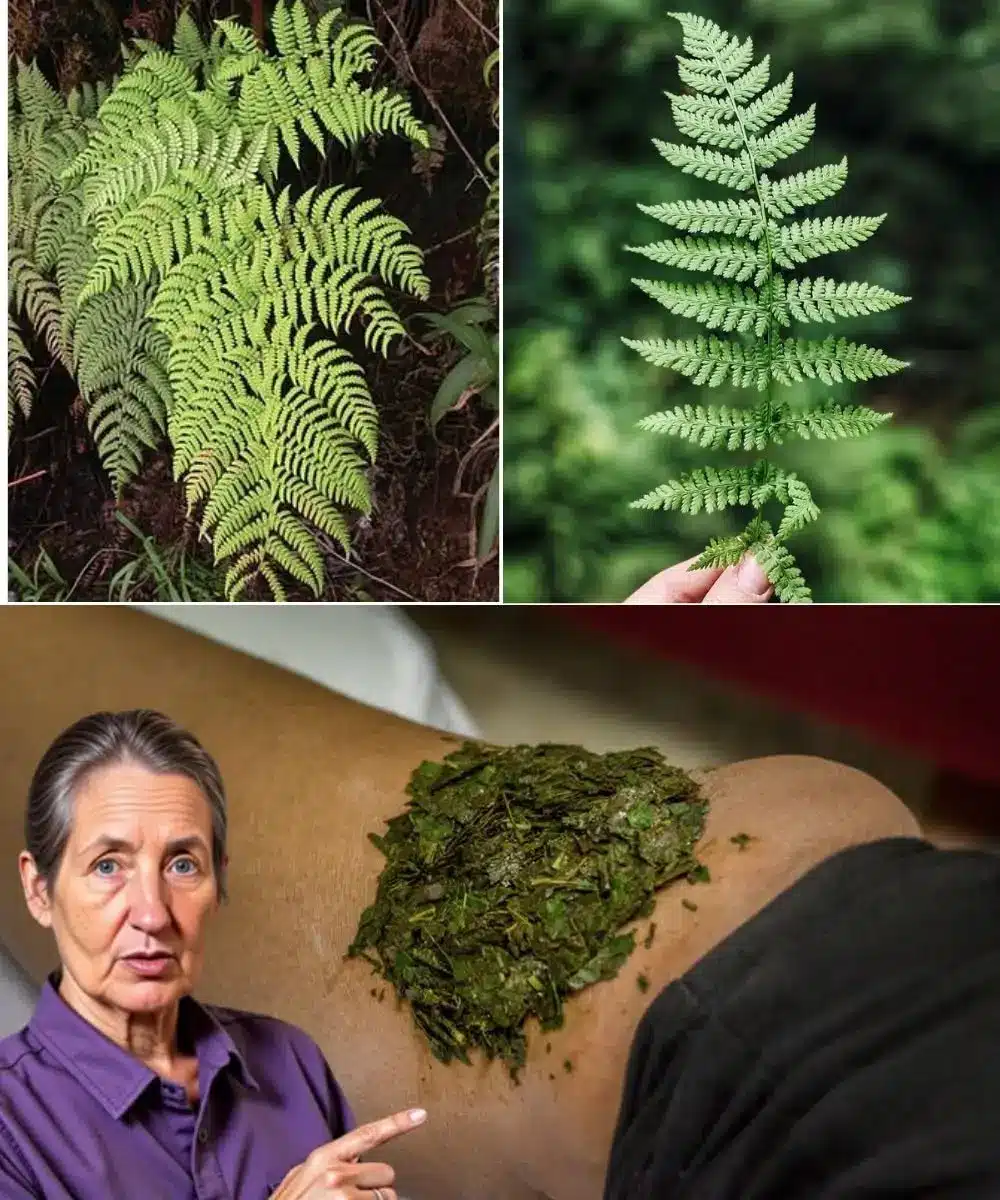
Understanding how to incorporate these nutrient-packed fronds into your routine requires a bit of knowledge, as not all varieties are safe for consumption. Most edible ferns, specifically the Ostrich fern common in North America, are harvested for a very short window before they unfurl into mature leaves. During this stage, they are a powerhouse of vitamin A and C, providing a natural boost to the immune system and supporting skin health. If you are curious about how these ancient plants can support your wellness goals, exploring the health benefits of fern leaves is an excellent place to start.
What Are Edible Ferns?
Before diving into the nutritional specifics, it is important to distinguish which ferns we are talking about. In the culinary world, “fiddleheads” generally refer to the young, uncurled shoots of the Ostrich fern (Matteuccia struthiopteris). These are named for their resemblance to the ornamental scroll at the end of a violin or fiddle. While there are thousands of fern species globally, only a select few are safe and palatable for humans. Foraging for them requires expertise, as some lookalikes can be bitter or even toxic.
When harvested at the right time, these greens represent the peak of sustainable foraging practices in many regions. They are typically found in damp, shaded areas near riverbanks or in hardwood forests during the early spring months. Because they are only available for a few weeks each year, they are considered a delicacy that offers a concentrated dose of spring’s first nutrients. Beyond the Ostrich fern, some cultures also consume the Western sword fern or the bracken fern, though the Ostrich fern remains the most widely recommended variety for safety and flavor.
Top Health Benefits of Fern Leaves
The health benefits of fern leaves are remarkably diverse, making them a high-value addition to a nutrient-dense diet. Because they grow in mineral-rich forest soils, they absorb a wide array of trace elements that are often lacking in commercially grown vegetables. Here are some of the primary ways these greens support overall wellness:
- Rich in Antioxidants: Fiddleheads are packed with antioxidant properties, including beta-carotene and various polyphenols. These compounds help the body combat oxidative stress and neutralize free radicals, which are associated with aging and various chronic conditions.
- High in Omega-3 Fatty Acids: It is rare to find significant amounts of heart-healthy omega-3 fatty acids in leafy greens, but ferns are a surprising exception. These fats are essential for cognitive function and cardiovascular health.
- Immune System Support: With high concentrations of Vitamin C, consuming edible ferns can help strengthen the body’s natural defenses, especially during the transitional spring season when many are prone to seasonal sniffles.
- Promotes Healthy Digestion: Ferns are an excellent source of dietary fiber. Fiber is crucial for maintaining a healthy gut microbiome, preventing constipation, and regulating blood sugar levels by slowing the absorption of glucose.
- Bone and Blood Health: Fiddleheads are a good source of iron and phosphorus. Iron is necessary for the production of red blood cells, while phosphorus works alongside calcium to maintain strong bones and teeth.
Nutritional Profile of Fiddlehead Ferns
When you look closely at fiddlehead nutrition, it becomes clear why they were a staple for many indigenous cultures. A single serving of these greens is low in calories but exceptionally high in potassium, which is vital for maintaining healthy blood pressure levels and proper muscle function. They also contain a notable amount of niacin (Vitamin B3), which helps the body convert food into energy and supports the nervous system.
The combination of low sodium and high potassium makes ferns an ideal food for those focused on heart health. Furthermore, because they are harvested from the wild rather than mass-produced in depleted soils, the mineral density is often superior to standard grocery store greens like spinach or kale. Incorporating the health benefits of fern leaves into your diet ensures you are getting a wide spectrum of micronutrients that support metabolic efficiency.
Important Safety and Preparation Cautions
While the health benefits of fern leaves are impressive, safety is paramount when dealing with this specific plant. It is crucial to remember that fiddleheads should never be eaten raw. Raw ferns contain a heat-labile toxin that can cause significant digestive distress, including nausea, vomiting, and cramps. Proper cooking neutralizes these compounds, making the greens safe and delicious to eat.
Additionally, if you are foraging for your own ferns, you must be absolutely certain of the species. Some ferns, like the Bracken fern, contain different compounds that have been the subject of health debates regarding long-term consumption. Always consult a local foraging expert or a reliable field guide. For those who are pregnant, nursing, or on specific medications for blood pressure or kidney function, it is wise to consult a healthcare professional before adding large amounts of wild-foraged greens to your diet, as the concentrated mineral content can occasionally interact with certain conditions.
Practical Ways to Enjoy Edible Ferns
To maximize the health benefits of fern leaves, you should focus on preparation methods that preserve their nutrients while ensuring they are thoroughly cooked. The standard practice is to first clean them by removing the brown, papery scales, and then blanching them in boiling water for about 10 to 12 minutes, or steaming them for 20 minutes.
Once blanched, you can get creative with how you serve them. They are wonderful when sautéed in a bit of olive oil with minced garlic and a squeeze of fresh lemon juice. They also make a fantastic addition to spring pasta dishes, grain bowls, or even chilled salads. Because of their hearty texture, they hold up well in stir-fries alongside other seasonal vegetables like ramps and radishes. By using healthy fats like avocado oil or olive oil, you also help your body better absorb the fat-soluble vitamin A and C found within the fronds.
Final Thoughts
Embracing the health benefits of fern leaves is a wonderful way to connect with the cycles of nature while nourishing your body with high-quality, wild-sourced nutrition. These unique greens offer a sophisticated flavor profile and a wealth of antioxidants and vitamins that are hard to find elsewhere. Whether you find them at a local farmers’ market or forage for them in the woods, fiddleheads are a true nutritional gem. By following proper preparation and safety guidelines, you can safely enjoy this seasonal specialty and all the wellness advantages it brings to your spring table.
Frequently Asked Questions
What do fiddlehead ferns taste like?
Fiddlehead ferns have a flavor that is often described as a cross between asparagus, green beans, and broccoli stems, with a subtle earthy or nutty undertone. Their texture is firm and crunchy when cooked correctly, making them a favorite for those who enjoy snap-tender green vegetables.
Can you eat any type of fern leaf?
No, you cannot eat just any fern. Many fern species are inedible or toxic. The Ostrich fern is the most common edible variety in North America. It is essential to correctly identify the species before consuming, as many lookalike ferns can cause illness or have a very bitter, unpleasant taste.
Why do you have to boil fiddleheads before eating them?
Boiling or steaming is a critical safety step because raw fiddleheads contain a natural toxin that causes foodborne illness. This toxin is heat-sensitive, meaning it is destroyed during the cooking process. Experts recommend boiling for at least 10 minutes or steaming for 20 minutes to ensure they are safe for consumption.
How should I store fresh ferns?
Freshly picked or purchased ferns have a very short shelf life. They should be kept in the refrigerator, wrapped loosely in a damp paper towel and placed in a plastic bag. They are best when consumed within two to three days of harvest. If you have a large bounty, they can be blanched and then frozen for longer-term storage.
Are fern leaves high in protein?
While ferns are not a primary protein source like beans or meat, they do contain a small amount of protein—about 4 grams per cup. This is relatively high for a green vegetable, contributing to their reputation as a nutrient-dense “superfood” among wild-foraged plants.
Roasted Garlic Fiddlehead Ferns

Unlock the ancient health secrets of ostrich fern fronds with this simple roasting method. Fiddleheads are packed with antioxidants, omega-3 fatty acids, and fiber, making them a nutritional powerhouse from the past.
- 1 pound fresh fiddlehead ferns, cleaned and trimmed
- 2 tablespoons extra-virgin olive oil
- 3 cloves garlic, minced
- 1 teaspoon sea salt
- 1/2 teaspoon cracked black pepper
- 1 tablespoon fresh lemon juice
- 1/4 cup shaved parmesan cheese
- 1Preheat your oven to 400°F (200°C) and line a large baking sheet with parchment paper.
- 2Thoroughly wash the fiddleheads in a bowl of cold water, removing any brown papery scales, then blanch in boiling water for 5 minutes and pat dry.
- 3In a medium bowl, toss the blanched ferns with olive oil, minced garlic, salt, and pepper until well coated.
- 4Spread the ferns in a single layer on the prepared baking sheet to ensure even roasting.
- 5Bake for 12 to 15 minutes, or until the ferns are tender and the edges are slightly golden.
- 6Remove from the oven, drizzle with fresh lemon juice, and garnish with shaved parmesan before serving.
Keywords: fiddlehead ferns, ancient greens, healthy side dish, spring recipes, roasted vegetables, superfoods


