
Toothpaste and Vaseline: Common DIY Uses and Safety Tips

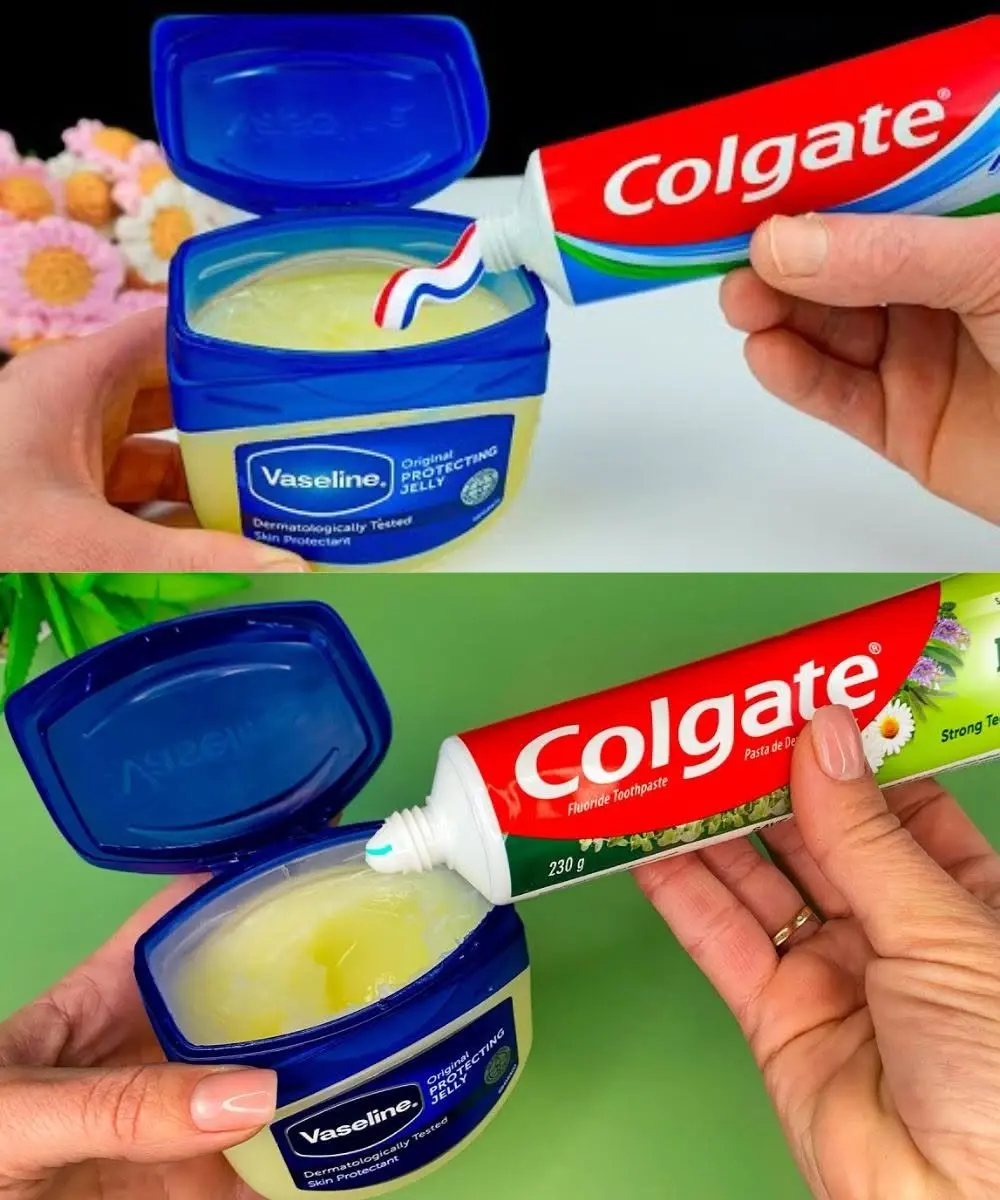
The internet is a treasure trove of unexpected beauty secrets, but few have gained as much traction as toothpaste and vaseline diy hacks. From viral videos claiming to clear up skin overnight to household tips for stronger nails, these two staples—one a minty cleanser and the other a heavy-duty occlusive—are being mixed in ways their manufacturers likely never intended. While the idea of a budget-friendly solution sitting right in your medicine cabinet is incredibly appealing, it is essential to look closer at how these ingredients actually interact with your skin and why they have become such a staple in the world of home beauty remedies.
This fascination with DIY solutions often stems from a desire for simplicity and immediate results. However, before you reach for that tube of paste and the jar of petroleum jelly, understanding the chemistry behind these products can help you navigate what is truly helpful and what might lead to a dermatological disaster. Let’s dive into the science, the myths, and the best ways to approach these unconventional methods safely.
Why People Are Obsessed with These DIY Hacks
- Budget-Friendly Accessibility: Most of these solutions use items you already have in your bathroom, saving you a trip to the store and the high cost of specialized skincare.
- Instant Gratification: Many toothpaste and vaseline diy hacks promise quick fixes for stubborn issues like blackheads or dry patches, which appeals to our desire for fast results.
- Simplicity: There is a certain charm in using basic, two-ingredient mixtures rather than navigating a complex 10-step skincare routine with hard-to-pronounce ingredients.
- Versatility: These household staples are marketed as “multi-tools,” claiming to solve everything from skincare woes to household cleaning problems in one go.
Understanding the Ingredients: Toothpaste and Petroleum Jelly
To understand why people combine these two, we have to look at what they are made of. Toothpaste is designed for tooth enamel, the hardest substance in the human body. It typically contains mild abrasives, detergents like sodium lauryl sulfate (SLS), and flavoring agents like menthol or peppermint oil. While these are great for scrubbing away plaque, they can be quite harsh when applied to the delicate skin on your face.
On the other hand, petroleum jelly skin benefits are well-documented in the medical community. As an occlusive, petroleum jelly creates a physical barrier on the skin that locks in moisture and protects the skin barrier from external irritants. When people mix the two, they are often trying to balance the “drying” and “cleansing” power of toothpaste with the soothing, moisture-locking properties of the jelly.
The Most Popular Claims and How They Work
One of the most frequent toothpaste and vaseline diy hacks involves blackhead removal. The theory is that the abrasives in the toothpaste “scrub” the pore, while the menthol provides a cooling sensation that feels like it’s “tightening” the skin. The petroleum jelly is then added to prevent the toothpaste from over-drying the area. However, it is important to note that while this might feel effective, it can often lead to redness or irritation for those with sensitive skin.
Another common use is for brightening the nails or softening the cuticles. Some enthusiasts swear by rubbing a mixture of the two onto the nail beds to remove stains left by dark nail polish. The abrasives in the toothpaste act as a gentle buffer, while the petroleum jelly skin benefits help to hydrate the surrounding skin, preventing those painful hangnails that come from seasonal dryness.
Beyond beauty, these hacks often extend to household maintenance. Some people use the mixture to buff out small scratches on leather shoes or even to clean the foggy lenses of old headlights. The mild grit of the toothpaste acts as a polishing agent, while the jelly provides a protective, water-resistant sheen once the residue is wiped away.
Safety First: Important Cautions and Limitations
While experimenting with home beauty remedies can be fun, DIY skincare safety should always be your top priority. Toothpaste is formulated with a pH level that is much higher than the natural pH of human skin. Repeatedly applying it to your face can disrupt the acid mantle, leading to breakouts, increased sensitivity, and even chemical burns in extreme cases. If you have a history of eczema or rosacea, you should be particularly cautious about using toothpaste-based hacks.
Furthermore, petroleum jelly is non-comedogenic (meaning it won’t clog pores on its own), but because it is an occlusive, it can trap other irritating ingredients—like the fluoride or SLS in toothpaste—against your skin. This “trapping” effect can actually make the irritation from the toothpaste worse. Always perform a patch test on a small area of your arm before applying any DIY mixture to your face or large areas of your body.
It is also vital to remember that these hacks are not medical treatments. If you are struggling with chronic acne, severe fungal infections, or persistent skin discoloration, consulting a board-certified dermatologist is the best course of action. DIY methods may provide temporary cosmetic improvements, but they rarely address the underlying cause of dermatological issues.
Practical Alternatives for Healthier Skin
If you love the idea behind toothpaste and vaseline diy hacks but want a safer approach, there are many expert-approved alternatives. For blackheads, consider using a salicylic acid cleanser, which is specifically designed to dissolve the oil inside pores without the harshness of menthol. Salicylic acid is a beta-hydroxy acid (BHA) that provides a much deeper and more reliable clean than the abrasives found in toothpaste.
For those interested in the moisturizing power of petroleum jelly, “slugging” has become a popular and safe technique. This involves applying a very thin layer of petroleum jelly over your moisturizer at night to prevent transepidermal water loss. This method relies solely on the petroleum jelly skin benefits without introducing the potential irritants found in dental products, making it a much safer bet for achieving a “glowy” complexion.
Final Thoughts
At the end of the day, toothpaste and vaseline diy hacks are a testament to human creativity and the desire for accessible wellness. While these household items can certainly be used in a pinch for minor issues like nail staining or shoe scuffs, they should be used with a healthy dose of skepticism when it comes to facial skincare. Prioritizing DIY skincare safety means knowing when a “hack” is helpful and when it is better to stick to products specifically formulated for your skin’s unique needs. By understanding the properties of these ingredients, you can enjoy the fun of DIY remedies while keeping your skin barrier healthy and happy.
Frequently Asked Questions
Can I use toothpaste and Vaseline to clear up a pimple overnight?
While many people use toothpaste as a spot treatment because of its drying agents, it is not recommended by most dermatologists. The menthol and alcohol in toothpaste can dry out the blemish, but they can also cause a localized chemical burn or severe peeling. Using a dedicated hydrocolloid bandage or a benzoyl peroxide spot treatment is a much safer and more effective way to handle a breakout without risking permanent scarring or irritation.
Is it safe to leave a mixture of toothpaste and Vaseline on my face for a long time?
No, it is generally not safe to leave toothpaste on your skin for extended periods, especially when “sealed” with petroleum jelly. The surfactants and flavoring agents in toothpaste are meant to be rinsed away quickly. Leaving them on the skin can lead to contact dermatitis. If you choose to try this hack, limit the application to a few minutes and rinse thoroughly with lukewarm water immediately if you feel any stinging or burning sensation.
Do these hacks help with skin brightening or removing dark spots?
There is very little scientific evidence to suggest that toothpaste can brighten skin or fade hyperpigmentation. In fact, the irritation caused by toothpaste can sometimes lead to post-inflammatory hyperpigmentation, actually making dark spots worse over time. For brightening, it is better to look for ingredients like Vitamin C, niacinamide, or kojic acid, which are specifically designed to safely inhibit melanin production and even out skin tone.
Can I use this mixture on my feet for cracked heels?
Using petroleum jelly on its own is an excellent remedy for cracked heels, especially when applied at night under cotton socks. While some people add toothpaste for its exfoliating grit, the high pH of the toothpaste may irritate the sensitive cracks in the skin. A better alternative is to use a urea-based cream for exfoliation followed by a thick layer of petroleum jelly to lock in the moisture and promote healing.
Will toothpaste and Vaseline help my nails grow faster?
There is no ingredient in toothpaste or petroleum jelly that biologically speeds up nail growth. However, keeping your cuticles hydrated with petroleum jelly can prevent breakage and splitting, which allows your nails to reach longer lengths more easily. Toothpaste may help remove surface stains from the nail plate, giving them a cleaner and healthier appearance, but it does not affect the actual growth rate from the nail matrix.
Toothpaste and Vaseline: Common DIY Uses and Safety Tips

Discover how to use toothpaste and petroleum jelly for effective household cleaning, polishing, and basic personal care hacks.
- 1 tube non-gel white toothpaste
- 1 jar petroleum jelly (Vaseline)
- Soft microfiber cloths
- Cotton swabs
- 1Cleaning Surfaces: Apply a small amount of toothpaste to scuff marks on walls or shoes and rub gently with a cloth.
- 2Polishing Metal: Rub toothpaste onto tarnished silver or chrome fixtures, rinse with warm water, and buff dry.
- 3Lubrication: Use a dab of Vaseline on squeaky door hinges or stuck drawers for a smooth glide.
- 4Skin Protection: Apply a thin layer of Vaseline to dry skin or to protect minor scrapes from moisture.
Keywords: DIY hacks, cleaning tips, Vaseline, toothpaste, home remedies


