
Lemon Cheesecake

Finding the perfect balance between a rich, velvety texture and a bright, refreshing citrus flavor can be a challenge, but this best creamy lemon cheesecake recipe delivers on every front. Unlike standard cheesecakes that can feel overly heavy or one-dimensional, this version utilizes a combination of fresh lemon zest and juice to cut through the decadence of the cream cheese. The result is a sophisticated citrus dessert that feels light enough for a summer gathering yet indulgent enough for a formal holiday dinner. Every bite offers a silky-smooth mouthfeel that dissolves effortlessly, anchored by a buttery, slightly salty base that provides the necessary structural and flavor contrast.
The beauty of this baked lemon cheesecake lies in the technique, which prioritizes a gentle baking environment to ensure a crack-free, porcelain-smooth surface. By mastering a few simple editorial tips—such as the importance of room-temperature ingredients and the magic of a water bath—you can achieve professional-quality results in your own kitchen. Whether you are a seasoned baker or a newcomer to the world of springform pan desserts, this guide will walk you through the sensory cues and technical nuances required to create a centerpiece-worthy treat that your guests will be talking about long after the last slice is gone.
Why You’ll Love This Recipe
- Perfect Flavor Balance: The assertive tartness of fresh lemons perfectly offsets the high-fat richness of the cream cheese, creating a vibrant profile that isn’t cloyingly sweet.
- Superior Silkiness: By incorporating sour cream and using a specific mixing method, this best creamy lemon cheesecake recipe avoids the grainy or dense texture often found in lesser versions.
- Reliable Results: The step-by-step guidance on temperature control and moisture management ensures that even beginners can produce a baked lemon cheesecake without unsightly cracks.
- Make-Ahead Convenience: This dessert actually improves with time as the lemon oils infuse into the batter, making it the ideal candidate for stress-free entertaining.
Ingredients You’ll Need
To achieve the specific texture and flavor profile of a world-class citrus dessert, every ingredient must be selected for its functional role. From the fat content of the dairy to the freshness of the fruit, these components work in harmony to build a stable yet meltingly tender structure.
- Cream Cheese: You must use full-fat brick-style cream cheese. It provides the essential structure and that signature tangy richness that defines a baked lemon cheesecake.
- Graham Crackers: These form the foundation of our graham cracker crust. Their honeyed sweetness and slightly coarse crumb provide a vital textural contrast to the smooth filling.
- Granulated Sugar: Sugar does more than sweeten; it helps to aerate the cream cheese during the initial mixing stage and contributes to the final creamy consistency.
- Fresh Lemons: Both the zest and the juice are required. The zest contains the essential oils for a deep aroma, while the juice provides the sharp acidity needed for balance.
- Eggs: Eggs act as the primary thickening agent. They provide the protein structure that allows the cheesecake to set while remaining custardy and soft.
- Sour Cream: This is the “secret” to the best creamy lemon cheesecake recipe. It adds a subtle tang and ensures the batter remains moist and fluid during the baking process.
- Unsalted Butter: Melted butter binds the graham cracker crumbs together and adds a luxurious, savory note to the base of the dessert.
- Vanilla Extract: A high-quality extract acts as a flavor enhancer, rounding out the sharp edges of the lemon and deepening the overall flavor profile.
Variations and Smart Swaps
- Meyer Lemon Twist: For a sweeter, more floral version of this citrus dessert, swap standard Eureka lemons for Meyer lemons. You may want to slightly reduce the added sugar to account for their natural sweetness.
- Gingersnap Crust: If you want a bit of warmth and spice, replace the graham cracker crust with crushed gingersnap cookies. The bite of ginger pairs exceptionally well with the tart lemon filling.
- Berry Swirl: For a visual and flavor pop, drop small spoonfuls of raspberry or blueberry puree onto the batter before baking and use a toothpick to create a marbled effect.
- Dairy-Free Alternatives: While the texture will change, high-quality vegan cream cheese and coconut cream can be used as substitutes if you are catering to specific dietary needs.
How to Make the Best Creamy Lemon Cheesecake Recipe
Step 1: Prepare the Graham Cracker Crust
The first step in building a great baked lemon cheesecake is creating a stable, flavorful foundation. Combine your finely ground crumbs with melted butter and a pinch of sugar until the mixture feels like wet sand. Press this firmly into the bottom of a springform pan, using the bottom of a measuring cup to ensure an even layer. Pre-baking the crust for about 10 minutes is a non-negotiable step; it toasts the crumbs and prevents the base from becoming soggy once the wet filling is added.
Step 2: Beat the Cream Cheese and Sugar
In a large bowl, cream together the softened cream cheese and granulated sugar. The goal here is to achieve a completely smooth, lump-free consistency before any liquid ingredients are introduced. Use a medium speed and scrape down the sides of the bowl frequently. This is the only stage where you want to beat the mixture vigorously; once the eggs are added later, you must be much more gentle to avoid incorporating excess air.
Step 3: Incorporate the Lemon and Eggs
Gently whisk in the sour cream, lemon juice, lemon zest, and vanilla. Once combined, add the eggs one at a time on the lowest speed possible. Over-mixing at this stage is a common mistake that leads to the best creamy lemon cheesecake recipe rising and falling like a souffle, which causes cracking. You want the eggs just barely incorporated into the smooth cheesecake filling to maintain that dense, velvety texture.
Step 4: Bake in a Gentle Water Bath
Wrap the outside of your springform pan in several layers of heavy-duty aluminum foil to prevent leaks. Place the pan inside a larger roasting tray and fill the tray with hot water until it reaches halfway up the sides of the cheesecake pan. This water bath, or bain-marie, provides a humid environment and protects the delicate proteins in the eggs from the direct, harsh heat of the oven, ensuring the citrus dessert cooks evenly from the edges to the center.
Step 5: Cool Gradually for the Best Texture
When the cheesecake is done, the edges should be set and slightly puffed, but the center should still have a distinct “jiggle” when shaken gently. Turn off the oven and prop the door open slightly, allowing the cheesecake to sit inside for an hour. This slow decline in temperature prevents the cake from shrinking too quickly and pulling away from the sides, which is the primary cause of surface cracks. After the oven rest, cool it to room temperature before refrigerating for at least six hours.
Pro Tips for Success
- Tip: Always use room-temperature ingredients. Cold cream cheese will never blend smoothly, leading to small white lumps in your finished baked lemon cheesecake.
- Tip: Avoid over-beating the eggs. Air bubbles trapped in the batter will expand in the oven and then collapse, creating an uneven surface and potential cracks.
- Tip: Use a high-quality springform pan with a tight seal. Even with foil, a sturdy pan provides better heat distribution and easier release.
- Tip: Zest your lemons before juicing them. It is nearly impossible to get a good zest from a squeezed, limp lemon half.
- Tip: To get clean slices, use a thin knife dipped in hot water and wiped dry between every single cut.
Troubleshooting Common Problems
Why did my cheesecake crack?
Cracks are usually caused by two things: over-baking or cooling too quickly. If the internal temperature gets too high, the egg proteins tighten and pull the cake apart. Similarly, a sudden drop in temperature causes the cake to contract rapidly. Stick to the water bath method and the “oven-door-ajar” cooling technique to keep your best creamy lemon cheesecake recipe looking pristine.
Why is the filling lumpy?
Lumps occur when the cream cheese is too cold or when liquid ingredients are added too quickly to the fat. Ensure your cream cheese is soft enough that a finger leaves an easy indentation. If you see lumps early on, keep beating the cheese and sugar together before you add any liquids; once the eggs are in, those lumps are there to stay.
How to Serve this Citrus Dessert
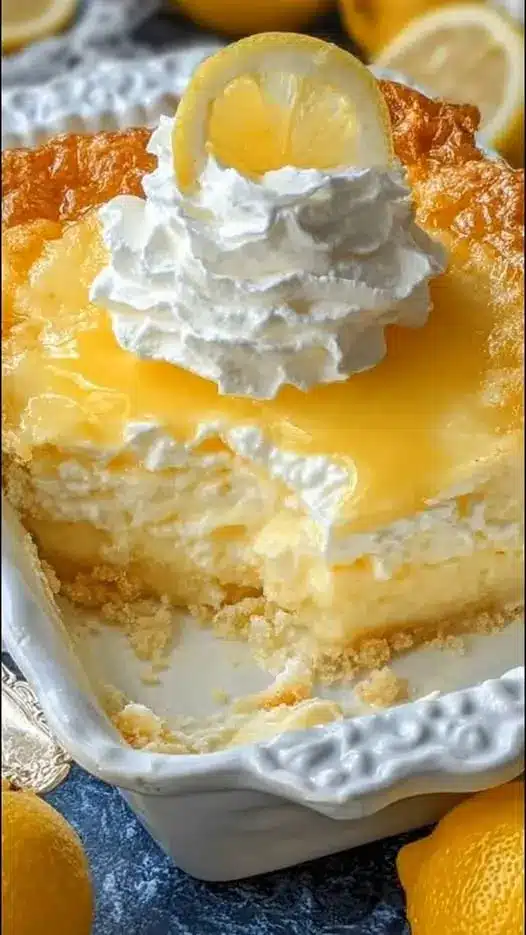
Presentation is key for a citrus dessert of this caliber. While the cheesecake is stunning on its own, a few thoughtful garnishes can elevate it from a simple home bake to a restaurant-quality masterpiece. A dollop of lightly sweetened whipped cream helps to mellow the sharp acidity of the lemon, while a few thin, translucent slices of fresh lemon or a dusting of powdered sugar provide a professional finish.
For a more decadent approach, consider serving each slice with a spoonful of homemade raspberry coulis or a handful of fresh blueberries. The contrast of the purple or red fruit against the pale yellow of the baked lemon cheesecake is visually striking and adds a second layer of fruitiness. If you prefer a bit of crunch, a sprinkle of toasted sliced almonds or extra graham cracker crumbs can provide a nice textural variation. Always serve the cheesecake chilled, as the flavors are most vibrant and the texture is most stable when cold.
Storage and Make-Ahead
Storing Leftovers
If you have leftover slices, store them in an airtight container in the refrigerator. This best creamy lemon cheesecake recipe will stay fresh and delicious for up to five days. To prevent the cake from absorbing other fridge odors, you can wrap individual slices in plastic wrap before placing them in the container.
Freezing
Cheesecakes freeze remarkably well. To freeze, let the cake cool and chill completely, then wrap the entire cake (or individual slices) tightly in plastic wrap followed by a layer of aluminum foil. It will maintain its quality for up to one month. Thaw overnight in the refrigerator before serving to ensure the smooth cheesecake filling regains its creamy consistency.
Making It Ahead
This is the ultimate make-ahead dessert. In fact, it is recommended to make the baked lemon cheesecake at least 24 hours before you plan to serve it. This allows the lemon flavor to fully develop and ensures the structure is completely set, making it much easier to slice cleanly.
Final Thoughts
Mastering the best creamy lemon cheesecake recipe is a rewarding endeavor for any home baker. It’s a dish that relies on patience and precision rather than complex ingredients, making it an accessible but impressive project. By focusing on the quality of your citrus and respecting the gentle baking process, you’ll create a baked lemon cheesecake that balances decadence with a bright, clean finish. This citrus dessert is more than just a sweet treat; it is a celebration of texture and zest that is sure to become a requested favorite for birthdays, holidays, and special Sunday dinners alike.
Frequently Asked Questions
Can I use bottled lemon juice instead of fresh?
While you can, it is highly discouraged. Bottled lemon juice often has a metallic or overly preserved aftertaste that can ruin the delicate flavor of a baked lemon cheesecake. Furthermore, you would miss out on the fresh zest, which contains the essential oils that provide the deep, aromatic lemon scent that makes this recipe special.
How do I know for sure when the cheesecake is done?
The “jiggle test” is the most reliable method. When you gently shake the springform pan, the outer two inches of the cheesecake should look set and firm, while the very center should still wobble slightly, much like Jell-O. It will continue to firm up as it cools during the residual heat stage in the oven and later in the refrigerator.
Do I really need a water bath?
Yes, if you want the best creamy lemon cheesecake recipe results. The water bath acts as a buffer, ensuring the temperature of the batter never exceeds 212°F (the boiling point of water). Without it, the edges of the citrus dessert will overcook and become rubbery or brown before the center is set, and the dry heat is almost guaranteed to cause surface cracking.
What if I don’t have a springform pan?
A springform pan is ideal because it allows you to remove the sides without disturbing the cake. If you don’t have one, you can use a standard deep-dish cake pan, but you will need to line it very well with parchment paper that overhangs the sides so you can lift the cake out. Alternatively, you can serve it directly from the pan, though you’ll lose the impressive side-view presentation.
Why is my graham cracker crust crumbly and falling apart?
This usually happens if there wasn’t enough butter to bind the crumbs or if the crumbs weren’t pressed firmly enough into the pan. Make sure every crumb is moistened by the melted butter. Using the flat bottom of a glass or a measuring cup to pack the graham cracker crust into a tight, even layer is the best way to ensure it holds its shape during slicing.
Creamy Lemon Cheesecake

A bright and zesty lemon cheesecake with a buttery graham cracker crust and a silky smooth filling. Perfect for any occasion.
- Crust
- 1 1/2 cups graham cracker crumbs
- 1/4 cup granulated sugar
- 6 tablespoons unsalted butter, melted
- Filling
- 24 oz cream cheese, softened
- 1 cup granulated sugar
- 1 tablespoon lemon zest
- 1/4 cup fresh lemon juice
- 1 teaspoon vanilla extract
- 3 large eggs
- 1Preheat oven to 325°F (163°C).
- 2In a bowl, mix graham cracker crumbs, sugar, and melted butter. Press firmly into the bottom of a 9-inch springform pan.
- 3In a large mixing bowl, beat cream cheese and sugar until smooth.
- 4Add lemon zest, lemon juice, and vanilla extract; mix well.
- 5Add eggs one at a time, beating on low speed just until combined.
- 6Pour filling over the crust and bake for 50-55 minutes until the edges are set and the center is slightly jiggly.
- 7Cool at room temperature for 1 hour, then refrigerate for at least 4 hours before serving.
Keywords: lemon cheesecake, dessert, citrus, baking, springform pan recipes


