
Peanut Butter Cookies

There is something undeniably nostalgic about a warm tray of cookies pulling out of the oven, but the best peanut butter cookie recipe offers a specific kind of comfort that other sweets simply cannot match. It is the perfect marriage of salty and sweet, featuring a crumbly exterior that gives way to a dense, fudge-like center. These cookies aren’t just about sugar; they are about the deep, roasted aroma of legumes and the rich, buttery mouthfeel that lingers long after the last bite. Whether you grew up pressing fork tines into dough balls or you are just now discovering the joy of a classic peanut butter cookie recipe, the appeal remains timeless and universal.
Mastering this treat requires more than just mixing ingredients; it’s about understanding how the oils in the nut butter interact with the proteins in the flour to create that signature chewy peanut butter cookies texture. By focusing on quality fats and the right balance of sugars, you can achieve a result that is far superior to any store-bought alternative. This guide will walk you through the nuances of the preparation, ensuring that every batch you bake is consistently golden, intensely flavorful, and perfectly patterned with those iconic crisscross marks.
Why This Recipe Is a Keeper
- Perfect Texture Balance: This method ensures a slightly crisp edge with a soft, melt-in-your-mouth center, providing the ultimate homemade cookies experience that satisfies every craving.
- Pantry Staple Simplicity: You likely already have every necessary component in your kitchen, making this a fantastic option for last-minute baking sessions or unexpected guests.
- Deep Nutty Flavor: By utilizing a high ratio of peanut butter to flour, the roasted nut profile remains the star of the show rather than being overshadowed by sweetness.
- Excellent Shelf Life: These cookies stay moist and delicious for days, and the dough itself is incredibly resilient, making it ideal for advance preparation and freezing.
Ingredients You’ll Need
To create the best peanut butter cookie recipe, you need ingredients that work in harmony to provide structure, moisture, and that unmistakable savory-sweet punch. Each component plays a vital role in the final chemistry of the bake.
- Creamy Peanut Butter: This provides the primary flavor and fat source; using a standard creamy peanut butter ensures a smooth, consistent emulsion that doesn’t separate during the baking process.
- Unsalted Butter: Softened butter adds a rich, dairy undertone and helps create the aerated structure needed for a light yet substantial cookie crumb.
- Granulated Sugar: White sugar is essential for achieving those slightly crisp, caramelized edges that provide a necessary structural contrast to the soft middle.
- Light Brown Sugar: The molasses content in brown sugar adds a hint of caramel flavor and contributes significantly to the moisture and “chew” of the finished product.
- All-Purpose Flour: This provides the necessary framework for the cookie, holding the fats and sugars together without making the texture too heavy or bread-like.
- Large Egg: Acting as the primary binder, the egg provides protein for structure and moisture for a supple dough that is easy to roll.
- Vanilla Extract: A high-quality vanilla enhances the nuttiness of the peanut butter, rounding out the flavors and adding a professional aromatic finish.
- Baking Soda and Salt: These are the quiet workhorses that ensure the cookies rise correctly and that the sweetness is perfectly balanced by a touch of salinity.
Variations and Smart Swaps
Crunchy Transformation: If you prefer more texture in your homemade cookies, simply swap the smooth spread for a chunky variety. This adds small bits of roasted peanuts throughout every bite for an extra crunch.
Chocolate Chip Addition: For those who believe chocolate and peanut butter are the ultimate duo, fold in a cup of semi-sweet chocolate chips or chopped dark chocolate chunks just before chilling the dough.
Salted Topping: To lean into the savory side of this classic peanut butter cookie recipe, sprinkle a tiny pinch of flaky sea salt over the cookies immediately after they come out of the oven.
Gluten-Free Alternative: While this specific editorial focuses on the standard version, many bakers find success substituting a high-quality 1:1 gluten-free flour blend, provided it contains xanthan gum for elasticity.
How to Make the Best Peanut Butter Cookie Recipe
Step 1: Cream the Fats and Sugars
The foundation of any great cookie is the creaming process. Begin by beating the softened butter with both the granulated and brown sugars until the mixture is pale, light, and fluffy. This process incorporates air into the fat, which acts as a leavening agent. Once the mixture looks like soft clouds, add the creamy peanut butter and continue mixing until fully incorporated. This ensures the oils are stabilized within the sugar matrix, preventing the cookies from spreading too thin in the oven.
Step 2: Incorporate the Liquid Elements
Once your base is creamy, add the egg and vanilla extract. It is vital to ensure these are at room temperature to avoid curdling the butter. Mix on medium speed until the dough looks glossy and well-combined. You are looking for a cohesive emulsion where no streaks of egg remain. This step provides the moisture necessary to hydrate the flour in the next phase, ensuring your chewy peanut butter cookies don’t turn out crumbly or dry.
Step 3: Gently Fold in Dry Ingredients
Whisk your flour, baking soda, and salt together in a separate bowl before adding them to the wet mixture. Switch your mixer to the lowest setting or use a sturdy spatula to fold the flour in by hand. Overmixing at this stage develops too much gluten, which can lead to a tough, bready cookie. Stop as soon as the last streak of white flour disappears. The dough should be soft, slightly tacky, but firm enough to hold its shape when handled.
Step 4: Shape and Create the Crisscross Pattern
Scoop the dough into uniform balls, roughly the size of a golf ball, and place them on a prepared baking sheet. Now comes the most important part of the classic peanut butter cookie recipe: the fork marks. Dip a fork in a little extra sugar to prevent sticking, then press it firmly into the center of each ball. Rotate the fork 90 degrees and press again. This doesn’t just look pretty; it flattens the dense dough evenly so the center cooks at the same rate as the edges.
Step 5: Bake to Golden Perfection
Slide the tray into a preheated oven and bake until the edges are just set and the bottoms are lightly browned. The centers should still look slightly soft and underdone—this is the secret to soft bake cookies. They will continue to firm up on the hot baking sheet once removed from the oven. If you wait until the centers look fully cooked, the cookies will become hard and dry once they cool down completely.
Pro Tips for Success
- Tip: Use room temperature ingredients to ensure the butter and eggs emulsify properly, which leads to a more uniform and professional texture.
- Tip: Avoid using “natural” peanut butters that require stirring; the high oil content can cause the cookies to spread excessively and become greasy.
- Tip: Measure your flour using the “spoon and level” method rather than scooping directly with the measuring cup to avoid packing too much flour into the dough.
- Tip: Chill the dough for at least 30 minutes if your kitchen is warm; this prevents the fats from melting too quickly and helps the flavors deepen.
- Tip: Use a cookie scoop for perfectly sized portions, ensuring that every cookie in the batch bakes at exactly the same rate.
Troubleshooting Common Problems
Why Did My Cookies Spread Too Much?
Excessive spreading usually happens if the butter was too soft (almost melted) or if the dough was too warm when it hit the oven. Another culprit is using a natural peanut butter that is too liquid. To fix this, try chilling your dough for an hour before baking, or add two extra tablespoons of flour to the next batch to provide more structure.
Why Are My Cookies Dry and Crumbly?
This is often a result of over-measuring the flour or over-baking the cookies. Peanut butter is naturally drying because of its protein content. Ensure you are removing the cookies from the oven when they still look “underdone” in the middle. They will reach the perfect consistency as they cool on the wire rack.
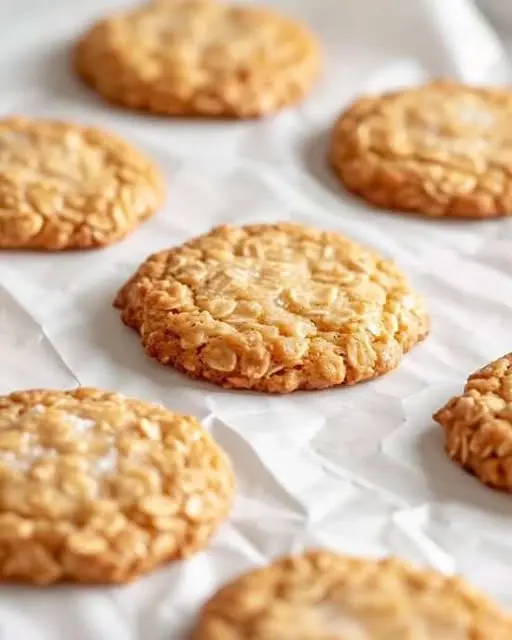
How to Serve Your Cookies
While these treats are spectacular on their own, the best peanut butter cookie recipe serves as a versatile base for various dessert presentations. For the ultimate classic experience, serve them slightly warm with a tall glass of ice-cold milk. The creaminess of the dairy cuts through the richness of the nut butter perfectly.
Creative Serving Ideas
You can transform these into an elegant dessert by making peanut butter ice cream sandwiches. Place a scoop of high-quality vanilla or chocolate ice cream between two cookies and press gently. Roll the edges in crushed peanuts or mini chocolate chips for a gourmet touch. They also make an excellent addition to a dessert charcuterie board, paired with apple slices, dark chocolate squares, and a dish of honey for dipping.
Storage and Make-Ahead
Storing Leftovers
To keep your homemade cookies fresh, store them in an airtight container at room temperature. Placing a single slice of white bread in the container is an old baker’s trick; the cookies will absorb the moisture from the bread, keeping them soft for up to five days. Avoid refrigerating the cookies, as the cold air can dry them out prematurely.
Freezing Instructions
These cookies freeze beautifully, both as baked goods and as raw dough. To freeze the dough, roll it into balls and perform the fork crisscross, then freeze on a tray before transferring to a zip-top bag. You can bake them directly from the freezer; just add an extra minute or two to the total bake time. Baked cookies can be frozen for up to three months; simply thaw them at room temperature for an hour before serving.
Final Thoughts
The journey to finding the best peanut butter cookie recipe usually ends here, with a return to the basics of quality ingredients and careful technique. These cookies represent the best of American home baking—honest, comforting, and deeply satisfying. By following the tips regarding temperature and timing, you can elevate a simple pantry staple into a bakery-quality treat that stands the test of time. Whether you are baking for a school bake sale, a holiday gathering, or just a quiet Tuesday night, these cookies are guaranteed to be the first things to disappear from the cooling rack.
Frequently Asked Questions
Can I use natural peanut butter for this recipe?
It is generally recommended to avoid natural, “oil-on-top” peanut butters for this specific classic peanut butter cookie recipe. The lack of stabilizers in natural brands can lead to unpredictable spreading and a greasy texture. If you must use it, ensure it is very well-stirred and chilled before adding it to the batter to help maintain the cookie’s structure.
Why do peanut butter cookies have fork marks?
Peanut butter cookie dough is significantly denser than chocolate chip or sugar cookie dough. Because of this density, the dough balls would stay in a round shape and not cook through the center if they weren’t flattened. The fork marks provide a functional way to press the dough down evenly while creating more surface area for those delicious crisp edges to form.
How do I make my cookies extra chewy?
To ensure chewy peanut butter cookies, do not skimp on the brown sugar, as its acidity and moisture are key. Additionally, try substituting one tablespoon of the flour with a tablespoon of cornstarch. This small change softens the proteins in the flour, resulting in a more tender, fudge-like interior that stays soft for days.
Can I make this dough in advance?
Absolutely. You can prepare the dough and keep it covered in the refrigerator for up to 48 hours before baking. In fact, many professional bakers prefer this method as it allows the flour to fully hydrate and the flavors to meld, often resulting in a more complex, deeply flavored homemade cookies result.
Can I add nuts to this recipe?
Yes, adding a half-cup of chopped, roasted peanuts is a great way to enhance the texture and flavor profile. If you choose to add nuts, make sure they are unsalted or adjust the added salt in the recipe accordingly to avoid an overly salty finish. Fold them in at the very end along with the dry ingredients.
Classic Peanut Butter Cookies

Soft, chewy, and perfectly sweet, these classic peanut butter cookies feature the iconic criss-cross pattern and a rich nutty flavor.
- 1 cup unsalted butter, softened
- 1 cup creamy peanut butter
- 1 cup granulated sugar
- 1 cup packed brown sugar
- 2 large eggs
- 1 teaspoon vanilla extract
- 2 1/2 cups all-purpose flour
- 1 1/2 teaspoons baking soda
- 1 teaspoon baking powder
- 1/2 teaspoon salt
- 1Preheat your oven to 375°F (190°C).
- 2In a large bowl, cream together the softened butter, peanut butter, granulated sugar, and brown sugar until smooth and fluffy.
- 3Beat in the eggs one at a time, then stir in the vanilla extract.
- 4In a separate bowl, whisk together the flour, baking soda, baking powder, and salt.
- 5Gradually stir the dry ingredients into the creamed mixture until just combined.
- 6Roll the dough into 1-inch balls and place them 2 inches apart on ungreased baking sheets.
- 7Flatten each ball with a fork, making a criss-cross pattern on top.
- 8Bake for 10 minutes or until the edges are lightly browned.
- 9Cool on the baking sheet for 5 minutes before moving to a wire rack.
Keywords: peanut butter cookies, classic cookies, easy baking, dessert, peanut butter


