
Chinese Egg Rolls

Finding the perfect balance between a shatteringly crisp exterior and a savory, tender filling is the hallmark of the best chinese egg roll recipe. Unlike the often greasy or doughy versions found in generic takeout bags, a truly great homemade egg roll features a complex blend of seasoned pork, fresh cabbage, and aromatic ginger that sings with every bite. The contrast between the bubbly, golden-brown shell and the steaming, fragrant interior is what transforms this simple appetizer into the star of any meal.
Making these at home allows you to control the quality of the ingredients and, more importantly, the moisture levels of the filling, which is the secret to achieving that professional-grade crunch. Whether you are hosting a festive lunar celebration or simply craving a high-quality snack for a weekend movie night, mastering this authentic chinese appetizer provides a level of satisfaction that store-bought versions simply cannot match. You will quickly find that the effort put into rolling and frying is rewarded with a texture and flavor profile that is remarkably superior to anything from a delivery box.
Why This Recipe Is a Keeper
- Unbeatable Crunch: By using a specific draining technique, we ensure the crispy egg rolls stay firm and bubbly without becoming soggy from the inside out.
- Fresh Flavor Profile: Unlike commercial versions, this recipe uses fresh aromatics like ginger and garlic to create a bright, savory homemade egg roll filling that tastes clean and vibrant.
- Excellent for Meal Prep: These rolls are incredibly sturdy and can be frozen in large batches, making them a convenient “grab and fry” option for busy weeknights.
- Customizable Ratios: You can easily adjust the meat-to-vegetable ratio to suit your personal preference, ensuring every bite is exactly how you like it.
Ingredients You’ll Need
The success of this recipe depends on using fresh vegetables and the right type of wrapper. While the ingredients are mostly pantry staples, pay close attention to the texture of your cabbage and the quality of your oil, as these will define the final mouthfeel of your best chinese egg roll recipe.
- Ground Pork: This provides the rich, savory base for the filling. It absorbs the aromatics beautifully and stays juicy during the high-heat frying process.
- Shredded Cabbage: Use green cabbage or a standard coleslaw mix. It provides bulk and a subtle sweetness that balances the salty soy sauce.
- Egg Roll Wrappers: These are thicker than spring roll wrappers and are designed to bubble up and become crisp when deep-fried.
- Fresh Ginger and Garlic: These are non-negotiable for an authentic flavor. They provide the sharp, aromatic backbone that defines the dish.
- Soy Sauce and Sesame Oil: These provide the classic “umami” punch and a nutty finish that makes the filling taste like a professional kitchen preparation.
- Cornstarch and Water: A simple slurry acts as the “glue” to seal the wrappers, preventing them from opening up in the hot oil.
- Vegetable Oil: You need a high-smoke-point oil for frying to ensure the exterior browns perfectly without burning or tasting bitter.
Easy Ways to Change It Up
Protein Swaps: While ground pork is traditional, you can easily substitute ground chicken or turkey for a lighter version. For a more decadent roll, finely chopped shrimp makes an excellent addition or a complete replacement for the pork.
Vegetarian Adaptation: To make these meat-free, replace the pork with finely chopped shiitake mushrooms and firm tofu. The mushrooms provide a similar meaty texture and deep savory flavor that pairs perfectly with the cabbage.
Spice Level: If you enjoy a bit of heat, add a teaspoon of red chili flakes or a small amount of sambal oelek to the filling while it sautés. This creates a “hot and sour” effect that is highly addictive.
How to Make the Best Chinese Egg Rolls
Step 1: Brown the Pork and Aromatics
Start by heating a large skillet or wok over medium-high heat. Add a small amount of oil and brown the ground pork, breaking it into very small crumbles as it cooks. Once the meat is no longer pink, stir in the freshly grated ginger and minced garlic. Sautéing these aromatics directly with the meat allows the fats to absorb the flavors, ensuring every part of the homemade egg roll filling is infused with a rich, savory essence.
Step 2: Wilt the Vegetables and Season
Add the shredded cabbage and carrots to the skillet. You want to cook them just until they begin to wilt but still retain a bit of their structural integrity. Stir in the soy sauce, sesame oil, and a pinch of sugar. The goal here is to cook off some of the moisture from the vegetables while allowing them to soak up the seasonings. Overcooking the vegetables at this stage can lead to a mushy interior, so keep the heat high and the movement constant.
Step 3: Drain and Cool the Filling
This is perhaps the most important technical step for the best chinese egg roll recipe. Transfer the cooked filling to a fine-mesh strainer set over a bowl. Let it sit for at least 15 to 20 minutes to drain any excess liquid. If the filling is too wet or too hot when you wrap it, the steam will soften the wrapper from the inside, preventing it from ever reaching maximum crispiness. Cooling the filling also makes the how to wrap egg rolls process much easier on your hands.
Step 4: Assemble and Seal the Wrappers
Place an egg roll wrapper on a clean surface in a diamond shape. Spoon about two tablespoons of the cooled filling onto the lower third of the wrapper. Fold the bottom corner over the filling, then tuck in the sides as you roll it tightly toward the top. Use a finger to dab a small amount of cornstarch slurry or egg wash onto the top corner to seal the roll. Ensuring a tight wrap is vital to prevent oil from seeping into the center of the roll during frying.
Step 5: Fry Until Golden and Bubbly
Heat about two inches of oil in a heavy-bottomed pot to 350°F. Carefully slide the egg rolls into the oil in batches, being careful not to crowd the pot. Fry for about 3 to 5 minutes, turning them occasionally, until the exteriors are a deep golden brown and covered in tiny, crisp bubbles. Remove them with a slotted spoon and let them drain on a wire rack rather than paper towels to maintain the 360-degree airflow that keeps crispy egg rolls from getting soft.
Pro Tips for the Best Results
- Tip: Always drain your filling. Even a small amount of leftover liquid in the cabbage will create steam that ruins the crunch of the wrapper.
- Tip: Keep the wrappers covered. Egg roll wrappers dry out very quickly when exposed to air, making them brittle and prone to cracking. Keep them under a damp paper towel while you work.
- Tip: Maintain a steady oil temperature. If the oil is too cold, the rolls will absorb too much grease; if it is too hot, the outside will burn before the inside is heated through.
- Tip: Roll them tightly. A loose roll traps air pockets that can expand and cause the wrapper to burst or become unnecessarily oily.
- Tip: Don’t overfill. It is tempting to pack them full, but two tablespoons are usually the limit for a standard-sized wrapper to ensure a proper seal.
Troubleshooting Common Problems
Why are my egg rolls soggy?
Sogginess usually stems from one of two things: wet filling or improper draining after frying. Ensure you have squeezed as much moisture as possible out of your cooked cabbage and always drain the finished rolls on a wire rack. If they sit directly on a flat plate or paper towel, the bottom of the roll will “sweat” and lose its crispness.
Why did my wrappers burst in the oil?
This usually happens if there is too much air trapped inside the roll or if the seal wasn’t secure. Make sure you are wrapping the homemade egg roll filling as tightly as possible and using enough of the cornstarch “glue” to fuse the edges together. Additionally, ensure the filling is completely cool before wrapping, as hot filling creates immediate steam that can pressure the wrapper to pop.
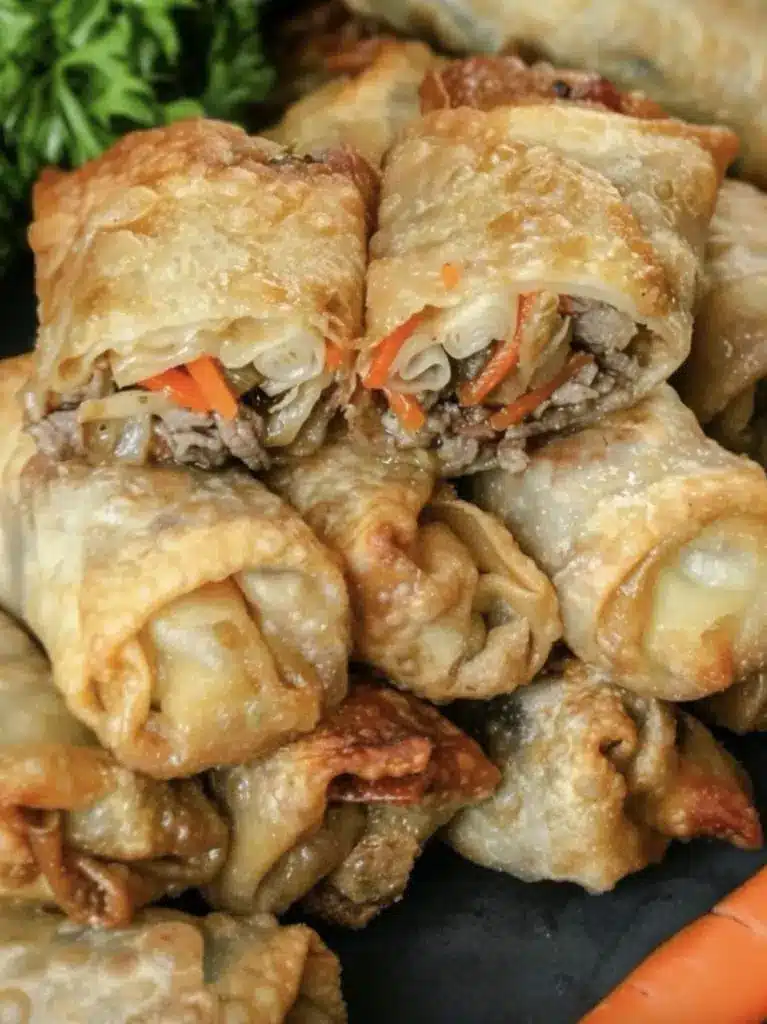
How to Serve Your Egg Rolls
Presentation is key for a classic authentic chinese appetizer experience. Serve the rolls while they are still piping hot to ensure the texture is at its peak. Slicing them on a sharp diagonal can make for a beautiful presentation, revealing the colorful layers of pork and vegetables inside.
Dipping Sauces
No egg roll is complete without a variety of dipping options. A classic sweet and sour sauce or a tangy duck sauce provides the traditional flavor profile most people expect. For those who prefer a more savory dip, a mixture of soy sauce, rice vinegar, and a drop of chili oil works beautifully. If you want something with a kick, Chinese hot mustard provides a nasal-clearing heat that cuts through the richness of the fried wrapper perfectly.
Complementary Sides
To turn these into a full meal, serve them alongside a bowl of hot and sour soup or a plate of vegetable fried rice. They also act as a fantastic crunchy side for heavier dishes like General Tso’s chicken or beef and broccoli. If you are serving them at a party, a simple platter garnished with sliced green onions and sesame seeds is all you need to make them look professional.
Storage and Make-Ahead
Storing Leftovers
If you happen to have leftovers, store them in an airtight container in the refrigerator for up to three days. Note that the wrappers will lose their initial crunch in the fridge, so you will need to reheat them properly to restore the texture.
Freezing
These are excellent for freezing. You can freeze them raw or cooked. To freeze raw, place the assembled rolls on a baking sheet in a single layer until frozen solid, then transfer them to a freezer bag. This prevents them from sticking together. You can fry them directly from frozen, just add an extra minute or two to the cooking time.
Reheating
Avoid the microwave at all costs when reheating crispy egg rolls. Instead, use an air fryer at 350°F for 3 to 5 minutes or a conventional oven at 375°F for about 10 minutes. This will draw out any residual moisture and crisp the shell back up to its original state.
Final Thoughts
Once you have tasted the results of the best chinese egg roll recipe made in your own kitchen, it is hard to go back to the standard restaurant versions. The control you have over the seasoning, the quality of the pork, and the absolute freshness of the crunch makes this a standout dish. While it takes a little practice to master the how to wrap egg rolls technique, the process becomes meditative and highly rewarding once you see that pile of golden-brown goodness ready to be served. Enjoy the process and the delicious, crispy rewards!
Frequently Asked Questions
What is the difference between an egg roll and a spring roll?
The primary difference lies in the wrapper. Egg rolls use a thicker, flour-based wrapper that often contains eggs, giving it a bubbly, crunchy texture when deep-fried. Spring rolls usually use a much thinner, translucent wrapper made of wheat or rice flour, resulting in a smoother, lighter, and more delicate crunch. The fillings are often similar, but egg rolls are generally heartier.
Can I make these in an air fryer?
Yes, you can make crispy egg rolls in an air fryer for a lighter version. Lightly brush or spray the exterior of each roll with vegetable oil and air fry at 400°F for 10 to 12 minutes, flipping halfway through. While they won’t have the exact same bubbly texture as deep-fried rolls, they will still be very crunchy and delicious.
Can I use coleslaw mix instead of fresh cabbage?
Absolutely! Using a pre-shredded coleslaw mix is a great time-saver for this best chinese egg roll recipe. Just make sure the mix consists primarily of cabbage and carrots without any pre-added dressing. Because the shreds are often very fine, they will cook very quickly, so be careful not to over-sauté them into mush.
Why is my oil so foamy when I fry the rolls?
Foaming oil is usually a sign that there is too much moisture entering the pot or that the oil has been used too many times. Ensure your egg rolls are dry on the outside before they hit the oil. If you used an egg wash to seal them, make sure it has dried slightly so that the excess liquid doesn’t cause the oil to bubble over.
How do I keep the egg rolls from being too greasy?
The secret to non-greasy frying is maintaining the oil temperature at 350°F. If the oil is too cold, the wrapper will soak up the oil rather than searing instantly. Additionally, using a wire rack for draining allows the excess oil to fall away from the roll rather than soaking back into the bottom of the wrapper as it sits.
Crispy Homemade Chinese Egg Rolls

These traditional Chinese egg rolls are packed with a savory filling of ground pork and crisp vegetables, wrapped in a thin pastry and fried until golden brown and perfectly crunchy.
- 1 lb ground pork
- 4 cups shredded cabbage
- 1 cup shredded carrots
- 2 cloves garlic, minced
- 1 tsp grated ginger
- 2 tbsp soy sauce
- 1 tbsp sesame oil
- 12 egg roll wrappers
- 1 egg, beaten
- Vegetable oil for frying
- 1In a large skillet, cook the ground pork over medium heat until browned. Drain excess fat.
- 2Add cabbage, carrots, garlic, and ginger to the skillet. Sauté for 3-5 minutes until vegetables are slightly softened.
- 3Stir in soy sauce and sesame oil. Remove from heat and let the mixture cool completely to prevent the wrappers from getting soggy.
- 4Place an egg roll wrapper on a clean surface in a diamond shape. Spoon 3 tablespoons of filling onto the center.
- 5Fold the bottom corner over the filling, fold in the side corners, and roll tightly toward the top. Seal the edge with a small amount of beaten egg.
- 6Heat 2 inches of oil in a deep pan to 350°F (175°C). Fry egg rolls in batches for 3-4 minutes, turning occasionally until golden brown.
- 7Drain on paper towels and serve hot with duck sauce or soy sauce.
Keywords: egg rolls, chinese appetizer, crispy pork egg rolls, homemade takeout


