
Virginia’s Molasses Cookies

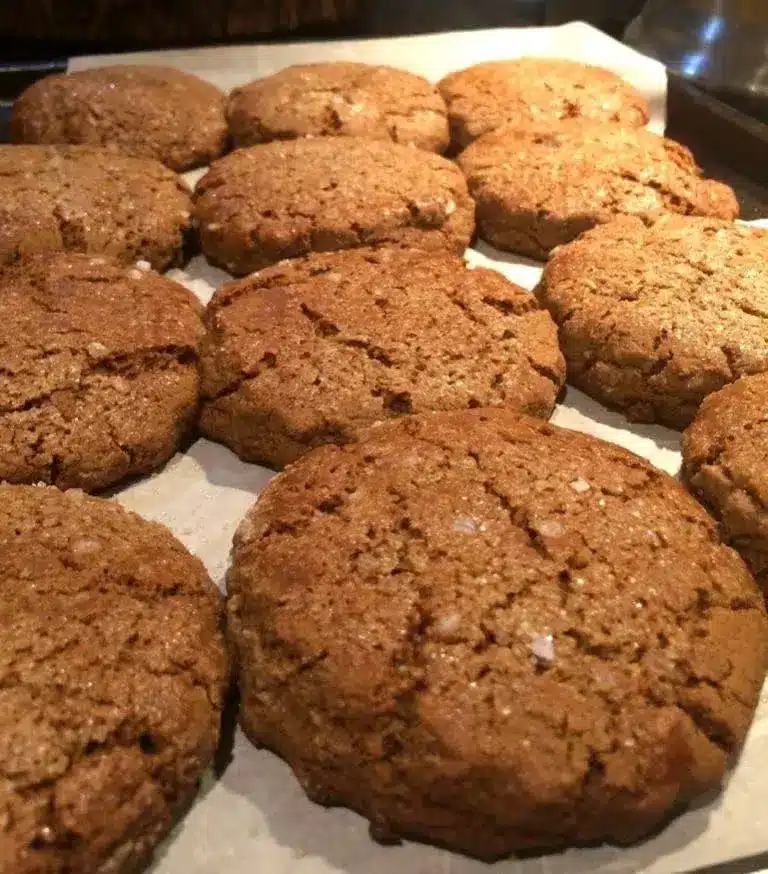
There is something deeply nostalgic about the aroma of warm spices and dark syrup wafting through a kitchen during the colder months. While many modern desserts lean on chocolate or fruit, the best old fashioned molasses cookies rely on the complex, bittersweet depth of molasses and a curated blend of warming spices to create a flavor profile that is both sophisticated and comforting. These cookies are characterized by their signature crackled tops, ultra-chewy centers, and a crisp, sugar-dusted exterior that sparkles under the kitchen lights. They are the quintessential holiday treat, yet their simple preparation makes them a favorite for year-round baking.
What sets this particular version apart is the perfect balance between texture and spice. Many recipes result in a cookie that is either too cakey or unpleasantly hard, but the best old fashioned molasses cookies should have a distinct “bend” to them when pulled apart. By focusing on the interaction between the acidity in the molasses and the leavening agents, we achieve a cookie that rises beautifully and then collapses slightly as it cools, creating those iconic deep fissures on the surface. Whether you are reliving a childhood memory of grandma’s kitchen or introducing these soft chewy cookies to a new generation, the results are consistently impressive and deeply satisfying.
Why You’ll Love This Recipe
- Iconic Texture: These cookies offer a perfect contrast between a slightly crisp, granulated sugar coating and a dense, fudgy center that stays soft for days.
- Complex Flavor Profile: Unlike simple sugar cookies, the combination of dark molasses, sharp ginger, and aromatic cloves provides a multi-layered taste that isn’t overly sweet.
- Excellent Shelf Life: Thanks to the hygroscopic nature of molasses, which holds onto moisture, these cookies remain fresh and chewy much longer than standard butter cookies.
- Nostalgic Appeal: This is a true holiday baking staple that brings a sense of traditional warmth to any cookie exchange or dessert platter.
Ingredients You’ll Need
To achieve the specific depth of flavor and structural integrity required for a classic molasses cookie, each ingredient plays a critical role. Understanding how these components interact will help you master the bake every time.
- Unsulphured Molasses: This is the heart of the recipe. It provides the moisture, the dark color, and that specific bittersweet tang. Avoid using “Blackstrap” molasses, as it is too bitter and will overpower the other flavors.
- Unsalted Butter: Using butter instead of shortening provides a richer flavor and helps the cookies spread just enough to create the desired thickness. Ensure it is softened to room temperature for proper creaming.
- Brown Sugar: The addition of molasses in the sugar itself (which is what brown sugar is) reinforces the chewy texture and adds a hint of caramel notes to the dough.
- Ground Ginger: This provides a necessary “bite” that cuts through the richness of the syrup. It gives the cookies their characteristic zing without being overwhelming.
- Cinnamon and Cloves: These warm spices fill out the flavor profile, creating the “warm winter spice” sensation that makes these cookies so addictive.
- Baking Soda: Essential for more than just lift; baking soda reacts with the acidic molasses to encourage browning and creates the carbon dioxide bubbles that lead to the crackled surface.
- Granulated Sugar: Specifically for rolling the dough balls. This creates the sparkling, crunchy exterior that defines the best old fashioned molasses cookies.
Easy Ways to Change It Up
Add a Citrus Twist: Incorporating a tablespoon of fresh orange zest into the sugar and butter mixture adds a bright, floral note that complements the deep spices beautifully.
Incorporate Crystallized Ginger: For those who love an extra punch of heat, fold in finely chopped crystallized ginger. This adds tiny bursts of intense flavor and an extra bit of chewiness to every bite.
Chocolate Dipped: Once the cookies are completely cooled, dip half of each cookie into melted white or dark chocolate. The creaminess of the chocolate provides a lovely counterpoint to the spice-heavy dough.
Make it Iced: A simple drizzle of powdered sugar and milk glaze can transform these into a more decorative dessert, perfect for a formal tea or a festive party.
How to Make the Best Old Fashioned Molasses Cookies
Step 1: Cream the Butter and Sugars
Begin by beating your softened butter with the brown sugar until the mixture is light, fluffy, and noticeably paler in color. This process, known as creaming, aerates the butter and ensures the sugar is evenly distributed. Do not rush this step; properly creamed butter is the foundation for a cookie that has the right amount of lift. Once fluffy, beat in the egg and the molasses until the mixture is glossy and uniform. The molasses will significantly darken the batter at this stage.
Step 2: Sift and Combine Dry Ingredients
In a separate bowl, whisk together the flour, baking soda, ginger, cinnamon, cloves, and salt. Sifting or vigorous whisking is important to ensure the baking soda and spices are perfectly distributed, preventing any “hot spots” of flavor or uneven rising. Gradually add these dry ingredients to the wet mixture on a low speed. Mix only until the white streaks of flour disappear. Overmixing at this stage can develop too much gluten, leading to a tough, bready cookie rather than a tender, chewy one.
Step 3: Chill the Cookie Dough
This is perhaps the most important technical step in the recipe. Wrap the dough and refrigerate it for at least 30 to 60 minutes. Chilling the dough allows the flour to fully hydrate and the butter to firm back up. This prevents the cookies from spreading too thin in the oven and ensures that the best old fashioned molasses cookies maintain a thick, soft center. Cold dough is also much easier to handle when it comes time to roll the balls.
Step 4: Roll and Coat in Sugar
Scoop tablespoon-sized portions of the chilled dough and roll them between your palms to form smooth spheres about one inch in diameter. Roll each ball generously in a bowl of granulated sugar until completely coated. This sugar coating isn’t just for sweetness; it draws moisture from the surface of the dough as it bakes, causing the top to dry out and crack while the interior remains moist, creating the signature “crinkle” look.
Step 5: Bake to Perfect Softness
Place the balls on a parchment-lined baking sheet, leaving about two inches of space between them. Bake in a preheated oven just until the edges are set and the tops have cracked. The centers should still look slightly underbaked and soft. Residual heat will finish the cooking process on the baking sheet once removed from the oven. Overbaking is the enemy of a good molasses cookie; if they look completely firm in the oven, they will be hard once they cool.
Pro Tips for Success
Check Your Baking Soda: Since this recipe relies on the reaction between baking soda and molasses for its texture and rise, ensure your soda is fresh. If it’s been open for more than six months, it may not provide the necessary lift.
Use a Cookie Scoop: For even baking, all cookies need to be the same size. A spring-loaded cookie scoop ensures consistency, which means they will all finish baking at exactly the same time.
Don’t Skip the Chill: If the dough is too warm, the sugar coating will dissolve into the dough rather than sitting on top, and you will lose the beautiful sparkling finish and the crackled texture.
Measure Flour Correctly: Always use the “spoon and level” method for flour. Scooping directly with the measuring cup packs the flour down, leading to dry, crumbly cookies that won’t spread correctly.
Troubleshooting Common Problems
Why Did My Cookies Turn Out Flat?
If your cookies spread too much and became thin disks, it is usually due to the butter being too soft or the dough not being chilled long enough. Another culprit could be placing dough balls onto a hot baking sheet from a previous batch. Always let your sheets cool completely between bakes.
Why Are the Tops Not Cracking?
The crackle happens when the surface sets before the interior has finished rising. If your oven temperature is too low, the cookies will rise slowly and the surface won’t dry out fast enough to crack. Ensure your oven is fully preheated and consider using an oven thermometer to verify the temperature.
Why Are My Cookies Hard Instead of Chewy?
This is almost always a result of overbaking. Because the dough is dark, it can be hard to see when they are browning. Trust the timing and look for the “set” edges rather than a change in color. Additionally, too much flour in the dough can lead to a dry, hard result.
How to Serve Molasses Cookies
These cookies are incredibly versatile and fit perfectly into several different serving scenarios. Their robust spice profile makes them a natural companion for warm beverages, but they can also be dressed up for a more elaborate dessert presentation.
The Classic Pairing
There is nothing quite like a plate of these cookies served alongside a cold glass of milk. The creaminess of the milk softens the intensity of the ginger and cloves, making for a perfectly balanced snack. Alternatively, they are excellent for dunking in a hot cup of coffee or a spicy chai tea.
Creative Serving Ideas
For a festive touch, serve these cookies as part of a grandma’s recipe themed dessert board with toasted pecans, dried cranberries, and slices of sharp cheddar cheese—the saltiness of the cheese is a traditional and surprisingly delicious match for molasses. You can also crumble them over vanilla bean ice cream for a quick and flavorful sundae topping.
Storage and Make-Ahead
Storing Leftovers
Store your cooled cookies in an airtight container at room temperature. They actually improve in flavor after the first day as the spices have more time to meld. They will remain soft and chewy for up to 5 to 7 days if kept away from air.
Freezing Instructions
These cookies freeze exceptionally well. You can freeze the baked cookies for up to three months in a freezer-safe bag. Even better, you can freeze the pre-rolled dough balls (before coating in sugar). When you’re ready to bake, let them thaw slightly, roll in sugar, and bake as directed, adding a minute or two to the total bake time.
Final Thoughts
Baking a batch of the best old fashioned molasses cookies is more than just a kitchen task; it’s an exercise in patience and precision that yields a truly timeless reward. By choosing high-quality ingredients and respecting the chilling process, you ensure a result that is far superior to anything found in a store. These cookies carry a sense of history and warmth that makes them a perfect addition to your recipe tin. Once you master the balance of soft centers and crisp sugar crusts, you’ll find yourself returning to this easy weeknight dinner dessert or holiday staple year after year.
Frequently Asked Questions
Can I use Blackstrap molasses for these cookies?
It is generally not recommended. Blackstrap molasses is the result of the third boiling of the sugar cane and is very concentrated, bitter, and salty. Using it in this recipe will result in a cookie that is overly dark and lacks the sweet, mellow spice profile that makes this recipe so popular. Stick to “original” or “unsulphured” molasses for the best results.
Do I have to chill the dough?
While you can bake them immediately, the texture will be significantly different. Chilled dough spreads less, resulting in a thicker, chewier cookie with better crackles. If you are in a rush, even 20 minutes in the freezer can make a noticeable improvement in the final structure of the cookie.
How do I know when the cookies are done?
Look for the edges to be firm to the touch and the cracks on top to look slightly “wet” or pale compared to the rest of the cookie. If the cracks look completely dry and the same color as the edges, they are likely overdone. The cookies will firm up significantly as they cool on the tray, so err on the side of taking them out early.
Can I make these cookies gluten-free?
Yes, you can substitute the all-purpose flour with a high-quality gluten-free 1-to-1 baking blend. Because molasses provides so much moisture and structure, these cookies actually adapt very well to gluten-free flours. Just be sure to let the dough chill for an extra 30 minutes to allow the alternative flours to fully hydrate and prevent a gritty texture.
Why did my sugar coating melt into the cookie?
This usually happens if the dough was too warm when rolled or if the humidity in your kitchen is very high. To prevent this, ensure your dough is properly chilled and use a coarse granulated sugar or even sparkling sanding sugar, which has larger crystals that resist melting during the baking process.
Virginia’s Molasses Cookies

A classic, old-fashioned recipe for soft and chewy molasses cookies. Perfectly spiced with ginger, cinnamon, and cloves, these cookies are a nostalgic holiday staple that stays moist for days.
- 3/4 cup unsalted butter, softened
- 1 cup granulated sugar
- 1/4 cup unsulphured molasses
- 1 large egg
- 2 1/4 cups all-purpose flour
- 2 teaspoons baking soda
- 1 teaspoon ground ginger
- 1 teaspoon ground cinnamon
- 1/2 teaspoon ground cloves
- 1/4 teaspoon salt
- 1/3 cup extra sugar for rolling
- 1Preheat oven to 350°F (175°C). Line baking sheets with parchment paper.
- 2In a large bowl, cream together the softened butter and 1 cup of sugar until light and fluffy.
- 3Beat in the egg and molasses until well combined.
- 4In a separate bowl, whisk together the flour, baking soda, ginger, cinnamon, cloves, and salt.
- 5Gradually add the dry ingredients to the molasses mixture, stirring until a soft dough forms.
- 6Shape dough into 1-inch balls and roll each ball in the extra sugar until coated.
- 7Place balls 2 inches apart on the prepared baking sheets.
- 8Bake for 10-12 minutes or until the edges are set and the tops have slightly cracked.
- 9Cool on the baking sheet for 5 minutes before transferring to a wire rack to cool completely.
Keywords: molasses cookies, ginger cookies, vintage recipes, holiday baking, chewy cookies


