
Stuffed Cabbage Rolls

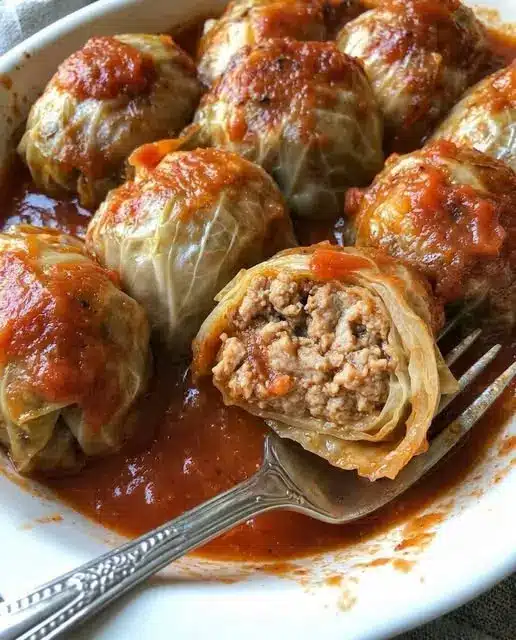
There is a unique kind of magic that happens when humble ingredients like cabbage, rice, and ground meat are tucked together and slow-cooked in a tangy tomato sauce. This best stuffed cabbage rolls recipe captures the essence of true comfort food dinner, offering a savory, soul-warming meal that tastes like it has been simmering on a grandmother’s stove all afternoon. The cabbage leaves become incredibly tender, almost melting into the rich sauce, while the filling remains juicy and perfectly seasoned. It is the kind of dish that fills the entire house with a welcoming, nostalgic aroma, promising a satisfying meal that feels both wholesome and indulgent.
While many people feel intimidated by the process of rolling cabbage, this recipe breaks down the technique into manageable steps that ensure success even for a first-time cook. By focusing on the texture of the leaves and the balance of the sweet and savory sauce, you can create a restaurant-quality version of this Eastern European classic right in your own kitchen. Whether you are looking for a weekend project or a dish that tastes even better as leftovers the next day, this slow-cooked cabbage masterpiece is exactly what your rotation needs. It’s hearty, nutritious, and undeniably delicious.
Why This Recipe Is a Keeper
- Deeply Nostalgic Flavor: Every bite delivers a perfect balance of savory meat, earthy cabbage, and a bright, slightly sweet tomato glaze that reminds you of traditional home cooking.
- Exceptional Texture: By par-boiling the cabbage and slow-simmering the rolls, you achieve a “fork-tender” consistency where the ground beef and rice filling stays moist and intact.
- Perfect for Meal Prep: These rolls are incredibly sturdy and actually improve in flavor after a day or two in the refrigerator, making them a dream for busy schedules.
- Budget-Friendly Ingredients: This recipe relies on affordable pantry staples and seasonal produce to create a high-volume meal that can easily feed a large family or a dinner party.
Ingredients You’ll Need
The beauty of this best stuffed cabbage rolls recipe lies in how simple components transform through the cooking process. Selecting the right cabbage and balancing the fats in your meat blend are the secrets to a superior result.
- Green Cabbage: Look for a large, heavy head with loose outer leaves. The leaves need to be big enough to wrap around the filling without tearing, providing the structural foundation of the dish.
- Ground Beef and Pork: A blend of lean ground beef and ground pork provides the best flavor and moisture. The pork adds a necessary silkiness to the ground beef and rice filling that beef alone can’t replicate.
- Par-Cooked Rice: Using rice that is slightly underdone ensures it finishes cooking inside the roll, absorbing the savory meat juices without becoming mushy or “bloating” the roll too much.
- Tomato Sauce and Crushed Tomatoes: This combination creates a thick, clingy sauce that coats the rolls perfectly. It provides the acidic base needed to tenderize the cabbage during the long cook time.
- Onion and Garlic: Finely diced and sautéed before being added to the meat, these aromatics provide a foundational sweetness and depth that permeates every bite of the filling.
- Apple Cider Vinegar and Brown Sugar: These two ingredients create the classic “sweet and sour” profile that defines traditional cabbage rolls, cutting through the richness of the meat.
- Fresh Parsley and Dill: Herbs add a necessary brightness to an otherwise heavy dish, lifting the earthy flavors of the cabbage and beef.
Easy Ways to Change It Up
Protein Variations: If you prefer a lighter version, you can substitute the beef and pork with ground turkey or chicken. Just ensure you add a tablespoon of olive oil to the mix to prevent the poultry from becoming too dry during the simmering process.
Grain Alternatives: While white rice is traditional, cooked quinoa or buckwheat groats offer a wonderful nutty flavor and an extra boost of fiber. Make sure any alternative grain is fully cooked before mixing it into the meat filling.
Vegetarian Option: For a meatless comfort food dinner, replace the meat with a mix of finely chopped mushrooms and cooked lentils. The mushrooms provide that essential umami flavor, while the lentils offer a satisfying, hearty texture.
How to Make the Best Stuffed Cabbage Rolls
Step 1: Soften the Cabbage Leaves
The most important part of prep is making the cabbage leaves pliable. Bring a large pot of salted water to a boil and remove the core of the cabbage with a sharp knife. Submerge the whole head of cabbage in the water for a few minutes. As the outer leaves soften and turn translucent, carefully peel them away with tongs and set them aside. Repeat this until you have enough large leaves for rolling. This step ensures the leaves won’t crack or snap when you try to fold them around the filling.
Step 2: Prepare the Savory Filling
In a large mixing bowl, combine your ground meats, par-cooked rice, sautéed onions, garlic, and herbs. It is vital not to overwork the meat; mix just until the ingredients are evenly distributed. Over-mixing can lead to a dense, tough filling. Adding a splash of water or a bit of the tomato sauce to the mixture can help keep the interior light and juicy as it cooks inside the slow-cooked cabbage shell.
Step 3: Roll and Secure the Bundles
Lay a cabbage leaf flat and shave down the thick center vein with a knife to make it more flexible. Place a log-shaped portion of the filling near the stem end. Fold the sides of the leaf inward and roll it up tightly, similar to a burrito. This “tucking” technique keeps the filling from escaping during the simmering process. Place each roll seam-side down in your baking dish or pot to ensure they stay closed without needing toothpicks.
Step 4: Build the Sweet and Tangy Sauce
Whisk together the tomato sauce, crushed tomatoes, vinegar, and sugar in a separate bowl. This sauce acts as the braising liquid. Pour a thin layer on the bottom of your pot before adding the rolls, then pour the remainder over the top. This layering technique ensures that the bottom rolls don’t scorch and that every roll is fully submerged in the flavorful liquid, allowing for even heat distribution.
Step 5: Slow Cook to Tender Perfection
Cover the dish tightly with a lid or foil and bake or simmer on low heat. The goal is a gentle bubble, not a rolling boil. This slow process allows the cabbage to break down its fibrous structure until it is buttery soft, while the flavors of the meat and sauce meld together. You’ll know they are done when a knife slides into the center of a roll with absolutely no resistance.
Pro Tips for Success
- Tip: Use the smallest, leftover leaves or torn pieces to line the bottom of your pot. This creates a sacrificial layer that prevents your beautiful rolls from sticking or burning if the heat gets too high.
- Tip: Always par-cook your rice. If you use raw rice, it will suck the moisture out of the meat, leaving you with a dry, crumbly filling. If you use fully cooked rice, it may turn to mush. Half-cooked is the sweet spot.
- Tip: Freeze the cabbage head overnight and thaw it the next day if you want to skip the boiling step. The freezing process breaks down the cell walls, making the leaves naturally limp and easy to roll.
- Tip: Let the rolls rest for at least 15 minutes after cooking. This allows the sauce to thicken slightly and the rolls to firm up, making them much easier to serve without falling apart.
Troubleshooting Common Problems
Why are my cabbage rolls tough?
If the cabbage is still crunchy or tough, they simply haven’t cooked long enough. Cabbage rolls are a “low and slow” food. Ensure your heat is low and you give them at least 90 minutes to two hours. If the sauce is reducing too fast, add a splash of beef broth or water to keep the environment moist.
Why did my rolls fall apart in the pot?
This usually happens if they aren’t packed tightly enough in the dish or if they weren’t placed seam-side down. The rolls should be snug against each other; this physical pressure helps them maintain their shape. Also, avoid a vigorous boil, which can toss the rolls around and cause them to unwrap.
How to Serve Stuffed Cabbage Rolls
To truly enjoy the best stuffed cabbage rolls recipe, presentation and accompaniment are key. These rolls are a meal unto themselves, but a few traditional additions can elevate the experience.
Traditional Garnishes
A generous dollop of cold sour cream is the classic topper for hot cabbage rolls. The creaminess balances the acidity of the tomato sauce perfectly. Sprinkle a handful of fresh chopped dill or parsley over the top for a pop of color and a fresh herbal finish that cuts through the richness of the ground beef and rice filling.
Complementary Side Dishes
Since the rolls already contain meat, vegetables, and grains, you don’t need much else. However, a thick slice of crusty rye bread or sourdough is essential for mopping up the extra sauce. If you want a more substantial meal, serve them alongside buttery mashed potatoes or a simple cucumber salad with a vinegar dressing to provide a crisp contrast to the soft texture of the slow-cooked cabbage.
Storage and Make-Ahead Guidance
Storing Leftovers
Stuffed cabbage rolls are famous for being better the next day. Store any leftovers in an airtight container in the refrigerator for up to 4 days. The cabbage will continue to absorb the sauce, becoming even more flavorful as it sits.
Freezing Instructions
This is an excellent freezer meal. You can freeze the rolls either before or after cooking. If freezing after cooking, let them cool completely, then place them in a freezer-safe container with plenty of sauce. They will keep well for up to 3 months. Thaw overnight in the fridge before reheating.
Reheating
For the best results, reheat the rolls in a covered dish in the oven at 350°F until warmed through. This preserves the texture better than the microwave. If the sauce has thickened too much, add a tablespoon of water before heating to loosen it back up.
Final Thoughts
Mastering the best stuffed cabbage rolls recipe is a rewarding culinary journey that brings a sense of warmth and tradition to your table. While it requires a bit of patience and a steady hand for rolling, the result is a deeply satisfying comfort food dinner that stands the test of time. These rolls offer a complex flavor profile that appeals to all ages, making them a perfect choice for Sunday family dinners or special holiday gatherings. Once you taste the tender cabbage and the juicy ground beef and rice filling, you’ll understand why this dish remains a beloved staple in kitchens across the world.
Frequently Asked Questions
Can I make these in a slow cooker?
Yes, cabbage rolls are perfect for the slow cooker. Layer the rolls seam-side down with plenty of sauce and cook on low for 6 to 8 hours. The gentle, consistent heat of a slow cooker is ideal for achieving that perfectly tender slow-cooked cabbage texture without any risk of burning the bottom layer.
Do I have to use a mix of beef and pork?
While you can use 100% beef, the mixture is highly recommended. Pork has a higher fat content and a milder flavor, which keeps the filling juicy and allows the seasonings to shine. If you only have beef, try to use a 80/20 blend rather than extra-lean beef to ensure the filling doesn’t become dry or crumbly.
Can I use Savoy cabbage instead of Green cabbage?
Absolutely. Savoy cabbage has beautiful crinkled leaves that are naturally more flexible than standard green cabbage, which can make the rolling process easier. However, the leaves are slightly more delicate, so you may need to reduce the initial boiling time to ensure they don’t tear while you are handling them.
What is the best way to core a cabbage?
The easiest method is to use a long, thin paring knife to cut deeply into the cabbage around the stem in a square or circular pattern. Once you’ve cut through the base of the core, you can usually pop it out with the tip of the knife or a sturdy fork. Removing the core allows the water to penetrate the center of the head, softening the leaves from the inside out.
Can I make the filling ahead of time?
You can certainly prepare the meat and rice mixture a day in advance. In fact, letting the raw filling sit in the refrigerator for a few hours allows the flavors of the garlic, onion, and herbs to meld more thoroughly. Just be sure to keep it tightly covered until you are ready to start the assembly process.
Vegetarian Stuffed Cabbage Rolls

A hearty and comforting vegetarian version of the classic stuffed cabbage, filled with savory mushrooms, seasoned rice, and baked in a tangy tomato sauce.
- 1 large head of green cabbage
- 2 cups cooked white rice
- 8 oz mushrooms, finely chopped
- 1 medium onion, finely diced
- 2 cloves garlic, minced
- 15 oz tomato sauce
- 1 tablespoon olive oil
- 1 teaspoon dried oregano
- 1/2 teaspoon smoked paprika
- Salt and black pepper to taste
- 1Preheat your oven to 350°F (175°C).
- 2Bring a large pot of salted water to a boil. Carefully remove the core of the cabbage and place the whole head in the water. Boil for 5-8 minutes until leaves are softened. Drain and carefully peel off 12 large leaves.
- 3In a large skillet, heat olive oil over medium heat. Sauté the onion, garlic, and mushrooms until the moisture has evaporated and they are lightly browned.
- 4In a mixing bowl, combine the mushroom mixture with cooked rice, oregano, paprika, salt, and pepper.
- 5Trim the thickest part of the central vein from each cabbage leaf. Place about 3 tablespoons of the rice mixture in the center of a leaf, fold in the sides, and roll tightly.
- 6Spread a thin layer of tomato sauce in the bottom of a 9x13 inch baking dish. Arrange the cabbage rolls seam-side down in the dish.
- 7Pour the remaining tomato sauce over the rolls. Cover with foil and bake for 45 minutes until the cabbage is tender and the sauce is bubbly.
Keywords: stuffed cabbage, vegetarian dinner, meatless rolls, cabbage recipes, baked dinner


