
Southern Butter Rolls

Few dishes capture the essence of nostalgic comfort like a classic southern butter rolls recipe. Often referred to as “the poor man’s cobbler,” this dessert has deep roots in Southern kitchens where simple pantry staples were transformed into something extraordinary. Imagine a tender, flaky biscuit-style dough swirled with cinnamon and sugar, then submerged in a sweet, nutmeg-scented milk bath. As it bakes, the milk reduces into a rich, velvety custard, creating a contrast between the golden, crisp tops and the soft, pudding-like bottoms. It is a sensory experience that brings a sense of warmth and heritage to any table.
While modern desserts often lean on complex techniques and exotic ingredients, the beauty of this southern dessert recipes staple lies in its humbleness. It is a forgiving process that rewards the baker with a house filled with the aroma of toasted vanilla and warm spices. Whether you grew up eating these at a grandmother’s table or are discovering them for the first time, mastering this old-fashioned butter rolls technique is a way to preserve a delicious piece of culinary history that remains as satisfying today as it was generations ago.
Why You’ll Love This Recipe
- Deeply Nostalgic Flavor: The combination of warm cinnamon, aromatic nutmeg, and vanilla creates a flavor profile that feels like a hug in a bowl, reminiscent of baking from scratch in a traditional country kitchen.
- Unique Dual Texture: Unlike standard cinnamon rolls, these are baked in a liquid base, resulting in a crisp, golden-brown upper crust and a bottom layer that melts into a creamy custard.
- Pantry-Friendly Ingredients: You likely already have everything you need in your kitchen—flour, butter, milk, and sugar—making this a perfect “anytime” dessert for unexpected guests or late-night cravings.
- Beginner-Friendly Technique: There is no need for yeast or long rise times here. Because it uses a biscuit-based dough, you can go from craving to eating in a fraction of the time required for yeast-leavened rolls.
Ingredients You’ll Need
The magic of this classic southern butter rolls recipe is how such basic ingredients work together to create a complex final result. The dough provides the structure, the filling provides the spice, and the milk bath provides the moisture and the signature sauce that makes these rolls so famous.
- All-Purpose Flour: This serves as the foundation of your dough. It provides enough structure to hold the swirls of butter and sugar while remaining tender enough to soak up the sweet milk bath during the baking process.
- Unsalted Butter: You will use butter in two ways: chilled in the dough for flakiness and softened for the filling. High-quality butter makes a noticeable difference in the richness of the final comfort food dessert.
- Whole Milk: This is the secret to the signature custard. Whole milk provides the fat content necessary to thicken into a sauce; using lower-fat milk may result in a thinner, less creamy consistency.
- Granulated Sugar: Sugar is used both in the dough and the milk bath. It sweetens the rolls and helps the tops caramelize into a beautiful golden brown while the bottom turns into a syrupy delight.
- Ground Cinnamon and Nutmeg: Cinnamon provides the classic spiced interior, while a heavy pinch of nutmeg in the milk bath is the hallmark of an authentic classic southern butter rolls recipe.
- Baking Powder: This is the leavening agent that gives the rolls their lift. Fresh baking powder is essential for ensuring the rolls don’t turn out dense or heavy.
- Vanilla Extract: A generous splash of vanilla in the milk bath rounds out the flavors, adding an aromatic depth that ties the spices and the dairy together perfectly.
- Salt: A small amount of salt in the dough is crucial for balancing the sweetness and enhancing the natural flavor of the butter.
Variations and Smart Swaps
Fruit-Filled Rolls: For a twist on the traditional version, sprinkle a handful of fresh blackberries or thinly sliced peaches over the butter and sugar before rolling the dough. This adds a bright acidity that cuts through the richness of the sweet milk rolls.
Spice Adjustments: While nutmeg is traditional, some families prefer using apple pie spice or even a hint of cardamom for a more modern, floral flavor profile. You can also increase the cinnamon for a bolder, darker swirl inside the rolls.
Dairy Alternatives: If you need to avoid cow’s milk, full-fat oat milk or canned coconut milk can be used for the milk bath. Keep in mind that the flavor will change slightly, but the high fat content will still allow the liquid to thicken into a sauce.
Brown Sugar Filling: For a deeper, molasses-like flavor, swap the granulated sugar in the filling for light brown sugar. This creates a stickier, more “caramelized” interior that pairs beautifully with the creamy vanilla sauce.
How to Make a Classic Southern Butter Rolls Recipe
Step 1: Prepare the Flaky Biscuit Base
Start by whisking together your dry ingredients in a large bowl. Using a pastry cutter or your fingertips, work the chilled butter into the flour until the mixture resembles coarse crumbs with some pea-sized pieces remaining. Slowly add the milk, stirring just until a soft dough forms. It is vital not to overwork the dough; you want to maintain those tiny bits of butter, as they will steam in the oven and create the flaky layers essential for a classic southern butter rolls recipe. Overmixing will lead to a tough, bread-like texture rather than a light, tender one.
Step 2: Roll and Fill the Dough
Turn the dough out onto a lightly floured surface and pat it into a rectangle about half an inch thick. Spread a generous layer of softened butter across the entire surface, then sprinkle with a mixture of sugar and cinnamon. Carefully roll the dough into a tight log, starting from the long edge. Use a sharp knife or unscented dental floss to slice the log into even rounds. Placing these rounds into your baking dish should feel familiar if you’ve made cinnamon rolls before, but leave a little space between them so the milk can circulate.
Step 3: Create the Signature Milk Bath
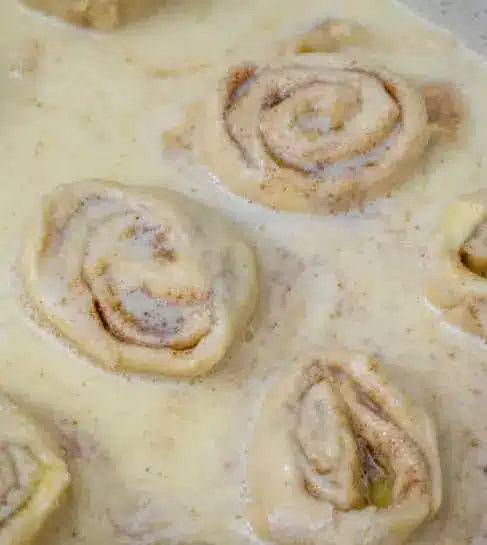
In a separate jug or bowl, whisk together the milk, sugar, vanilla, and that essential pinch of nutmeg. This liquid is the “bath” that defines this southern dessert recipes favorite. Pour the mixture directly over the rolls in the baking dish. It may look like a lot of liquid, and the rolls might even seem to float a little, but don’t be alarmed. During the baking process, the flour from the rolls will help thicken this liquid, and the dough will absorb the moisture, resulting in that famous custard-bottomed finish.
Step 4: Bake Until Golden and Bubbly
Place the dish into a preheated oven and bake until the tops of the rolls are a deep, toasted golden brown and the milk mixture is bubbling and noticeably thickened. You are looking for the rolls to have risen significantly and for the liquid to have transformed into a sauce that coats the back of a spoon. The contrast in textures—the dry, crispy top and the saturated, soft bottom—is what makes this classic southern butter rolls recipe so distinctive and beloved across the South.
Pro Tips for Success
- Tip: Keep your butter and milk as cold as possible when making the dough. Cold fat creates steam pockets during baking, which is the secret to a light and airy roll.
- Tip: Don’t skimp on the nutmeg. While cinnamon is the star of the filling, the nutmeg in the milk bath provides the authentic “old-fashioned” flavor that distinguishes this recipe from others.
- Tip: Use a glass or ceramic baking dish. These materials distribute heat evenly, which helps the milk reduce into a consistent custard without scorching the bottom.
- Tip: Let the rolls rest for 5–10 minutes after taking them out of the oven. This allows the sauce to finish thickening and makes the rolls easier to serve without the custard being too runny.
- Tip: If the tops are browning too quickly before the milk has thickened, loosely tent the dish with aluminum foil for the final 10 minutes of baking.
How to Serve Your Butter Rolls
When serving a classic southern butter rolls recipe, presentation is simple but vital. These are best served warm, ideally just a few minutes after they come out of the oven. Use a large spoon to scoop out a roll, making sure to get plenty of the thickened custard sauce from the bottom of the dish to pour over the top. The sauce acts as a built-in glaze that soaks into the flaky layers of the roll.
While these are perfectly decadent on their own, a scoop of high-quality vanilla bean ice cream is a popular addition. The cold ice cream melts into the warm custard, creating an even richer experience. For a bit of contrast, some enjoy serving them with a side of tart fresh berries to balance the heavy sweetness. Because they are so rich, they are often served in shallow bowls rather than on plates to contain every drop of the precious sweet milk sauce.
Storage and Make-Ahead
Storing Leftovers
If you have leftovers, they should be stored in an airtight container in the refrigerator once they have cooled to room temperature. They will keep well for up to 3 days. Note that the rolls will continue to absorb the sauce as they sit, so they may become softer over time. This isn’t necessarily a bad thing, as many people actually prefer the “day two” texture when the rolls have fully integrated with the custard.
Reheating
To preserve the texture, avoid the microwave if possible, as it can make the dough rubbery. Instead, place the rolls in an oven-safe dish, add a tiny splash of milk to the bottom if the sauce has dried out, and warm them in a 300°F (150°C) oven until heated through. This helps the top regain a bit of its original crispness while gently loosening the custard sauce.
Making It Ahead
You can prepare the dough and roll it up with the filling a few hours in advance. Keep the sliced rolls covered in the refrigerator. However, do not pour the milk bath over them until you are ready to put them in the oven. If the dough sits in the liquid for too long before baking, it will become overly soggy and won’t rise properly during the baking process.
Final Thoughts
Mastering a classic southern butter rolls recipe is more than just learning a new dessert; it is about embracing a style of cooking that values simplicity and soul. There is something deeply satisfying about watching a few humble ingredients transform into a decadent, custard-filled masterpiece. Whether you serve these for a Sunday family dinner or as a special holiday treat, they are guaranteed to evoke a sense of home. The combination of flaky pastry and sweet cream is a timeless duo that proves that sometimes, the oldest recipes are truly the best.
Frequently Asked Questions
Can I use yeast dough instead of biscuit dough?
While some modern variations use a yeast-based sweet dough, the classic southern butter rolls recipe traditionally uses a chemically leavened biscuit dough. Using yeast will result in a fluffier, more bread-like roll that absorbs the milk differently. If you prefer a lighter, airier texture, you can certainly use yeast, but the “quick” biscuit method is what gives this dish its authentic, rustic character.
Why did my milk bath not thicken into a custard?
The thickening usually happens because of two factors: the evaporation of the milk and the starch from the flour in the rolls. If your sauce is too thin, it may be because the oven temperature was too low or the rolls didn’t bake long enough. Ensure you are using whole milk, as the fat content is essential for that creamy, rich mouthfeel that defines sweet milk rolls.
Can I freeze southern butter rolls?
It is not recommended to freeze these rolls once the milk bath has been added, as the dairy and the dough will separate and become mushy upon thawing. However, you can freeze the unbaked, sliced rolls (the dough and filling part) for up to a month. When you are ready to bake, thaw them in the fridge, place them in the dish, add the fresh milk bath, and bake as directed.
Is there a substitute for nutmeg?
If you truly dislike nutmeg, you can omit it, but you will lose a key element of the traditional flavor. Mace is the closest substitute, as it comes from the same plant and has a similar but milder flavor profile. Some people use a tiny bit of allspice, but use it sparingly as it can be quite overpowering compared to the delicate nature of the old-fashioned butter rolls sauce.
Do I have to use whole milk?
For the best results, yes. Whole milk provides the necessary fat to create a thick, luscious sauce. If you use 1% or skim milk, the “bath” will remain watery and won’t have that signature pudding-like consistency at the bottom of the pan. If you only have lower-fat milk on hand, you can whisk in a tablespoon of heavy cream to help boost the fat content.
Southern Butter Rolls

An old-fashioned Southern favorite, these rolls are soft, fluffy, and baked in a rich, sweet, and creamy butter custard sauce. A comforting classic perfect for Sunday dinner or dessert.
- Dough
- 2 1/4 tsp Active Dry Yeast
- 1/4 cup Warm Water (110°F)
- 1/2 cup Whole Milk, warmed
- 1/4 cup Granulated Sugar
- 1/4 cup Unsalted Butter, softened
- 1 tsp Salt
- 1 Large Egg
- 3 to 3 1/2 cups All-Purpose Flour
- Filling & Sauce
- 1/2 cup Unsalted Butter, softened
- 1 cup Granulated Sugar, divided
- 1 tsp Ground Nutmeg
- 2 cups Whole Milk
- 1 tbsp Vanilla Extract
- 1In a small bowl, dissolve yeast in warm water and let it sit for 5-10 minutes until foamy.
- 2In a large mixing bowl, combine the warmed milk, 1/4 cup sugar, softened butter, salt, and egg. Stir in the yeast mixture.
- 3Gradually add flour, one cup at a time, until a soft dough forms. Knead on a lightly floured surface for 5-7 minutes until smooth.
- 4Place dough in a greased bowl, cover, and let rise in a warm place until doubled in size, about 1 to 1.5 hours.
- 5Punch down dough and roll into a large rectangle (approx. 12x18 inches). Spread the 1/2 cup softened butter over the dough. Sprinkle with 1/2 cup of the sugar and the nutmeg.
- 6Roll the dough up tightly starting from the long side. Slice into 12 even rolls and place them in a greased 9x13 inch baking dish.
- 7In a separate bowl, whisk together the remaining 1/2 cup sugar, 2 cups milk, and vanilla extract. Pour this mixture over the rolls in the pan.
- 8Bake at 350°F (175°C) for 30-35 minutes or until the rolls are golden brown and the sauce has thickened into a custard.
Keywords: Southern recipes, butter rolls, custard rolls, homemade bread, vintage desserts


