
New Screening Option: A Less Invasive Way to Examine the Colon

When it comes to proactive health, few things carry as much weight as preventative screenings. However, for many adults, the word “colonoscopy” often triggers a sense of hesitation or anxiety due to the required preparation and the invasive nature of the procedure. Fortunately, medical advancements have paved the way for less invasive colon cancer screening options that make staying on top of your digestive health more accessible than ever before. These modern alternatives provide a bridge between doing nothing and undergoing a full sedative procedure, offering a variety of ways to detect potential issues from the comfort of home or through simplified clinical visits.
The beauty of these emerging technologies is that they prioritize patient comfort without entirely sacrificing the goal of early detection of colorectal cancer. By understanding the different methods available, you can have a more informed conversation with your healthcare provider about which path fits your lifestyle, risk factors, and personal preferences. Whether you are looking for a simple mail-in kit or a high-tech imaging solution, the goal remains the same: catching changes early when they are most treatable.
Why You’ll Appreciate Less Invasive Options
- Increased Convenience: Many of these tests can be performed entirely at home, removing the need for time off work or coordinating a ride home after a sedative procedure.
- No Intensive Preparation: Unlike a traditional colonoscopy, most at-home screening options do not require the rigorous liquid diet or laxative “prep” that many patients find difficult to complete.
- Reduced Anxiety: For those with a phobia of medical procedures or anesthesia, a non-invasive approach provides a stress-free way to maintain a regular screening schedule.
- Early Detection: These tests are designed to find signs of cancer or advanced polyps at a stage where intervention is highly effective, potentially saving lives through consistent monitoring.
Understanding Your Screening Choices
Navigating the world of preventative care can feel overwhelming, but less invasive colon cancer screening generally falls into two categories: stool-based tests and specialized imaging. Stool-based tests look for hidden blood or DNA changes that could indicate the presence of polyps or cancer, while imaging tests provide a visual look at the colon without the use of a traditional scope. Both paths offer a significantly different experience than the standard surgical approach.
- Fecal Immunochemical Test (FIT): This is a simple, non-invasive stool tests option used once a year. It uses antibodies to detect blood in the stool that isn’t visible to the naked eye, which can be an early warning sign of abnormalities.
- Stool DNA Testing (Cologuard): This more advanced kit looks for both hidden blood and specific DNA markers associated with colon cancer and precancerous polyps. It is typically performed every three years for those at average risk.
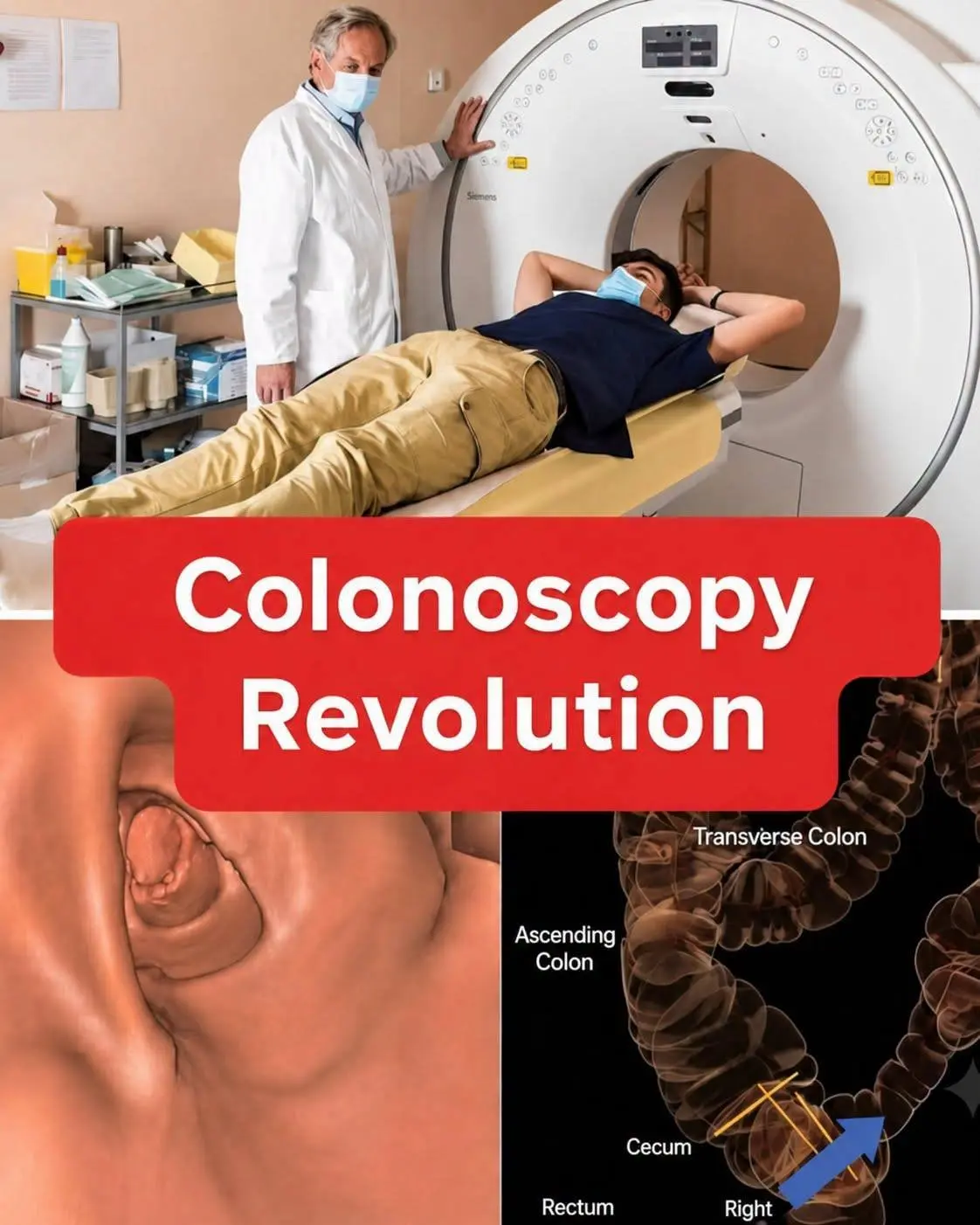
- CT Colonography: Often referred to as a virtual colonoscopy, this method uses a high-speed CT scanner to create 2D and 3D images of the colon and rectum. While it still requires some bowel prep, it does not require sedation or a long recovery time.
- Blood-Based Screening: New FDA-approved blood tests are entering the market, offering a way to screen for cancer markers through a simple blood draw during a routine physical, though they are currently recommended primarily for those who cannot or will not use other methods.
The Benefits of Staying Proactive
The primary reason for the push toward less invasive colon cancer screening is to increase the number of people who actually follow through with their health checks. When a test is perceived as easy and painless, compliance rates skyrocket. Early detection of colorectal cancer is the single most important factor in long-term survival rates, as early-stage issues are often asymptomatic. By choosing a method that feels manageable, you are significantly reducing the risk of a late-stage diagnosis.
Furthermore, these tests empower you to take charge of your wellness. For individuals with a busy schedule or those living in remote areas, at-home screening options eliminate the barriers of travel and clinical wait times. It turns a major medical event into a simple, private task that can be integrated into a standard yearly health routine alongside cholesterol checks and blood pressure monitoring.
Important Cautions and Limitations
While the ease of less invasive colon cancer screening is a major advantage, it is vital to understand its limitations. These tests are primarily designed to detect cancer rather than prevent it. A traditional colonoscopy is unique because it allows a doctor to both find and remove polyps during the same procedure, stopping cancer before it even starts. In contrast, stool-based or imaging tests are purely diagnostic. If a non-invasive stool tests result comes back positive or abnormal, a follow-up traditional colonoscopy is always required to investigate the cause and remove any growths.
Additionally, these alternatives are generally recommended for individuals at average risk. If you have a family history of colorectal cancer, a personal history of inflammatory bowel disease (IBD), or are experiencing active symptoms like persistent abdominal pain or rectal bleeding, your physician will likely recommend a traditional colonoscopy as the first line of defense. Always consult with a qualified healthcare professional to determine if a virtual colonoscopy or a DNA test is the right fit for your specific medical history and risk profile.
How to Choose the Right Test for You
Selecting the best less invasive colon cancer screening method depends on your comfort level with medical procedures, your insurance coverage, and how often you want to be tested. If you prefer a “one and done” approach for several years, a DNA-based stool test might be the right fit. If you are comfortable with a yearly habit, a FIT test is remarkably simple and cost-effective. For those who want a visual confirmation but cannot undergo sedation, a virtual colonoscopy offers a middle ground.
When discussing these options with your doctor, ask about the “sensitivity” (how well the test finds cancer) and “specificity” (how often it gives a false positive) of each method. It is also worth checking with your insurance provider, as many plans cover at-home screening options for those over age 45, but coverage for follow-up procedures can vary. Making an informed choice ensures that you stay consistent with your screenings, which is the most effective way to protect your digestive health over the long term.
Final Thoughts
The landscape of preventative medicine is shifting toward patient-centered care, and the rise of less invasive colon cancer screening is a perfect example of this progress. You no longer have to choose between a daunting invasive procedure and doing nothing at all. By utilizing non-invasive stool tests or advanced imaging, you can prioritize early detection of colorectal cancer without the stress of traditional “prep” or anesthesia. Remember, the best screening test is the one that actually gets done. Take a moment to speak with your doctor about these modern alternatives and find the path that keeps you healthy, comfortable, and informed.
Frequently Asked Questions
Are less invasive tests as accurate as a traditional colonoscopy?
While a traditional colonoscopy remains the “gold standard” because it can both detect and remove polyps, less invasive colon cancer screening options like DNA stool tests are highly effective at detecting actual cancer. They are excellent for those at average risk, but they may have a higher rate of false positives or miss certain smaller, flat polyps that a visual scope would catch.
What should I do if my at-home test comes back positive?
An abnormal or positive result on a non-invasive stool tests or virtual colonoscopy does not necessarily mean you have cancer. However, it does mean that there is a sign of potential trouble that needs further investigation. In this scenario, your doctor will schedule a diagnostic colonoscopy to visually inspect the colon and remove any polyps or take biopsies as needed.
Do at-home colon cancer kits require any special diet?
One of the biggest draws of at-home screening options is the lack of a restrictive diet. For most stool-based tests, you can continue eating and drinking normally. However, some older versions of the guaiac-based fecal occult blood test (gFOBT) might require you to avoid certain foods like red meat or specific medications for a few days, so always read the kit instructions carefully.
At what age should I start using these screening methods?
Current health guidelines in the United States generally recommend that individuals at average risk begin less invasive colon cancer screening at age 45. Depending on the results and the specific type of test you choose, you will continue screening every one, three, or five years until age 75 or 85, as advised by your healthcare provider.
Is a virtual colonoscopy painful?
A virtual colonoscopy is generally not considered painful, though it can be slightly uncomfortable. It involves a small tube inserted a short distance into the rectum to gently inflate the colon with air or carbon dioxide so the CT scanner can get a clear view. While there is a feeling of fullness or bloating during the procedure, it subsides quickly once the air is released, and no sedation is required.
Colon Health High-Fiber Salad

Inspired by the importance of digestive wellness and new screening options, this high-fiber salad is designed to support a healthy colon using nutrient-dense ingredients.
- 2 cups chopped organic kale
- 1 cup cooked tri-color quinoa
- 1 large sweet potato, cubed
- 1/2 cup organic chickpeas, rinsed
- 1/4 cup raw pumpkin seeds
- 2 tbsp extra virgin olive oil
- 1 tbsp fresh lemon juice
- 1Preheat oven to 400°F (200°C) and line a baking sheet with parchment paper.
- 2Toss sweet potato cubes with 1 tablespoon of olive oil and bake for 25 minutes.
- 3In a large mixing bowl, massage the kale with the remaining olive oil until soft.
- 4Add the roasted sweet potatoes, quinoa, chickpeas, and pumpkin seeds to the bowl.
- 5Drizzle with lemon juice, season lightly, and toss well before serving.
Keywords: colon health, fiber-rich, gut health, vegetarian, clean eating


