
Ground Beef Vegetable Skillet

Finding a dinner that satisfies a craving for something hearty while still feeling light and nutritious is the ultimate weeknight win. This ground beef vegetable skillet recipe delivers exactly that, combining savory protein with a vibrant rainbow of fresh produce. It is the kind of meal that feels substantial without being heavy, relying on the natural sweetness of sautéed peppers and the earthy richness of well-browned beef to do the heavy lifting. Whether you are trying to clear out the crisper drawer or looking for a reliable healthy meal prep option, this skillet meal is designed for efficiency and maximum flavor payoff.
The beauty of a one-pan meal like this lies in the layering of flavors. By searing the meat first and then using those flavorful browned bits to season the vegetables, you create a cohesive dish where every bite is seasoned perfectly. It is an easy weeknight dinner that bridges the gap between a quick stir-fry and a comforting hash, making it versatile enough for a busy Tuesday or a relaxed Sunday evening. With minimal cleanup and a focus on fresh, accessible ingredients, it is a recipe that quickly earns its place in the regular rotation.
Why This Recipe Is a Keeper
- One-Pan Simplicity: Because everything happens in a single skillet, you save time on cleanup and keep the kitchen manageable, even on your busiest nights.
- Nutrient-Dense Profile: This dish is packed with fiber and vitamins from the diverse vegetable mix, making it a naturally low carb dinner that doesn’t sacrifice satisfaction.
- Customizable Comfort: The base recipe is incredibly forgiving, allowing you to swap vegetables or adjust seasonings based on what you have on hand or your family’s specific preferences.
- Exceptional Leftovers: Unlike many quick meals, the flavors in this ground beef vegetable skillet recipe actually deepen overnight, making it a premier choice for next-day lunches.
Ingredients You’ll Need
The success of this one-pan meal depends on high-quality basics that provide a foundation of savory, aromatic, and fresh notes. Each component plays a specific role in balancing the richness of the beef with the brightness of the vegetables.
- Ground Beef: Lean ground beef (90/10 or 93/7) works best here to provide plenty of protein without leaving the dish feeling overly greasy.
- Bell Peppers: Using a mix of red, yellow, or orange peppers adds a necessary sweetness and a beautiful visual pop to the skillet.
- Zucchini: This vegetable acts as a sponge for the savory juices, softening just enough to provide a tender texture without becoming mushy.
- Yellow Onion: A classic aromatic that provides a sweet, caramelized base once sautéed, anchoring the other savory flavors.
- Fresh Garlic: Minced finely, garlic provides that essential pungent depth that elevates the beef and ties the vegetables together.
- Smoked Paprika: This adds a subtle, woodsy undertone that mimics the flavor of an outdoor grill, giving the beef a more complex profile.
- Beef Broth: A small splash helps to deglaze the pan and creates a very light sauce that keeps the beef moist and flavorful.
- Dried Oregano and Thyme: These earthy herbs provide a Mediterranean-inspired aromatic finish that complements the fresh vegetables.
Easy Ways to Change It Up
Protein Swaps: While this is a ground beef vegetable skillet recipe at its core, you can easily substitute ground turkey or ground chicken for a leaner profile. If you use poultry, you may need an extra teaspoon of olive oil, as these meats have less natural fat to help brown the vegetables.
Spice-Level Changes: For those who enjoy a bit of heat, adding crushed red pepper flakes during the last few minutes of cooking provides a localized kick. Alternatively, a diced jalapeño sautéed with the onions offers a more integrated, sharp spice throughout the dish.
Vegetable Variations: If zucchini isn’t your favorite, try using halved Brussels sprouts or chopped asparagus. Root vegetables like sweet potatoes also work well, though they require a longer cooking time or should be par-boiled before adding to the skillet.
Flavor Profiles: Turn this into a Mexican-inspired dish by swapping the paprika and oregano for cumin and chili powder, then finishing the skillet with a squeeze of fresh lime and a handful of chopped cilantro.
How to Make This Ground Beef Vegetable Skillet Recipe
Step 1: Brown the Beef and Build the Flavor Base
Start by heating a large, heavy-bottomed skillet over medium-high heat. Add the ground beef, breaking it apart with a wooden spoon or spatula into bite-sized crumbles. The goal here is to achieve a deep, golden-brown sear on the meat rather than just graying it. This browning process, known as the Maillard reaction, is what creates the savory foundation of the easy weeknight dinner. Once the beef is fully cooked and browned, remove it from the skillet and set it aside, leaving just enough rendered fat in the pan to cook the vegetables.
Step 2: Sauté the Aromatics
In the same skillet, add your diced onions. By using the fat left behind by the beef, the onions will pick up all the savory bits stuck to the bottom of the pan. Sauté the onions for about three to five minutes until they become translucent and slightly golden at the edges. This step is crucial for building a sweet and savory base. Add the minced garlic during the last minute of this process, stirring constantly to ensure it becomes fragrant without scorching, which can lead to bitterness.
Step 3: Soften the Hearty Vegetables
Add the bell peppers and any other firm vegetables you are using to the skillet. Increase the heat slightly if needed to maintain a sizzle. You want the peppers to soften but still retain a bit of “snap” or structural integrity. Season the vegetables with salt, pepper, and your dried herbs at this stage. Seasoning the vegetables directly, rather than just seasoning the meat, ensures that every component of this one-pan meal is flavorful in its own right.
Step 4: Incorporate the Zucchini and Deglaze
Add the sliced zucchini and the reserved browned beef back into the pan. Zucchini cooks much faster than peppers or onions, so adding it later prevents it from turning into a puree. Pour in a small amount of beef broth and use your spatula to scrape up any remaining brown bits from the bottom of the pan. Cover the skillet for two to three minutes; the steam generated will finish cooking the zucchini to a perfect tender-crisp texture while re-hydrating the beef.
Step 5: The Final Toss and Garnish
Remove the lid and give everything a final toss to ensure the light sauce has coated all the ingredients. Taste the mixture and adjust the salt or pepper as needed. If you want a bit of acidity to brighten the dish, a small splash of red wine vinegar or a squeeze of lemon juice can be added right at the end. This final touch cuts through the richness of the beef and makes the vegetable flavors pop before you serve your healthy meal prep creation.
Pro Tips for Success
- Don’t Crowd the Pan: If your skillet is too small, the vegetables will steam rather than sauté. Use the largest skillet you own to ensure everything has enough surface area to brown properly.
- Drain Excess Fat: If you use a higher-fat beef, be sure to drain the excess liquid after browning. You only need about a tablespoon of fat to sauté the vegetables effectively.
- Cut Uniformly: Try to chop your vegetables into similar sizes. This ensures that every piece of pepper and onion reaches the ideal texture at the same time.
- High Heat for Searing: When browning the meat, keep the heat high. A lower heat will cause the meat to boil in its own juices, preventing that delicious crust from forming.
- Fresh Herbs at the End: If you have fresh parsley or basil, stir them in just before serving. Fresh herbs lose their vibrancy quickly under heat, so they are best used as a finishing touch.
Troubleshooting Common Problems
Why Is My Skillet Too Watery?
Vegetables like zucchini and mushrooms release a significant amount of water when they cook. If your skillet looks more like a soup, remove the lid and turn the heat to high for two minutes. This allows the excess moisture to evaporate quickly while concentrating the flavors of the sauce.
Why Is the Beef Dry?
Dry beef usually happens when it is overcooked or if the heat was too high for too long after the meat was returned to the pan. To fix this, add another tablespoon or two of beef broth or even a little bit of butter to the skillet and toss everything together to reintroduce moisture.
The Vegetables Are Mushy But the Beef Is Great
This is often the result of adding all the vegetables at once. Heartier vegetables like onions and peppers need a head start over delicate ones like zucchini or spinach. In the future, follow a staggered approach to ensure every ingredient hits its peak texture simultaneously.
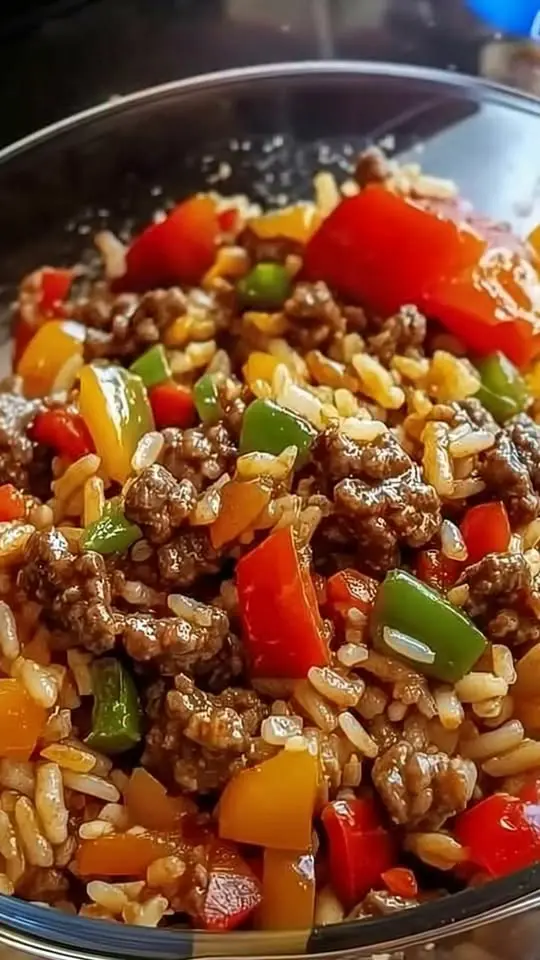
How to Serve This Ground Beef Vegetable Skillet
One of the best things about a ground beef vegetable skillet recipe is how many ways you can bring it to the table. For those following a strict low carb dinner plan, this dish is completely satisfying on its own, perhaps topped with a dollop of Greek yogurt or a sprinkle of feta cheese to add a creamy element.
Classic Accompaniments
If you aren’t watching carbs, serving this over a bed of fluffy white rice, quinoa, or farro is the traditional way to go. The grains act as a perfect vehicle for the light pan sauce. You can also serve it alongside some crusty sourdough bread to soak up any remaining juices at the bottom of the bowl.
Creative Presentation
For a fun twist, use the skillet mixture as a filling for stuffed peppers or even as a topping for a baked potato. It also works surprisingly well as a “bowl” base—start with a layer of fresh spinach or kale and spoon the hot skillet mixture directly over the top; the heat from the beef will slightly wilt the greens for a delicious texture contrast.
Storage and Make-Ahead
Storing Leftovers
This recipe is a dream for leftovers. Allow the mixture to cool to room temperature before transferring it to an airtight container. It will stay fresh in the refrigerator for up to four days. Because the ingredients are hearty, the texture remains pleasant even after several days of storage.
Reheating
For the best results, reheat your portions in a small skillet over medium heat with a teaspoon of water or broth. This helps maintain the texture of the vegetables better than a microwave. If you are in a rush, the microwave works fine; just cover the dish with a damp paper towel to prevent the beef from drying out.
Making It Ahead
If you are using this for healthy meal prep, you can chop all the vegetables up to two days in advance. Store the aromatics (onions and garlic) separately from the wetter vegetables (peppers and zucchini). Having everything prepped and ready to go makes the actual cooking time less than fifteen minutes.
Final Thoughts
A ground beef vegetable skillet recipe is a testament to the idea that simple ingredients, when handled with the right technique, can create a meal that is far greater than the sum of its parts. It provides a reliable solution for those nights when you want a home-cooked meal but don’t want to spend hours in the kitchen. By focusing on browning the meat and keeping the vegetables crisp, you ensure a dining experience that is both healthy and deeply satisfying. This versatile skillet is bound to become a staple in your household for years to come.
Frequently Asked Questions
Can I freeze this skillet meal?
Yes, you can freeze this dish, though keep in mind that vegetables like zucchini may become slightly softer upon thawing. To freeze, let the mixture cool completely and store it in a freezer-safe bag for up to three months. Thaw it in the refrigerator overnight before reheating in a skillet to help restore some of the original texture.
Is this recipe suitable for a Keto diet?
Absolutely. This is an excellent low carb dinner as it focuses on high-quality protein and non-starchy vegetables. As long as you don’t serve it over rice or grains, it fits perfectly into a ketogenic or low-carb lifestyle. You can even increase the healthy fats by adding avocado slices on top before serving.
What is the best way to prevent the garlic from burning?
Garlic is very delicate and can turn bitter in seconds if exposed to high heat for too long. Always add your garlic after the onions have already softened and released some of their moisture. Only sauté the garlic for about 30 to 60 seconds—just until you can smell it—before adding the next round of vegetables or liquid to the pan.
Can I use frozen vegetables instead of fresh?
You can use frozen peppers or onions in a pinch, but they will release more water than fresh ones. If using frozen, sauté them on very high heat to encourage the water to evaporate quickly. Avoid using frozen zucchini if possible, as it tends to become quite watery and mushy when thawed and cooked in a skillet setting.
How do I make this dish more filling without adding carbs?
To make this ground beef vegetable skillet recipe more substantial without adding grains, try doubling the amount of beef or adding a can of drained black beans or chickpeas (if your diet allows for legumes). You can also add heartier greens like chopped kale or cabbage, which provide a lot of volume and fiber with very few calories.
Ground Beef Vegetable Skillet

A hearty and nutritious one-pan meal featuring savory ground beef sautéed with a colorful medley of fresh vegetables. This quick dinner is perfect for busy weeknights and is packed with flavor and protein.
- 1 lb lean ground beef
- 1 medium yellow onion, diced
- 2 cloves garlic, minced
- 2 medium zucchinis, sliced into half-moons
- 1 red bell pepper, chopped
- 1 cup sweet corn kernels
- 1 tsp dried oregano
- 1/2 tsp smoked paprika
- Salt and black pepper to taste
- 1 tbsp olive oil
- 1In a large skillet, heat olive oil over medium-high heat. Add the ground beef and cook until browned, breaking it up with a spatula. Drain excess fat.
- 2Add the onion and garlic to the skillet and sauté for 3-4 minutes until the onion is translucent.
- 3Stir in the zucchinis and red bell pepper. Cook for 6-8 minutes, stirring occasionally, until the vegetables are tender-crisp.
- 4Mix in the corn, oregano, and smoked paprika. Season generously with salt and pepper.
- 5Cook for an additional 2 minutes until the corn is heated through. Serve immediately.
Keywords: ground beef, skillet dinner, vegetable skillet, one-pan meal, healthy dinner, easy recipes, 30-minute meals


