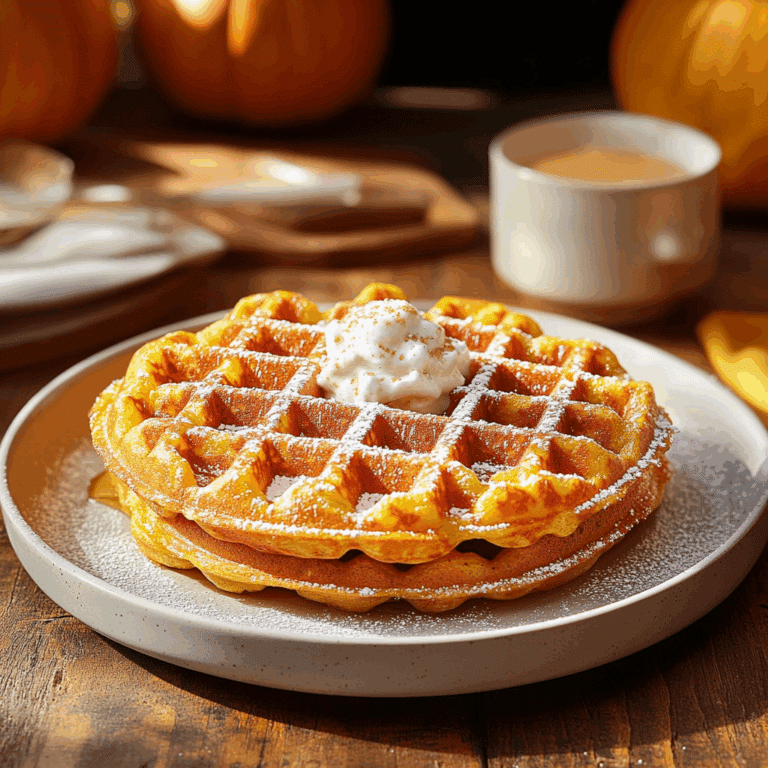
English Muffins

If you’re craving a fresh, fluffy, and perfectly golden treat, English Muffins are the answer. These delightful breads offer a unique texture that is crisp on the outside yet soft and tender on the inside, ideal for breakfast or anytime snacks. Whether you enjoy them toasted with butter, layered with jam, or as the base for eggs Benedict, making your own English Muffins at home is easier and more rewarding than you might think. Discover simple and delicious English Muffins recipes perfect for breakfast or snacks with easy steps to make fresh, fluffy muffins today!
Why You’ll Love This Recipe
- Homemade freshness: Nothing beats the aroma and taste of freshly baked English Muffins straight from your kitchen.
- Fluffy texture: Achieve the perfect nooks and crannies that hold butter and jam beautifully.
- Simple ingredients: Made from a handful of pantry staples that you likely already have on hand.
- Versatile: Ideal for breakfast, snacks, or even as sandwich bases for any time of day.
- Fun and rewarding: A hands-on recipe that’s great for cooks of all levels to enjoy making.
Ingredients You’ll Need
English Muffins require a short list of straightforward yet essential ingredients, each playing a key role in flavor, texture, and appearance. Using quality flour and a touch of sugar ensures lightness and a soft crumb, while a pinch of salt balances all the flavors beautifully.
- All-purpose flour: Provides the structure necessary for soft and fluffy muffins.
- Active dry yeast: The leavening agent that makes your muffins rise and develop light air pockets.
- Sugar: Just a hint to feed the yeast and add a touch of sweetness.
- Salt: Enhances the overall flavor and balances the sweetness.
- Milk: Adds moisture and richness for a tender crumb.
- Butter: Gives a delicious buttery flavor and softens the dough.
- Cornmeal: Used for dusting, it helps give that classic crunchy exterior and prevents sticking.
Variations for English Muffins
Customizing your English Muffins is a breeze. Whether you want to experiment with flavors, add texture, or accommodate dietary preferences, these variations can easily elevate your recipe to suit your taste.
- Whole wheat version: Replace half the flour with whole wheat for a nuttier, healthier muffin.
- Herb-infused muffins: Add rosemary, thyme, or chives for an aromatic twist.
- Gluten-free option: Use a gluten-free flour blend suitable for yeast breads with excellent rising properties.
- Sweet cinnamon sugar: Sprinkle cinnamon sugar on top before cooking for a sweet breakfast treat.
- Cheese-studded muffins: Mix shredded cheddar or parmesan into the dough for a savory delight.

How to Make English Muffins
Step 1: Activate the Yeast
Start by warming your milk until it’s warm to the touch but not hot, then sprinkle the active dry yeast and sugar over it. Let it sit for about 5 to 10 minutes until it becomes frothy, signaling that the yeast is alive and ready to work.
Step 2: Mix the Dough
In a large bowl, combine the flour and salt, then pour in the yeast mixture along with melted butter. Stir gently until a shaggy dough forms, then knead on a floured surface for about 8 to 10 minutes until smooth and elastic.
Step 3: First Rise
Place the dough in a lightly greased bowl, cover it with a clean towel or plastic wrap, and let it rise in a warm spot for an hour or until doubled in size. This rest allows the gluten to develop and the dough to become airy.
Step 4: Shape the Muffins
Gently deflate the dough and turn it out onto a floured surface. Roll it out to about 1/2-inch thickness. Using a round cutter (about 3 to 4 inches), cut out circles and lay them on a baking sheet dusted with cornmeal to prevent sticking.
Step 5: Second Rise
Cover the shaped muffins loosely and let them rise again for about 30 minutes, letting the dough relax and grow just before cooking.
Step 6: Cook on the Griddle
Heat a lightly greased skillet or griddle over medium-low heat. Cook the muffins for about 7 to 10 minutes on each side until golden brown, flipping carefully to avoid deflating. You’ll see the signature nooks and crannies forming during this process.
Step 7: Cool and Split
Let the cooked English Muffins cool completely before splitting them open with a fork or serrated knife to reveal that perfect texture inside, ready for toasting and topping.
Pro Tips for Making English Muffins
- Patience with rising: Allow the dough to double in size for the best texture and flavor development.
- Use a fork to split: Splitting with a fork creates the traditional nooks and crannies perfect for holding butter and jam.
- Medium-low heat cooking: Maintain a gentle heat to cook muffins evenly without burning the exterior.
- Cornmeal dusting: Prevent sticking and add a slight crunch by generously dusting the baking surface with cornmeal.
- Storage: Cool completely before storing to avoid sogginess.
How to Serve English Muffins
Garnishes
English Muffins are a versatile base perfect for spreading with butter, honey, or your favorite jams and marmalades. For savory options, add cream cheese, smashed avocado, or sliced smoked salmon to elevate your breakfast or snack.
Side Dishes
Pair your English Muffins with crispy bacon, fresh fruit, or a colorful side salad to create a balanced, satisfying meal perfect for any time of day.
Creative Ways to Present
Try using English Muffins as a platform for mini sandwiches, burgers, or even pizza bases by topping with tomato sauce, cheese, and herbs, then broiling for a quick and fun treat.
Make Ahead and Storage
Storing Leftovers
Store cooled English Muffins in an airtight container or resealable bag at room temperature for up to three days to maintain freshness without drying them out.
Freezing
For longer storage, freeze your English Muffins by wrapping them individually in plastic wrap and placing them in a freezer bag. They freeze well for up to three months without losing quality.
Reheating
Reheat frozen muffins by toasting directly from the freezer for a crisp outside and warm, fluffy inside. Alternatively, microwave for 15 to 20 seconds, then toast lightly for the best texture.
FAQs
Can I make English Muffins without yeast?
Yeast is essential for the traditional texture and flavor of English Muffins, so skipping it isn’t recommended. However, baking powder can be used for a quicker, but different, bread-like substitute.
What is the best flour for English Muffins?
All-purpose flour is ideal for English Muffins, providing the right balance of protein for structure while keeping the muffins tender and soft.
Why do my English Muffins turn out dense?
Dense muffins usually result from underproofing the dough or using water that’s too hot and killing the yeast. Proper rising time and tempered liquids ensure lightness.
Can I add flavorings to the dough?
Absolutely! Cinnamon, vanilla, herbs, or even cheese can be mixed in for personalized English Muffins with a twist.
How do I know when my English Muffins are cooked?
They are done when both sides are golden brown and a toothpick inserted in the center comes out clean. The muffins should feel firm but springy.
Final Thoughts
Making homemade English Muffins is a delightful culinary adventure that fills your kitchen with warmth and irresistible aromas. With simple ingredients and easy steps, you can enjoy fresh, fluffy muffins any day of the week. So go ahead and try this English Muffins recipe today—once you taste the difference, it might become your new breakfast favorite!
Related Posts
PrintEnglish Muffins

Homemade English Muffins are a fresh, fluffy, and golden breakfast treat with a unique texture—crispy outside and soft inside. Perfect toasted with butter, jam, or as a base for eggs Benedict, this recipe uses simple pantry staples and easy steps to create delightful muffins with characteristic nooks and crannies.
- Prep Time: 2 hours
- Cook Time: 20 minutes
- Total Time: 2 hours 20 minutes
- Yield: 8 to 10 English Muffins 1x
- Category: Breakfast
- Method: Griddle Cooking
- Cuisine: British
- Diet: Vegetarian
Ingredients
Main Ingredients
- 3 1/2 cups all-purpose flour
- 2 tsp active dry yeast
- 1 tbsp sugar
- 1 tsp salt
- 1 1/4 cups warm milk (around 110°F / 43°C)
- 3 tbsp melted butter
- Cornmeal, for dusting
Instructions
- Activate the Yeast: Warm the milk until it is warm to the touch but not hot. Sprinkle the active dry yeast and sugar over the milk and let it sit for 5 to 10 minutes until frothy, showing the yeast is active.
- Mix the Dough: In a large bowl, combine the flour and salt. Pour in the yeast mixture and melted butter. Stir gently until a shaggy dough forms, then knead on a floured surface for 8 to 10 minutes until smooth and elastic.
- First Rise: Place the dough in a lightly greased bowl, cover with a clean towel or plastic wrap, and let rise in a warm spot for about 1 hour or until doubled in size.
- Shape the Muffins: Gently deflate the risen dough and turn it onto a floured surface. Roll it out to about 1/2-inch thickness. Use a 3 to 4 inch round cutter to cut out circles. Place the circles on a baking sheet dusted with cornmeal to prevent sticking.
- Second Rise: Cover the shaped muffins loosely and let them rise again for about 30 minutes to relax and puff up slightly before cooking.
- Cook on the Griddle: Heat a lightly greased skillet or griddle over medium-low heat. Cook the muffins 7 to 10 minutes per side until golden brown and cooked through, flipping carefully to preserve their airiness and to develop the characteristic nooks and crannies.
- Cool and Split: Allow the muffins to cool completely before splitting them open with a fork or serrated knife, revealing the soft, tender interior ready for toasting and topping.
Notes
- Allow dough to fully double in size for best texture and flavor.
- Use a fork to split muffins for classic nooks and crannies.
- Cook on medium-low heat to avoid burning and ensure even cooking.
- Dust baking surfaces generously with cornmeal to prevent sticking and add crunch.
- Cool muffins completely before storing to prevent sogginess.
Nutrition
- Serving Size: 1 English Muffin
- Calories: 140
- Sugar: 2g
- Sodium: 180mg
- Fat: 4g
- Saturated Fat: 2.5g
- Unsaturated Fat: 1.2g
- Trans Fat: 0g
- Carbohydrates: 22g
- Fiber: 1g
- Protein: 4g
- Cholesterol: 15mg
Keywords: English Muffins, homemade bread, breakfast muffins, griddle bread, traditional English muffins, fluffy muffins