
BBQ Ribs

Achieving the perfect balance of a smoky bark, a tender bite, and a signature mahogany glaze is the ultimate goal for any backyard pitmaster. This best smoked bbq ribs recipe delivers exactly that, focusing on the low-and-slow technique that transforms a tough rack of pork into a succulent masterpiece. Whether you are using a pellet grill, an offset smoker, or a ceramic egg, the secret lies in the patience of the process and the layering of flavors, from the initial dry rub to the final sticky lacquer of sauce.
The beauty of this method is its reliability. By following a structured approach to heat management and moisture control, you can produce fall-off-the-bone tender results every single time. We are moving beyond basic grilling and entering the world of true barbecue, where the smoke becomes an ingredient itself, infusing the meat with a complexity that simply cannot be replicated in an oven. This guide will walk you through the nuances of the “3-2-1 method,” ensuring your next cookout is the stuff of local legend.
Why You’ll Love This Recipe
- Unmatched Texture: By utilizing a multi-stage cooking process, the meat reaches a state of perfect tenderness where it pulls cleanly away from the bone without being mushy.
- Deep Flavor Profile: The combination of a balanced dry rub, fruitwood smoke, and a sweet-and-tangy glaze creates a multi-dimensional hickory smoked ribs experience that hits every taste bud.
- Foolproof Technique: The structured timing takes the guesswork out of smoking, making it accessible for beginners while still producing professional-level results that seasoned pros respect.
- Customizable Heat: You have total control over the spice levels, allowing you to tilt the recipe toward a sweet Kansas City style or a spicy Memphis-inspired finish.
Ingredients You’ll Need
Before you fire up the smoker, it is essential to gather high-quality components. Barbecue is a minimalist art form, which means the quality of your pork and the freshness of your spices will directly impact the final flavor. Here is what you need to master this st louis style ribs preparation.
- Pork Ribs: While baby backs are popular, many enthusiasts prefer St. Louis-cut spare ribs for their higher fat content and uniform shape, which leads to more even cooking and better flavor.
- Homemade Dry Rub: A blend of brown sugar for caramelization, smoked paprika for color, and a mix of garlic and onion powders creates the foundational homemade dry rub that builds the bark.
- Apple Juice or Cider Vinegar: Used as a “spritz,” these liquids provide essential moisture during the first few hours of smoking, preventing the edges from drying out and helping the smoke adhere to the meat.
- Unsalted Butter: Adding thin pats of butter during the wrapping stage introduces a luxurious richness that braises the meat, contributing to that sought-after “melt-in-your-mouth” quality.
- Honey or Agave: This provides a floral sweetness and helps create the glossy, sticky shine that makes the ribs look as good as they taste.
- High-Quality BBQ Sauce: Choose a sauce that complements your rub; a tomato-based sauce with a hint of hickory or applewood works beautifully with this specific smoking profile.
- Yellow Mustard: Used sparingly as a “binder,” mustard helps the dry rub stick to the ribs without altering the final flavor of the meat once it has finished cooking.
Variations and Smart Swaps
The Fruitwood Switch: While hickory is a classic for pork, you can swap it for apple, cherry, or pecan wood for a milder, sweeter smoke profile. Cherry wood, in particular, provides a stunning deep red hue to the meat.
Spice Level Adjustments: If you prefer a kick, add half a teaspoon of cayenne pepper or chipotle powder to your rub. Conversely, for a more “kid-friendly” version, increase the brown sugar and decrease the black pepper.
Sugar-Free Alternatives: For those watching their sugar intake, you can replace the brown sugar in the rub with a granulated monk fruit sweetener and use a keto-friendly BBQ sauce during the final glazing stage.
How to Make the Best Smoked BBQ Ribs Recipe
Step 1: Prep the Meat and Remove the Membrane
The first step toward professional-grade ribs is removing the silverskin, or membrane, from the back of the rack. This tough connective tissue prevents the rub and smoke from penetrating the meat and becomes leathery when cooked. Use a butter knife to pry up a corner of the membrane, then grab it with a paper towel for a firm grip and pull it away in one clean motion. Once removed, apply a thin layer of mustard as a binder and coat the ribs generously with your dry rub, ensuring every inch is covered.
Step 2: The Initial Smoke Phase
Preheat your smoker to a steady 225°F. Place the ribs bone-side down directly on the grates. During this first three-hour window, the meat will absorb the majority of its smoky flavor and begin to develop its “bark”—the dark, flavorful outer crust. Every 45 minutes, lightly spritz the ribs with a mixture of apple juice and cider vinegar. This prevents the surface from hardening too quickly and allows the smoke to continue penetrating the muscle fibers.
Step 3: The Wrap for Tenderness
After three hours, the ribs should have a beautiful mahogany color. At this stage, lay out a double layer of heavy-duty aluminum foil. Place a few pats of butter, a drizzle of honey, and a splash of juice on the foil, then lay the ribs meat-side down on top of the mixture. Wrap the foil tightly to create a sealed environment. This “Texas Crutch” method essentially braises the ribs in their own juices and the added fats, breaking down the tough collagen and ensuring the meat becomes tender.
Step 4: Setting the Bark
Carefully remove the ribs from the foil after two hours of wrapping. Be cautious, as the steam inside will be very hot. Place the ribs back on the smoker grates, meat-side up. This final hour is crucial for “setting” the bark, which may have softened during the wrap. This is also when you apply your BBQ sauce. Use a silicone brush to paint a thin, even layer over the meat, allowing the heat to caramelize the sugars into a sticky, professional glaze.
Pro Tips for Success
- Tip: Keep the Lid Closed. Every time you open the smoker, you lose heat and smoke. Only open it briefly for spritzing or wrapping to maintain a consistent internal temperature.
- Tip: The Bend Test. To check for doneness, pick up the rack with tongs from one end. If the meat cracks slightly in the center and the rack bows gracefully, the ribs are perfectly cooked.
- Tip: Let the Rub Sit. After applying the dry rub, let the ribs sit at room temperature for about 20 to 30 minutes. This allows the salt to draw out a little moisture, creating a “paste” that sticks better during the cook.
- Tip: Use a Water Pan. If your smoker doesn’t have one, place a small foil pan of water on the grate. This helps regulate the temperature and keeps the environment humid, which is vital for pellet grill recipes.
Troubleshooting Common Problems
Why Are My Ribs Tough?
If the ribs are difficult to bite through, they likely didn’t spend enough time in the “wrap” phase. The collagen in pork ribs requires a specific amount of time at a certain temperature to melt into gelatin. If you find them tough, ensure your smoker is truly at 225°F and consider extending the foil-wrapped stage by 15 to 30 minutes next time.
Why Is the Meat Falling Off the Bone Too Easily?
While “fall-off-the-bone” is a common term, true BBQ aficionados prefer a “clean bite,” where the meat stays on the bone but pulls away easily when bitten. If the meat is literally falling off when you pick it up, they were over-braised in the foil. Reduce the wrapping time by 30 minutes in your next session to maintain better structural integrity.
How to Serve Smoked BBQ Ribs
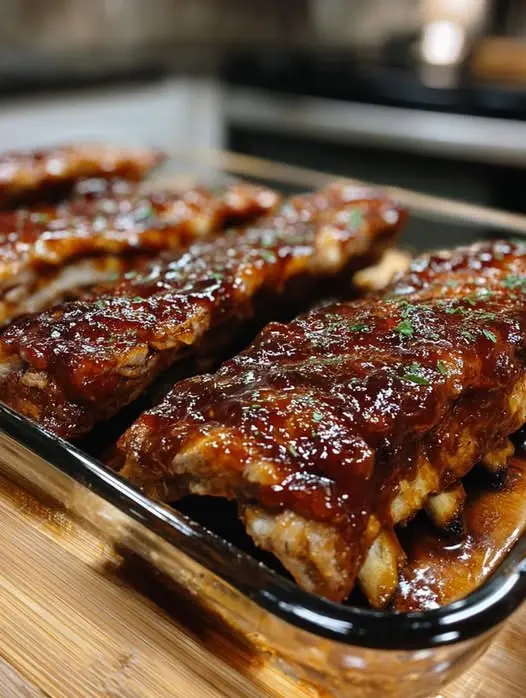
Presentation is half the battle when serving a best smoked bbq ribs recipe. Once the ribs have finished their final glaze, it is imperative to let them rest for at least 10 to 15 minutes. This allows the internal juices to redistribute, ensuring that the first bite is just as moist as the last. Slice the ribs between the bones using a sharp carving knife for clean, individual servings.
Garnishes
A sprinkle of fresh chives or finely diced red onion can add a pop of color and a bit of sharpness to cut through the rich, fatty meat. Some pitmasters also like to save a bit of the dry rub to dust over the finished ribs for an extra hit of concentrated flavor.
Classic Side Dishes
To create a complete BBQ platter, serve your ribs alongside traditional favorites. A creamy coleslaw provides a cold, crunchy contrast to the warm meat, while honey butter cornbread or smoked mac and cheese rounds out the meal with comforting carbohydrates. For a lighter touch, a simple cucumber and tomato salad with a vinaigrette dressing works wonders at cleansing the palate between bites of smoky pork.
Storage and Make-Ahead
Storing Leftovers
If you find yourself with leftovers, wrap the individual ribs or the partial rack tightly in plastic wrap and then aluminum foil. They will stay fresh in the refrigerator for up to four days. To maintain the best texture, avoid stacking them too deeply, which can cause the glaze to become soggy.
Reheating
The best way to reheat smoked ribs is to mimic the original cooking environment. Place the ribs in a baking dish with a tablespoon of water or apple juice, cover tightly with foil, and heat in a 250°F oven until warmed through. This prevents the meat from drying out, which often happens in a microwave.
Final Thoughts
Mastering this best smoked bbq ribs recipe is a journey that rewards patience and attention to detail. There is something deeply satisfying about watching a raw rack of ribs transform into a deeply colored, fragrant centerpiece over several hours of slow smoking. By using the 3-2-1 method, you are following a time-tested tradition that balances the ruggedness of fire and smoke with the delicate science of braising. Invite some friends over, fire up the smoker, and enjoy the process—the results are guaranteed to be worth every minute of the wait.
Frequently Asked Questions
Do I have to use a smoker for this recipe?
While a smoker provides the most authentic flavor, you can replicate this process on a charcoal or gas grill using indirect heat. For a gas grill, use a smoker box filled with wood chips over one burner and place the ribs on the unlit side. However, dedicated pellet grill recipes are often the easiest way to maintain the steady 225°F temperature required for success.
What is the difference between St. Louis and Baby Back ribs?
Baby back ribs come from the top of the rib cage near the spine; they are leaner, smaller, and cook faster. St. Louis-cut ribs are spare ribs with the tips removed, creating a rectangular shape. They have more fat and connective tissue, which many believe results in a more flavorful and moist finished product when smoked for long periods.
Should I cook the ribs meat-side up or bone-side up?
For the first and last stages of cooking, you should always have the meat-side facing up. This allows the fat to render down through the meat and ensures the bark and glaze develop on the presentation side. The only time the meat faces down is during the two-hour “wrap” phase, as this allows the meat to sit directly in the butter and juice mixture for maximum flavor infusion.
How do I know if the smoke is “good” or “bad”?
You are looking for “thin blue smoke,” which is almost translucent and has a sweet, pleasant aroma. If your smoker is putting out thick, white, or grey smoke, it means the wood is smoldering or lacks oxygen. This “dirty smoke” can leave a bitter, creosote taste on the meat. Ensure your vents are open enough to allow for proper airflow and a clean burn.
Can I make these ribs ahead of time?
Ribs are undeniably best when served fresh off the smoker, but you can finish the “smoke” and “wrap” stages a day early. Store them in the foil in the fridge, then perform the final one-hour “glaze” stage on the day you plan to serve. This will reheat the meat and set the bark simultaneously, though the texture may be slightly firmer than if cooked in one continuous session.
Smoky Oven-Baked BBQ Ribs

These tender, fall-off-the-bone BBQ ribs are seasoned with a sweet and savory dry rub and finished with a caramelized barbecue glaze.
- 2 racks baby back pork ribs (about 4 lbs)
- 1/4 cup brown sugar
- 1 tablespoon smoked paprika
- 1 tablespoon garlic powder
- 1 teaspoon onion powder
- 1 teaspoon salt
- 1/2 teaspoon black pepper
- 1 cup barbecue sauce
- 1Preheat your oven to 300°F (150°C). Line a large baking sheet with heavy-duty aluminum foil.
- 2Remove the thin membrane (silverskin) from the back of the ribs by lifting a corner with a knife and pulling it off with a paper towel.
- 3In a small bowl, combine the brown sugar, paprika, garlic powder, onion powder, salt, and pepper.
- 4Rub the spice mixture generously over both sides of the ribs.
- 5Wrap the ribs tightly in foil and place on the baking sheet. Bake for 2.5 to 3 hours, or until the meat is very tender.
- 6Carefully open the foil, brush the ribs with a thick layer of BBQ sauce, and set the oven to broil.
- 7Broil for 3-5 minutes until the sauce is bubbly and slightly charred.
Keywords: BBQ ribs, baby back ribs, oven baked, pork, dinner


