
Ovulation Power with Guava Leaves, Aidan Fruit, and Okra Recipe

Understanding the delicate dance of hormones that regulates the female reproductive system can feel overwhelming, especially when you are trying to conceive. Ovulation is the cornerstone of fertility, yet many factors in our modern lives—from stress to processed diets—can occasionally throw this process out of sync. Exploring natural ways to boost ovulation is a proactive step many women take to better understand their bodies and create an environment that is more conducive to conception. By focusing on nourishment and lifestyle adjustments, you can support your body’s natural rhythms and enhance your overall wellness during this journey.
Supporting your cycle isn’t about finding a “magic pill” but rather about adopting sustainable habits that promote reproductive health. Whether you are just beginning to think about starting a family or have been on this path for a while, making small, intentional changes can have a profound impact on how your body functions. This guide explores the most effective, research-backed lifestyle and nutritional strategies designed to help you feel empowered and informed about your fertility journey.
Understanding the Ovulation Process
Before diving into the various strategies, it is helpful to understand what exactly happens during ovulation. Each month, your body undergoes a complex series of hormonal shifts. Follicle-stimulating hormone (FSH) signals the ovaries to prepare an egg, while a surge in luteinizing hormone (LH) triggers its release. This release is what we call ovulation, and it typically occurs in the middle of a regular menstrual cycle. If this process is inconsistent, it can make timing conception significantly more difficult.
Many women find that by focusing on natural ways to boost ovulation, they are able to regulate their cycles and pinpoint their most fertile days with greater accuracy. While every woman’s body is unique, the foundational elements of health—what we eat, how we move, and how we manage stress—remain the primary levers we can pull to support our hormonal balance. By giving your body the resources it needs, you are effectively laying the groundwork for a healthy pregnancy.
The Power of Fertility-Friendly Foods
One of the most impactful natural ways to boost ovulation is through the food you put on your plate. Nutrition provides the building blocks for hormones and the energy required for egg development. Research has consistently shown that certain dietary patterns, such as the “Fertility Diet,” are associated with a lower risk of ovulatory disorder. This involves prioritizing whole, unprocessed foods over refined carbohydrates and sugars, which can cause insulin spikes that disrupt ovulation.
Incorporating a variety of fertility-friendly foods can help stabilize blood sugar and provide essential vitamins. Focus on high-fiber options like beans, lentils, and whole grains, which help the body process excess hormones. Additionally, healthy fats are crucial; avocados, olive oil, and walnuts provide the monounsaturated fats that are linked to better reproductive outcomes. Some studies even suggest that swapping one serving of low-fat dairy for full-fat dairy may support more consistent ovulation, though balance is always key.
- Plant-Based Proteins: Replacing some animal proteins with plant sources like chickpeas or tofu can reduce the risk of ovulatory infertility.
- Complex Carbohydrates: Choose quinoa, sweet potatoes, and oats to keep insulin levels steady, which is vital for maintaining hormonal balance.
- Antioxidant-Rich Fruits: Berries and citrus fruits are packed with vitamin C and folate, which are essential for improving egg quality.
- Leafy Greens: Spinach and kale provide non-heme iron and B-vitamins that support a healthy uterine lining.
Managing Stress for Reproductive Health
It is no secret that stress can take a toll on the body, but its impact on fertility is particularly significant. When you are under high levels of stress, your body produces cortisol, which can interfere with the signaling between the brain and the ovaries. This interference can lead to delayed or even skipped ovulation. Finding natural ways to boost ovulation must include a plan for emotional well-being and stress reduction.
Techniques such as prenatal yoga, meditation, or even a daily walk in nature can help lower cortisol levels and promote a sense of calm. Prioritizing reproductive health means recognizing that your mental state is just as important as your physical state. Creating a “fertility sanctuary” in your daily routine—a time when you disconnect from screens and focus on deep breathing—can help signal to your body that it is in a safe, relaxed environment ready for conception.
Weight, Movement, and Hormonal Balance
Body weight plays a significant role in how often and how well you ovulate. Both being underweight and being overweight can lead to hormonal imbalances that stop ovulation entirely. Adipose (fat) tissue produces estrogen; having too little can mean your body doesn’t have enough to trigger an egg’s release, while having too much can lead to “estrogen dominance,” which also prevents ovulation. Aiming for a healthy, stable BMI is one of the most effective natural ways to boost ovulation.
Exercise is a wonderful tool for maintaining a healthy weight and improving circulation to the reproductive organs, but it is important to find a “Goldilocks” zone. Excessive, high-intensity exercise can actually stress the body and shut down ovulation (a condition known as hypothalamic amenorrhea). On the other hand, a sedentary lifestyle can contribute to insulin resistance. Moderate movement, such as swimming, brisk walking, or light strength training, is generally best for supporting hormonal balance without overtaxing the system.
Improving Egg Quality and Environmental Factors
While the number of eggs is fixed, the quality of those eggs can be influenced by your environment and habits in the three months leading up to ovulation. Improving egg quality is a long-term goal that involves protecting your cells from oxidative stress. This means minimizing exposure to environmental toxins such as BPA in plastics, phthalates in scented products, and certain pesticides on produce. Switching to glass storage containers and choosing organic produce when possible can reduce your “toxic load.”
Adequate sleep is another underrated factor in egg health. Melatonin, the hormone that regulates sleep, is also a powerful antioxidant that has been found in the fluid surrounding developing eggs. Ensuring you get 7 to 9 hours of quality sleep each night supports the repair of cells and the proper regulation of the hormones that drive your cycle. This holistic approach is one of the most comprehensive natural ways to boost ovulation available to you.
Important Cautions and Medical Guidance
While exploring natural ways to boost ovulation is empowering, it is important to remember that lifestyle changes are not a substitute for professional medical advice. Conditions such as Polycystic Ovary Syndrome (PCOS), endometriosis, or primary ovarian insufficiency require specialized care and diagnosis. If you have been tracking your cycle and notice that your periods are highly irregular or absent, or if you have been trying to conceive for over a year (or six months if over age 35), please consult a qualified healthcare professional.
Additionally, before starting any new supplements—such as Vitex, CoQ10, or Inositol—speak with your doctor to ensure they are safe for your specific health history and won’t interfere with any medications. Natural approaches “may support” your journey, but they work best when integrated into a plan overseen by a medical expert. Never attempt to “self-treat” a suspected medical condition without a proper diagnosis.
Final Thoughts
Taking a natural approach to your fertility is a beautiful way to connect with your body’s wisdom. By focusing on fertility-friendly foods, managing your stress levels, and prioritizing consistent, moderate movement, you are doing more than just trying to conceive; you are building a foundation of health that will serve you well through pregnancy and beyond. Remember that improving egg quality and finding natural ways to boost ovulation is a journey that requires patience and self-compassion. Trust the process, nourish your spirit, and give your body the time it needs to respond to these positive changes.
Frequently Asked Questions
How long does it take for diet changes to affect ovulation?
It generally takes about 90 days for an egg to mature before it is released during ovulation. This means that the dietary and lifestyle changes you make today will likely show their most significant impact on your reproductive health about three months from now. Consistency is key, as your body needs time to stabilize its hormonal environment and improve the cellular health of the developing follicles.
Can caffeine or alcohol impact my ovulation?
While a morning cup of coffee is generally considered safe, excessive caffeine intake (over 200–300mg per day) has been linked in some studies to a longer time to conceive. Similarly, heavy alcohol consumption can disrupt hormonal balance and lead to irregular cycles. Most experts recommend moderate or minimal intake of both when you are actively looking for natural ways to boost ovulation and improve your chances of a healthy pregnancy.
What are the best signs that I am actually ovulating?
The most reliable natural signs of ovulation include changes in cervical mucus (it becomes clear, stretchy, and resembles raw egg whites) and a slight rise in basal body temperature after ovulation has occurred. Many women also use ovulation predictor kits (OPKs) to detect the LH surge. Tracking these signs over several months can help you confirm that your efforts to support reproductive health are working and help you time intercourse correctly.
Do I need to take a prenatal vitamin if I eat a healthy diet?
Yes, most healthcare providers recommend a prenatal vitamin even if you are eating fertility-friendly foods. It is difficult to get the necessary amounts of folic acid (or folate), iodine, and iron solely from food. Folic acid is especially critical in the very early stages of pregnancy—often before you even know you are pregnant—to prevent neural tube defects. Think of the supplement as an “insurance policy” for your nutritional needs.
Can natural methods help if I have PCOS?
Natural methods can be incredibly beneficial for those with PCOS, particularly strategies focused on blood sugar management. Since insulin resistance is a core feature of many PCOS cases, eating low-glycemic foods and maintaining a healthy weight can help restore hormonal balance and encourage regular ovulation. However, because PCOS is a complex medical condition, these natural strategies should always be used in conjunction with a treatment plan from your doctor.
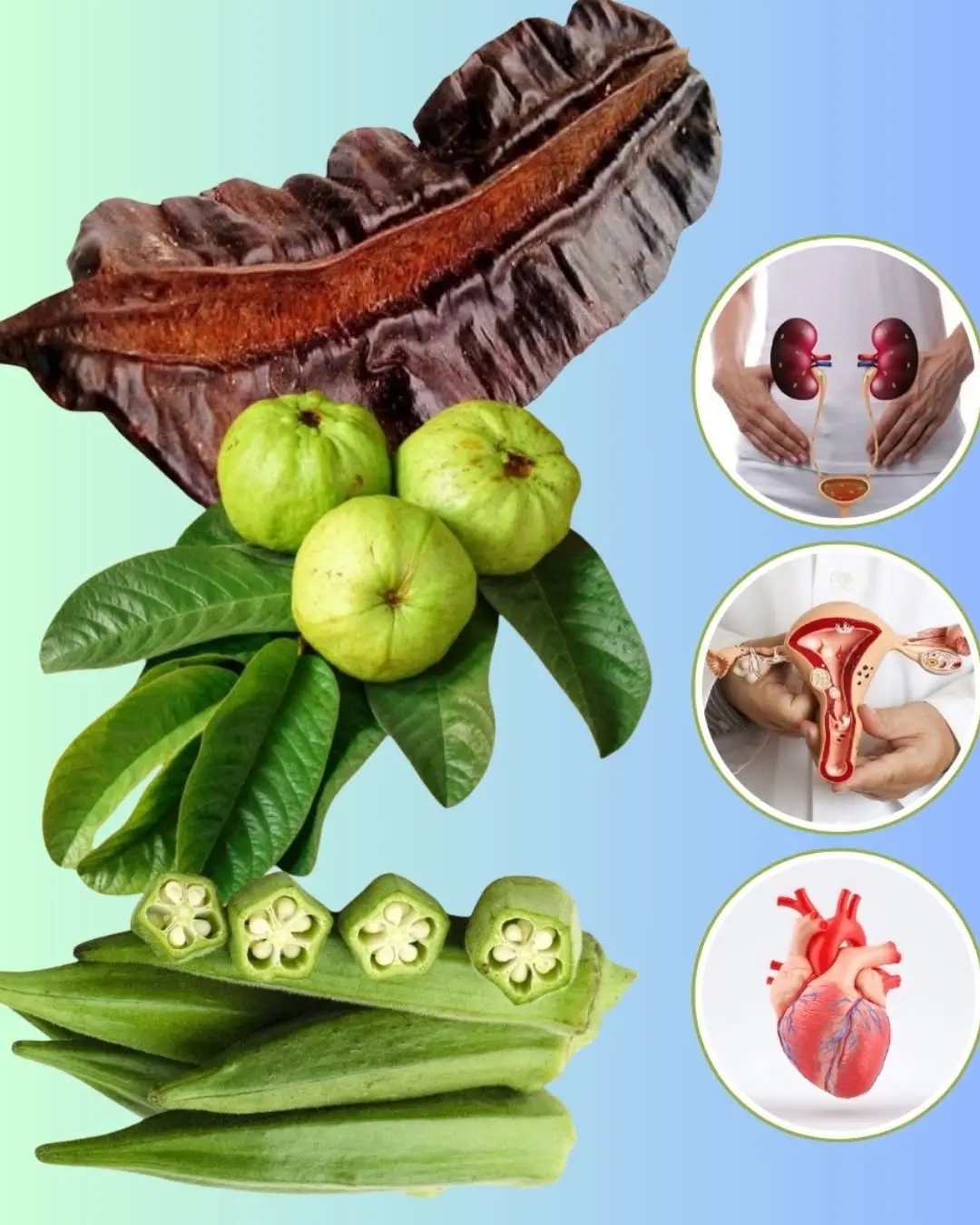
Ovulation Power Tea with Guava Leaves, Aidan Fruit, and Okra

A nutrient-dense herbal infusion formulated to support reproductive health and hormonal balance. This traditional wellness tonic combines the potent properties of Aidan fruit (Prekese), antioxidant-rich guava leaves, and the mucilage benefits of okra to create a powerful drink for those focusing on fertility and cycle health.
- 5 fresh Guava leaves
- 1 medium Aidan fruit (Prekese), crushed or cut into small pieces
- 4 fresh Okra pods, sliced into rounds
- 4 cups Filtered water
- 1 tsp Raw honey (optional for sweetness)
- 1Thoroughly wash the guava leaves, Aidan fruit pieces, and okra under cool water to remove any impurities.
- 2In a large stainless steel pot, combine the 4 cups of filtered water with the Aidan fruit and guava leaves.
- 3Bring the mixture to a rolling boil, then lower the heat and simmer for approximately 15 minutes to allow the herbs to infuse.
- 4Add the sliced okra to the pot and continue to simmer for an additional 5 to 7 minutes.
- 5Remove the pot from the heat and let it steep for 10 minutes to further concentrate the nutrients.
- 6Strain the mixture through a fine-mesh sieve into a mug.
- 7Serve warm and stir in honey if desired.
Keywords: ovulation power, fertility tea, aidan fruit benefits, guava leaf tea, okra water recipe, reproductive wellness, hormonal health


