
Hard Bumps on Finger Joints Near the Nails: What They Could Mean

Discovering hard bumps on finger joints can be a confusing and sometimes unsettling experience, especially when they appear gradually over time. These small, firm nodules often develop at the joints closest to the fingernail or the middle knuckle, and while they are frequently associated with the natural aging process, they can also signal underlying changes in your overall hand health. Understanding what these bumps are and why they form is the first step in managing any associated discomfort and maintaining your manual dexterity for years to come.
While these bumps may seem to appear out of nowhere, they are typically the result of long-term changes within the joint structure. For many people, these protrusions are not a cause for immediate alarm, but rather a physical sign that the body is adapting to wear and tear. By learning to identify the different types of nodules and the conditions that cause them, you can better communicate with health professionals and take proactive steps to support your joint inflammation levels and comfort.
What Exactly Are These Hard Bumps?
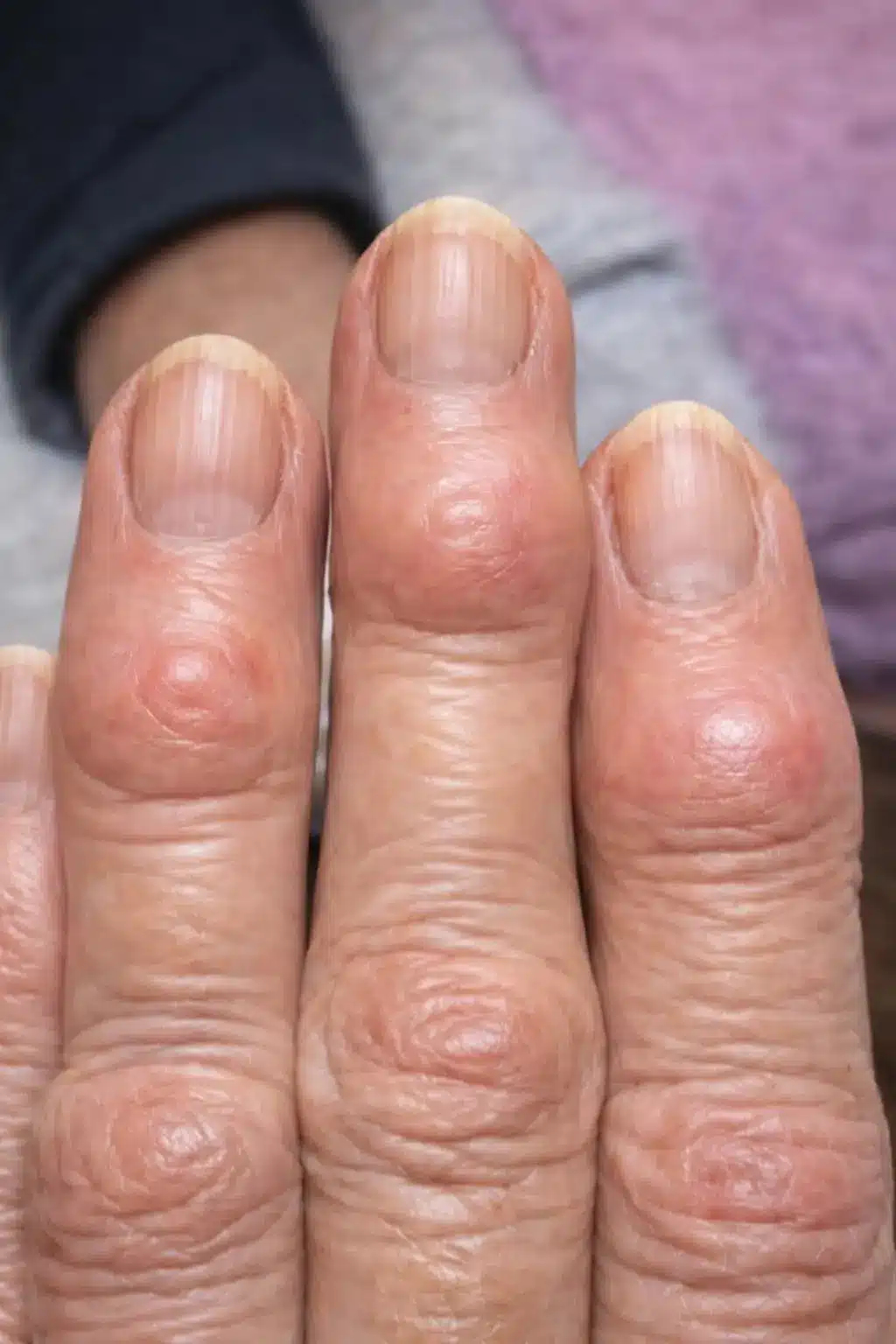
The firm, bony growths that many people notice on their fingers are technically known as osteophytes, or bone spurs. When the protective cartilage between the joints begins to wear down, the body may respond by growing extra bone in an attempt to stabilize the area. These growths are classified based on where they appear on the finger, helping to pinpoint the likely cause.
- Heberden’s Nodes: These are the most common type of hard bumps on finger joints and appear at the distal interphalangeal (DIP) joint, which is the joint closest to the fingertip.
- Bouchard’s Nodes: These nodules form at the proximal interphalangeal (PIP) joint, located in the middle of the finger. They are often associated with similar underlying conditions as Heberden’s nodes but occur less frequently.
- Ganglion Cysts: Unlike bony spurs, these are small, fluid-filled sacs. While they can feel quite firm, they are not made of bone and may sometimes change in size or disappear on their own.
Distinguishing between a bony growth and a fluid-filled cyst is an important part of understanding your symptoms. Bony nodes are usually permanent once they form, whereas other types of swelling might fluctuate based on your activity level or internal joint inflammation.
Common Causes for Bumps on the Finger Joints
The most frequent culprit behind these physical changes is osteoarthritis, often referred to as “wear and tear” arthritis. As we use our hands for daily tasks—from typing to gardening—the cartilage that cushions our finger joints can thin over time. This leads to bone rubbing against bone, triggering the formation of the osteoarthritis symptoms we recognize as hard, knobby joints.
However, osteoarthritis isn’t the only possibility. Gout, a form of inflammatory arthritis caused by a buildup of uric acid crystals, can also lead to the formation of hard lumps called tophi. These usually appear after several years of living with the condition and may be accompanied by intense episodes of pain and redness. Additionally, while rheumatoid arthritis more commonly causes soft swelling and joint deformity, chronic joint inflammation in the hands can occasionally lead to firmer nodules over a long period.
In some cases, finger swelling may be localized to a single joint due to a previous injury. If you have ever jammed a finger or suffered a fracture, the joint may heal with extra bone tissue, creating a permanent bump that resembles an arthritic node but is actually a remnant of the healing process.
Practical Ways to Manage Joint Comfort
If you have noticed hard bumps on finger joints, the focus often shifts from “curing” the bumps to managing comfort and preserving range of motion. Since bony nodes are a physical change in the bone structure, they cannot be rubbed away or dissolved with cream, but the surrounding tissues can certainly be supported.
One of the most effective ways to support hand health is through gentle, consistent movement. Finger “yoga” or range-of-motion exercises help keep the ligaments flexible and ensure that the synovial fluid—the joint’s natural lubricant—continues to circulate. Simple actions like making a soft fist and then spreading your fingers wide can make a significant difference in daily stiffness.
Heat and cold therapy are also invaluable tools. Many people find that soaking their hands in warm water or using a paraffin wax bath in the morning helps “unlock” stiff joints. Conversely, if a joint feels particularly tender or “hot” after a day of heavy use, a cold compress can help soothe the joint inflammation and provide temporary relief. Using ergonomic tools, such as pens with thicker grips or specialized kitchen utensils, can also reduce the mechanical stress placed on these delicate joints during daily chores.
Nutrition and Lifestyle Considerations
While topical treatments provide immediate comfort, internal support is equally important. A diet rich in anti-inflammatory foods may help manage the systemic joint inflammation that often accompanies arthritic changes. Incorporating omega-3 fatty acids from sources like flaxseeds, walnuts, or fatty fish is a common recommendation for those looking to support their long-term hand health.
Staying hydrated is another simple yet vital aspect of joint care. Cartilage is significantly composed of water, and maintaining adequate hydration levels ensures that the tissues remain as resilient as possible. Reducing the intake of highly processed sugars and salt can also help minimize the fluid retention that often contributes to finger swelling and feelings of tightness in the knuckles.
Important Cautions and When to Seek Advice
While hard bumps on finger joints are frequently a benign part of aging or mild osteoarthritis, there are times when professional guidance is essential. If you experience a sudden onset of swelling, intense redness, or heat in a single joint, it could indicate an infection or an acute gout flare rather than standard wear and tear.
You should also consult a healthcare provider if the bumps are accompanied by significant morning stiffness that lasts longer than 30 minutes, or if you notice a “triggering” sensation where your finger gets stuck in a bent position. These symptoms may suggest other conditions like rheumatoid arthritis or stenosing tenosynovitis (trigger finger) that require a specific management plan. Always consult a qualified healthcare professional before starting new supplements or if you experience a dramatic change in your manual dexterity or grip strength.
Final Thoughts
Living with hard bumps on finger joints is a reality for many adults, particularly as they move into their 50s and 60s. While these nodules represent a permanent change in the bone, they don’t have to signify the end of an active lifestyle. By prioritizing hand health through gentle exercise, ergonomic adjustments, and a mindful approach to joint inflammation, you can continue to use your hands comfortably. Focus on what you can control—your movement, your nutrition, and your proactive care—to keep your joints moving smoothly for the long haul.
Frequently Asked Questions
Are hard bumps on finger joints permanent?
If the bumps are Heberden’s or Bouchard’s nodes caused by bone spurs, they are generally considered permanent changes to the bone structure. However, if the bump is a ganglion cyst, it may fluctuate in size or eventually resolve on its own. While the bony nodes don’t go away, the tenderness and joint inflammation associated with their formation often settle down over time.
Can these bumps be prevented?
While genetics play a large role in who develops hard bumps on finger joints, protecting your hands from repetitive strain and injury can help. Maintaining a healthy weight and eating an anti-inflammatory diet may also reduce the stress on small joints. However, for many, these nodes are a natural part of the aging process and cannot be entirely avoided.
Do these bumps always mean I have arthritis?
In the vast majority of cases, these firm nodules are a classic sign of osteoarthritis symptoms. However, they can also be caused by old injuries, gout tophi, or cysts. A physical examination by a doctor can usually confirm whether the bumps are bone-based or fluid-based, which helps determine the correct path for management.
Is it okay to “pop” or squeeze a bump on my finger joint?
You should never attempt to squeeze or pop hard bumps on finger joints. If the bump is a bone spur, it is solid bone and cannot be moved. If it is a ganglion cyst, attempting to rupture it at home can lead to serious infection or damage to the underlying joint capsule. If a bump is bothersome, seek professional medical advice for safe removal options.
Why do my finger joints hurt more in cold weather?
Many people with joint inflammation find that cold weather increases stiffness and pain. This is often due to changes in barometric pressure, which can cause tissues to expand, or simply because cold temperatures make the fluid inside the joints thicker and less effective at lubricating movement. Keeping your hands warm with gloves or heat packs can often provide significant relief.
Understanding Hard Bumps on Finger Joints (Heberden’s Nodes)

Hard bumps on the finger joints near the nails, known as Heberden's nodes, are common indicators of osteoarthritis. This guide explores their causes and management strategies.
- Heberden's nodes (Distal Interphalangeal joints)
- Bouchard's nodes (Proximal Interphalangeal joints)
- Osteoarthritis markers
- Joint stiffness and swelling
- Bone spurs (osteophytes)
- 1Identify the location: Check if the bumps are on the joint closest to the nail (Heberden's) or the middle joint (Bouchard's).
- 2Assess symptoms: Look for pain, limited range of motion, or a crooked appearance in the finger.
- 3Consult a professional: Visit a doctor to confirm a diagnosis via physical exam or X-ray.
- 4Apply heat therapy: Use warm water or paraffin wax baths to soothe joint pain and stiffness.
- 5Adopt ergonomic tools: Use modified grips for daily tasks to reduce joint strain.
Keywords: osteoarthritis, hand health, Heberden's nodes, joint bumps, finger pain


