
Apple Fritters Recipe

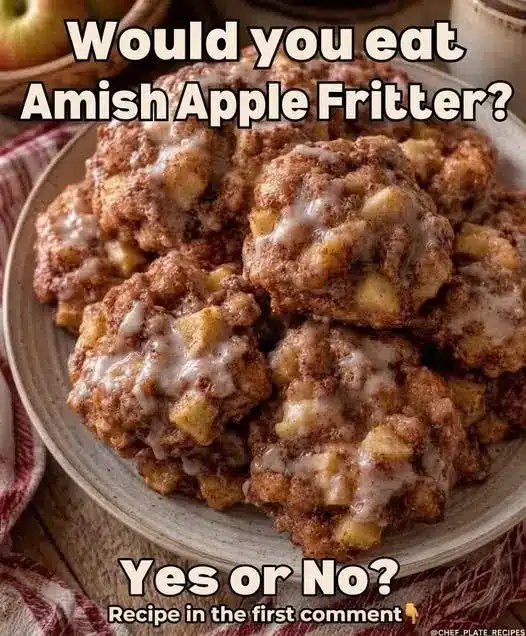
There is something uniquely nostalgic about walking into a local bakery early in the morning and being greeted by the intoxicating scent of cinnamon, yeast, and tart apples. While many doughnuts are light and airy, a true apple fritter is substantial—a rugged, craggy masterpiece that balances a crunchy, glazed exterior with a tender, fruit-studded interior. Mastering the best homemade apple fritter recipe allows you to recreate that specific bakery magic in your own kitchen, ensuring every bite is packed with more fruit and spice than any store-bought version could ever offer.
Making fritters at home might seem intimidating because of the deep-frying element, but it is actually one of the most rewarding projects for a home baker. Unlike perfectly round doughnuts that require precise shaping, fritters thrive on their irregular, rustic shapes. These nooks and crannies are essential because they trap the cinnamon glaze, creating pockets of sweetness that contrast beautifully with the tartness of the apples. Whether you are serving these for a special Sunday brunch or as a cozy autumn treat, this guide will walk you through the nuances of dough fermentation, apple preparation, and temperature control to ensure success.
Why This Recipe Is a Keeper
- Superior Texture: By using a yeast-raised dough base, these fritters achieve a complex, bread-like chew that perfectly supports the heavy addition of fresh fruit.
- Customized Apple-to-Dough Ratio: One of the biggest complaints with commercial fritters is the lack of fruit; here, you control the distribution for bakery-style apple fritters that are bursting with flavor.
- The Ultimate Crunch: A double-dip glazing technique ensures a shattering crispness on the outside that stays delicious even after the fritters have cooled.
- No Fancy Equipment Needed: While a stand mixer helps, you can easily knead this dough by hand, and a simple heavy-bottomed pot works perfectly for the frying stage.
Ingredients You’ll Need
To achieve the best homemade apple fritter recipe, the quality of your ingredients matters significantly. We aren’t just looking for sweetness; we are looking for a balance of acidity, aromatic warmth, and structural integrity in the dough.
- Granny Smith Apples: These are the gold standard for frying because they hold their shape under heat and provide a sharp tartness that cuts through the sugar.
- Active Dry Yeast: This provides the necessary lift and that classic fermented “doughnut” aroma that sets this recipe apart from quick-bread versions.
- Whole Milk: The fats in whole milk enrich the dough, leading to a softer crumb and a more golden-brown finish during the frying process.
- Warm Spices: A heavy hand of cinnamon and a hint of nutmeg or cardamom are essential to create that deep, cozy flavor profile associated with bakery-style apple fritters.
- Bread Flour or All-Purpose Flour: Bread flour provides a slightly sturdier structure to hold the heavy apples, though all-purpose flour works well for a more tender bite.
- Unsalted Butter: Adding softened butter to the dough (an enriched dough technique) ensures the interior remains moist and flavorful.
- Powdered Sugar: The base of our glaze, which needs to be whisked into a smooth, thick consistency to properly coat the craggy surface of the fritter.
Variations and Smart Swaps
Fruit Substitutions: If you aren’t an apple fan or want to experiment with the seasons, firm pears make an excellent substitute. You can also add a handful of dried cranberries or raisins to the apple mixture for extra texture.
Glaze Enhancements: While a vanilla-cinnamon glaze is traditional, you can swap the milk in the glaze for apple cider to create a cider-glazed apple fritter. A maple-flavored glaze is also a fantastic autumnal twist.
Spice Adjustments: For those who love a bit of heat, adding a pinch of ground ginger or cloves to the apple filling can add a sophisticated depth that pairs perfectly with hot coffee.
Dairy-Free Options: You can successfully substitute the whole milk with a high-fat oat milk and use a vegan butter stick alternative to make these accessible for those avoiding dairy.
How to Make the Best Homemade Apple Fritter Recipe
Step 1: Bloom the Yeast and Mix the Dough
The foundation of a great fritter is a healthy, active yeast base. You’ll want to dissolve your yeast in warm milk—ideally between 105°F and 115°F—with a bit of sugar to “feed” it. Once it becomes foamy and fragrant, you can incorporate the flour, eggs, and butter. This creates an enriched dough that is supple and slightly tacky. It is important not to over-flour the dough at this stage; a softer dough leads to a lighter fritter. Allow the dough to rise in a warm, draft-free spot until it has doubled in size, which usually takes about an hour.
Step 2: Prepare the Cinnamon Apple Filling
While the dough is rising, focus on the star of the show. Dicing the apples into small, uniform pieces (about quarter-inch cubes) ensures they soften slightly during the quick frying process without becoming mushy. Tossing them with cinnamon, sugar, and perhaps a squeeze of lemon juice helps macerate the fruit, drawing out a tiny bit of moisture and creating a concentrated apple syrup that will flavor the dough from the inside out.
Step 3: The “Fold and Chop” Technique
This is where the best homemade apple fritter recipe takes its unique shape. Instead of just kneading the apples into the dough, you roll the risen dough out into a large rectangle, spread the apple mixture over it, and then fold the dough over itself. Using a bench scraper or a knife, you “chop” the dough and fruit together into small irregular pieces and then gently press them back together into a mass. This creates the layered, craggy texture that makes fritters so famous. This messy process is exactly what you want for maximum surface area.
Step 4: Shaping and the Second Rise
Once you have your “chopped” dough mass, portion it out into rustic mounds. Don’t worry about making them look perfect; the more edges and ridges, the better. Place these on a lined baking sheet and let them rest for a short second rise. This “bench proof” allows the yeast to recover from the chopping process, ensuring the fritters expand beautifully when they hit the hot oil rather than staying dense.
Step 5: Master the Art of Deep Frying
When deep frying at home, temperature is everything. You want your oil—preferably a neutral oil with a high smoke point like canola or peanut oil—to stay consistently between 350°F and 360°F. If the oil is too cool, the fritters will absorb it and become greasy; if it is too hot, the outside will burn before the interior is cooked through. Carefully slide the fritters into the oil, frying until they are a deep, mahogany brown on both sides. This darker color indicates that the natural sugars in the apples and dough have caramelized.
Step 6: Glazing While Warm
As soon as the fritters come out of the oil, let them drain briefly on a wire rack to remove excess grease. While they are still warm, dip them into the cinnamon glaze. The residual heat from the fritter helps the glaze thin out and seep into every crevice. As the fritter cools, the glaze will set into a crisp, sugary shell that provides that iconic “crack” when you take your first bite.
Pro Tips for Success
- Tip: Monitor Oil Temp: Use a clip-on candy thermometer to monitor your oil. Every time you add a cold fritter to the pot, the temperature drops, so you may need to adjust your heat frequently.
- Tip: Keep Apples Small: Large chunks of apple can cause the fritter to fall apart in the oil. Aim for a consistent, small dice to keep the dough integrated.
- Tip: Don’t Overcrowd: Fry only two or three fritters at a time. Overcrowding makes it difficult to flip them and causes the oil temperature to plummet.
- Tip: Use a Wire Rack: Never drain fried dough on paper towels for more than a few seconds. A wire rack allows air to circulate, preventing the bottom of the fritter from steaming and becoming soggy.
- Tip: Sift Your Powdered Sugar: To avoid a lumpy glaze, always sift your powdered sugar before whisking in the liquids. This ensures a professional, smooth finish.
How to Serve Your Homemade Fritters
The best homemade apple fritter recipe is truly at its peak about ten minutes after glazing, when they are still slightly warm to the touch. Serving them fresh ensures the contrast between the hot, fluffy interior and the cool, crisp glaze is maximized. They are traditionally served as a breakfast or brunch item alongside a cup of dark roast coffee or a glass of cold milk, which helps balance the sweetness of the glaze.
If you want to turn these into a more decadent dessert, try serving a warm apple fritter in a shallow bowl topped with a scoop of high-quality vanilla bean ice cream. The ice cream begins to melt into the crannies of the fritter, creating a “pie-style” experience. For a festive touch during the holidays, a dusting of fresh nutmeg or a drizzle of warm caramel sauce over the top can elevate the presentation significantly.
Storage and Make-Ahead
Storing Leftovers
Like most fried doughnuts, apple fritters are best on the day they are made. However, if you have leftovers, store them in a cardboard box or a paper bag rather than an airtight plastic container. Plastic traps moisture, which will cause the glaze to dissolve and the dough to become soft. They will stay relatively fresh at room temperature for up to 24 hours.
Reheating
To bring a day-old fritter back to life, avoid the microwave, which will make it rubbery. Instead, place it in a 350°F oven or an air fryer for 3 to 5 minutes. This helps re-crisp the exterior and warms the apples inside without drying out the dough.
Making It Ahead
You can prepare the dough the night before and let it undergo its first rise in the refrigerator. This “cold ferment” actually develops a deeper flavor in the dough. In the morning, simply take the dough out, let it come to room temperature, and proceed with the folding and frying steps.
Final Thoughts
Taking the time to craft the best homemade apple fritter recipe from scratch is a labor of love that pays off in every spiced, crunchy bite. There is a profound satisfaction in seeing a shaggy mass of dough and fresh fruit transform into a golden-brown delicacy that rivals any professional bakery. By focusing on the quality of your apples and maintaining strict control over your frying temperature, you can master this classic American treat. Once you taste a fritter pulled fresh from your own stove, you may find it hard to ever go back to the store-bought variety again.
Frequently Asked Questions
What is the best oil for frying apple fritters?
You should use a neutral oil with a high smoke point, such as canola, vegetable, or peanut oil. These oils can handle the 350°F temperature required for frying without breaking down or imparting an “oily” flavor to the dough. Avoid olive oil or butter for deep frying, as they will burn and ruin the flavor of the bakery-style apple fritters.
Why are my apple fritters doughy in the middle?
If the outside is dark brown but the inside is still raw dough, your oil is likely too hot. This causes the exterior to cook and color before the heat has time to penetrate the center. Use a thermometer to keep the oil at a steady 350°F. Additionally, ensure your fritters aren’t too thick; pressing them down slightly before frying helps them cook evenly.
Can I make these apple fritters in an air fryer?
While you can “bake” these in an air fryer, the result will be more like a fruit scone or biscuit than a traditional fritter. The signature texture of the best homemade apple fritter recipe comes from the rapid heat of deep frying, which creates the crust. If you do use an air fryer, brush them generously with melted butter before cooking to help them brown.
Should I peel the apples for the fritters?
Yes, it is generally recommended to peel the apples. While the skin contains nutrients, it can become tough or stringy during the quick frying process, which interferes with the soft, tender texture of the dough. Peeling the apples ensures that every bite of the fritter is perfectly uniform in texture.
How do I stop the apples from falling out of the dough?
The “chopping” method is key here. By cutting the dough and apples together and then pressing them back into a mass, you are essentially “locking” the fruit into the gluten structure of the dough. If you simply try to fold large slices of apple into the dough, they will likely slide out. Small cubes and a vigorous chopping motion are the secrets to bakery-style apple fritters.
Homemade Apple Fritters

These delicious, crispy apple fritters are filled with fresh chunks of tart apples and warm cinnamon, finished with a sweet vanilla glaze.
- 2 cups all-purpose flour
- 1/4 cup granulated sugar
- 1 tablespoon baking powder
- 1 teaspoon ground cinnamon
- 1/2 teaspoon salt
- 3/4 cup whole milk
- 2 large eggs
- 1 tablespoon melted unsalted butter
- 2 large Granny Smith apples, peeled and diced
- Oil for frying
- For the Glaze:
- 2 cups powdered sugar
- 1/4 cup whole milk
- 1/2 teaspoon vanilla extract
- 1In a large mixing bowl, whisk together the flour, sugar, baking powder, cinnamon, and salt.
- 2In a separate medium bowl, whisk together the milk, eggs, and melted butter. Gently stir the wet ingredients into the dry ingredients until just combined.
- 3Fold in the diced apples until evenly distributed throughout the batter.
- 4Heat 2 inches of oil in a heavy-bottomed skillet or Dutch oven to 350°F (175°C).
- 5Drop 1/4 cup portions of the batter into the hot oil, pressing them down slightly with the back of a spoon to flatten.
- 6Fry for about 2 to 3 minutes per side, or until they reach a deep golden brown.
- 7Remove the fritters with a slotted spoon and let them drain on a wire rack over paper towels.
- 8Whisk the glaze ingredients together and dip the warm fritters into the glaze, coating both sides.
Keywords: apple fritters, apple recipes, breakfast, fried dough, cinnamon apples


