
Pumpkin Seeds for Gut Health: Nutrition, Benefits, and Parasite Claims

When it comes to functional foods that pack a massive nutritional punch in a tiny package, few things compare to the humble pepita. Often overlooked as just a seasonal snack after carving jack-o’-lanterns, using pumpkin seeds for gut health is a practice rooted in both traditional wisdom and modern nutritional science. These vibrant green seeds offer a unique combination of dietary fiber, essential minerals, and healthy fats that work together to create a more resilient and balanced digestive environment. Whether you enjoy them raw, sprouted, or lightly toasted, their earthy, nutty flavor and satisfying crunch make them one of the most versatile additions to a wellness-focused pantry.
Understanding how these seeds interact with your digestive system is the first step toward optimizing your daily nutrition. Beyond just being a convenient snack, they act as a “mechanical” aid for digestion while providing the chemical building blocks your body needs to maintain the integrity of the intestinal lining. By incorporating pumpkin seeds for gut health into your routine, you are choosing a whole-food approach to microbiome support that feels more like a culinary treat than a dietary chore. Let’s dive into why these tiny seeds are making such a big splash in the world of digestive health.
Why You’ll Love Adding Pumpkin Seeds to Your Routine
- Nutrient Density: Every handful provides a concentrated source of magnesium, zinc, and plant-based protein, ensuring your body gets more than just “empty calories” during snack time.
- Satisfying Crunch: Their firm texture makes them an excellent substitute for processed croutons or crackers, adding a delightful sensory experience to salads, soups, and yogurt bowls.
- Portability: They are one of the most stable fiber-rich snacks, requiring no refrigeration and making them perfect for busy afternoons, hiking trips, or office desk drawers.
- Versatile Flavor: With a mild, nutty profile, they seamlessly transition from savory applications like pesto and grain bowls to sweet uses in granola and muffins.
The Nutritional Powerhouse Inside the Shell
To appreciate why pumpkin seeds for gut health are so effective, we have to look at the specific compounds found within the seed. Unlike many other seeds that are primarily fat, pumpkin seeds provide a balanced ratio of macronutrients that slow down the digestive process in a healthy way, preventing blood sugar spikes and keeping you fuller for longer. This slow burn is essential for maintaining a steady environment for your gut bacteria to thrive.
- Insoluble Fiber: This type of fiber adds bulk to the stool and helps food pass more quickly through the stomach and intestines, which is vital for regular digestive health.
- Magnesium: Known as the “relaxation mineral,” magnesium for digestion helps to relax the muscles in the intestinal wall, which can support smoother transit and reduce occasional discomfort.
- Zinc: This mineral is a cornerstone of gut barrier function; it helps maintain the “tight junctions” in the intestinal lining, which is a key part of overall microbiome support.
- Healthy Fats: The omega-3 and omega-6 fatty acids found in pepitas help lubricate the digestive tract and may support a healthy inflammatory response within the gut.
- Antioxidants: Loaded with vitamin E and carotenoids, these seeds help protect the cells of the digestive tract from oxidative stress.
Specific Benefits of Pumpkin Seeds for Gut Health
The relationship between pumpkin seeds for gut health and your internal ecosystem is multifaceted. One of the most significant roles they play is acting as a prebiotic. Prebiotics are non-digestible fibers that serve as “fuel” for the beneficial bacteria (probiotics) already living in your colon. When these bacteria break down the fiber in pumpkin seeds, they produce short-chain fatty acids, which are the primary energy source for the cells lining your colon.
Furthermore, the high magnesium for digestion content cannot be overstated. Many Americans are chronically low in magnesium, which can lead to a “sluggish” digestive system. By providing a natural, food-based source of this mineral, pumpkin seeds help ensure that the peristaltic waves—the muscle contractions that move food along—are functioning at their best. This makes fiber-rich snacks like pepitas a gentle but effective way to maintain daily regularity without the need for harsh supplements.
Practical Ways to Use Pumpkin Seeds
Knowing that pumpkin seeds for gut health are beneficial is one thing, but knowing how to eat them for maximum absorption is another. While raw seeds are packed with enzymes, some people find that lightly toasting or “activating” the seeds makes them much easier on the stomach. Here are several practical ways to bring more of these seeds into your kitchen.
Roasting for Flavor and Digestibility
Lightly roasting pumpkin seeds at a low temperature can help break down phytic acid, an “anti-nutrient” that can sometimes make minerals harder to absorb. Simply toss them with a touch of olive oil and sea salt, then bake at 300°F for about 10–15 minutes. This creates a digestive health friendly snack that is much easier for your body to process than heavily processed, fried snack foods.
Adding to Morning Rituals
One of the easiest ways to ensure you get your daily dose of microbiome support is to sprinkle two tablespoons of pepitas over your morning oatmeal or Greek yogurt. The combination of the probiotics in the yogurt and the prebiotic fiber in the seeds creates a symbiotic effect, giving your gut a head start before the day even begins. The fats in the seeds also help you absorb fat-soluble vitamins from any fruit you might add to your bowl.
Savory Kitchen Swaps
Instead of using pine nuts or walnuts, try using pumpkin seeds in your next batch of homemade pesto. You can also grind them into a coarse meal to use as a nutrient-dense “breading” for baked chicken or tofu. This replaces refined carbohydrates with fiber-rich snacks that add depth of flavor and significant digestive health benefits to your main courses.
Important Cautions and Considerations
While pumpkin seeds for gut health are generally safe and highly beneficial for most people, there are a few things to keep in mind to ensure the best experience. If you are not used to a high-fiber diet, it is important to introduce these seeds gradually. Suddenly increasing fiber intake can sometimes lead to temporary bloating or gas as your microbiome support system adjusts to the new fuel source.
Hydration is also key. Fiber works best when there is plenty of water to help it move through the system. If you are increasing your intake of fiber-rich snacks, make sure you are also increasing your daily water consumption. Additionally, for those with a history of kidney stones or specific sensitivities to oxalates, it is always wise to consult with a healthcare professional or a registered dietitian before making significant changes to your seed intake. Lastly, always choose “hull-less” pumpkin seeds or pepitas for snacking, as the tough outer white shell of some garden pumpkin seeds can be quite fibrous and difficult for some individuals to digest comfortably.
Final Thoughts
Incorporating pumpkin seeds for gut health is a simple, affordable, and delicious way to take charge of your digestive health. From their impressive mineral profile to their role in microbiome support, these seeds offer a holistic approach to wellness that fits easily into any lifestyle. By choosing whole, minimally processed pepitas, you provide your body with the magnesium for digestion and the fiber it needs to stay regular and energized. Start small, get creative with your toppings, and enjoy the natural benefits of one of nature’s most effective fiber-rich snacks.
Frequently Asked Questions
Are raw or roasted pumpkin seeds better for gut health?
Both have benefits, but it often depends on your personal digestive health. Raw seeds contain more natural enzymes and heat-sensitive fats, while lightly roasted seeds are often easier to digest because the heat breaks down certain compounds that can inhibit mineral absorption. If you have a sensitive stomach, starting with toasted or sprouted seeds is usually the best approach for microbiome support.
How many pumpkin seeds should I eat a day for benefits?
A standard serving size is typically about one ounce, or roughly a small handful (about 28 grams). This amount provides a significant portion of your daily magnesium for digestion and fiber without being excessive. Consuming pumpkin seeds for gut health in this moderate amount daily is usually enough to see improvements in regularity over time.
Can pumpkin seeds help with bloating?
Yes, indirectly. Because they are a great source of magnesium for digestion, they help the intestinal muscles relax and function properly. However, because they are fiber-rich snacks, eating too many too quickly if your body isn’t used to them can actually cause temporary bloating. The key is consistency and moderate portion sizes to support long-term digestive health.
Do pumpkin seeds have any anti-parasitic properties?
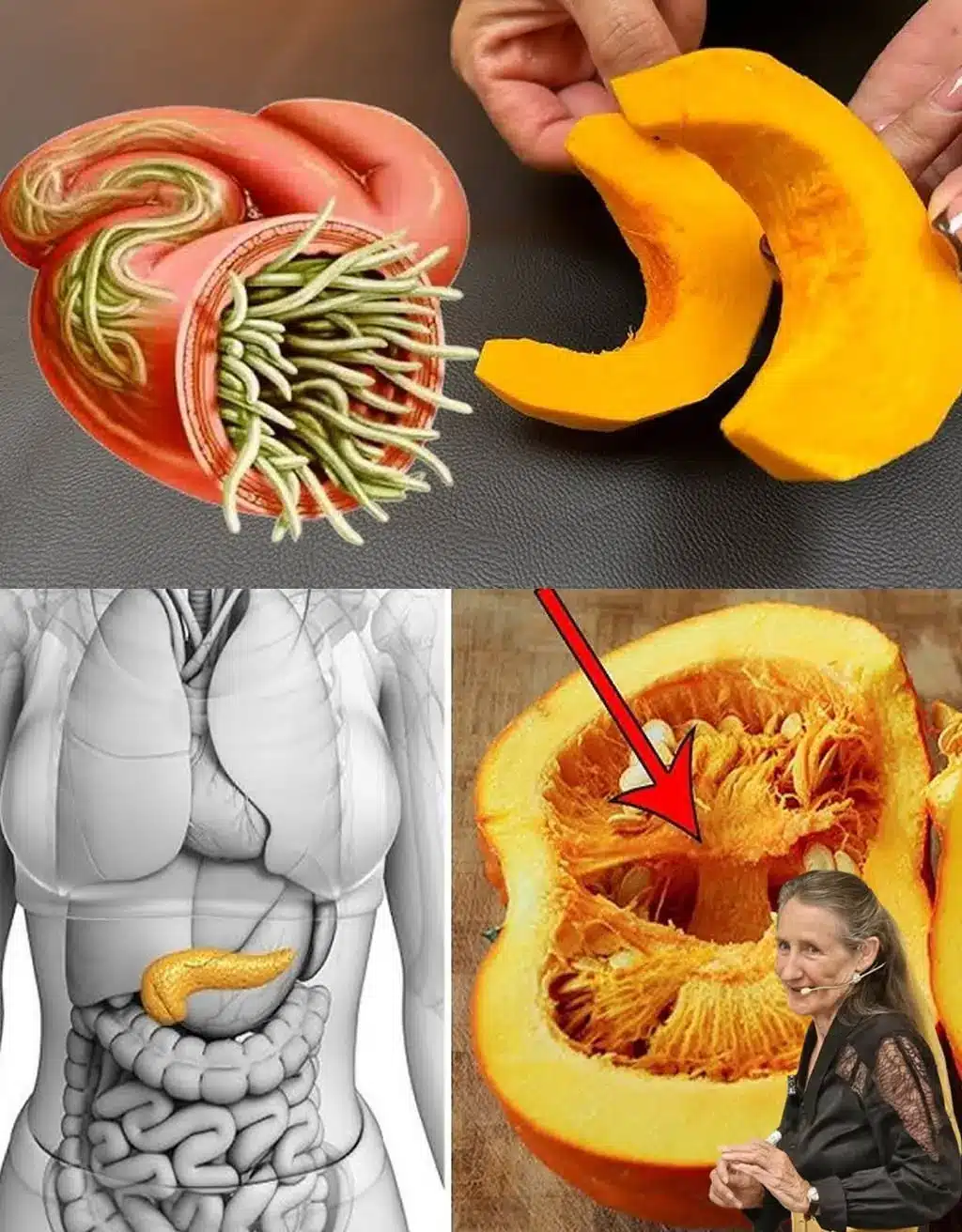
Traditionally, pumpkin seeds have been used in various cultures as a folk remedy for parasites due to a compound called cucurbitacin. While some animal studies show promise, there isn’t enough human clinical evidence to recommend pumpkin seeds for gut health as a primary treatment for parasites. They are best viewed as a supportive, nutrient-dense food rather than a medical treatment.
Can I eat the white shells of pumpkin seeds?
While the white shells are edible, they are extremely high in fiber and can be very tough. For many people, eating too many shells can lead to digestive health discomfort or even impaction in extreme cases. For the purpose of microbiome support and ease of use, most people prefer “pepitas,” which are the green seeds grown without a tough outer hull.
Roasted Pumpkin Seeds for Gut Health

A crunchy, nutrient-dense snack specifically crafted to support digestive wellness. These roasted pumpkin seeds are rich in fiber, magnesium, and cucurbitacin, a compound often linked to natural anti-parasitic properties.
- 2 cups raw pumpkin seeds (pepitas)
- 1 tablespoon extra-virgin olive oil
- 1/2 teaspoon sea salt
- 1/4 teaspoon ground turmeric
- 1/4 teaspoon garlic powder
- 1Preheat your oven to 300°F (150°C) and line a baking sheet with parchment paper.
- 2Rinse the pumpkin seeds thoroughly and pat them dry with a clean kitchen towel; moisture is the enemy of crispiness.
- 3In a mixing bowl, toss the dried seeds with olive oil, sea salt, turmeric, and garlic powder until evenly coated.
- 4Spread the seeds in a single layer on the prepared baking sheet.
- 5Bake for 40-45 minutes, stirring every 15 minutes, until golden brown and fragrant.
- 6Allow the seeds to cool completely on the tray before storing in an airtight container.
Keywords: pumpkin seeds, gut health, parasite cleanse, digestive health, healthy snacks, magnesium rich


