
Styes: Causes, Symptoms, and Safe Home Care

Waking up with a tender, red bump on your eyelid can be both frustrating and uncomfortable. A stye, which often looks like a small pimple near the edge of the eyelashes, can cause the entire eyelid to swell, itch, or feel incredibly sensitive to the touch. While it might be tempting to try and “pop” the bump to find relief, doing so can actually spread the infection. Finding a safe home treatment for styes is about using gentle, consistent methods that encourage the blockage to drain naturally while keeping the area clean and free from further irritation. Most of the time, these bothersome bumps are manageable with a bit of patience and the right approach to stye relief tips.
Understanding how to care for your eyes at home means recognizing when a simple remedy is enough and when the body needs a little extra help. By focusing on hygiene and heat, you can significantly reduce the lifespan of a stye and get back to feeling like yourself. The key is to treat the delicate tissue of the eyelid with extreme care, avoiding harsh chemicals or aggressive scrubbing. In this guide, we will explore the most effective ways to manage this common eye issue and how to ensure your bacterial eye infection prevention habits are up to par for the future.
What Exactly Is a Stye?
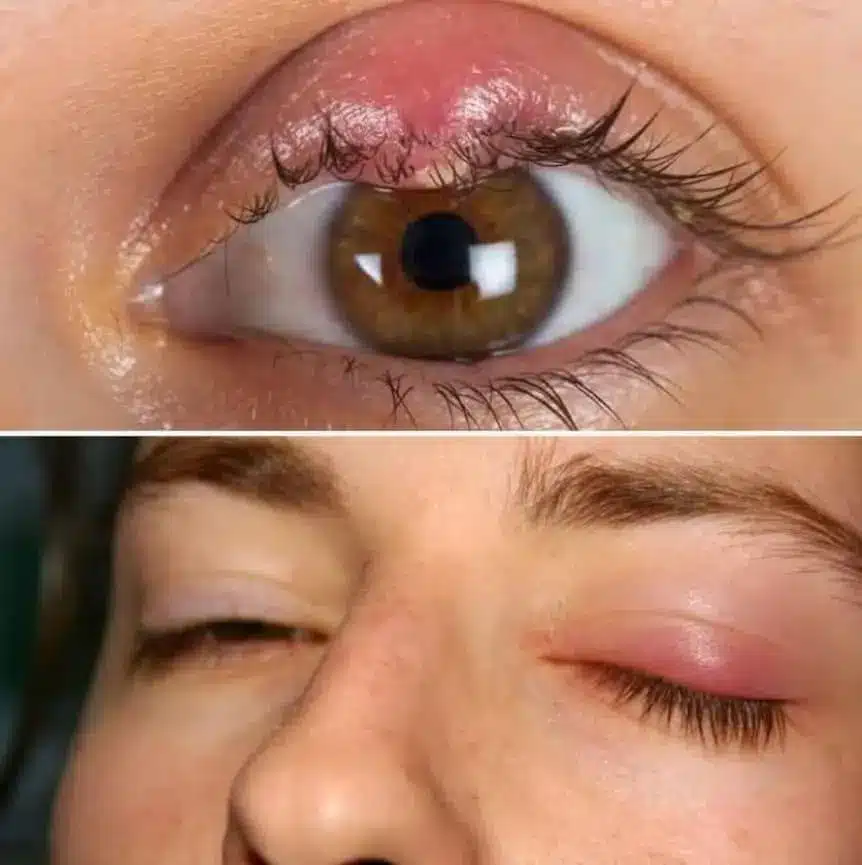
Before diving into treatments, it helps to understand what you are dealing with. A stye, medically known as a hordeolum, is a localized infection in the eyelid that causes a sore, red bump. Most styes occur along the edge of the eyelid because an oil gland or a hair follicle has become clogged and infected, usually by staphylococcus bacteria. This bacteria is often found on the skin and is generally harmless until it gets trapped in a confined space like a gland.
There are two main types of styes: external and internal. An external stye starts at the base of an eyelash, while an internal stye occurs inside one of the small oil glands within the eyelid. While they feel different, the path to a safe home treatment for styes remains largely the same for both. You might notice your eye feeling watery, a gritty sensation like something is stuck in your eye, or a localized “bruised” feeling before the bump even becomes visible. Recognizing these early signs can help you start treatment sooner, potentially shortening the duration of the discomfort.
The Gold Standard: Warm Compresses
The single most effective safe home treatment for styes is the application of heat. Much like a clogged pore on your face, the oil inside a stye is often thick and stagnant. Applying a warm compress for eye issues helps to liquefy the hardened oils and encourages the stye to open and drain on its own. This process shouldn’t be rushed; consistency is the secret to success when using heat for healing.
- Temperature Control: Use water that is warm to the touch but not hot enough to scald the delicate skin of the eyelid. A good rule of thumb is that if it is too hot for your inner wrist, it is too hot for your eye.
- Duration and Frequency: To see real results, apply the compress for 10 to 15 minutes at a time. This should be repeated 3 to 5 times throughout the day.
- Maintain Heat: If the cloth cools down during the 15-minute window, re-dip it in warm water to maintain a consistent temperature.
- Gentle Pressure: You do not need to press hard. Simply letting the warm cloth rest against the closed eye is enough to let the heat penetrate the gland.
Cleaning the Area Safely
Keeping the eyelid clean is a vital part of stye relief tips. When a stye begins to drain, it can leave a crusty residue on the lashes that may further irritate the eye or even lead to secondary infections. However, you should never use standard hand soap or body wash, as these are far too alkaline and irritating for the ocular surface. Instead, reach for a “tear-free” baby shampoo or a dedicated eyelid cleanser found at most pharmacies.
To clean the eye, mix a small amount of baby shampoo with warm water. Dip a clean cotton ball or a soft washcloth into the solution and very gently wipe along the base of the eyelashes. This helps break down the debris and bacteria without causing a stinging sensation. Always use a fresh cotton ball for each eye to prevent any potential spread of bacteria from one side to the other. This simple hygiene step is a cornerstone of bacterial eye infection prevention and can be continued even after the stye has healed to keep the oil glands flowing freely.
What to Avoid During Treatment
Knowing what not to do is just as important as the treatment itself. When you have an active stye, your eye is in a vulnerable state, and certain habits can make the situation much worse. First and foremost, resist the urge to squeeze or pop the stye. Unlike a typical pimple, a stye is located in a highly vascular area; squeezing it can push the infection deeper into the eyelid tissue or even toward the back of the eye, which can lead to a much more serious condition called cellulitis.
Furthermore, you should take a break from wearing contact lenses and eye makeup until the stye is completely gone. Contact lenses can trap bacteria against the cornea, increasing the risk of a more dangerous infection. Eye makeup, especially mascara and eyeliner, can harbor bacteria and further clog the already struggling oil glands. It is also a good idea to discard any eye makeup you were using when the stye first appeared, as the applicators may have become contaminated. These precautions are essential for a truly safe home treatment for styes.
When to Consult a Professional
While most styes resolve within a week of home care, there are specific “red flags” that indicate you need to see an optometrist or ophthalmologist. Home remedies are intended for simple, localized styes that show signs of improvement within 48 hours. If you experience any of the following, professional medical intervention may be necessary to prevent complications:
- Vision Changes: If your vision becomes blurry or you see “halos,” this is not a normal symptom of a stye and requires immediate attention.
- Swelling of the Entire Eye: If the redness and swelling spread beyond the eyelid to the cheek or the rest of the face, it could indicate a spreading infection.
- Internal Pain: A stye is a “surface” pain. If you feel deep pain within the eyeball itself, seek help.
- No Improvement: If the stye does not begin to shrink or feel less painful after 2 to 3 days of consistent warm compresses.
- Extreme Light Sensitivity: While a little sensitivity is common, extreme discomfort in normal light levels should be evaluated.
A doctor can provide a safe home treatment for styes that may include prescription antibiotic drops or ointments. In some cases, if a stye is particularly stubborn or turns into a hard, non-painful bump called a chalazion, a professional may need to perform a minor in-office drainage procedure.
Final Thoughts
Dealing with a stye is never a pleasant experience, but with the right stye relief tips, you can manage the discomfort and speed up the healing process safely. Remember that the eyelid is one of the most sensitive parts of the human body, and it responds best to gentle heat and impeccable hygiene. By consistently using a warm compress for eye relief and keeping the area clean with mild cleansers, you provide your body with the best environment to fight off the minor infection. Be patient, stay “hands-off,” and always prioritize the health of your vision by seeking professional help if the condition doesn’t improve.
Frequently Asked Questions
How long does it take for a stye to go away with home treatment?
In most cases, a stye will begin to improve within 2 to 3 days of consistent home care, particularly with the frequent use of warm compresses. Total resolution usually takes about 7 to 10 days. If the bump remains unchanged or grows larger after several days of safe home treatment for styes, it is best to consult an eye doctor to ensure no further medical intervention is required.
Can I use a tea bag as a warm compress for a stye?
Many people find success using a warm tea bag as a warm compress for eye relief. Black tea, in particular, contains tannins that may have mild antibacterial and anti-inflammatory properties. To do this safely, steep the tea bag in hot water, allow it to cool to a safe, warm temperature, and rest it on your closed eye for 10 minutes. Ensure the tea is plain and does not contain added flavors or oils that could irritate the eye.
Is a stye contagious to other people?
While the bacteria that cause styes (staphylococcus) can be transferred between people, a stye itself is not considered highly contagious like pink eye. However, to maintain good bacterial eye infection prevention, you should never share towels, washcloths, or eye makeup with others, especially when you have an active stye. Always wash your hands thoroughly after touching your eye or applying a compress.
What is the difference between a stye and a chalazion?
A stye is an acute, painful infection of a gland or follicle, often appearing red and “pimple-like.” A chalazion is usually a firm, non-painful bump that develops when an oil gland becomes blocked but is not necessarily infected. While a warm compress for eye relief is the starting treatment for both, a chalazion often takes much longer to resolve (sometimes weeks or months) and may require a doctor’s assistance if it doesn’t disappear on its own.
Can I wear eye makeup if I have a stye?
It is strongly recommended that you avoid all eye makeup, including mascara, eyeliner, and eyeshadow, until the stye has completely healed. Applying makeup can introduce more bacteria to the area and further clog the glands, hindering the safe home treatment for styes. Additionally, you should replace any eye makeup you were using when the stye developed to avoid re-infecting the eye later.
Stye Relief and Home Care Guide

Learn how to safely manage an eye stye at home. This guide covers causes like bacterial infection, symptoms such as redness and swelling, and the most effective safe care methods.
- 1 clean, soft washcloth
- Warm water (warm to the touch, not scalding)
- Mild, tear-free baby shampoo
- Cotton swabs
- Clean hands
- 1Sanitize: Wash your hands thoroughly with soap and water to prevent further infection.
- 2Warm Compress: Soak a clean washcloth in warm water, wring it out, and place it over the affected eye for 10 to 15 minutes.
- 3Maintain Heat: Re-dip the cloth in warm water as it cools to keep the temperature consistent.
- 4Gently Cleanse: Mix a small amount of baby shampoo with warm water and use a cotton swab to gently wipe away any crusting along the eyelid.
- 5Repeat: Perform these steps 3-4 times per day until the stye begins to drain and heal.
Keywords: stye relief, eye stye causes, symptoms of stye, warm compress for eye, eyelid infection care


