
Oatmeal Cookies

There is nothing quite like a warm cookie pulled straight from the oven, especially one that strikes the perfect balance between a crisp, golden edge and a bendable, tender center. Finding the formula for the best soft chewy oatmeal cookies often feels like a culinary quest, but the secret lies in the harmony of moisture and texture. These cookies are a nostalgic experience, bringing together the earthy warmth of cinnamon, the rich caramel notes of molasses, and the hearty, toasted flavor of grains in every bite.
Making a batch of these doesn’t require professional bakery equipment, but it does benefit from a few specific techniques that ensure the crumb stays moist for days. Whether you prefer them loaded with plump raisins or studded with dark chocolate chips, this recipe serves as the ultimate foundation for a cookie that remains soft long after it has cooled on the wire rack. By focusing on the quality of the old-fashioned oats and the proper aeration of the dough, you can achieve a professional-grade result in your own kitchen.
Why You’ll Love This Recipe
- Perfect Texture: These cookies deliver that iconic “bend” rather than a snap, ensuring a dense, fudgy middle that stays soft for days thanks to the high moisture content.
- Deep Flavor Profile: By using a higher ratio of brown sugar to granulated sugar, we achieve a rich, toffee-like flavor that perfectly complements the nutty old-fashioned oats.
- Simple Preparation: You don’t need fancy techniques or unusual ingredients; this recipe relies on standard pantry staples and a straightforward mixing process that even beginner bakers can master.
- Endless Versatility: While the base dough is spectacular on its own, it acts as a blank canvas for various mix-ins, from traditional fruit and nuts to modern chocolate and sea salt combinations.
Ingredients You’ll Need
The success of the best soft chewy oatmeal cookies depends on the role each ingredient plays in the chemical structure of the dough. Understanding why we use certain items will help you bake with more confidence and consistency.
- Unsalted Butter: Using room temperature butter is essential for the creaming process. It allows the sugar to create tiny air pockets, which helps the cookies rise slightly while maintaining a rich, buttery mouthfeel.
- Brown Sugar: This provides more than just sweetness; the molasses in the brown sugar draws in moisture, which is the primary secret behind the “chewy” factor in this recipe.
- Old-Fashioned Rolled Oats: Unlike quick oats, these provide a distinct, hearty texture and a nutty flavor that doesn’t disappear into the dough during the baking process.
- All-Purpose Flour: This provides the structural framework for the cookie. It’s important not to over-measure the flour, as too much will lead to a cakey or dry result.
- Cinnamon and Vanilla: These two aromatics work together to provide that classic, cozy scent and flavor that makes an oatmeal cookie feel like home.
- Eggs: Acting as the binder, eggs provide structure and extra moisture. Ensure they are at room temperature to prevent the butter from curdling during mixing.
Variations and Smart Swaps
The Classic Raisin Version: For those who love tradition, adding half a cup of raisins provides a chewy, tart contrast to the sweet dough. Soaking the raisins in warm water for ten minutes before adding them ensures they stay plump and juicy.
The Chocolate Lover’s Twist: Swap the fruit for semi-sweet or dark chocolate chips. The bitterness of the chocolate balances the brown sugar and butter notes beautifully, creating a more decadent dessert experience.
Nutty Crunch: Adding toasted pecans or walnuts can introduce a lovely textural contrast. The earthy flavor of the nuts pairs exceptionally well with the cinnamon and oats, adding a sophisticated layer to the profile.
Salted Toffee: For a modern gourmet feel, stir in some toffee bits and finish the cookies with a light sprinkle of flaky sea salt as soon as they come out of the oven. This enhances the caramel notes of the brown sugar.
How to Make the Best Soft Chewy Oatmeal Cookies
Step 1: Cream the Butter and Sugars
The foundation of the best soft chewy oatmeal cookies begins with the creaming process. In a large bowl, combine your softened room temperature butter with both the granulated and brown sugars. Beat them together for at least three to five minutes until the mixture looks pale, fluffy, and significantly lighter in volume. This step is crucial because the friction of the sugar crystals creates air pockets that will expand in the oven, giving the cookies a light but chewy structure rather than a dense, greasy one.
Step 2: Incorporate the Liquid Ingredients
Once the butter and sugar are perfectly aerated, add the eggs one at a time, beating well after each addition to ensure they are fully emulsified. Following the eggs, stir in a generous amount of pure vanilla extract. At this stage, the mixture should look smooth and glossy. If the mixture appears broken or curdled, your eggs may have been too cold; simply continue whisking until the batter comes back together into a cohesive, creamy state.
Step 3: Blend the Dry Ingredients
In a separate bowl, whisk together the flour, baking soda, salt, and a healthy dose of ground cinnamon. Slowly add these dry ingredients to the wet mixture, mixing on low speed or by hand just until the white streaks of flour disappear. It is vital to avoid overmixing at this stage, as overworking the flour develops gluten, which can turn a soft cookie into a tough, bread-like one. Stop as soon as the dough forms.
Step 4: Fold in the Oats and Mix-ins
The final step in the dough preparation is adding the old-fashioned oats and your choice of raisins, nuts, or chocolate. Use a sturdy spatula to fold these in by hand. By folding manually, you ensure the oats stay intact, providing that signature texture. The dough will be quite thick and slightly sticky, which is exactly what you want for a moist, chewy finished product. If time permits, chilling this dough for thirty minutes can help prevent excess spreading.
Step 5: Portion and Bake to Perfection
Scoop rounded tablespoons of dough onto a parchment-lined baking sheet, leaving enough space between them for slight spreading. Bake in a preheated oven until the edges are set and have turned golden brown edges, but the centers still look slightly underdone and soft. This is the most important rule of cookie baking: they will continue to firm up on the hot pan after you remove them from the oven. Overbaking by even a minute can result in a crunchy cookie rather than a soft one.
Pro Tips for Success
- Tip: Always use old-fashioned oats rather than quick-cooking or steel-cut varieties. Quick oats can make the cookies too dry, while steel-cut oats are too hard to soften during the short baking time.
- Tip: Measure your flour using the “spoon and level” method. Packing flour into a measuring cup can result in up to 20% more flour than needed, which is the leading cause of dry, crumbly cookies.
- Tip: Let the cookies rest on the baking sheet for at least five minutes after removing them from the oven. This allows the structure to set so they don’t break apart when you move them to a cooling rack.
- Tip: For perfectly round cookies, use a large circular glass or a cookie cutter to gently “scoot” the cookies into a circle immediately after they come out of the oven while they are still soft.
Troubleshooting Common Problems
Why Did My Cookies Spread Too Much?
Excessive spreading usually happens if the butter was too melted rather than just softened, or if the baking sheet was still hot from a previous batch. To fix this, ensure your butter is at room temperature (about 65°F) and always let your pans cool completely between batches. Chilling the dough for 30 minutes before baking also helps the fats stay solid longer in the oven.
Why Are My Cookies Tough and Dry?
This is often a sign of overmixing the dough or using too much flour. When you add the dry ingredients, mix only until the flour is just incorporated. Additionally, ensure you are using old-fashioned oats, as they absorb moisture differently than other types. If the cookies are dry, they may also have been left in the oven for too long; remember to pull them out when the centers still look slightly moist.
How to Serve Your Cookies
The best soft chewy oatmeal cookies are incredibly versatile when it comes to serving. While they are a masterpiece on their own, a few small additions can elevate them into a full dessert course.
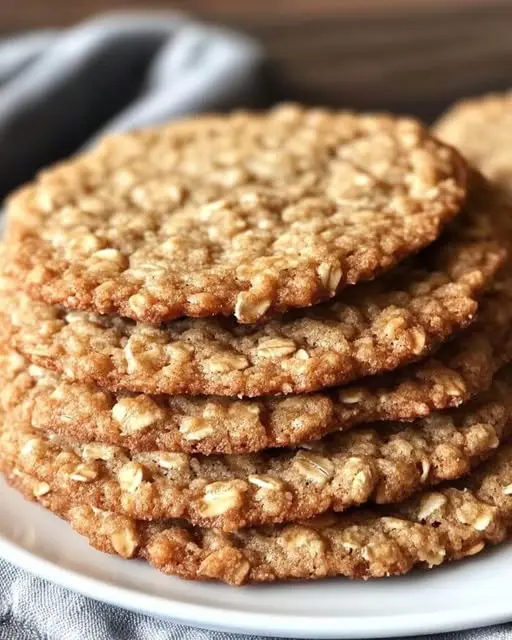
Classic Pairings
There is no pairing more iconic than a stack of warm cookies and a cold glass of milk. The creamy milk cuts through the rich brown sugar and butter flavors, making it a timeless snack. For a more sophisticated pairing, serve these with a hot cup of chai tea or a dark roast coffee, which highlights the warm cinnamon spices in the dough.
Creative Serving Ideas
If you want to get creative, use these cookies to make gourmet ice cream sandwiches. Sandwich a scoop of vanilla bean or salted caramel ice cream between two cookies and roll the edges in crushed walnuts. You can also crumble a few cookies over a bowl of Greek yogurt or vanilla pudding to add a hearty, sweet crunch to your breakfast or snack time.
Storage and Make-Ahead
Storing Leftovers
To keep your cookies soft, store them in an airtight container at room temperature for up to five days. A pro trick to maintaining moisture is to place a single slice of white bread inside the container; the cookies will absorb the moisture from the bread, staying “just-baked” soft for much longer.
Freezing and Reheating
You can freeze the baked cookies for up to three months. To enjoy, thaw them at room temperature or pop them in the microwave for ten seconds to regain that warm, gooey texture. Alternatively, you can freeze portions of raw dough on a tray, then transfer them to a freezer bag. This allows you to bake a single, fresh cookie whenever the craving strikes—just add an extra minute or two to the baking time.
Final Thoughts
Mastering the best soft chewy oatmeal cookies is a rewarding endeavor that brings a touch of bakery-quality comfort into your home. By focusing on the quality of your old-fashioned oats and mastering the timing of the bake, you create a treat that is as satisfying to make as it is to eat. These cookies are more than just a sweet treat; they are a reliable, crowd-pleasing classic that fits perfectly at school bake sales, holiday dessert tables, or simply as a quiet midnight snack. Grab your mixing bowl and enjoy the process of creating the perfect chewy cookie.
Frequently Asked Questions
Can I use quick oats instead of old-fashioned oats?
While you can use quick oats in a pinch, the texture will be significantly different. Quick oats are chopped into smaller pieces, which means they absorb moisture faster and lack the hearty “chew” that defines the best soft chewy oatmeal cookies. If you do use them, your cookies may turn out more cake-like and less textured than the original recipe intended.
How do I keep my cookies from getting hard the next day?
The key to long-lasting softness is avoiding overbaking and storing them correctly. Ensure you remove the cookies from the oven while the centers still look slightly underbaked. Once cooled, keep them in a strictly airtight container. Adding a piece of bread to the container is a highly effective, time-tested method to keep the brown sugar and butter based dough moist and pliable.
Do I need to chill the dough before baking?
While not strictly mandatory for this specific recipe, chilling the dough for 30 to 60 minutes is highly recommended. Chilling allows the flour and oats to fully hydrate and firms up the room temperature butter. This results in a thicker cookie with a more concentrated flavor and prevents the dough from spreading too thin on the baking sheet during the baking process.
Can I make these cookies gluten-free?
Yes, you can adapt this recipe by using a high-quality 1:1 gluten-free flour blend. However, it is critical to ensure that your old-fashioned oats are certified gluten-free, as oats are often processed in facilities that handle wheat. Gluten-free dough sometimes requires a slightly longer rest period (about 20 minutes) before baking to allow the flour to absorb the liquids and prevent a gritty texture.
Why are my cookies flat instead of thick and chewy?
Flat cookies are usually the result of butter that was too warm or greasy when mixed. If your kitchen is very warm, the butter can lose its structure. Another common culprit is placing dough onto a hot baking sheet between batches. Always use a room-temperature pan and consider chilling your dough if you notice the first batch spreading more than you would like.
Classic Chewy Oatmeal Cookies

These soft and chewy oatmeal cookies are filled with warm cinnamon and hearty oats. They are the perfect homemade treat for any occasion and come together in just 25 minutes.
- 1 cup unsalted butter, softened
- 1 cup granulated sugar
- 1 cup brown sugar, packed
- 2 large eggs
- 1 tsp vanilla extract
- 2 cups all-purpose flour
- 1 tsp baking soda
- 1 tsp salt
- 1 1/2 tsp ground cinnamon
- 3 cups rolled oats
- 1Preheat your oven to 350 degrees F (175 degrees C) and grease a baking sheet.
- 2In a large mixing bowl, cream together the softened butter and both sugars until smooth.
- 3Beat in the eggs one at a time, then stir in the vanilla extract.
- 4In a separate bowl, whisk together the flour, baking soda, salt, and cinnamon; gradually stir into the creamed mixture.
- 5Fold in the rolled oats until just combined.
- 6Drop rounded spoonfuls onto the prepared baking sheet.
- 7Bake for 10 to 12 minutes or until the edges are golden. Let cool for 5 minutes before moving to a wire rack.
Keywords: oatmeal cookies, chewy, baking, homemade dessert, oats, cinnamon


