
Creamy Grits

There is perhaps no dish more synonymous with hospitality and morning warmth than a bowl of perfectly executed grits. When you are looking for the best southern creamy grits recipe, you aren’t just looking for a side dish; you are looking for a velvety, soul-warming experience that balances the natural sweetness of corn with the richness of high-quality dairy. Real Southern grits should never be thin or gritty; instead, they should possess a luxurious creamy texture that holds its own next to crispy bacon, saucy shrimp, or a simple fried egg.
Mastering this staple is less about complex ingredients and more about patience and technique. By focusing on a slow-simmering process and the right ratio of liquids, you can transform humble cornmeal into Southern comfort food that rivals any high-end bistro offering. This guide will walk you through the nuances of heat control and whisking that ensure every spoonful is smooth, decadent, and deeply satisfying.
Why This Recipe Is a Keeper
- Unbeatable Texture: By using a specific combination of milk and water, this best southern creamy grits recipe achieves a level of silkiness that water alone simply cannot provide.
- Versatile Canvas: While these are incredible on their own, the base is designed to pair perfectly with both savory proteins and sharp cheeses, making it a 24-hour kitchen staple.
- Foolproof Technique: The method emphasizes the “low and slow” approach, which eliminates the common pitfalls of scorching or undercooking the grain.
- Deep Corn Flavor: We focus on stone-ground grits or high-quality old-fashioned varieties that retain their natural aromatic qualities throughout the cooking process.
Ingredients You’ll Need
To achieve a restaurant-quality result, the quality of your base ingredients is paramount. Unlike instant varieties, the components here are chosen for their ability to withstand a long simmer while building layers of flavor.
- Stone-Ground Grits: These are less processed than quick grits, offering a superior creamy texture and a more robust corn flavor that holds up during the long cooking time.
- Whole Milk: Using milk as a primary cooking liquid adds natural sugars and fats that soften the corn husks more effectively than plain water.
- Filtered Water: A balanced ratio of water and milk ensures the grits cook through completely without becoming overly thick or cloying too early in the process.
- Heavy Cream: This is added at the final stage to provide that signature “best southern” finish, creating a glossy sheen and a rich mouthfeel.
- Unsalted Butter: Adding butter at the end allows you to control the saltiness while providing a foundational richness that defines traditional slow-cooked grits.
- Kosher Salt: Essential for seasoning the grain from the inside out; adding salt to the boiling liquid is the only way to ensure the grits aren’t bland.
Simple Swaps and Variations
The Cheesy Variation: For a sharper profile, whisk in a cup of extra-sharp cheddar, smoked gouda, or parmesan once the grits are tender and the heat is turned off.
Savory Broth Base: If you are serving these with shrimp or braised meats, swap the water for high-quality chicken or vegetable stock to add a deeper savory note to the Southern comfort food classic.
Dairy-Free Option: While it changes the traditional flavor, you can use a full-fat coconut milk or a neutral nut milk combined with a plant-based butter to achieve a similar consistency.
Garlic Infused: Simmer a few smashed garlic cloves in the milk and water mixture, then remove them before whisking in the grits for a subtle, aromatic undertone.
How to Make the Best Southern Creamy Grits Recipe
Step 1: Bring the Cooking Liquids to a Boil
Start by combining your water, milk, and salt in a heavy-bottomed saucepan. It is vital to use a pot with a thick base to prevent the dairy from scorching as it heats up. Bring the mixture to a gentle boil over medium-high heat. Do not rush this step; you want the liquid hot enough to immediately begin hydrating the stone-ground grits the moment they hit the pan, which helps release the natural starches.
Step 2: Whisk in the Grits and Prevent Lumps
Once the liquid is bubbling, slowly pour the grits into the center of the pot while whisking vigorously. This is the most critical moment for ensuring a smooth result. Continuous whisking for the first two to three minutes prevents the grains from clumping together. Once the mixture begins to thicken slightly and returns to a simmer, reduce the heat to the lowest possible setting. Achieving the best southern creamy grits recipe requires a gentle touch at this stage.
Step 3: The Slow Simmer and Hydration
Cover the pot with a tight-fitting lid and let the grits simmer. Every 10 to 15 minutes, remove the lid and give them a thorough stir, scraping the bottom and corners of the pan where starches like to settle. If the mixture looks too thick before the grains are tender, splashes of warm water or milk can be added. This long, slow-cooked grits process usually takes between 45 and 60 minutes for stone-ground varieties, ensuring the texture is soft rather than “toothy.”
Step 4: Incorporate the Final Richness
Once the grits are completely tender and have absorbed most of the liquid, it is time to finish the dish. Stir in the heavy cream and the butter, whisking until the butter has completely melted and the grits look glossy. This final addition of fat creates the creamy texture that sets this recipe apart. Taste for seasoning and add a pinch more salt or a crack of black pepper if desired before serving immediately.
Pro Tips for the Best Results
- Tip: Always rinse your stone-ground grits in a bowl of water first and skim off any chaff or hulls that float to the top for the cleanest possible texture.
- Tip: If you find your grits are thickening too fast, don’t be afraid to add more liquid; grits are highly absorbent and can take more moisture than you might think.
- Tip: Use a whisk initially, but switch to a wooden spoon for the long simmer to ensure you are effectively moving the heavy starches off the bottom of the pot.
- Tip: For an even deeper flavor, toasted the dry grits in a dry pan for 2-3 minutes until they smell slightly nutty before adding them to the boiling liquid.
How to Serve Your Grits
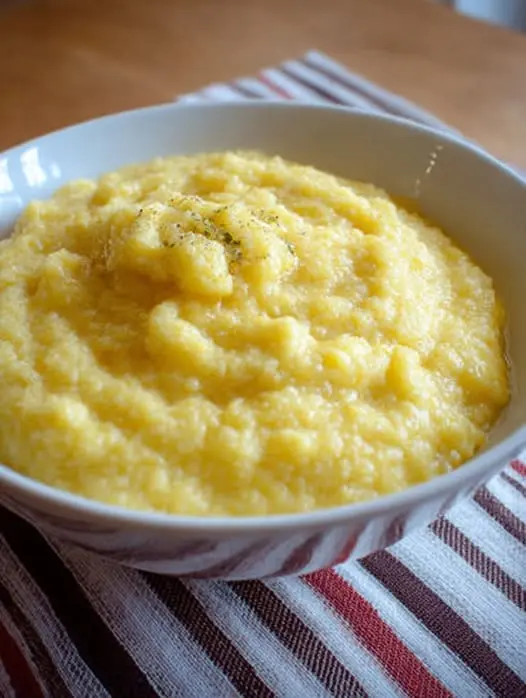
While a bowl of grits is a masterpiece on its own, its true strength lies in its ability to anchor a meal. For a traditional breakfast, serve these alongside thick-cut bacon, country ham, or over-easy eggs where the yolk can mingle with the creamy texture of the corn.
Garnishes
Freshly chopped chives, scallions, or a sprinkle of smoked paprika can add a pop of color and a bright contrast to the richness of the dairy. A final drizzle of high-quality olive oil or an extra pat of butter just before hitting the table is always a welcome addition.
Main Dish Pairings
If you are moving into lunch or dinner territory, these grits are the essential base for Southern comfort food favorites like blackened shrimp, grillades, or even short ribs. The mild corn flavor provides a perfect foil for spicy, acidic, or deeply savory sauces.
Storage and Make-Ahead
Storing Leftovers
Leftover grits can be stored in an airtight container in the refrigerator for up to five days. Note that as they cool, the starches will set, and the grits will become quite firm—almost like polenta.
Reheating
To restore the original creamy texture, reheat the grits on the stovetop over low heat. You will need to add a splash of milk, water, or cream and whisk vigorously to break up the set starches. Avoid the microwave if possible, as it tends to heat unevenly and can create rubbery patches.
Making It Ahead
You can make these up to two hours in advance and keep them warm in a slow cooker on the “warm” setting or in a heavy pot over a very low flame. Just be sure to stir in a little extra liquid right before serving to loosen them back up.
Final Thoughts
Perfecting the best southern creamy grits recipe is a rite of passage for any home cook who loves regional American cuisine. It is a lesson in the beauty of simple ingredients handled with care and time. Whether you are hosting a festive Sunday brunch or looking for a comforting weeknight side, these grits provide a luxurious foundation that never goes out of style. Once you experience the difference that stone-ground grits and a patient simmer make, you’ll never go back to the instant variety again.
Frequently Asked Questions
Can I use quick grits for this recipe?
While you can use quick grits in a pinch, they will not produce the same depth of flavor or the complex creamy texture found in stone-ground varieties. Quick grits are processed to cook in about 5 minutes, which means they lose much of the natural corn oil and texture that makes Southern comfort food so special. If you do use them, reduce the cooking time significantly according to the package directions.
Why are my grits still crunchy after 30 minutes?
If your grits are still crunchy, they likely haven’t been hydrated enough or the heat was too high, causing the liquid to evaporate before the grain could soften. High-quality stone-ground grits often require a full 45 to 60 minutes to become completely tender. Add another half cup of warm water or milk, cover tightly, and continue simmering on the lowest heat setting.
Should I salt the water at the beginning or the end?
You should always salt the water at the beginning. Salting the liquid allows the salt to penetrate the core of the grit as it expands and hydrates. If you wait until the end to season your best southern creamy grits recipe, the salt will only sit on the surface, often resulting in a dish that tastes both salty and bland at the same time.
Can I freeze cooked creamy grits?
Freezing is not recommended for creamy grits. The dairy components (milk and cream) tend to separate and become grainy upon thawing, and the corn starches change texture significantly in the freezer. It is much better to store them in the fridge and transform leftovers into fried grit cakes if you aren’t going to eat them as a creamy porridge.
What is the difference between grits and polenta?
While both are made from ground corn, grits are traditionally made from dent corn (a softer, starchier variety), while polenta is made from flint corn (which is harder and more textural). Grits are processed to be much smoother and creamier, whereas polenta is intended to have a bit more of a “bite” or coarser grain even when fully cooked.
Creamy Southern Style Grits

Rich, velvety, and buttery Southern-style grits made with heavy cream and butter for the ultimate comfort food side dish. Perfect for breakfast or as a savory dinner side.
- 1 cup stone-ground grits
- 2 cups water
- 2 cups whole milk
- 1/2 cup heavy cream
- 4 tablespoons unsalted butter
- 1 teaspoon kosher salt
- 1/2 teaspoon freshly cracked black pepper
- 1In a large saucepan, bring the water, milk, and salt to a gentle boil over medium-high heat.
- 2Slowly whisk in the grits, stirring constantly to prevent clumps from forming.
- 3Reduce the heat to low and cover the pot. Simmer for 20-25 minutes, whisking every few minutes to ensure the grits do not stick to the bottom.
- 4Once the grits are tender and creamy, stir in the heavy cream, butter, and black pepper.
- 5Remove from heat and let sit covered for 5 minutes before serving for the best consistency.
Keywords: creamy grits, southern recipes, breakfast sides, stone ground grits, butter grits


