
Tapioca Pudding

There is a specific kind of comfort that only a classic homemade tapioca pudding recipe can provide. Unlike the generic, over-sweetened cups found in the refrigerated aisle of the grocery store, a true homemade version offers a sophisticated balance of creamy custard and the delightful, chewy texture of pearl tapioca. It is a nostalgic comfort food dessert that reminds us of simpler times, yet it remains perfectly at home on a modern dinner table as a cozy, elegant finish to a meal.
Making this dessert from scratch is a rewarding process that relies on a few humble pantry staples. By carefully simmering the pearls in milk and tempering eggs to create a rich base, you achieve a consistency that is both light and indulgent. Whether you prefer it served warm from the pot or chilled until set, this traditional tapioca dessert is a testament to the fact that sometimes the oldest recipes are still the very best.
Why You’ll Love This Recipe
- Iconic Texture: This recipe delivers the perfect “beady” texture that fans of creamy custard pudding crave, avoiding the mushiness often found in instant versions.
- Wholesome Ingredients: You won’t find any artificial thickeners or preservatives here—just milk, eggs, sugar, and real vanilla for a clean, honest flavor.
- Customizable Sweetness: By making it at home, you have full control over the sugar levels and can easily infuse the milk with spices or citrus to suit your palate.
- Budget-Friendly: With a bag of dry pearls and basic refrigerator staples, you can whip up a large batch of stovetop dessert that feeds the whole family for just a few dollars.
Ingredients You’ll Need
The success of a classic homemade tapioca pudding recipe lies in the quality and type of ingredients used. Because the list is short, each component plays a vital role in the final flavor and structural integrity of the pudding.
- Small Pearl Tapioca: This is the foundation of the dish. Unlike “instant” or “minute” tapioca, small pearls require a bit more attention but provide a much more distinct and satisfying texture.
- Whole Milk: While you can use lower-fat options, whole milk provides the necessary fat content to create a lush, velvety mouthfeel that defines a creamy custard pudding.
- Granulated Sugar: This provides just the right amount of sweetness to balance the richness of the dairy and eggs without being cloying.
- Large Eggs: The yolks provide richness and a golden hue, while the proteins help thicken the pudding into a proper custard through the tempering process.
- Kosher Salt: A tiny pinch is essential to enhance the natural sweetness of the milk and the floral notes of the vanilla.
- Pure Vanilla Extract: Added at the very end to preserve its aromatic qualities, vanilla rounds out the flavor profile and adds a warm, inviting scent.
Variations and Smart Swaps
While the classic homemade tapioca pudding recipe is wonderful in its original form, it is also a fantastic canvas for various flavor profiles and dietary adjustments.
- Dairy-Free Option: You can substitute the whole milk with full-fat canned coconut milk. This creates a tropical version of the comfort food dessert that is naturally dairy-free and incredibly rich.
- Spiced Warmth: For a cozy autumn twist, simmer a cinnamon stick or a few whole cloves in the milk while the tapioca cooks. Remove them before adding the eggs for a subtle, spiced undertone.
- Citrus Zest: Grating a bit of fresh lemon or orange zest into the finished pudding adds a bright, acidic note that cuts through the creaminess beautifully.
- Chocolate Tapioca: Whisk in a tablespoon of high-quality cocoa powder with the sugar for a chocolatey variation that kids and adults alike will adore.
How to Make a Classic Homemade Tapioca Pudding Recipe
The process of making pearl tapioca pudding requires a bit of patience and a gentle hand with the heat, but the results are well worth the effort.
Step 1: Soak the Tapioca Pearls
To ensure the pearls cook evenly and become tender all the way through, start by soaking your small pearl tapioca in water. This hydration period softens the outer layer of the starch, preventing the centers from remaining hard or “chalky” after the cooking process. Depending on the specific brand of pearl tapioca you are using, this can take anywhere from 30 minutes to overnight. Once they have plumped up, drain the excess water thoroughly before moving on to the stovetop phase.
Step 2: Simmer with Milk and Sugar
Combine the soaked pearls, milk, sugar, and salt in a medium heavy-bottomed saucepan. Set the heat to medium-low and bring the mixture to a very gentle simmer. It is crucial to stir frequently during this stage to prevent the starch from sticking to the bottom of the pan and burning. You are looking for the pearls to turn from opaque white to mostly translucent, and the milk should begin to thicken slightly as the starch is released. This slow cook ensures the stovetop dessert develops a deep, milky flavor.
Step 3: Temper the Eggs Carefully
Tempering is the most critical technical step in a classic homemade tapioca pudding recipe. Whisk your eggs in a separate bowl. Slowly, one ladle at a time, whisk about a cup of the hot milk mixture into the eggs. This gradually raises the temperature of the eggs so they don’t scramble when added to the pot. Once the egg mixture is warm, slowly stream it back into the main saucepan while whisking constantly. This creates the smooth, cohesive creamy custard pudding base that sets this recipe apart.
Step 4: Final Thickening and Flavoring
Continue to cook the pudding over low heat for just a few more minutes after adding the eggs. Do not let it come to a hard boil, or the eggs may curdle. The pudding is ready when it is thick enough to coat the back of a spoon—keep in mind that it will continue to firm up significantly as it cools. Remove the pan from the heat and stir in the pure vanilla extract. This ensures the vanilla flavor stays bright and doesn’t cook off during the simmering process.
Pro Tips for Success
- Use a Heavy-Bottomed Pan: Milk and sugar are prone to scorching. A heavy pot distributes heat more evenly, protecting your traditional tapioca from burning.
- Don’t Rush the Heat: High heat will cause the milk to boil over and the pearls to stay hard in the middle. Low and slow is the secret to the perfect stovetop dessert.
- Stir Constantly: Tapioca pearls are very sticky. Constant movement ensures they remain separate and “suspended” in the custard rather than clumping together.
- Temper Slowly: If you add the eggs too fast, you’ll end up with bits of cooked egg in your pudding. Take your time with the tempering process for a silky result.
- Cover While Cooling: To prevent a thick “skin” from forming on top, press a piece of plastic wrap directly onto the surface of the pudding while it cools.
How to Serve This Recipe
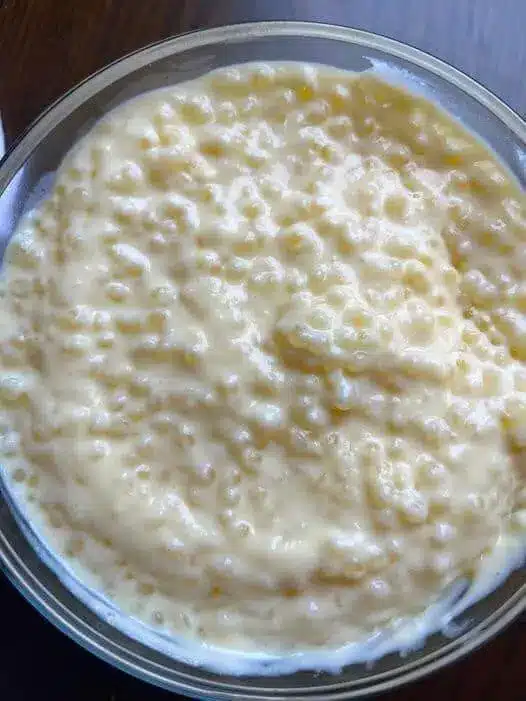
The beauty of a classic homemade tapioca pudding recipe is its versatility in presentation and temperature. Many purists insist that it must be eaten warm, just minutes after it leaves the stove, when the texture is at its loosest and most comforting.
Garnishes and Toppings
Adding a garnish can elevate this simple comfort food dessert into something special. Fresh berries like raspberries or blueberries add a nice tart contrast. For a bit of crunch, consider toasted coconut flakes or chopped macadamia nuts. A light dusting of ground cinnamon or nutmeg is also a classic choice that emphasizes the pudding’s warmth.
Creative Ways to Serve It
If you prefer a cold dessert, chill the pudding in individual ramekins for at least four hours. This allows the traditional tapioca to set into a firmer, almost mousse-like consistency. For an extra indulgent treat, fold in a half-cup of freshly whipped cream just before serving to lighten the texture and add a luxurious airiness to the dish.
Storage and Make-Ahead
Storing Leftovers
Any leftover pudding should be stored in an airtight container in the refrigerator. It will stay fresh and delicious for up to 3 to 4 days. Because the starch continues to absorb moisture, the pudding may thicken considerably in the fridge. If it becomes too stiff for your liking, simply stir in a splash of fresh milk or cream before serving to loosen it back up.
Making It Ahead
This is an excellent make-ahead dessert. You can prepare the classic homemade tapioca pudding recipe a day in advance, which actually allows the flavors to meld and the pearls to reach their peak texture. Just be sure to keep it tightly covered so it doesn’t absorb any other odors from the refrigerator.
Final Thoughts
Perfecting a classic homemade tapioca pudding recipe is a skill every home baker should have in their repertoire. It is a dish that relies on technique rather than expensive ingredients, proving that a little patience can turn milk and starch into something truly magical. Whether you are seeking a nostalgic treat to share with your family or a simple stovetop dessert for a quiet evening in, this pudding is sure to satisfy. Once you taste the difference that real pearl tapioca and a homemade custard make, you’ll never go back to the store-bought version again.
Frequently Asked Questions
Can I use instant tapioca instead of pearl tapioca?
While you can use instant tapioca, the results will be quite different. Instant tapioca is pre-cooked and dried, resulting in much smaller, less distinct granules. It doesn’t require soaking and cooks much faster, but it lacks the iconic “bubble” texture found in a classic homemade tapioca pudding recipe. If you make the switch, follow the package directions for the ratio of milk to starch, as they are not interchangeable.
Why is my tapioca pudding still runny?
If your pudding seems thin, it likely hasn’t cooked long enough or hasn’t had time to cool. The starch in pearl tapioca and the proteins in the eggs need heat to thicken, but the final “set” happens as the temperature drops. If it’s still runny after cooling, you may have used too much milk or didn’t simmer the pearls long enough to release their starch. You can try reheating it gently with an extra tempered egg yolk to thicken it further.
Can I freeze homemade tapioca pudding?
Freezing is generally not recommended for a creamy custard pudding. The freezing and thawing process tends to break down the delicate structure of the egg custard, causing the pudding to weep and become watery or grainy. The pearls can also become unpleasantly mushy. It is best enjoyed fresh or within a few days of being stored in the refrigerator.
Do I really need to soak the pearls?
Yes, for the best traditional tapioca experience, soaking is highly recommended. Unsoaked pearls take much longer to cook, and you risk the milk scorching before the centers of the pearls are tender. Soaking ensures that each pearl is hydrated evenly, resulting in a consistent texture throughout the entire batch of comfort food dessert.
How do I prevent the eggs from curdling?
The key to avoiding curdled eggs is the tempering process. Never add cold eggs directly to the hot milk. By slowly whisking a bit of the hot liquid into the eggs first, you gently raise their temperature. Additionally, keep the stove on low heat once the eggs are added and never let the mixture reach a full boil, as high heat is the primary cause of curdling in any creamy custard pudding.
Creamy Old-Fashioned Tapioca Pudding

A classic and comforting homemade tapioca pudding made with small pearls, fresh milk, and a hint of vanilla. This creamy dessert is perfect served warm or chilled.
- 1/3 cup small pearl tapioca (not the instant kind)
- 3/4 cup water (for soaking)
- 2 1/2 cups whole milk
- 1/4 teaspoon salt
- 1/2 cup granulated sugar
- 2 large eggs, well beaten
- 1 teaspoon pure vanilla extract
- 1In a small bowl, soak the tapioca pearls in the water for 30 minutes. Drain any excess water.
- 2In a medium saucepan, combine the soaked tapioca pearls, milk, and salt. Bring to a boil over medium-high heat, stirring constantly to prevent sticking.
- 3Reduce the heat to a low simmer and cook for 5 minutes, stirring frequently.
- 4In a separate bowl, whisk together the sugar and the beaten eggs.
- 5Temper the egg mixture by slowly pouring in about 1/2 cup of the hot tapioca mixture while whisking constantly.
- 6Pour the tempered egg mixture back into the saucepan. Cook over low heat for another 2 to 3 minutes until the pudding thickens enough to coat the back of a spoon.
- 7Remove from heat and stir in the vanilla extract.
- 8Pour into a large bowl or individual ramekins. Serve warm, or press plastic wrap against the surface and refrigerate for 2 hours to serve cold.
Keywords: tapioca, pudding, homemade dessert, creamy pudding, classic recipes


