
Buttermilk Pound Cake

There is a specific kind of magic found in a classic, old-fashioned dessert that relies on simple pantry staples to create something extraordinary. Finding the best buttermilk pound cake recipe is often a journey through family heirlooms and weathered recipe cards, searching for that elusive combination of a tight, velvety crumb and a deeply buttery flavor. This cake is the quintessential American bake, offering a sophisticated simplicity that works just as well for a casual Sunday brunch as it does for a grand holiday celebration. Unlike lighter sponge cakes, this pound cake has a satisfying weight to it, balanced perfectly by the subtle tang and incredible tenderness that only real buttermilk can provide.
Mastering this recipe is less about complex culinary gymnastics and more about understanding the relationship between temperature and texture. By following a few key techniques—like properly creaming your fats and resisting the urge to overmix—you can achieve a moist pound cake with a signature golden-brown crust that shatters slightly when sliced. This guide will walk you through the nuances of the best buttermilk pound cake recipe, ensuring your kitchen smells like a high-end bakery and your finished cake is the centerpiece of the table.
Why This Recipe Is a Keeper
- Unbeatable Texture: The addition of buttermilk breaks down gluten strands, resulting in a Southern buttermilk cake that is exceptionally tender and never dry or crumbly.
- Superior Flavor Profile: While butter provides the rich base, the buttermilk adds a complex acidity that cuts through the sugar, making the flavor more nuanced than a standard vanilla cake.
- Incredible Longevity: Because of the high fat content and the moisture-retaining properties of the ingredients, this cake actually tastes better on the second day as the flavors meld.
- Versatile Canvas: This classic bundt cake serves as the perfect foundation for fresh seasonal fruit, rich chocolate ganache, or a simple dusting of powdered sugar.
Ingredients You’ll Need
To achieve the best results, every ingredient in this best buttermilk pound cake recipe serves a specific structural or flavor-based purpose. Using high-quality staples ensures that the simple flavors of butter and vanilla really shine through in the final bake.
- Unsalted Butter: This is the heart of the cake. High-quality butter provides the richness and the structure needed for that iconic dense crumb; ensure it is softened to room temperature for proper aeration.
- Granulated Sugar: Beyond sweetness, sugar is vital for the creaming process, cutting tiny air pockets into the butter which help the cake rise naturally during the baking process.
- Large Eggs: Eggs provide the protein structure that holds the cake together. Adding them one at a time ensures the emulsion stays stable and the batter doesn’t break.
- All-Purpose Flour: This provides the necessary strength for a tall cake. Measuring it correctly—ideally by weight—prevents the cake from becoming heavy or tough.
- Full-Fat Buttermilk: The star ingredient. Its acidity reacts with the leavening agents to create a soft, moist pound cake texture that is impossible to replicate with regular milk.
- Vanilla Extract: Use a high-quality pure extract. Since the flavor profile is simple, the floral and woody notes of real vanilla are very prominent in the finished product.
- Baking Soda and Salt: Baking soda reacts with the buttermilk for lift, while a fine sea salt balances the sweetness and enhances the natural buttery notes.
Easy Ways to Change It Up
While the best buttermilk pound cake recipe is stunning on its own, it is also highly adaptable to different flavor profiles and seasonal shifts. You can easily modify the base batter to suit your specific cravings or the occasion.
Lemon Zest Variation: For a bright, citrusy twist, fold in two tablespoons of fresh lemon zest and a tablespoon of lemon juice. This enhances the natural tang of the buttermilk and makes for a very refreshing easy dessert recipe.
Almond and Vanilla Bean: Swap half of the vanilla extract for almond extract and add the seeds of one vanilla bean. This creates a deeply aromatic, “wedding cake” style flavor that pairs beautifully with stone fruits like peaches or cherries.
Marble Pound Cake: Remove one-third of the finished batter and fold in a quarter cup of high-quality cocoa powder. Swirl the chocolate batter into the vanilla base in the pan for a beautiful visual effect and a hint of cocoa richness.
Toasted Pecan Addition: For a bit of Southern flair, fold in half a cup of finely chopped, toasted pecans. The nutty crunch provides a wonderful contrast to the soft, velvety crumb of the Southern buttermilk cake.
How to Make the Best Buttermilk Pound Cake
Step 1: Cream the Butter and Sugar Thoroughly
Start by beating your softened unsalted butter and granulated sugar together for at least five minutes. This step is critical for the best buttermilk pound cake recipe because it’s the only time you’re truly incorporating air into the structure. You are looking for a pale, almost white color and a fluffy, whipped texture. If you stop too early, the cake will be heavy and dense rather than velvety. Scrape down the sides of the bowl frequently to ensure every bit of sugar is fully integrated into the fat.
Step 2: Incorporate the Eggs One by One
Add your room-temperature eggs to the creamed mixture one at a time, beating well after each addition. This ensures a stable emulsion. If you add the eggs too quickly, the batter may curdle or separate, which affects the final crumb of your moist pound cake. If the batter looks like it is starting to break, add a tablespoon of your measured flour to help bind the fats and liquids back together before proceeding with the remaining eggs.
Step 3: Alternate the Dry Ingredients and Buttermilk
With the mixer on low speed, add the dry ingredients (flour, baking soda, and salt) in three parts, alternating with the buttermilk in two parts. Begin and end with the flour. This technique prevents the batter from becoming over-saturated with liquid or over-worked with flour. Overmixing at this stage develops too much gluten, which would turn your classic bundt cake into something tough and bread-like. Mix just until the white streaks of flour disappear.
Step 4: Bake Until Golden and Fragrant
Pour the thick, glossy batter into a heavily greased and floured bundt pan or loaf pan. Smooth the top with a spatula and bake in the center of the oven. Because pound cakes are so dense, they require a longer bake time at a moderate temperature. You are looking for the cake to pull slightly away from the edges of the pan and for a wooden skewer inserted into the thickest part to come out clean or with just a few moist crumbs attached. The top should be a deep, dark golden brown.
Step 5: The Critical Cooling Period
Allow the cake to cool in the pan for exactly 10 to 15 minutes before attempting to invert it. This brief rest allows the structure to firm up slightly, making it less likely to break. If you wait too long, the sugar in the crust will begin to stick to the pan as it cools. After inverting onto a wire rack, let the cake cool completely. Slicing into a hot pound cake can cause the steam to escape too quickly, which may lead to a gummy interior texture.
Pro Tips for Success
- Room Temperature Is Non-Negotiable: Ensure your butter, eggs, and buttermilk are all at room temperature. Cold ingredients will not emulsify properly, leading to a flat cake with a coarse texture.
- Measure Flour by Weight: A cup of flour can vary significantly depending on how it’s scooped. For the best buttermilk pound cake recipe, using a kitchen scale ensures a consistent, light crumb every time.
- Don’t Skimp on Pan Prep: Use a high-quality baking spray with flour included, or traditionally grease with shortening and a heavy dusting of flour. Bundt pans have many crevices where a moist pound cake can easily stick.
- Check Your Oven Temperature: Pound cakes bake for a long time. If your oven runs hot, the outside will burn before the middle is set. Using an oven thermometer is the best way to guarantee a perfect bake.
- The “Spoon and Level” Method: If you don’t have a scale, fluff your flour with a spoon, scoop it into the measuring cup, and level it off with a knife to avoid packing too much flour into the recipe.
Troubleshooting Common Problems
Why Did My Cake Sink in the Middle?
A cake usually sinks because the middle wasn’t fully baked through, or the oven door was opened too early in the process, causing a sudden temperature drop. Another common culprit is overbeating the eggs, which incorporates too much air that eventually collapses. Ensure your baking soda is fresh, as expired leavening can also cause a lack of structural support, leading to a middle that caves in.
Why Is the Texture Gummy or Heavy?
This is often a result of overmixing the batter once the flour is added. When you overwork the flour, you develop gluten, which creates a tough, gummy texture rather than a tender crumb. It can also happen if your butter was too soft (melted) or if you didn’t cream the butter and sugar long enough to create those necessary air pockets. Always mix on the lowest speed once the dry ingredients are introduced.
Why Did the Cake Stick to the Pan?
Sticking is usually due to improper pan preparation or removing the cake from the pan at the wrong time. If the cake is too hot, it is fragile and will tear. If it is too cold, the sugars have “glued” it to the metal. Stick to the 10-15 minute cooling window. For intricate bundt designs, using a pastry brush to ensure every nook is greased with melted shortening and flour is the most reliable method.
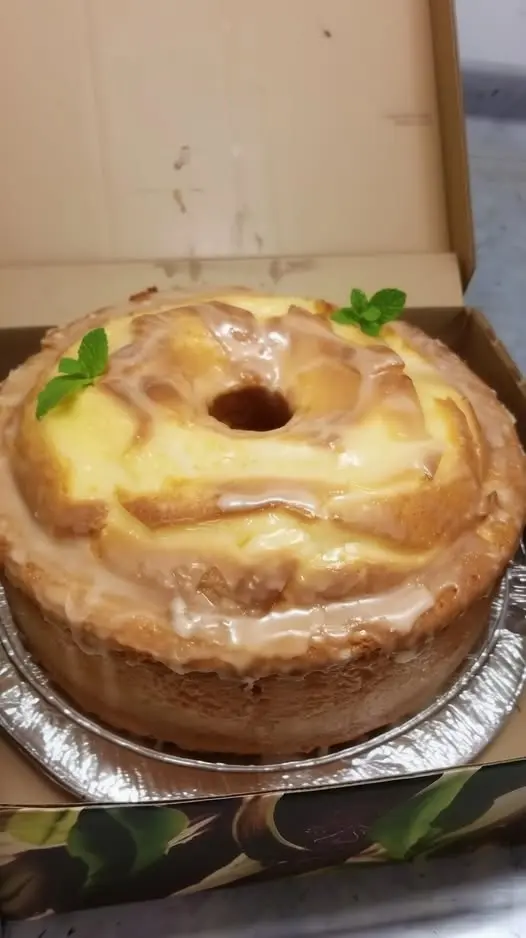
How to Serve This Classic Cake
The beauty of the best buttermilk pound cake recipe lies in its versatility. It is elegant enough to stand alone but sturdy enough to support a variety of decadent toppings.
Traditional Toppings
For a classic presentation, serve slices at room temperature with a generous dollop of homemade whipped cream and a side of macerated strawberries. The acidity of the berries complements the Southern buttermilk cake perfectly. A simple dusting of powdered sugar is also a timeless way to highlight the beautiful shape of a bundt cake without adding too much extra sweetness.
Warm and Indulgent
If you prefer a warm dessert, lightly toast a slice of the moist pound cake in a pan with a little butter and serve it with a scoop of vanilla bean ice cream and a drizzle of salted caramel sauce. The heat crisping up the edges of the cake creates a wonderful textural contrast with the melting ice cream.
Coffee and Tea Service
Because of its dense, sturdy nature, this cake is the ideal companion for a hot cup of coffee or tea. It doesn’t fall apart when dipped, making it a favorite for afternoon tea. For a morning treat, try spreading a little orange marmalade or lemon curd on a thin slice.
Storage and Make-Ahead
Storing Leftovers
Pound cake actually stores remarkably well. Keep it in an airtight container at room temperature for up to three days. The high fat content helps the best buttermilk pound cake recipe stay moist. If you live in a particularly humid environment, you can store it in the refrigerator for up to a week, though you should allow slices to come to room temperature before serving to restore the buttery texture.
Freezing Instructions
This cake freezes beautifully, making it an excellent easy dessert recipe to have on hand for last-minute guests. Wrap the completely cooled cake (either whole or in individual slices) tightly in plastic wrap, then a layer of aluminum foil. It will stay fresh in the freezer for up to three months. Thaw at room temperature for a few hours before serving.
Making It Ahead
If you are planning a party, feel free to bake this cake a full day in advance. In fact, many bakers prefer the flavor of a pound cake on day two, as the moisture redistributes and the crust softens slightly. Simply keep it well-wrapped at room temperature until you are ready to plate and serve.
Final Thoughts
Bringing the best buttermilk pound cake recipe into your regular baking rotation is a decision your future self will thank you for. There is something deeply comforting about the process of creaming butter and watching a simple batter transform into a towering, golden masterpiece. Whether you are following in the footsteps of a Southern grandmother or starting your own tradition, this cake represents the pinnacle of home baking. With its rich, buttery heart and its delicate buttermilk tang, it is a classic bundt cake that never goes out of style. Once you pull that perfectly browned cake from the oven, you’ll understand why this recipe has remained a staple in American kitchens for generations.
Frequently Asked Questions
Can I use a substitute for buttermilk?
While you can make a “hack” by adding a tablespoon of lemon juice or vinegar to a cup of regular milk, for the best buttermilk pound cake recipe, I highly recommend using the real thing. Real buttermilk is thicker and more acidic, which provides a specific chemical reaction with the baking soda that “milk plus acid” cannot perfectly replicate. The texture of the moist pound cake will be significantly better with the real ingredient.
Can I use cake flour instead of all-purpose flour?
Yes, you can swap all-purpose for cake flour if you prefer an even finer, more delicate crumb. However, because cake flour is lighter, you should use about 1 and 2 tablespoons of cake flour for every cup of all-purpose called for. Keep in mind that the cake will be slightly more fragile. If you want that traditional, sturdy Southern buttermilk cake feel, all-purpose flour is generally the preferred choice.
What is the best way to prevent a pound cake from sticking to a bundt pan?
The most effective method is using a mixture called “cake goop”—equal parts flour, oil, and shortening whisked together—and painting it into the pan with a pastry brush. Alternatively, use a high-quality non-stick spray that contains flour. Avoid using just butter, as the milk solids in the butter can actually act as a glue and cause the classic bundt cake to stick to the intricate designs of the pan.
How do I know if my pound cake is done without a thermometer?
The most reliable visual cue is when the cake begins to slightly pull away from the sides of the pan. You can also use the “touch test”: gently press the top of the cake with your finger; it should spring back immediately. If it leaves an indentation, it needs more time. Of course, a wooden skewer inserted into the center should always come out clean or with dry crumbs, never wet batter.
Can I make this recipe into cupcakes or mini loaves?
Absolutely! This easy dessert recipe works well in different formats. For cupcakes, bake at 350°F (175°C) for about 18–22 minutes. For mini loaves, check them around the 30-minute mark. Because the volume is smaller, the bake time will be significantly reduced, so keep a close eye on them to ensure they stay moist and don’t dry out in the smaller pans.
Classic Buttermilk Pound Cake

This Buttermilk Pound Cake is a Southern classic known for its incredibly moist, dense, and velvety texture. The addition of buttermilk provides a subtle tang that perfectly balances the rich buttery flavor and sweetness.
- 1 1/2 cups unsalted butter, softened
- 3 cups granulated sugar
- 5 large eggs, room temperature
- 3 cups all-purpose flour, sifted
- 1/2 teaspoon baking soda
- 1/2 teaspoon salt
- 1 cup buttermilk
- 2 teaspoons vanilla extract
- 1 teaspoon almond extract
- 1Preheat oven to 325°F (165°C). Thoroughly grease and flour a 10-inch tube pan or Bundt pan.
- 2In a large mixing bowl, cream the butter and sugar together on medium-high speed until light and fluffy, approximately 5 minutes.
- 3Add eggs one at a time, beating well after each addition to ensure a smooth emulsion.
- 4In a separate bowl, whisk together the sifted flour, baking soda, and salt.
- 5Add the flour mixture to the creamed butter alternately with the buttermilk, starting and ending with the flour. Mix on low speed until just combined.
- 6Stir in the vanilla and almond extracts by hand.
- 7Pour the batter into the prepared pan and smooth the surface with a spatula.
- 8Bake for 75 to 90 minutes, or until a long wooden skewer inserted into the center comes out clean.
- 9Cool the cake in the pan for 15-20 minutes before carefully inverting onto a wire rack to cool completely.
Keywords: pound cake, buttermilk, dessert, southern baking, vanilla cake


