Cheesy Potato Casserole

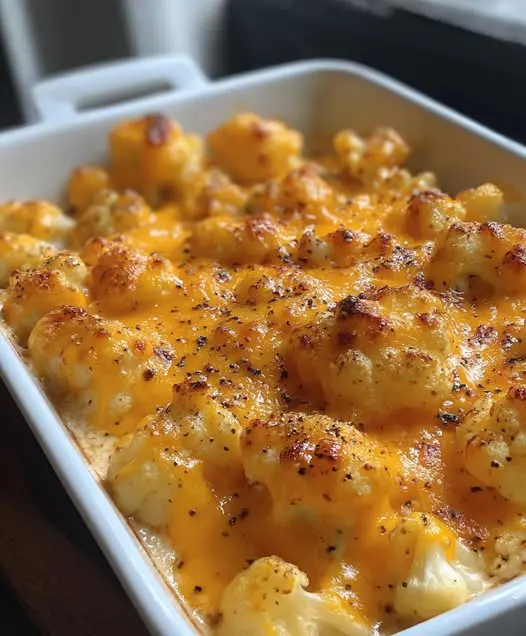
There is something undeniably nostalgic about a tray of bubbling, golden-brown potatoes emerging from the oven. This best cheesy potato casserole recipe represents the ultimate in American comfort food, combining a rich, velvety sauce with tender potatoes and a signature crunch. Often found at holiday gatherings, potlucks, and family dinners, this dish has earned its reputation by being both incredibly reliable and universally loved by diners of all ages. The marriage of melted cheese and a creamy binder creates a hash brown casserole experience that feels like a warm hug on a plate.
Making this comfort food side dish is surprisingly straightforward, requiring minimal prep work while delivering a high-impact result. By focusing on the balance of creaminess and texture, you can transform simple pantry staples into a side dish that often steals the spotlight from the main course. Whether you are hosting a festive Thanksgiving dinner or a casual Sunday brunch, this make-ahead potato side is a foolproof addition to your menu.
Why This Recipe Is a Keeper
- Crowd-Pleasing Appeal: The combination of mild cheddar and a creamy sauce ensures that even the pickiest eaters will reach for seconds.
- Incredible Texture: You get the best of both worlds with a soft, decadent interior and a cornflake topping that provides a satisfying, buttery crunch.
- Preparation Flexibility: It is highly adaptable, allowing you to prep it hours or even a day in advance, making it a stress-free option for busy hosts.
- Pantry-Friendly Ingredients: Most of the components are likely already in your kitchen or easily found at any local grocery store.
Ingredients You’ll Need
The success of the best cheesy potato casserole recipe lies in the quality and harmony of its basic components. Each ingredient serves a specific purpose, from providing the structural base to ensuring the sauce is thick enough to coat every morsel of potato without becoming greasy.
- Frozen Hash Browns: These serve as the backbone of the dish. Using frozen potatoes saves significant time on peeling and shredding, and their uniform size ensures even cooking throughout the tray.
- Cream of Chicken Soup: This acts as the primary binder and flavor base. It provides a savory, concentrated chicken essence and a thick consistency that holds the casserole together.
- Sour Cream: The inclusion of sour cream adds a necessary tanginess that cuts through the richness of the cheese and butter, providing a balanced flavor profile.
- Shredded Cheddar Cheese: A sharp or extra-sharp cheddar is recommended to ensure the cheese flavor isn’t lost. It melts beautifully into the sauce, creating those iconic cheesy pulls.
- Melted Butter: Butter is used both in the potato mixture for richness and in the topping to help the cereal or crackers brown into a crisp, savory crust.
- Aromatics: Dried onion flakes or garlic powder provide a subtle depth of flavor without the moisture or texture of raw onions, keeping the focus on the creamy potatoes.
- Crunchy Topping: Whether you choose crushed cornflakes or buttery crackers, this layer provides the essential textural contrast to the soft potatoes underneath.
Variations and Smart Swaps
While the classic version is iconic, this best cheesy potato casserole recipe is a fantastic canvas for experimentation. Depending on what you have in your pantry or your specific dietary preferences, you can easily pivot the flavor profile.
- Protein-Packed Variation: Stir in cooked, crumbled bacon or diced ham to turn this side dish into a hearty breakfast or a standalone main meal.
- Spice it Up: Add a small can of diced green chiles or a dash of cayenne pepper to the creamy mixture for a subtle heat that complements the rich cheese.
- Vegetarian Adaptation: Swap the cream of chicken soup for cream of mushroom or cream of celery to make this dish suitable for vegetarians without losing the creamy texture.
- Cheese Upgrades: Replace half of the cheddar with Pepper Jack for a spicy kick, or use Smoked Gouda to give the casserole a sophisticated, campfire-inspired aroma.
How to Make the Best Cheesy Potato Casserole Recipe
Step 1: Thaw and Prep the Potatoes
For the most consistent results, allow your frozen hash browns to thaw slightly before mixing. If the potatoes are completely frozen when they go into the oven, they may release too much moisture, leading to a runny sauce. Patting them dry with a paper towel after thawing helps ensure the best cheesy potato casserole recipe stays thick and creamy. While they thaw, preheat your oven and grease your baking dish thoroughly to prevent sticking.
Step 2: Create the Creamy Flavor Base
In a large mixing bowl, whisk together the condensed soup, sour cream, and melted butter until the mixture is completely smooth and emulsified. This is the stage where you add your seasonings, such as salt, black pepper, and onion powder. By mixing the sauce components first, you ensure that the flavor is evenly distributed before the bulkier ingredients are added, preventing any pockets of unseasoned sauce.
Step 3: Fold in the Potatoes and Cheese
Gently add the thawed hash browns and the shredded cheddar cheese to the bowl. Use a large spatula to fold the ingredients together until every piece of potato is generously coated in the creamy sauce. You want a cohesive mixture where the cheese is evenly dispersed. Transfer the mixture to your prepared baking dish, spreading it into an even layer without packing it down too tightly, which allows heat to circulate through the casserole.
Step 4: Prepare the Signature Crunchy Topping
The topping is what truly defines this comfort food side dish. Crush your cereal or crackers into coarse crumbs—avoiding a fine powder so you maintain that distinct crunch. Toss the crumbs with a bit of melted butter until they are evenly moistened. Sprinkle this mixture over the top of the potatoes in a thick, uniform layer. The butter in the topping will help the crumbs toast to a deep golden brown while they bake.
Step 5: Bake Until Bubbling and Golden
Place the casserole in the center of the oven and bake until the edges are bubbling and the topping has reached a perfect golden hue. The internal temperature needs to rise enough to melt the cheese completely and allow the starch from the potatoes to thicken the sauce. If the topping begins to brown too quickly, you can loosely tent the dish with foil for the last few minutes of cooking.
Pro Tips for Success
- Tip: Always shred your own cheese from a block if possible. Pre-shredded cheese is often coated in potato starch to prevent clumping, which can result in a grainier sauce once melted.
- Tip: To achieve the ultimate cornflake topping, use a rolling pin to crush the cereal in a sealed bag; this keeps the crumbs consistent and your kitchen clean.
- Tip: Don’t over-mix the potatoes once they are in the sauce. If you are using shredded hash browns, too much stirring can break them down and make the texture mushy.
- Tip: Let the casserole rest for 5 to 10 minutes after taking it out of the oven. This allows the sauce to set slightly, making it much easier to serve clean scoops.
Troubleshooting Common Problems
Why Is My Casserole Too Runny?
A runny casserole is usually the result of excess moisture. This most often happens if the potatoes were still very icy when mixed or if they weren’t patted dry after thawing. To fix this in the future, ensure a full thaw. If it’s already in the oven, try baking it for an extra 10 minutes uncovered to allow some of the liquid to evaporate.
The Topping Is Burnt But the Center Is Cold
This occurs when the oven temperature is too high or the rack is too close to the top heating element. If the topping is getting too dark, cover the dish with aluminum foil. This reflects the heat away from the surface while allowing the interior of the best cheesy potato casserole recipe to continue cooking through.
How to Serve Cheesy Potato Casserole
This dish is incredibly versatile and pairs well with a variety of main courses. Because it is so rich and savory, it serves as the perfect balance for lean proteins or smoked meats. It is a staple at holiday dinners alongside roasted turkey or honey-glazed ham, where the creamy sauce complements the savory meat juices perfectly.
For a more casual setting, serve it at a backyard barbecue with grilled chicken or ribs. The cool tang of the sour cream in the potatoes provides a refreshing contrast to smoky, spicy BBQ sauces. If you are serving this for brunch, it pairs beautifully with soft scrambled eggs and fresh fruit, acting as a more decadent version of traditional home fries.
To brighten the presentation, consider garnishing the finished dish with a sprinkle of fresh chives or chopped green onions. The pop of green adds a fresh, oniony bite that cuts through the heaviness of the cheese and butter. A side of roasted green beans or a crisp garden salad can also provide a light, crunchy element to round out the meal.
Storage and Make-Ahead
Storing Leftovers
If you have any leftovers, they can be stored in an airtight container in the refrigerator for up to four days. The flavors often deepen overnight, making the leftovers just as delicious the next day. Note that the topping may lose some of its initial crunch after being refrigerated, but the creamy interior will remain excellent.
Reheating
To reheat, the oven is your best friend. Placing a portion back in a 350°F oven for 15 minutes will help revive the texture of the topping better than a microwave. If you are in a rush, the microwave works fine, though the topping will likely become soft.
Making It Ahead
This is an excellent make-ahead potato side. You can assemble the entire potato mixture, spread it in the dish, and cover it tightly with plastic wrap up to 24 hours in advance. For the best results, wait to add the buttery crunch topping until just before you slide the dish into the oven to ensure it stays as crisp as possible.
Final Thoughts
Mastering the best cheesy potato casserole recipe is a rite of passage for anyone who loves classic American comfort food. It is a dish that prioritizes flavor and texture over complexity, proving that simple ingredients can produce extraordinary results when combined correctly. Its ability to be prepared in advance and its universal popularity make it a reliable choice for any gathering. Once you see how quickly this disappear from the table, you’ll understand why it has remained a cherished favorite for generations. Give this recipe a try at your next family feast and watch it become a new tradition in your home.
Frequently Asked Questions
Can I use fresh potatoes instead of frozen hash browns?
Yes, you can use fresh potatoes, but it requires a bit more labor. You will need to peel, shred, or cube the potatoes and then parboil them for a few minutes until they are slightly tender but not fully cooked. Ensure they are thoroughly drained and dried before mixing them with the sauce to prevent a watery casserole. Frozen hash browns are preferred for their convenience and consistent moisture content.
Can I freeze this casserole before baking?
Absolutely. This dish freezes remarkably well. Assemble the potato and sauce mixture in a freezer-safe dish, but leave the topping off. Wrap it tightly in several layers of plastic wrap and a final layer of aluminum foil. It will stay fresh in the freezer for up to three months. When you are ready to eat, thaw it in the refrigerator overnight, add the fresh topping, and bake as directed.
Is there a substitute for cornflakes in the topping?
If you don’t have cornflakes, crushed Ritz crackers or saltines are excellent alternatives that provide a similar buttery crunch. Some people also enjoy using panko breadcrumbs toasted with butter or even crushed potato chips for a saltier finish. Each option provides a slightly different texture, but all will give you that necessary contrast to the creamy potatoes.
Why did my cheese sauce separate?
The most common reason for a sauce separating is overheating. If the oven is too hot, the fats in the cheese and sour cream can break away from the solids, leading to an oily appearance. Sticking to the recommended temperature and ensuring your ingredients are well-combined before baking will help maintain a smooth, velvety consistency throughout the cooking process.
What is the difference between this and “Funeral Potatoes”?
In many regions, particularly in the Intermountain West, the best cheesy potato casserole recipe is widely known as “funeral potatoes” because it is a staple dish served at after-funeral luncheons. The recipes are essentially identical, featuring a base of hash browns, a creamy soup-based sauce, plenty of cheese, and a crunchy topping. The name highlights the dish’s role as the ultimate comfort food for large gatherings.
Cheesy Potato Casserole

A comforting and creamy cheesy potato casserole, also known as "Funeral Potatoes," topped with a crunchy cornflake crust. Perfect for holidays or family dinners.
- 32 oz frozen shredded hash browns, thawed
- 2 cups sour cream
- 1 can (10.5 oz) condensed cream of mushroom soup
- 1/2 cup unsalted butter, melted
- 1 teaspoon salt
- 1/2 teaspoon black pepper
- 1 teaspoon onion powder
- 2 cups shredded sharp cheddar cheese
- 2 cups crushed cornflakes
- 1/4 cup unsalted butter, melted (for topping)
- 1Preheat your oven to 350°F (175°C) and grease a 9x13 inch baking dish.
- 2In a large mixing bowl, combine the thawed hash browns, sour cream, cream of mushroom soup, 1/2 cup melted butter, salt, pepper, onion powder, and shredded cheese.
- 3Mix until well combined and spread the mixture evenly into the prepared baking dish.
- 4In a small bowl, toss the crushed cornflakes with the remaining 1/4 cup melted butter.
- 5Sprinkle the cornflake mixture evenly over the top of the potatoes.
- 6Bake for 45 to 50 minutes, or until the casserole is bubbly and the topping is golden brown.
Keywords: cheesy potato casserole, funeral potatoes, hash brown casserole, cheesy potatoes, easy side dish


