
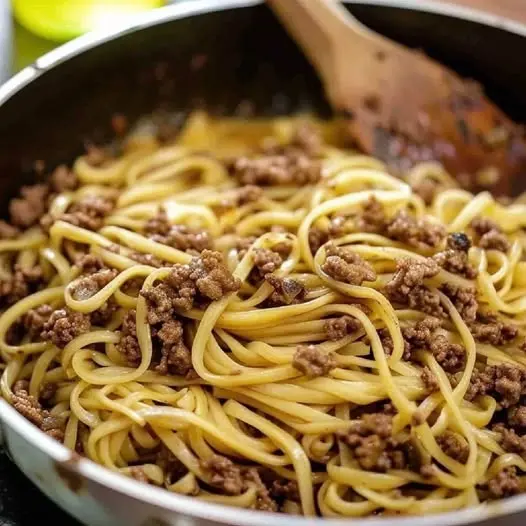
Beef Noodles

There is nothing quite like a steaming bowl of best beef noodle soup recipe to soothe the soul on a chilly evening. This dish is the ultimate labor of love, combining meltingly tender beef with a deeply aromatic broth that has been simmered to perfection. Unlike quicker soups that rely on store-bought stocks, this version builds layers of flavor using traditional aromatics, savory soy sauces, and a hint of spice. The result is a restaurant-quality meal that feels both incredibly indulgent and wholesome at the same time.
Mastering this taiwanese beef noodle soup at home is surprisingly approachable once you understand the importance of the slow-simmering process. By allowing the beef to braise gently in a mixture of spices and savory sauces, you unlock a level of richness that defines a truly umami-rich broth. Whether you are a seasoned home cook or a weekend kitchen explorer, this guide will walk you through the nuances of creating a bowl that rivals your favorite noodle shop.
Why This Recipe Is a Keeper
- Deep Flavor Profile: The combination of slow-braised beef and toasted spices creates a complex, savory broth that tastes like it has been simmering for days.
- Tender Beef Texture: Using the right cut of meat ensures that every bite is butter-tender, providing a satisfying contrast to the chewy, bouncy noodles.
- Better the Next Day: This is one of those rare dishes where the leftovers actually improve, as the flavors continue to meld and intensify in the fridge.
- Customizable Spice Level: You can easily adjust the amount of chili bean paste or fresh chilies to suit your family’s preference for heat without losing the core flavor.
Ingredients You’ll Need
The secret to a world-class soup lies in the quality of the components. Each ingredient plays a specific role in balancing the salty, sweet, and spicy notes that characterize this comforting noodle soup.
- Beef Shank or Chuck Roast: Selecting a braised beef shank is traditional because the connective tissue breaks down into gelatin, adding incredible body to the broth and a melt-in-your-mouth texture.
- Ginger and Garlic: These fresh aromatics provide a sharp, fragrant base that cuts through the richness of the beef and adds a necessary brightness to the initial sauté.
- Star Anise and Cinnamon: These whole spices are essential for that signature “five-spice” aroma, offering a subtle warmth and sweetness that lingers in the background of the savory liquid.
- Spicy Bean Paste (Doubanjiang): This fermented paste provides the soul of the dish, contributing deep umami, a vibrant red color, and a controlled level of heat.
- Soy Sauce (Light and Dark): Light soy sauce provides the saltiness and seasoning, while dark soy sauce adds a rich, mahogany color and a hint of caramel-like sweetness.
- Rock Sugar: A small amount of rock sugar balances the saltiness of the soy sauce and helps give the beef a beautiful, glossy sheen as it braises.
- Wheat Noodles: Thick, chewy wheat noodles are the traditional choice here, as they have enough structure to stand up to the heavy, flavorful broth without becoming mushy.
- Bok Choy or Spinach: Adding a handful of fresh greens at the very end provides a crisp texture and a pop of color that balances the hearty components of the bowl.
Variations and Smart Swaps
- Protein Alternatives: While beef shank is the gold standard, you can use beef brisket or chuck roast. If you prefer a lighter version, skin-on chicken thighs can be used, though the simmering time will be much shorter.
- Gluten-Free Adjustment: To make this recipe gluten-free, swap the wheat noodles for thick rice noodles and ensure you are using a certified gluten-free tamari in place of the soy sauces.
- Vegetarian Inspiration: For a plant-based version, use a mix of hearty mushrooms like shiitake and king oyster to mimic the meat’s texture, and use a high-quality vegetable stock as your base.
- Spice Control: If you are sensitive to heat, reduce the bean paste by half or omit the dried red chilies entirely. The soup will still be flavorful due to the aromatic spices and soy.
How to Make the Best Beef Noodle Soup Recipe
Step 1: Blanch and Clean the Beef
Start by placing your cubed beef into a large pot of cold water and bringing it to a boil. This step is crucial for a clear broth; it coaxes out impurities and excess blood that would otherwise cloud your soup. Once the water has boiled for a few minutes and a gray foam has risen to the top, drain the beef and rinse each piece under cold running water. This “cleaning” phase ensures the final umami-rich broth remains pure and elegant rather than muddy.
Step 2: Sauté the Aromatics and Spices
In a heavy-bottomed pot or Dutch oven, heat a small amount of oil and sear the blanched beef until it develops a light crust. Push the meat to the side and add your sliced ginger, smashed garlic, and scallions. Stir them until they become deeply fragrant. At this stage, add the bean paste and let it fry for a minute; this “blooms” the oils in the paste, intensifying its flavor and giving the oil a beautiful red hue before any liquid is added.
Step 3: Build the Braising Liquid
Pour in your light and dark soy sauces, rice wine, and add the rock sugar along with the whole spices like star anise and cinnamon. Stir everything together to coat the beef in the dark, fragrant mixture. Add enough water or beef stock to completely submerge the meat by at least two inches. Bringing the liquid to a boil and then immediately dropping it to a very low simmer is the secret to a successful best beef noodle soup recipe. High heat will toughen the fibers, but a gentle bubble will make them tender.
Step 4: The Long, Slow Simmer
Cover the pot and let the beef braise undisturbed for about two to three hours. You are looking for the beef to be “fork-tender,” meaning it should yield easily when pressed but not completely disintegrate into the soup. About halfway through, taste the broth. This is your chance to adjust the seasoning; you can add more soy sauce for salt or a bit more sugar if the spices feel too aggressive. The house will smell incredible at this point as the aromatics fully infuse the liquid.
Step 5: Prepare the Noodles and Assemble
While the beef is finishing, cook your noodles in a separate pot of boiling water according to the package directions. It is vital to cook noodles separately to prevent their starch from thickening your clear broth. In the final minute of noodle cooking, drop in your bok choy to blanch it. To serve, place a generous mound of noodles in a deep bowl, ladle over the rich broth and several pieces of beef, and top with the greens. This assembly method ensures the perfect texture for every component.
Pro Tips for Success
- Tip: Always blanch the beef in cold water first. Starting with cold water allows the proteins to release impurities more effectively than dropping meat into already boiling water.
- Tip: Don’t skip the rock sugar. It provides a more mellow sweetness than granulated white sugar and creates a silky mouthfeel in the broth that is characteristic of high-end versions.
- Tip: Cook the noodles “al dente.” Since they will continue to sit in the hot soup once served, slightly undercooking them prevents them from becoming soggy before you finish the bowl.
- Tip: For the clearest broth, use a fine-mesh strainer to remove the ginger, garlic, and whole spices before serving. This leaves you with a smooth, professional-looking liquid.
Troubleshooting Common Problems
Why Is My Beef Still Tough?
If your beef is still chewy after two hours, it simply needs more time. Different cuts and even different cows have varying amounts of connective tissue. Keep the heat low and continue simmering; eventually, the collagen will break down, and the meat will become tender. Never try to rush this by increasing the heat, as boiling will only tighten the muscle fibers.
Why Is My Broth Too Salty?
Because the broth reduces during the simmering process, the saltiness can sometimes become concentrated. If it tastes too salty, don’t panic—simply add a splash of water or unsalted beef stock to dilute it. You can also add a few more pieces of white radish (daikon) which can help absorb excess salt while adding a lovely sweetness.
How to Serve This Dish
Presentation is key when serving a best beef noodle soup recipe. Start with deep, wide bowls that can accommodate a large amount of broth without splashing. The visual appeal of the dark broth against the white noodles and bright green vegetables is part of the dining experience. Garnishes are not just for looks; they add layers of fresh flavor that contrast with the heavy, slow-cooked base.
Essential Toppings
Freshly chopped cilantro and scallions are non-negotiable for most. They provide a burst of herbal freshness that cuts through the fat of the beef. If you can find them, chopped pickled mustard greens (suan cai) are a traditional accompaniment that adds a sour, crunchy element, balancing the savory umami of the braised beef shank perfectly.
Side Dish Pairings
To make this a full feast, consider serving small plates of smashed cucumber salad with garlic and sesame oil. The cold, crisp cucumbers provide a refreshing palate cleanser between sips of the hot, spicy soup. A side of braised tofu or seasoned seaweed also complements the earthy tones of the main dish well.
Storage and Make-Ahead
One of the best things about this recipe is how well it stores. In fact, many people prefer the soup on the second day when the spices have had even more time to permeate the meat. If you plan to make this ahead, follow the instructions for the beef and broth, but do not cook the noodles until you are ready to eat.
Storing Leftovers
Store the beef and broth together in an airtight container in the refrigerator for up to 4 days. If you have leftover noodles, store them in a separate container with a tiny bit of oil to keep them from sticking, though fresh noodles are always better. To reheat, simply warm the broth on the stove over medium heat until bubbling.
Freezing Instructions
The broth and beef freeze exceptionally well. Place the cooled soup in freezer-safe bags or containers, leaving some room for expansion, and freeze for up to 3 months. When you’re ready for a quick comforting noodle soup, thaw the base overnight in the fridge and boil fresh noodles for a meal that tastes like you spent hours in the kitchen that very day.
Final Thoughts
Creating the best beef noodle soup recipe is a rewarding culinary journey that fills your home with the most incredible aromas. It’s a dish that teaches patience and the value of high-quality ingredients, resulting in a bowl that is far more than the sum of its parts. Whether you’re serving this for a special family gathering or meal-prepping for a week of cozy lunches, the depth of flavor and tender texture of the beef will make it a recurring favorite in your kitchen. Pour yourself a bowl, garnish it generously, and enjoy the ultimate comfort food experience.
Frequently Asked Questions
What is the best cut of beef for this soup?
While you can use various cuts, the beef shank is the most highly recommended. It contains a high amount of collagen which, when braised slowly, transforms into a silky, tender texture that adds body to the broth. If you can’t find shank, a well-marbled chuck roast is a fantastic second choice that remains juicy after a long simmer.
Can I make this recipe in a slow cooker or Instant Pot?
Yes, you can adapt this for modern appliances. In an Instant Pot, you can reduce the cooking time to about 45-60 minutes under high pressure. For a slow cooker, cook on low for 6-8 hours. However, the stovetop method is often preferred by enthusiasts because it allows for better evaporation, which concentrates the flavors of the broth more effectively.
Why do I need to cook the noodles separately?
Cooking noodles directly in the soup broth will release starch, which thickens the liquid and makes it cloudy. It can also cause the noodles to absorb too much of the precious broth, leaving you with a dry bowl. By boiling them in plain water, you ensure the broth stays clear and the noodles maintain their perfect “al dente” bite.
Is this soup supposed to be very spicy?
The spice level of a taiwanese beef noodle soup is entirely up to you. The doubanjiang (bean paste) provides a base level of warmth, but you can increase the heat by adding more dried chilies or a spoonful of chili oil at the end. Conversely, if you prefer a mild soup, look for “non-spicy” bean paste and remove the seeds from any fresh peppers you use.
What kind of noodles should I use if I can’t find Chinese wheat noodles?
If you don’t have access to an Asian grocery store, you can use thick Italian pasta like fettuccine or even linguine in a pinch. While the texture isn’t exactly the same as traditional alkaline noodles, they provide a similar chew and carry the heavy broth well. Frozen udon is another excellent substitute that offers a great, bouncy texture.
Savory Beef Noodles

A comforting and flavorful dish featuring tender strips of steak and chewy egg noodles tossed in a rich, savory garlic-soy sauce.
- 1 lb flank steak, thinly sliced against the grain
- 8 oz egg noodles or lo mein noodles
- 2 tbsp vegetable oil
- 3 tbsp soy sauce
- 1 tbsp oyster sauce
- 1 tbsp brown sugar
- 2 cloves garlic, minced
- 1 tsp fresh ginger, grated
- 1/2 cup beef broth
- 1 tsp cornstarch
- 2 green onions, sliced for garnish
- 1Bring a large pot of water to a boil and cook the noodles according to package instructions. Drain and set aside.
- 2In a small bowl, whisk together the beef broth, soy sauce, oyster sauce, brown sugar, and cornstarch.
- 3Heat 1 tablespoon of oil in a wok or large skillet over high heat. Add the beef in a single layer and sear until browned, about 2 minutes. Remove beef from the pan.
- 4Add the remaining tablespoon of oil to the pan. Stir-fry the garlic and ginger for 30 seconds until fragrant.
- 5Pour the sauce mixture into the pan and bring to a simmer until it begins to thicken.
- 6Return the cooked beef and noodles to the pan. Toss everything together for 1-2 minutes until well coated and heated through.
- 7Serve immediately, garnished with sliced green onions.
Keywords: beef noodles, stir fry, easy dinner, steak noodles, quick meals


