
Classic Lasagna

There is nothing quite like the aroma of a bubbling, cheese-topped tray of pasta coming out of the oven on a Sunday afternoon. For many, a best homemade classic lasagna recipe represents the ultimate comfort food dinner—a labor of love that rewards the cook with deep, savory flavors and satisfyingly thick layers. Unlike quicker pasta dishes, a true classic lasagna relies on a rich, slow-simmered traditional meat sauce and a creamy cheese filling to create that iconic structural integrity and mouthfeel that makes every bite feel like a special occasion.
While the process of layering and assembly might seem intimidating, the beauty of this dish lies in its approachability when broken down into manageable stages. By focusing on the quality of the cheeses and the balance of the sauce, you can transform simple pantry staples into a restaurant-quality meal. This guide will walk you through the nuances of building the perfect stack, ensuring your noodles stay tender and your sauce remains thick enough to hold its shape when sliced, resulting in a best homemade classic lasagna recipe that your family will request for years to come.
Why You’ll Love This Recipe
- Perfect Textural Balance: This recipe achieves the ideal ratio of tender pasta, gooey melted mozzarella, and a thick, meaty ragu that doesn’t slide apart on the plate.
- Make-Ahead Convenience: Lasagna is famously better the next day, making it an excellent candidate for meal prep or preparing 24 hours before a big dinner party.
- Crowd-Pleasing Flavors: With its classic profile of garlic, herbs, and three types of cheese, this dish is a guaranteed hit for both picky children and discerning adults.
- Freezer Friendly: You can easily double the batch to keep a second tray in the freezer for those busy weeknights when you need a hearty, home-cooked meal without the prep work.
Ingredients You’ll Need
The secret to a standout lasagna isn’t just the recipe; it’s understanding how each component functions within the layers. Each ingredient contributes to the final structural and flavor profile of the dish.
- Ground Beef and Italian Sausage: Using a blend of meats provides a more complex flavor. The beef offers heartiness, while the sausage adds fennel and spice notes that define a traditional meat sauce.
- Lasagna Noodles: Whether you choose standard curly-edged noodles or flat sheets, the pasta acts as the “scaffolding” for the entire dish, absorbing moisture from the sauce as it bakes.
- Ricotta Cheese: This forms the base of the white layer. For the best results, look for full-fat ricotta to ensure a creamy, non-grainy ricotta cheese mixture.
- Mozzarella Cheese: Use a low-moisture mozzarella for the interior layers to prevent the lasagna from becoming watery, and a bit of fresh mozzarella on top for that perfect stretch.
- Parmesan Cheese: Freshly grated Parmesan adds a salty, nutty umami punch that cuts through the richness of the other cheeses.
- Egg: A single egg mixed into the ricotta acts as a binder, ensuring the cheese layer stays in place rather than oozing out when the lasagna is cut.
- Crushed Tomatoes and Tomato Paste: These create the body of your sauce. The paste thickens the consistency, ensuring the final dish isn’t soupy.
- Fresh Aromatics: Onion, garlic, and fresh parsley are essential for building a foundational flavor that tastes truly “homemade” rather than store-bought.
Variations and Smart Swaps
- Protein Alternatives: If you prefer a lighter version, ground turkey or chicken sausage can be substituted for the beef and pork, provided you add a little extra olive oil to compensate for the lower fat content.
- Vegetable Boost: You can add a layer of sautéed spinach or thinly sliced zucchini between the cheese and meat layers for added nutrition and a pop of color.
- No-Boil Noodle Hack: If you are short on time, you can use “no-boil” noodles, but be sure to add an extra half-cup of water or sauce to the pan to ensure the pasta has enough liquid to hydrate.
- Bechamel Style: For a more Northern Italian flair, you can swap the ricotta cheese mixture for a thick white bechamel sauce made from butter, flour, and milk.
How to Make the Best Homemade Classic Lasagna Recipe
Step 1: Develop the Rich Meat Sauce
Begin by browning your ground beef and Italian sausage in a large pot or Dutch oven over medium-high heat. It is crucial to break the meat into small crumbles to ensure even distribution throughout the lasagna layering order. Once the meat is browned, drain the excess fat but leave a small amount to sauté your onions and garlic until they are translucent and fragrant. Stir in the crushed tomatoes, tomato paste, and your herbs. Let this simmer gently for at least 30 to 45 minutes; this slow cook allows the flavors to meld and the sauce to thicken into a robust ragu that won’t run when sliced.
Step 2: Prepare the Pasta and Cheese Filling
While the sauce simmers, bring a large pot of salted water to a boil and cook your lasagna noodles until they are just under “al dente.” They will continue to cook in the oven, so slightly firm noodles are preferred to avoid a mushy texture. In a separate bowl, combine the ricotta, half of the Parmesan, the egg, and fresh parsley. Mix these until smooth. This ricotta cheese mixture should be thick and spreadable. Having all your components ready—sauce, cooked noodles, and cheese mixtures—before you start assembly will make the process much smoother.
Step 3: Establish the Lasagna Layering Order
To begin assembly, spread a thin layer of meat sauce on the bottom of a 9×13 inch baking dish. This prevents the bottom layer of noodles from sticking and ensures they cook through. Place a layer of noodles over the sauce, followed by a generous spread of the ricotta mixture and a sprinkle of shredded mozzarella. Repeat this lasagna layering order: sauce, noodles, ricotta, mozzarella, until you reach the top of the dish. The final layer should be a thick coating of meat sauce topped with a heavy layer of mozzarella and the remaining Parmesan to create a golden, bubbly crust.
Step 4: Bake to Golden Perfection
Cover the baking dish tightly with aluminum foil, making sure the foil doesn’t touch the cheese (you can use toothpicks to prop it up if necessary). Bake in a preheated oven at 375°F for about 25 minutes. Then, remove the foil and bake for another 20 to 25 minutes. This two-stage baking process ensures the interior is hot and the pasta is cooked, while the second stage allows the cheese on top to brown and develop those delicious crispy edges that everyone fights over.
Step 5: The Essential Rest Period
Perhaps the most important step in this best homemade classic lasagna recipe is the rest time. Once you remove the lasagna from the oven, let it sit on the counter for at least 15 to 20 minutes before cutting into it. This allows the cheese to set and the layers to compress. If you cut it immediately, the lasagna will likely collapse into a messy heap. Resting guarantees clean, beautiful slices that showcase every individual layer of meat, pasta, and cheese.
Pro Tips for Success
- Tip: Always salt your pasta water heavily. Since the noodles are a major part of the dish, they need to be seasoned from the inside out.
- Tip: Avoid overcooking the noodles during the boiling phase. They should be flexible but still have a firm “bite” to them before they go into the oven.
- Tip: Use a mix of low-moisture and fresh mozzarella. The low-moisture provides the flavor and saltiness, while the fresh mozzarella provides the visual appeal and gooey stretch.
- Tip: If your sauce looks too thin, simmer it uncovered for an extra 10 minutes. A thick sauce is the key to a lasagna that stands tall on the plate.
- Tip: Blot your noodles dry with a clean kitchen towel after draining them to prevent excess water from diluting your sauce layers.
Troubleshooting Common Problems
Why is my lasagna watery at the bottom?
Watery lasagna is usually caused by two things: under-cooked sauce or wet noodles. If your meat sauce has too much liquid, that moisture will pool at the bottom of the pan during baking. Similarly, if you don’t drain and dry your noodles properly, they carry excess water into the dish. To fix this, ensure your sauce is thick enough to coat the back of a spoon and pat your noodles dry before layering.
Why did my cheese topping burn?
If the cheese is browning too quickly before the center of the lasagna is hot, your oven might be running hot or the rack is too high. Always start with the lasagna covered in foil to trap steam and heat the interior, only uncovering it for the final portion of the bake to achieve that golden color. If it still browns too fast, move the dish to a lower oven rack.
How to Serve This Recipe
A best homemade classic lasagna recipe is a substantial meal on its own, but it truly shines when paired with the right sides. To balance the richness of the cheese and meat, a bright, acidic side dish is highly recommended. A crisp green salad with a sharp lemon vinaigrette or a classic Caesar salad provides a refreshing contrast to the savory pasta.
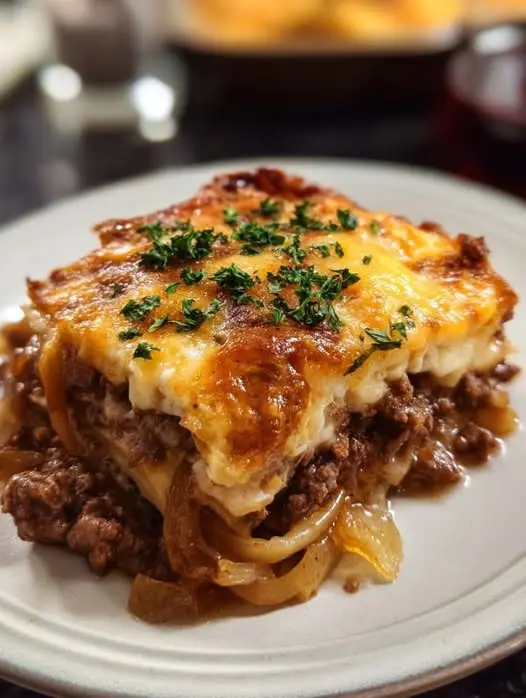
For a complete easy Italian recipe experience, serve your lasagna with warm garlic bread or focaccia to mop up any remaining sauce. If you are hosting a dinner party, consider a side of roasted broccolini with red pepper flakes or sautéed green beans with garlic. For garnishes, a sprinkle of fresh chiffonade basil or a final dusting of Pecorino Romano adds a fresh, professional touch to the presentation.
Storage and Make-Ahead
Storing Leftovers
Lasagna stays fresh in the refrigerator for up to 3 to 5 days. Store it in an airtight container or cover the baking dish tightly with plastic wrap. Because the flavors continue to develop, many people find that the second day is when the lasagna tastes its absolute best.
Freezing
This dish freezes beautifully. You can freeze the entire lasagna (unbaked or baked) for up to 3 months. If freezing unbaked, wrap it in a double layer of plastic wrap followed by aluminum foil. Thaw in the refrigerator for 24 hours before baking as directed.
Reheating
To reheat a single slice, the microwave works well, but for the best texture, use the oven. Place the slice in a small oven-safe dish, add a teaspoon of water or extra sauce to prevent drying, cover with foil, and bake at 350°F until the center is steaming hot.
Final Thoughts
Mastering a best homemade classic lasagna recipe is a rite of passage for any home cook. It is a dish that embodies the warmth of home cooking and the joy of sharing a substantial meal with loved ones. While it requires a bit more effort than a standard weeknight pasta, the results are undeniably worth the time spent simmering sauce and carefully layering cheese. By following these technical tips and focusing on high-quality ingredients, you’ll be able to serve a comfort food dinner that rivals any Italian trattoria. Enjoy the process, and most importantly, enjoy that first cheesy, savory bite!
Frequently Asked Questions
Do I have to use an egg in the ricotta mixture?
While not strictly mandatory, the egg acts as a binder that helps the ricotta cheese mixture hold its shape. Without it, the cheese layer can become somewhat grainy and may bleed into the meat sauce, losing the distinct layered look that defines a classic lasagna. If you have an egg allergy, you can omit it, but your slices may be a bit more “rustic” and less structured.
Can I make this recipe completely vegetarian?
Absolutely. To turn this into a vegetarian delight, replace the meat with a mixture of sautéed mushrooms, spinach, and bell peppers. You can also use a high-quality marinara sauce in place of the meat sauce. Just be sure to cook the vegetables thoroughly to remove their moisture before layering, otherwise, the lasagna may become soggy during the baking process.
How many layers should a classic lasagna have?
A standard best homemade classic lasagna recipe usually consists of three to four layers of pasta. The number of layers depends on the depth of your baking dish and the thickness of your sauce. The goal is to fill the dish to within half an inch of the rim, allowing room for the cheese to bubble without overflowing into your oven.
Is it better to use fresh or dry pasta?
Dry pasta is the traditional choice for American-style lasagna because it provides a sturdy structure that can support heavy meat and cheese layers. Fresh pasta is delicious but much more delicate; it can sometimes become too soft when baked with a heavy, moist sauce. For this specific easy Italian recipe, high-quality dry noodles or oven-ready sheets are generally the most reliable option.
Why did my lasagna fall apart when I sliced it?
The most common reason for a collapsing lasagna is failing to let it rest after baking. The internal temperature is very high when it first comes out of the oven, keeping the cheese in a liquid state. Giving the dish 15 to 20 minutes to rest allows the proteins in the cheese and the starch in the pasta to firm up, creating the “stack” effect you see in professional photos.
Classic Vegetarian Lasagna

A rich and hearty classic lasagna layered with a robust marinara, creamy ricotta, and melted mozzarella. This dish is a crowd-pleasing vegetarian staple perfect for Sunday dinner.
- 12 lasagna noodles, cooked and drained
- 24 oz marinara sauce
- 15 oz ricotta cheese
- 1 large egg, beaten
- 4 cups shredded mozzarella cheese
- 1/2 cup grated parmesan cheese
- 2 cups fresh baby spinach
- 1 tsp dried oregano
- 1/2 tsp garlic powder
- 1/4 tsp black pepper
- 1Preheat oven to 375°F (190°C).
- 2In a medium bowl, combine ricotta cheese, beaten egg, dried oregano, garlic powder, and pepper. Mix until smooth.
- 3Spread 1/2 cup of marinara sauce onto the bottom of a 9x13 inch baking dish.
- 4Place 3 to 4 noodles over the sauce. Spread 1/3 of the ricotta mixture over the noodles, then layer with a handful of spinach and 1 cup of mozzarella cheese.
- 5Repeat the layers twice more (noodles, ricotta, spinach, sauce, mozzarella).
- 6Top with the remaining noodles, the rest of the marinara sauce, and the remaining mozzarella and parmesan cheese.
- 7Cover with foil and bake for 25 minutes. Remove foil and bake for another 15 to 20 minutes until the cheese is bubbly and golden.
- 8Let the lasagna rest for at least 15 minutes before slicing to allow the layers to set.
Keywords: lasagna, vegetarian lasagna, dinner recipe, cheesy pasta, baked pasta


