
Buttermilk Pound Cake

There is a certain nostalgia associated with a perfectly executed moist buttermilk pound cake recipe. Unlike lighter sponge cakes, a true pound cake is defined by its tight, velvety crumb and a rich, buttery flavor that lingers on the palate. The addition of buttermilk is the secret weapon here; its natural acidity works to break down gluten strands, resulting in a texture that is remarkably tender rather than heavy. This is the kind of cake that sits proudly on a kitchen counter, inviting everyone to slice off “just a sliver” until the entire loaf has vanished.
Mastering this Southern pound cake is surprisingly achievable for any home baker, provided you respect the science of the creaming method. By focusing on the temperature of your ingredients and the aeration of the batter, you can produce a bakery-quality dessert that needs nothing more than a light dusting of powdered sugar to impress. Whether you are serving it for a festive Sunday brunch or as a quiet accompaniment to afternoon tea, this recipe delivers a consistent, high-yield result every time.
Why You’ll Love This Recipe
- Incredible Texture: The use of buttermilk ensures a tender crumb that stays moist for days, avoiding the dry, sawdust-like texture often found in lesser pound cakes.
- Simple Elegance: With a flavor profile rooted in high-quality butter and vanilla, this cake is sophisticated enough for guests but simple enough for a weekday treat.
- Versatile Base: This cake acts as a blank canvas, pairing beautifully with seasonal fruits, decadent chocolate sauces, or a simple citrus glaze.
- Proven Reliability: Using the traditional creaming method provides a structural integrity that makes the cake easy to slice cleanly, making it perfect for gifting or entertaining.
Ingredients You’ll Need
The beauty of a moist buttermilk pound cake recipe lies in its reliance on pantry staples. However, because there are so few ingredients, the quality of each one matters immensely. High-fat butter and fresh buttermilk are non-negotiable for achieving that signature mouthfeel.
- Unsalted Butter: This provides the primary flavor and fat content. Using room temperature ingredients allows the butter to trap air effectively during the whipping process.
- Granulated Sugar: Beyond sweetness, sugar crystals cut through the butter during creaming to create tiny air pockets, which help the cake rise.
- Large Eggs: These provide structure and emulsification. Adding them one at a time ensures the batter stays smooth and doesn’t “break” or curdle.
- Buttermilk: The star ingredient. Its tang balances the sugar and its acidity ensures the tender crumb that defines this specific style of cake.
- Cake Flour: While all-purpose flour works, cake flour has a lower protein content, which further helps in achieving a soft, delicate internal structure.
- Leavening Agents: A combination of baking powder and a touch of baking soda (to react with the buttermilk) provides a reliable, even lift.
- Vanilla and Almond Extracts: Pure vanilla provides warmth, while a tiny hint of almond extract adds a “professional bakery” complexity to the aroma.
Variations and Smart Swaps
- Citrus Infusion: Fold in two tablespoons of fresh lemon or orange zest to the sugar before creaming. This releases the essential oils and provides a bright, floral note.
- Marble Swirl: Remove a third of the finished batter and fold in a quarter cup of high-quality cocoa powder, then swirl it back into the main batter for a visual and flavor contrast.
- Brown Butter Twist: For a deeper, nuttier flavor, you can use browned butter that has been chilled back to a solid, spreadable consistency before starting the recipe.
- Spice it Up: Add a teaspoon of ground cardamom or cinnamon to the dry ingredients for a warm, autumnal version of this classic dessert.
How to Make This Moist Buttermilk Pound Cake Recipe
Step 1: Cream the Butter and Sugar
The foundation of a great pound cake is the aeration achieved in the first step. Begin by beating your softened butter and granulated sugar together on medium-high speed for at least five minutes. You are looking for a transformation; the mixture should move from a yellow, gritty paste to a pale, almost white, fluffy cloud. This process creates the air cells that will expand in the oven, ensuring your Southern pound cake isn’t overly dense.
Step 2: Incorporate the Eggs Individually
Reduce your mixer speed to medium and add the eggs one by one. It is vital to let each egg fully disappear into the batter before adding the next. If the batter begins to look curdled, add a tablespoon of your measured flour to help it re-emulsify. This step builds the protein structure necessary to hold the weight of the sugar and fat, preventing the cake from collapsing after it bakes.
Step 3: Alternate the Dry and Wet Ingredients
Turn the mixer to its lowest setting. Add about a third of the flour mixture, followed by half of the buttermilk. Repeat this process, ending with the final portion of flour. Mixing on low speed prevents the overdevelopment of gluten, which is the most common cause of a tough cake. Stop mixing the moment the last streaks of flour vanish to maintain that tender crumb.
Step 4: Bake to Golden Perfection
Transfer the heavy batter into a prepared Bundt or tube pan, smoothing the top with a spatula. Bake in the center of the oven until a long wooden skewer inserted into the thickest part of the cake comes out clean or with just a few moist crumbs attached. The cake should be a deep golden brown and slightly pulled away from the edges of the pan. Let it rest in the pan for 10 to 15 minutes before inverting it onto a wire rack to cool completely.
Pro Tips for Success
- Tip: Always use room temperature ingredients. Cold eggs or cold buttermilk will cause the creamed butter to seize, leading to an uneven bake and a heavy texture.
- Tip: Measure your flour by weight or use the “spoon and level” method. Packing flour into a measuring cup can result in up to 20% more flour than needed, making the cake dry.
- Tip: Grease and flour your pan meticulously. For intricate Bundt pans, a homemade “cake goop” (equal parts flour, oil, and shortening) is often more effective than standard cooking spray.
- Tip: Do not peek! Opening the oven door too early causes a sudden drop in temperature, which can lead to the middle of the cake sinking.
- Tip: Let the cake cool entirely before slicing. The structure of a pound cake continues to set as it cools; cutting it while warm can result in a “gummy” mouthfeel.
Troubleshooting Common Problems
Why did my cake stick to the pan?
This usually happens if the pan wasn’t greased well enough or if the cake sat in the pan for too long. If it’s stuck, try placing the bottom of the pan in a shallow bath of hot water for a minute to loosen the fats, then gently tap the sides before inverting again.
Why is there a thick, dark crust on the bottom?
A dark, tough crust often indicates that the sugar content in your greasing agent (like using butter instead of shortening) caramelized too quickly, or your oven runs too hot. Try using a light-colored pan or lowering the oven temperature by 25 degrees for future bakes.
Why is the texture coarse instead of velvety?
A coarse texture is usually the result of under-creaming the butter and sugar or over-mixing the flour. Ensure you spend the full five minutes on the initial creaming step to keep the tender crumb intact.
How to Serve This Pound Cake
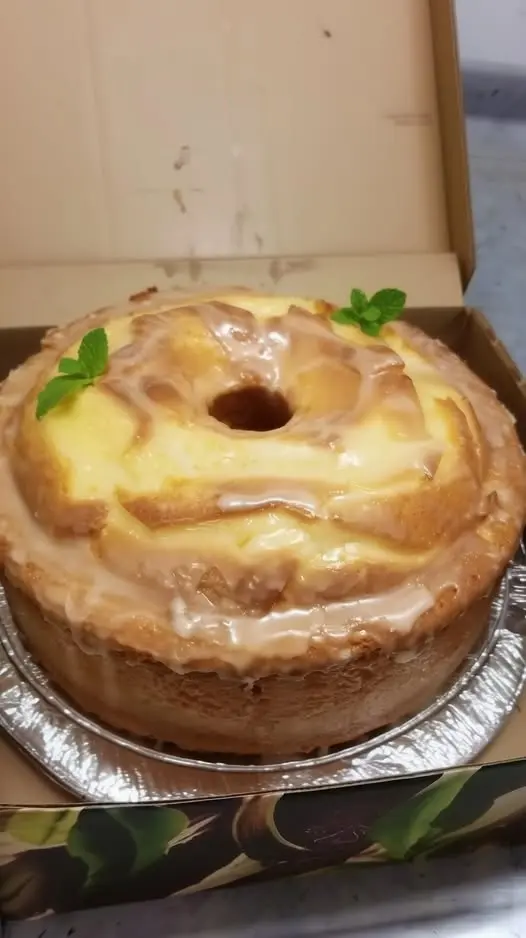
While this moist buttermilk pound cake recipe is exceptional on its own, it serves as a fantastic base for more elaborate presentations. For a classic look, a simple dusting of confectioners’ sugar highlighting the ridges of the Bundt pan is all you need. If you prefer something more decadent, a vanilla bean glaze allowed to drip down the sides adds an extra layer of sweetness and keeps the exterior moist.
In the summer months, serve thick slices with a generous spoonful of macerated strawberries and a dollop of lightly sweetened whipped cream. In the winter, a warm slice paired with a tart lemon curd or a hot fudge sauce provides a comforting end to a meal. If you have leftovers that have started to dry out, try lightly toasting a slice in a pan with a little butter—it caramelizes the edges and makes for an incredible breakfast.
Storage and Make-Ahead
Storing Leftovers
Pound cake is famous for tasting even better the second day. Wrap the cooled cake tightly in plastic wrap or store it in an airtight container at room temperature for up to three days. The moisture will redistribute throughout the cake, deepening the flavor.
Freezing
This cake freezes beautifully. You can freeze the entire cake or individual slices. Wrap them in a double layer of plastic wrap followed by a layer of aluminum foil. It will stay fresh in the freezer for up to three months. Thaw at room temperature for a few hours before serving.
Final Thoughts
There is a reason the moist buttermilk pound cake recipe remains a staple in American kitchens. It represents the perfect balance of simplicity and indulgence. By taking the time to properly cream your ingredients and choosing the tangy richness of buttermilk, you create a dessert that feels both timeless and special. This is a reliable, comforting bake that rewards patience with a tender crumb and a flavor that truly feels like home. Once you have mastered this version, you’ll find yourself returning to it for every birthday, holiday, and simple family gathering.
Frequently Asked Questions
Can I substitute milk for buttermilk?
You can create a quick substitute by adding one tablespoon of lemon juice or white vinegar to a cup of whole milk and letting it sit for five minutes. However, real buttermilk is thicker and more acidic, so the texture of the cake may be slightly less tender than if you used the real thing.
Why did my pound cake sink in the middle?
A sunken center is usually caused by underbaking, opening the oven door too early, or using too much leavening agent. Ensure your baking powder is fresh and that you use a skewer to verify the center is fully set before removing the cake from the oven.
Do I have to use a Bundt pan?
No, you can bake this recipe in two standard 9×5 loaf pans instead. Keep in mind that the baking time will likely be shorter (usually 45 to 55 minutes), so start checking for doneness earlier than you would with a large Bundt pan.
Why should the eggs be added one at a time?
Adding eggs gradually allows the fat in the butter to properly encapsulate the liquid in the eggs. If you add them all at once, the mixture will likely separate, resulting in a cake that has an uneven, somewhat oily texture rather than a uniform tender crumb.
Can I use all-purpose flour instead of cake flour?
Yes, you can. If you use all-purpose flour, the cake will have a slightly heartier, tighter structure. For a closer approximation of cake flour, you can replace two tablespoons of each cup of all-purpose flour with two tablespoons of cornstarch and sift them together multiple times.


