
Coconut Sheet Cake

There is something undeniably nostalgic and comforting about a classic sheet cake, and this best coconut sheet cake recipe brings a tropical, elegant twist to that familiar favorite. Unlike layered cakes that require precision and steady hands for assembly, a sheet cake offers a generous surface area for rich frosting and plenty of toppings, making it the ultimate choice for potlucks, family gatherings, or holiday celebrations. This particular cake stands out because of its incredibly tender, moist coconut cake base and a velvety finish that captures the essence of the tropics in every bite.
What makes this recipe truly exceptional is the balance of textures and the depth of coconut flavor. By using a combination of coconut milk and high-quality extracts, the cake achieves a sophisticated profile that isn’t overly sugary. It provides a soft, cloud-like crumb that pairs beautifully with a thick layer of cream cheese frosting. Whether you are a seasoned baker or a novice looking for a reliable dessert, this approach ensures a foolproof result that looks as stunning as it tastes. It is approachable, efficient, and guaranteed to be the centerpiece of any dessert table.
Why You’ll Love This Recipe
- Effortless Preparation: Because this is a sheet cake, there is no need for complicated stacking or crumb coating, making it a stress-free easy sheet cake for busy hosts.
- Superior Moisture: The inclusion of full-fat coconut milk ensures the crumb remains soft and hydrated for days, preventing the dryness often found in standard white cakes.
- Crowd-Pleasing Appeal: With its bright white appearance and snowy coating of shredded coconut, this cake is visually appealing and appeals to both kids and adults alike.
- Make-Ahead Friendly: The flavors in this cake actually improve as it sits, allowing you to bake and frost it a day in advance without losing any quality.
Ingredients You’ll Need
To achieve the best coconut sheet cake recipe, selecting the right ingredients is crucial for both the structure of the sponge and the richness of the topping. Each component plays a specific role in creating that signature tropical dessert experience that feels light yet indulgent.
- Cake Flour: Using cake flour instead of all-purpose flour provides a lower protein content, which results in a much finer, tighter, and more delicate crumb.
- Canned Coconut Milk: Look for full-fat unsweetened coconut milk. It provides the essential fats and moisture that give the cake its rich, authentic flavor.
- Unsalted Butter: Creaming high-quality butter with sugar creates the air pockets necessary for a light and fluffy lift in the oven.
- Egg Whites: By using only the whites, we keep the cake’s color a beautiful stark white and ensure the texture remains airy rather than dense like a pound cake.
- Shredded Coconut: Sweetened shredded coconut added to the batter and sprinkled on top provides a pleasant chew and reinforces the star flavor.
- Cream Cheese: For the frosting, full-fat brick cream cheese offers a tangy contrast to the sweet cake, balancing the overall flavor profile.
- Coconut and Vanilla Extracts: A double dose of extracts ensures the flavor is well-rounded and aromatic throughout the entire dessert.
Variations and Smart Swaps
- Nutty Twist: Add half a cup of toasted chopped pecans or macadamia nuts to the top for an extra layer of crunch that complements the creamy frosting.
- Dairy-Free Option: You can substitute the butter with a high-quality vegan butter stick and use a dairy-free cream cheese alternative for the frosting to make this recipe accessible for everyone.
- Pineapple Infusion: For a “Pina Colada” style variation, fold in a small can of well-drained crushed pineapple into the batter before baking.
- Toasted Topping: Instead of raw coconut, toast your shredded coconut in a dry skillet for 3-5 minutes until golden brown to add a nutty, smoky dimension to the finish.
How to Make This Coconut Sheet Cake
Step 1: Cream the Butter and Sugar
The foundation of a moist coconut cake starts with properly aerating the fat. Beat your softened unsalted butter and granulated sugar together on medium-high speed for at least 3 to 5 minutes. You are looking for a pale, fluffy texture that looks almost like whipped cream. This step is vital because the air incorporated here helps the cake rise and creates a soft, melt-in-your-mouth experience once baked.
Step 2: Incorporate the Egg Whites and Extracts
Add the egg whites one at a time, ensuring each is fully incorporated before adding the next. This prevents the batter from breaking or curdling. Once the whites are in, pour in the vanilla and coconut extracts. At this stage, the batter should look smooth and voluminous. Using egg whites instead of whole eggs is the secret to maintaining that signature snowy white interior that makes this the best coconut sheet cake recipe.
Step 3: Alternate the Dry and Wet Ingredients
To maintain the structure of the cake, begin adding your sifted dry ingredients (flour, baking powder, and salt) alternately with the canned coconut milk. Start and end with the dry ingredients. Mix on low speed just until the flour streaks disappear. Overmixing at this stage will develop too much gluten, leading to a tough, bready cake. Finally, gently fold in a portion of the coconut by hand to distribute it evenly through the batter.
Step 4: Bake to Golden Perfection
Pour the batter into a prepared 9×13 inch baking pan, smoothing the top with an offset spatula. Bake in a preheated oven until a toothpick inserted into the center comes out clean or with just a few moist crumbs attached. The edges should just be starting to pull away from the sides of the pan. Avoid overbaking, as the cake will continue to set as it cools. Place the pan on a wire rack and let it cool completely before you even think about frosting it.
Step 5: Whip the Cream Cheese Frosting
While the cake cools, prepare the cream cheese frosting. Beat softened cream cheese and butter together until completely smooth and free of lumps. Gradually add powdered sugar and a splash of coconut milk until the frosting is thick yet spreadable. Once the cake is cold to the touch, spread a thick, even layer of frosting over the top, reaching all the way to the edges of the pan. Finish with a generous handful of coconut flakes for that iconic look.
Pro Tips for Success
- Use Room Temperature Ingredients: Ensure your butter, eggs, and coconut milk are at room temperature. This allows them to emulsify properly, resulting in a smooth batter and a uniform bake.
- Sift Your Flour: Sifting the cake flour removes lumps and aerates the powder, which contributes significantly to the light, professional-quality texture of the final sponge.
- Don’t Skimp on the Fat: Use full-fat canned coconut milk rather than the refrigerated carton version. The canned variety has the fat content necessary for a truly moist coconut cake.
- Watch the Cooling Process: Never frost a warm cake. The heat will melt the butter in the frosting, causing it to slide off or soak into the cake, ruining the beautiful presentation.
Troubleshooting Common Problems
Why did my cake sink in the middle?
A cake usually sinks in the center if the oven door was opened too early in the baking process, causing a sudden drop in temperature. It can also happen if your baking powder is expired and no longer provides the necessary lift. Ensure your leavening agents are fresh and keep the oven door closed until at least 80% of the baking time has passed.
Why is my frosting too runny?
Frosting often becomes runny if the butter or cream cheese was too soft (nearly melted) or if too much liquid was added. If this happens, simply add more sifted powdered sugar, half a cup at a time, and chill the frosting in the refrigerator for 20 minutes before spreading it onto the cake.
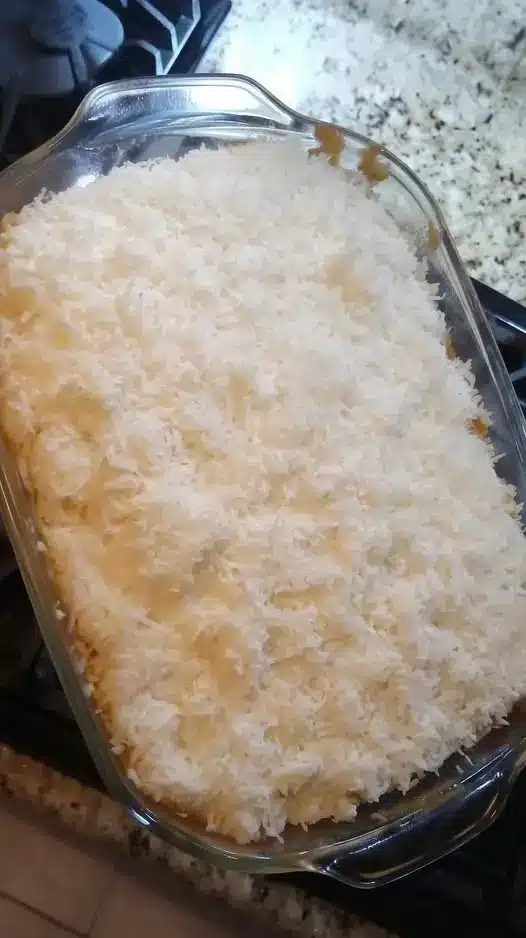
How to Serve This Recipe
Presentation is key when serving the best coconut sheet cake recipe. Because it is baked in a sheet pan, you have the advantage of cutting perfectly uniform squares. For a clean cut, wipe your knife with a warm, damp cloth between every single slice. This prevents the frosting from smearing and keeps the edges of the cake looking sharp and professional.
Garnishes and Toppings
While the shredded coconut is the traditional topping, you can elevate the presentation by adding fresh raspberries or sliced strawberries on top of each square. The tartness of the berries cuts through the richness of the cream cheese perfectly. For a more formal look, a few edible flowers or a sprig of mint can add a pop of color against the white background.
Pairing Suggestions
This cake is quite rich, so it pairs beautifully with unsweetened beverages. A hot cup of dark roast coffee or a bold black tea provides a wonderful contrast to the sweet coconut. If you are serving this at a summer party, a cold glass of prosecco or a lime-infused sparkling water makes for a refreshing accompaniment that highlights the tropical dessert notes.
Storage and Make-Ahead Instructions
Storing Leftovers
Because of the cream cheese frosting, this cake must be stored in the refrigerator. Place leftovers in an airtight container or cover the pan tightly with plastic wrap. It will stay fresh and moist for up to 4 to 5 days. For the best texture, let a slice sit at room temperature for about 15 minutes before eating to allow the butter in the cake to soften slightly.
Making It Ahead
You can bake the cake base up to two days in advance. Once cooled, wrap the unfrosted cake tightly in plastic wrap and store it at room temperature. The frosting can also be made ahead and kept in the fridge; just give it a quick whip with a hand mixer before using it to restore its fluffy consistency. You can even freeze the frosted cake! Flash freeze it for an hour until the frosting is firm, then wrap it tightly. Thaw it overnight in the refrigerator before serving.
Final Thoughts
Mastering the best coconut sheet cake recipe is a rewarding experience for any home baker. It manages to be both humble and sophisticated, offering a reliable dessert that never fails to impress a crowd. The combination of the tender sponge, the tangy frosting, and the sweet crunch of coconut creates a harmonious bite that feels like a celebration. Whether it’s for a birthday, a holiday, or just a weekend treat, this moist coconut cake is a recipe you will find yourself returning to time and time again. Enjoy the process of baking and the even better process of sharing a slice with those you love.
Frequently Asked Questions
Can I use sweetened condensed milk instead of coconut milk?
No, sweetened condensed milk is much thicker and contains a significantly higher sugar content than canned coconut milk. Using it would completely alter the chemistry of the batter, likely resulting in a sticky, overly sweet cake that doesn’t rise properly. Stick to full-fat canned coconut milk for the intended flavor and texture.
How do I toast the coconut for the topping?
Toasting coconut is easy and adds a great depth of flavor. Place the shredded coconut in a dry skillet over medium heat. Stir constantly for 3 to 5 minutes until the flakes become fragrant and turn a golden brown color. Remove them from the pan immediately, as they can go from toasted to burnt very quickly.
Can I make this recipe as cupcakes instead?
Yes, this batter works perfectly for cupcakes. Simply line a muffin tin with paper liners and fill each one about two-thirds full. Reduce the baking time to approximately 18 to 22 minutes. You will still get that same moist coconut cake experience in a convenient, portable format that is perfect for parties.
Is it possible to use all-purpose flour if I don’t have cake flour?
You can use all-purpose flour, but the texture will be slightly coarser and heavier. If you must use all-purpose, you can make a substitute by removing two tablespoons of flour from every cup and replacing them with two tablespoons of cornstarch. Sift this mixture together several times to ensure it is well-combined and aerated.
Does the coconut flavor get stronger over time?
Yes, much like many spiced or flavored cakes, the coconut oils continue to permeate the sponge as the cake rests. Many people find that this cake tastes even better on the second day. This makes it an ideal candidate for preparing a day before your event, as it allows the tropical dessert flavors to fully develop.
Classic Coconut Sheet Cake

A moist and delicious coconut sheet cake topped with a creamy frosting and crunchy toasted coconut. This easy-to-make dessert is perfect for summer parties or large family gatherings.
- Cake Batter
- 2 cups all-purpose flour
- 2 cups granulated sugar
- 1 tsp baking soda
- 1/2 tsp salt
- 1 cup unsalted butter
- 1 cup water
- 1/2 cup sour cream
- 2 large eggs
- 1 tsp coconut extract
- Coconut Frosting
- 1/2 cup butter
- 1/4 cup milk
- 4 cups powdered sugar
- 1 tsp coconut extract
- 1 cup toasted shredded coconut
- 1Preheat oven to 350°F and grease a 15x10-inch jelly roll pan.
- 2Whisk flour, sugar, baking soda, and salt in a large bowl.
- 3In a saucepan, bring 1 cup butter and 1 cup water to a boil. Pour over the flour mixture and whisk until smooth.
- 4Add sour cream, eggs, and coconut extract; whisk until combined.
- 5Pour into the pan and bake for 20-22 minutes until a toothpick comes out clean.
- 6For the frosting, boil 1/2 cup butter and milk. Remove from heat and whisk in powdered sugar and coconut extract.
- 7Pour the warm frosting over the warm cake and top with toasted coconut.
Keywords: coconut, sheet cake, dessert, baking, easy recipe, tropical dessert


