
German Potato Pancakes

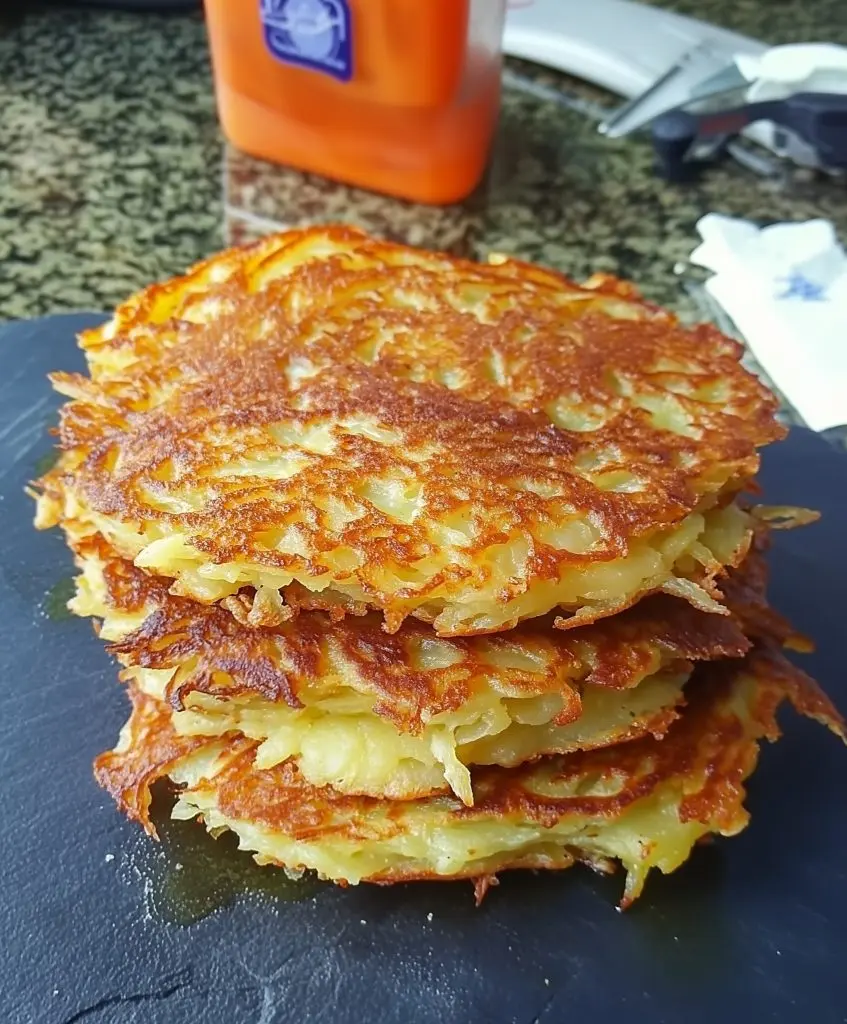
There is something uniquely comforting about the sizzle of a cast-iron skillet as it transforms humble root vegetables into golden, lacy-edged discs of perfection. An authentic german potato pancake recipe, known in Germany as Kartoffelpuffer or Reibekuchen, is more than just a simple side dish; it is a sensory experience defined by a shattering crispness on the outside and a tender, almost creamy interior. Whether you find them at a bustling Christmas market or served at a cozy family dinner table, these pancakes represent the pinnacle of rustic European soul food.
The beauty of this recipe lies in its simplicity and the specific technique used to extract the starch and moisture from the potatoes. Unlike American hash browns or Jewish latkes, which often have their own distinct textures, crispy kartoffelpuffer rely on a fine-grate method that creates a more cohesive, pancake-like structure. By mastering a few key steps—specifically how you handle the potato moisture—you can recreate that iconic street-food flavor in your own kitchen with just a handful of pantry staples.
Why This Recipe Is a Keeper
- Incredible Texture Contrast: The fine grating technique ensures a delicate, lacy exterior that crunches beautifully, while the center remains soft and savory.
- Budget-Friendly Ingredients: This traditional german side dish relies on inexpensive staples like potatoes, onions, and eggs, making it an ideal choice for a filling family meal.
- Versatile Flavor Profile: While they are naturally savory, these pancakes act as a blank canvas, pairing equally well with sweet applesauce or tangy sour cream and chives.
- Crowd-Pleasing Comfort: Whether served as a snack, a breakfast, or a dinner side, these grated potato pancakes are universally loved by both children and adults.
Ingredients You’ll Need
To achieve the best results with an authentic german potato pancake recipe, selecting the right type of potato is the most critical decision you will make. You want a variety that holds its shape but provides enough natural starch to help bind the pancake together without needing excessive amounts of flour.
- Starchy Potatoes: Use Russet or Idaho potatoes. Their high starch content is essential for achieving that signature crispness and helping the batter stay together during frying.
- Yellow Onions: Finely grated onion adds moisture and a sharp, savory depth that balances the earthy flavor of the potatoes. It also helps prevent the potatoes from oxidizing too quickly.
- Eggs: These act as the primary binding agent, ensuring the pancakes don’t fall apart when you flip them in the hot oil.
- Flour or Potato Starch: A small amount of binder absorbs any remaining liquid and reinforces the structure of the pancake.
- Salt and Black Pepper: Potatoes require generous seasoning to bring out their natural flavor, so don’t be afraid to be liberal with the salt.
- Nutmeg: A tiny pinch of freshly grated nutmeg is the “secret” ingredient in many German households, adding a subtle warmth that rounds out the savory notes.
- Neutral Frying Oil: Use an oil with a high smoke point, such as vegetable, canola, or grapeseed oil, to ensure you can get the pan hot enough for a perfect sear.
Easy Ways to Change It Up
Add Smoked Bacon: For a heartier, meatier version, stir in finely diced bacon or Speck into the batter before frying. The fat from the bacon renders out, adding a smoky richness to the comfort food classic.
Herb-Infused Batter: Mix in a handful of fresh chopped chives, parsley, or marjoram. These herbs add a pop of color and a fresh, aromatic finish that cuts through the richness of the fried potato.
Root Vegetable Blend: You can swap out a portion of the potatoes for grated carrots or parsnips. This adds a subtle sweetness and a different nutritional profile while maintaining the traditional cooking method.
Zucchini Variation: If you want a lighter version, replace half the potatoes with grated zucchini. Just be sure to squeeze the zucchini extremely dry, as it contains much more water than potatoes do.
How to Make an Authentic German Potato Pancake Recipe
Step 1: Prep and Grate the Vegetables
Start by peeling your potatoes and onions. Using the fine side of a box grater or the fine shredding disc of a food processor, grate both the potatoes and the onions into a large bowl. Grating the onion directly with the potatoes is a classic trick; the onion juice actually helps slow down the oxidation process, keeping your potato batter from turning an unappetizing grey color. The goal is a pulp-like consistency rather than long, thick shreds.
Step 2: Extract the Excess Moisture
This is the most important step in the entire process. Transfer the grated mixture to a clean kitchen towel or a fine-mesh sieve. Twist the towel tightly and squeeze with all your might to remove as much liquid as possible. Collect the liquid in a bowl and let it sit for a few minutes. You will notice a white sludge at the bottom—that is pure potato starch. Pour off the water, keep the starch, and add it back to your dried potato mixture for extra crispness.
Step 3: Mix the Batter and Seasonings
In a large mixing bowl, combine the squeezed potato and onion mixture with the eggs, flour, salt, pepper, and that essential pinch of nutmeg. Stir everything together until the ingredients are well-distributed. The batter should be thick and slightly tacky. If it looks too wet, you can add an extra tablespoon of flour, but be careful not to over-mix, as this can make the authentic german potato pancake recipe gummy rather than light.
Step 4: Fry to Golden Perfection
Heat a generous amount of oil in a large skillet over medium-high heat. You aren’t deep-frying, but the oil should cover the entire bottom of the pan. Drop a small amount of batter into the oil; if it sizzles immediately, you’re ready. Ladle small mounds of batter into the pan and flatten them with the back of a spoon. Fry for about 3-5 minutes per side until they are deeply golden brown and the edges look like delicate lace.
Step 5: Drain and Keep Warm
Once the pancakes are cooked through and crispy, transfer them to a plate lined with paper towels to drain any excess oil. If you are cooking in batches, place the finished pancakes on a wire rack set over a baking sheet in a 200°F oven. This keeps them hot and prevents the bottoms from becoming soggy while you finish the rest of the batter.
Pro Tips for the Best Results
- Don’t Scrimp on Oil: These pancakes are shallow-fried, not sautéed. If the pan is too dry, the potatoes will soak up the oil rather than crisping up.
- Squeeze Until Dry: Any moisture left in the potatoes will turn into steam in the pan, leading to a soggy pancake. The drier the shreds, the crunchier the result.
- Maintain Heat: If you crowd the pan, the temperature of the oil will drop. Fry in batches of three or four to ensure every pancake gets that high-heat sear.
- Use a Cast Iron Skillet: Cast iron retains heat exceptionally well, which helps in maintaining a consistent frying temperature throughout the process.
- Keep it Fine: For the most authentic texture, use the finer holes on your grater. Coarse shreds are great for hash browns, but for crispy kartoffelpuffer, a finer texture is traditional.
Troubleshooting Common Problems
Why are my pancakes falling apart in the pan?
This usually happens for one of two reasons: either there wasn’t enough binder (egg or flour), or the potatoes were still too wet. If the batter feels loose, try adding another tablespoon of flour or an extra egg yolk to help everything stick together. Also, ensure the oil is hot before adding the batter; the heat helps “set” the edges immediately.
Why are my pancakes dark on the outside but raw in the middle?
Your heat is likely too high. While you want the oil to be hot, if it’s screaming hot, the exterior will burn before the starch in the middle has a chance to cook through. Aim for a steady medium-high heat and flatten the pancakes out so they aren’t too thick in the center.
How to Serve Your Potato Pancakes
In Germany, the way you serve your grated potato pancakes often depends on the region. In many areas, they are traditionally served with a side of cold applesauce (Apfelmus) and a dusting of granulated sugar. This sweet-and-savory combination is a classic staple at outdoor markets and fairs.
Traditional Garnishes
If you prefer a purely savory experience, sour cream or crème fraîche is the way to go. Top the pancakes with a dollop of cream and a sprinkle of fresh chives or green onions. For a more sophisticated brunch presentation, serve them with thin slices of smoked salmon and a few capers.
Side Dishes
These pancakes are quite rich, so they pair beautifully with a light, acidic side dish. A simple green salad with a sharp vinaigrette or a traditional German cucumber salad (Gurkensalat) provides a refreshing contrast to the fried potatoes. They also make a fantastic accompaniment to roasted meats or sausages for a full dinner spread.
Storage and Make-Ahead
Storing Leftovers
Leftover potato pancakes can be stored in an airtight container in the refrigerator for up to three days. To keep them from sticking together, place a piece of parchment paper between each layer.
Reheating for Crispness
Avoid the microwave at all costs! To bring back the original crunch, reheat the pancakes in a 375°F oven for about 8-10 minutes, or pop them back into a dry skillet over medium heat for a few minutes on each side. This restores the texture better than any other method.
Making It Ahead
While the batter itself doesn’t store well because the potatoes will oxidize and turn brown/black, you can certainly fry the pancakes ahead of time. Simply under-cook them slightly, let them cool, and then finish crisping them up in the oven just before you are ready to serve your guests.
Final Thoughts
Mastering this authentic german potato pancake recipe is a rite of passage for anyone who loves European comfort food. While it requires a little bit of elbow grease to grate and squeeze the potatoes, the reward is a dish that is far superior to anything you can find in a frozen box. These pancakes are a testament to the fact that the simplest ingredients—potatoes, onions, and oil—can create something truly extraordinary when prepared with care and the right technique. Once you hear that first crunch, you’ll understand why they are a beloved staple across Germany.
Frequently Asked Questions
What are the best potatoes for German potato pancakes?
For an authentic german potato pancake recipe, you really need starchy potatoes. Russets are the gold standard in the U.S. because they have a high starch-to-water ratio. Waxy potatoes like Red Bliss or New potatoes won’t crisp up as well and may result in a gummy texture that doesn’t hold its shape in the pan.
Can I make the batter in advance?
It is not recommended to make the batter more than 20-30 minutes before frying. Even with the onion juice helping to prevent browning, the potatoes will eventually release more liquid and begin to oxidize, turning the batter a dark grey or purple color. For the best flavor and appearance, fry them immediately after mixing.
Is it necessary to squeeze the potatoes?
Yes, this is arguably the most critical step for success. If you don’t remove the excess liquid, you will essentially be boiling the potatoes in oil rather than frying them. Excess moisture prevents the edges from becoming crispy kartoffelpuffer and often causes the pancakes to fall apart when you try to flip them.
Are these the same as Jewish Latkes?
They are very similar, but the main difference lies in the texture of the grate. Latkes often use a coarser shred, resulting in more “strands” of potato. German Kartoffelpuffer typically use a finer grate, which creates a more uniform, pancake-like interior. Additionally, the traditional German serving of applesauce and sugar is a unique regional preference.
Can I freeze these potato pancakes?
Yes, they freeze surprisingly well! Flash-freeze the cooked pancakes on a baking sheet until solid, then transfer them to a freezer-safe bag for up to two months. When you’re ready to eat, bake them directly from frozen in a 400°F oven until they are hot and sizzling. This makes them a great option for a quick traditional german side dish on a busy weeknight.
Authentic German Potato Pancakes (Kartoffelpuffer)

These crispy, golden-brown German potato pancakes are a savory delight. Made with grated potatoes and onions, they are a traditional comfort food usually served with applesauce or sour cream.
- 2 lbs starchy potatoes, peeled and finely grated
- 1 medium onion, finely grated
- 2 large eggs, lightly beaten
- 1/4 cup all-purpose flour
- 1 tsp salt
- 1/2 tsp black pepper
- Vegetable oil for frying
- 1Place the grated potatoes and onion in a clean kitchen towel and squeeze firmly to remove as much liquid as possible.
- 2In a large mixing bowl, combine the squeezed potato and onion mixture with the beaten eggs, flour, salt, and pepper.
- 3Heat about 1/4 inch of oil in a large skillet over medium-high heat until shimmering.
- 4Drop large spoonfuls of the batter into the hot oil, flattening them slightly with the back of the spoon.
- 5Fry for 3-5 minutes per side until the pancakes are deep golden brown and crispy.
- 6Transfer to a plate lined with paper towels to drain excess oil.
- 7Serve immediately while hot and crispy.
Keywords: German, potato pancakes, Kartoffelpuffer, savory, dinner, vegetarian, traditional


