
Dump and Bake Meatball Casserole

Finding a meal that satisfies a hungry family without leaving a mountain of dishes in the sink is the ultimate kitchen win. This dump and bake meatball casserole is the definition of a low-effort, high-reward meal, combining tender pasta, savory meatballs, and a rich, cheesy sauce all in one single baking dish. Unlike traditional pasta bakes that require boiling a separate pot of water, this method allows the dry noodles to absorb the flavors of the marinara and seasonings as they cook directly in the oven. The result is a deeply flavorful, one-pan pasta bake that feels like a slow-simmered Sunday dinner but requires less than ten minutes of actual preparation.
The beauty of this recipe lies in its sheer simplicity and the magical way the oven does all the heavy lifting. By using pantry staples and freezer favorites, you can have a family-friendly meal on the table even on your most hectic evenings. It is the perfect solution for busy parents or anyone looking for a comforting, hearty dish that doesn’t demand constant attention at the stove. Once the dish is covered and tucked into the oven, you are free to step away until it is time to add the final layer of gooey, melted mozzarella.
Why You’ll Love This Recipe
- Ultimate Convenience: This is a true “dump and bake” meal, meaning there is no pre-boiling of pasta or browning of meat required before it hits the oven.
- Minimal Cleanup: Because everything happens in one 9×13 baking dish, you won’t have to deal with multiple pots, strainers, or greasy pans afterward.
- Kid-Approved Flavors: With classic Italian flavors, juicy meatballs, and plenty of melted cheese, this easy weeknight dinner is almost guaranteed to be a hit with even the pickiest eaters.
- Highly Customizable: It serves as a fantastic base recipe that you can easily tweak with different cheeses, vegetable additions, or various types of frozen meatball recipes to suit your pantry.
Ingredients You’ll Need
Success with a dump-and-bake meal depends on the balance of moisture and starch. Each of these ingredients plays a specific role in ensuring the pasta cooks through perfectly while creating a cohesive, velvety sauce that coats every bite.
- Frozen Meatballs: These provide the savory protein base. Since they are pre-cooked, they simply need to thaw and heat through, releasing their juices into the sauce as they bake.
- Dry Pasta: Short, sturdy shapes like penne, rotini, or rigatoni work best here. They hold up well during the longer baking time and have plenty of surface area to grab onto the sauce.
- Marinara Sauce: Choose a high-quality jarred sauce, as this provides the bulk of the flavor. Whether you prefer a traditional tomato-basil or a zesty garlic version, the sauce is the soul of the dish.
- Water or Broth: This is the most critical component. The extra liquid is what hydrates and cooks the dry pasta. Using beef or vegetable broth can add an extra layer of savory depth.
- Mozzarella Cheese: A generous layer of shredded mozzarella provides that iconic cheese pull and a mild, creamy finish that balances the acidity of the tomatoes.
- Parmesan Cheese: Adding a salty, nutty kick, parmesan enhances the Italian profile and helps create a slightly crisp crust on top of the casserole.
- Italian Seasoning: A blend of dried herbs like oregano, thyme, and rosemary helps bridge the flavors between the jarred sauce and the meatballs.
Variations and Smart Swaps
Protein Alternatives: If you prefer a lighter version, you can easily swap the traditional beef meatballs for frozen turkey or chicken meatballs. For a vegetarian option, there are many excellent plant-based meatball alternatives that hold up beautifully in this one-pan pasta bake.
Vegetable Boost: To sneak in some extra nutrition, stir in a cup of frozen peas, chopped bell peppers, or a few handfuls of fresh baby spinach before baking. The spinach will wilt perfectly into the sauce, adding color and vitamins without changing the cook time.
Spice It Up: If your family enjoys a bit of heat, add a half-teaspoon of red pepper flakes to the sauce or use a “spicy arrabbiata” style marinara. You can also swap half of the mozzarella for pepper jack cheese for a subtle kick.
Noodle Swaps: While penne is a classic choice, rotini is excellent for trapping sauce in its spirals. If using whole wheat pasta, keep in mind that it may require an extra 1/4 cup of liquid and a few additional minutes of baking time to reach the desired tenderness.
How to Make This Meatball Casserole
Step 1: Combine the Base Ingredients
Start by preheating your oven and lightly greasing a large 9×13-inch baking dish. Pour the dry pasta, frozen meatballs, marinara sauce, and water (or broth) directly into the pan. Add your Italian seasoning and a pinch of garlic powder if desired. Use a large spoon to stir everything together until the pasta is evenly distributed and the meatballs are submerged. It might look like there is too much liquid at this stage, but the dry pasta will act like a sponge as it cooks, absorbing that moisture to become perfectly al dente.
Step 2: Seal and Bake to Perfection
This is the most important part of the process: cover the baking dish tightly with aluminum foil. You want to create a functional steam chamber that prevents the liquid from evaporating too quickly, ensuring the noodles cook through. Place the dish in the center of the oven and bake for about 35 to 45 minutes. Halfway through the cooking time, you can quickly uncover and stir the mixture to ensure no pasta is sticking to the bottom, then recover it tightly to finish the steaming process.
Step 3: Add the Cheesy Finish
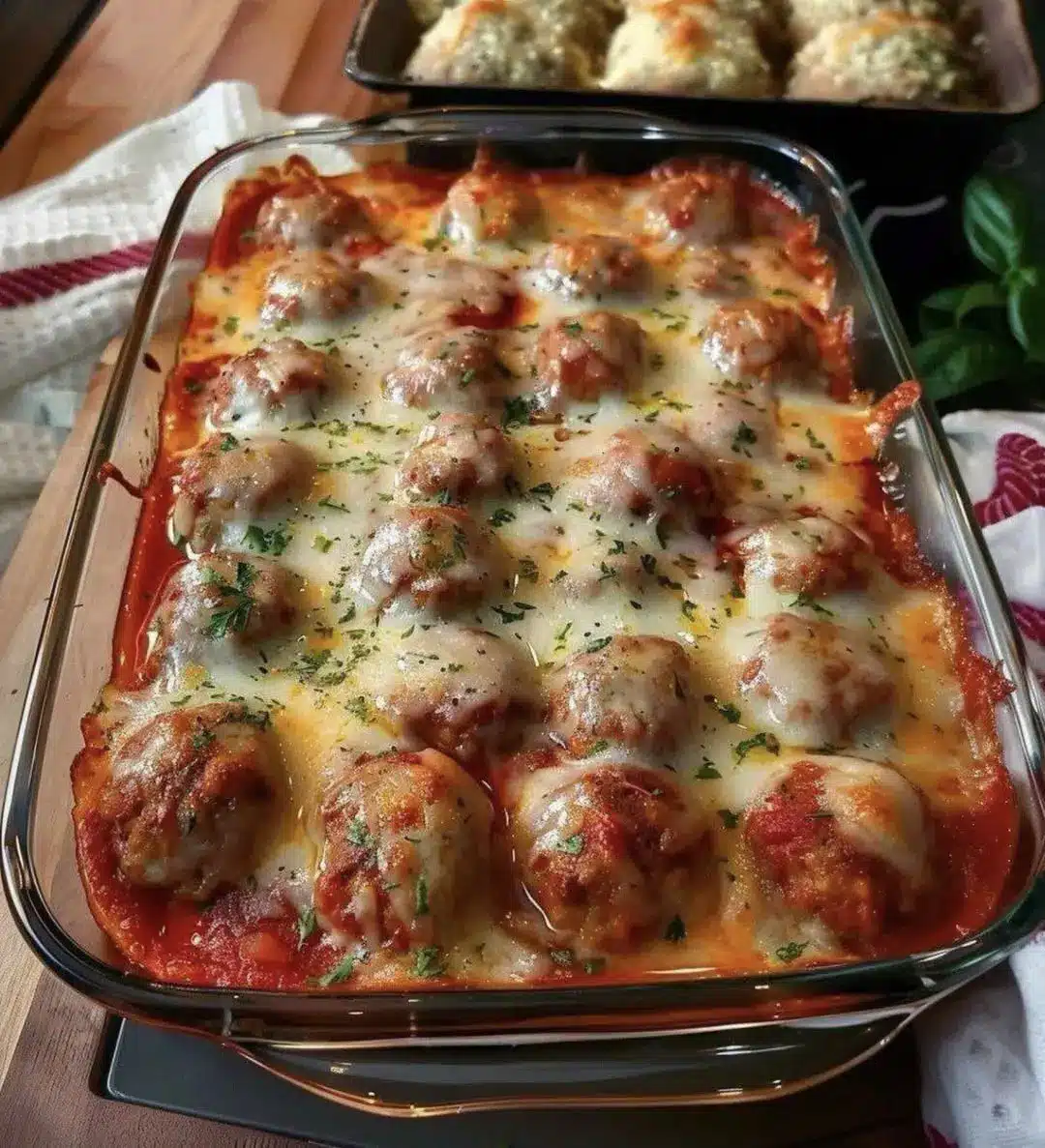
Once the pasta is tender and the sauce has thickened, remove the foil and give the casserole one final stir. The meatballs should be hot and the sauce bubbling. Sprinkle the shredded mozzarella and parmesan evenly over the top. Return the dish to the oven, uncovered, for another 5 to 10 minutes. For a professional touch, you can turn on the broiler for the last 2 minutes to get those golden-brown, crispy cheese spots that make a dump and bake meatball casserole so irresistible.
Pro Tips for Success
- Tip: Always cover the dish tightly with foil. If steam escapes, the pasta on top will remain crunchy while the liquid disappears, leading to an unevenly cooked meal.
- Tip: Use a high-quality marinara. Since this is the primary flavor driver, a sauce with good seasoning and low sugar content will result in a much better final dish.
- Tip: Don’t skip the stir. Stirring the ingredients halfway through baking helps redistribute the starch and ensures every piece of pasta is in contact with the cooking liquid.
- Tip: Check for doneness early. Oven temperatures can vary; start checking the pasta’s texture at the 35-minute mark to avoid overcooking it into a mushy consistency.
- Tip: Let it rest. Allow the casserole to sit for 5 minutes after taking it out of the oven. This allows the sauce to set and thicken slightly before serving.
How to Serve This Recipe
This casserole is a complete meal on its own, but it pairs beautifully with classic Italian sides. A crisp, green side salad with a tangy vinaigrette provides a refreshing contrast to the rich, cheesy pasta. Garlic bread or warm breadsticks are almost mandatory for mopping up any extra marinara sauce left on the plate.
For garnishing, a sprinkle of fresh chopped parsley or basil adds a pop of color and a burst of freshness that cuts through the savory weight of the cheese. If you want to elevate the presentation for guests, serve it in wide shallow bowls and finish with an extra grating of fresh pecorino romano or a drizzle of high-quality olive oil.
Storage and Make-Ahead
Storing Leftovers
Leftover casserole can be stored in an airtight container in the refrigerator for up to 3 or 4 days. In fact, many people find that the flavors meld and improve after a night in the fridge. When reheating, add a tiny splash of water or extra sauce to the pasta before microwaving to prevent it from drying out.
Freezing
You can freeze this dish either before or after baking. If freezing before baking, assemble everything except the cheese in a freezer-safe foil pan, seal tightly, and freeze for up to 3 months. Thaw in the refrigerator overnight before baking as directed. If freezing leftovers, portion them into individual containers for easy grab-and-go lunches.
Reheating
For the best results when reheating a large portion, place it back in the oven at 350°F (175°C) covered with foil until warmed through. This helps maintain the texture of the meatballs and cheese better than the microwave, which can sometimes make the pasta a bit rubbery.
Final Thoughts
The dump and bake meatball casserole is a testament to the fact that great cooking doesn’t have to be complicated or time-consuming. By leveraging simple techniques and smart ingredient choices, you can create a family-friendly meal that delivers comfort and satisfaction with almost zero effort. Whether you are navigating a busy school night or just want a cozy Sunday dinner without the cleanup, this easy weeknight dinner is a reliable recipe that you will find yourself returning to again and again. It’s hearty, cheesy, and consistently delicious.
Frequently Asked Questions
Can I use fresh meatballs instead of frozen?
Yes, you can use fresh meatballs, but it is highly recommended that you brown them in a skillet first. Frozen meatballs are already precooked, whereas raw meat will release a lot of fat and moisture into the casserole as it bakes, which can make the sauce greasy and the pasta soggy if they aren’t seared first.
Do I really not have to boil the pasta first?
That is the best part! You do not need to boil the pasta. The dry noodles cook in the liquid provided by the marinara and the water/broth while the dish is tightly sealed with foil. The starch released from the pasta actually helps thicken the sauce, creating a better texture than if you had used pre-boiled noodles.
What if my sauce looks too thin after baking?
If the sauce looks a bit liquidy when you first remove the foil, don’t panic. Stir the casserole and let it sit for about 5 to 10 minutes after adding the cheese. As the dish cools slightly, the pasta will continue to absorb liquid and the sauce will thicken significantly into a rich, coating consistency.
Can I make this recipe gluten-free?
You can certainly make this a gluten-free one-pan pasta bake by using your favorite gluten-free sturdy pasta, such as a corn or brown rice-based penne. Just be sure to check that your frozen meatballs are also labeled gluten-free, as many brands use breadcrumbs as a filler. You may need to reduce the bake time by 5 minutes, as gluten-free pasta can sometimes soften faster.
Can I use a different type of cheese?
Absolutely. While mozzarella is the classic choice for its melting capabilities, you can mix in provolone for more tang, fontina for extra creaminess, or even a pre-shredded Italian blend. Just ensure you use a cheese that melts well to get that signature golden crust on top of your dump and bake meatball casserole.
Dump and Bake Meatball Casserole

This Dump and Bake Meatball Casserole is the ultimate lazy weeknight dinner. With just five minutes of prep and one baking dish, you will have a hearty, cheesy meal that the whole family loves. No boiling the pasta beforehand!
- 16 oz rotini or penne pasta (uncooked)
- 24 oz marinara sauce
- 3 cups water
- 1 lb frozen vegetarian meatballs
- 2 cups shredded mozzarella cheese
- 1/4 cup grated parmesan cheese
- 1 tsp dried oregano or Italian seasoning
- 1Preheat your oven to 400°F (200°C).
- 2In a 9x13-inch baking dish, combine the uncooked pasta, marinara sauce, water, and frozen vegetarian meatballs. Stir well to ensure the pasta is submerged.
- 3Cover the dish tightly with aluminum foil.
- 4Bake for 45 minutes.
- 5Remove from oven and uncover. Stir the pasta gently to ensure even cooking.
- 6Sprinkle the shredded mozzarella, parmesan cheese, and dried oregano evenly over the top.
- 7Bake uncovered for an additional 10-15 minutes until the cheese is melted, bubbly, and slightly golden brown.
Keywords: meatball casserole, dump and bake, easy dinner, vegetarian pasta, one-pan meal, weeknight dinner


