
Victorian Stewed Potatoes

Stepping back into a 19th-century kitchen reveals a world where comfort was crafted from the simplest pantry staples. An authentic victorian stewed potato recipe represents the heart of historical home cooking, offering a level of creaminess and warmth that modern quick-fix sides often lack. Unlike the fluffy texture of mashed potatoes or the crispness of roasts, stewed potatoes are gently simmered in a seasoned liquid until they become tender, creating a naturally thickened sauce that coats every bite. This dish was a staple on Victorian tables, prized for its ability to turn humble tubers into a rich, satisfying accompaniment for any meal.
Bringing this historical comfort food into your modern kitchen is surprisingly easy and rewarding. While the ingredients are modest, the technique of slow-simmering ensures that the potatoes absorb the flavors of butter and milk, resulting in a dish that feels far more indulgent than its component parts. Whether you are looking for a nostalgic side dish for a Sunday roast or simply want to master old-fashioned potato recipes, this method provides a foolproof path to a velvety, savory finish that has stood the test of time.
Why You’ll Love This Recipe
- Simple Elegance: This recipe relies on four or five basic ingredients, proving that you don’t need a complex pantry to create a deeply flavorful and creamy side dish.
- Unique Texture: Somewhere between a mash and a gratin, these potatoes offer a soft, bite-sized structure surrounded by a rich, silky sauce that is incredibly comforting.
- Versatile Pairing: The mild, buttery profile makes it a perfect partner for everything from hearty beef stews and roasted chicken to simple grilled sausages.
- Kid-Friendly Appeal: With its soft texture and familiar flavors, this is a crowd-pleasing dish that even the pickiest eaters tend to enjoy without hesitation.
Ingredients You’ll Need
To recreate an authentic victorian stewed potato recipe, the quality of your base ingredients matters. Since there are so few elements involved, choosing the right potato and a high-quality fat will significantly impact the final flavor and mouthfeel of the dish.
- Potatoes: For the best results, use a starchy variety like Russets for a thicker sauce, or Yukon Golds if you prefer the potatoes to hold their shape slightly better while remaining buttery.
- Whole Milk: This provides the liquid base for the stewing process. Using whole milk ensures a rich consistency that thinner, lower-fat alternatives cannot replicate.
- Unsalted Butter: Victorian cooks were generous with butter. It adds a necessary fat component that emulsifies with the potato starches to create a glossy finish.
- Salt and Black Pepper: These are essential for drawing out the natural sweetness of the potatoes and adding a subtle, warming spice to the cream sauce.
- Fresh Parsley (Optional): A classic Victorian garnish that adds a pop of color and a light, herbaceous note to cut through the richness of the dairy.
Variations and Smart Swaps
While the traditional version is a masterpiece of simplicity, there are several ways to adapt this authentic victorian stewed potato recipe to suit your personal tastes or what you have on hand in your kitchen.
- The Onion Infusion: For more depth, sauté finely diced white onions in the butter before adding the potatoes. This adds a savory sweetness that was very common in many Victorian-era variations.
- Broth-Based Stewing: If you prefer a lighter dish, you can swap half of the milk for chicken or vegetable broth. This results in a more translucent sauce with a deeper savory profile.
- Cheesy Twist: While perhaps a bit more modern than the 1800s original, stirring in a handful of shredded white cheddar at the very end turns this into an extra indulgent treat.
- Herbaceous Updates: Beyond parsley, try adding a sprig of fresh thyme or a pinch of dried nutmeg during the simmering process to enhance the aromatic qualities of the sauce.
How to Make an Authentic Victorian Stewed Potato Recipe
Step 1: Prepare the Potatoes for Even Cooking
Start by peeling your potatoes and cutting them into uniform cubes, roughly half an inch to an inch in size. Consistency is key here; if the pieces vary too much in size, the smaller ones will disintegrate into mush before the larger ones are tender. Once cut, give them a quick rinse in cold water to remove excess surface starch, which helps prevent the sauce from becoming overly gummy or sticking to the bottom of your pot during the initial heating phase.
Step 2: Combine and Begin the Gentle Simmer
Place the potato cubes into a heavy-bottomed saucepan or a small Dutch oven. Pour in enough milk to just barely cover the tops of the potatoes. Add your butter and a generous pinch of salt. Turn the heat to medium-low, bringing the liquid to a very gentle simmer. It is crucial not to let the milk reach a rolling boil, as high heat can cause the dairy to curdle or the potatoes to break apart prematurely. You want a slow, steady bubble that coaxes the starch out of the potatoes gradually.
Step 3: Monitor the Liquid and Texture
As the potatoes cook, they will begin to release their starches into the milk. This naturally thickens the liquid into a beautiful sauce. Stir occasionally with a wooden spoon, making sure to scrape the bottom of the pan to prevent scorching. If the liquid reduces too much before the potatoes are soft, splash in a little more milk. The goal is a tender potato that still holds its shape, bathed in a sauce that is thick enough to coat the back of a spoon. This usually takes about 15 to 20 minutes depending on the potato variety used.
Step 4: Season and Finish
Once the potatoes are fork-tender, remove the pan from the heat. This is the moment to taste and adjust your seasonings. Victorian recipes often relied on a good amount of black pepper to provide a gentle heat. If the sauce looks a bit too thin, let it sit for two or three minutes off the heat; it will continue to thicken as it cools slightly. Fold in your fresh chopped parsley right before serving to maintain its bright green color and fresh flavor.
Pro Tips for Success
- Tip: Keep the Heat Low. Dairy-based sauces are delicate. Keeping the temperature at a low simmer prevents the milk from scorching on the bottom of the pan, which can ruin the flavor of the entire dish.
- Tip: Don’t Over-Stir. While you need to stir occasionally to prevent sticking, doing it too often will break the potato cubes into a mash. Treat them gently to maintain that classic “stewed” appearance.
- Tip: Use a Heavy Pot. A cast iron or heavy stainless steel pot distributes heat more evenly than thin aluminum, which is vital for slow-simmering old-fashioned potato recipes.
- Tip: Season in Layers. Salt the milk at the beginning so the potatoes absorb flavor as they cook, but wait until the end to add your pepper and extra salt to ensure the balance is perfect.
How to Serve Stewed Potatoes
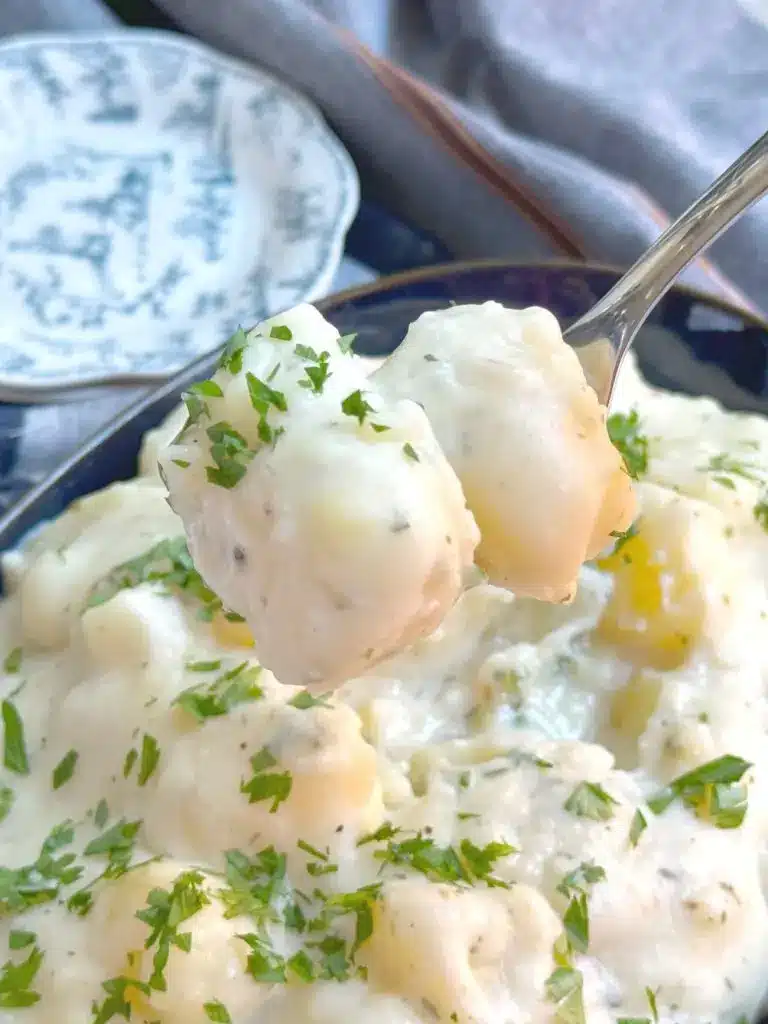
An authentic victorian stewed potato recipe is the ultimate chameleon of side dishes. Historically, it would have been served in a deep ceramic bowl, often placed in the center of the table for family-style service. Because it contains its own sauce, it is particularly good at reviving leaner meats that might otherwise feel dry.
Traditional Pairings
Pair these potatoes with a simple roasted chicken or a thick slice of pot roast. The creamy sauce acts as a natural gravy, tying the entire plate together. It also works beautifully alongside cooked greens, such as braised kale or cabbage, providing a rich contrast to the slightly bitter vegetables.
Modern Serving Ideas
For a more contemporary approach, try serving these potatoes as a base for a “bowl” meal. Top them with sautéed mushrooms, a poached egg, or even some crumbled bacon. The velvety texture of the potatoes makes them a luxurious foundation for a variety of toppings, turning a simple side into a satisfying main event.
Storage and Make-Ahead
Storing Leftovers
If you have leftovers, they can be stored in an airtight container in the refrigerator for up to three days. Note that the potatoes will continue to absorb the liquid as they sit, so the dish may appear much thicker the following day.
Reheating
To reheat, place the potatoes in a saucepan over low heat. You will likely need to add a tablespoon or two of milk or water to loosen the sauce back to its original creamy consistency. Stir gently as it warms through to avoid mashing the potatoes.
Making It Ahead
While this dish is best served fresh, you can prep the potatoes by peeling and cubing them ahead of time. Store the cubes in a bowl of cold water in the fridge for up to 24 hours to prevent browning. When you are ready to cook, simply drain and proceed with the recipe.
Final Thoughts
The authentic victorian stewed potato recipe is a testament to the enduring power of simple, honest ingredients. In an era of complex techniques and long ingredient lists, there is something deeply satisfying about returning to a method that relies on time and gentle heat to create flavor. This creamy side dish brings a touch of history to your dinner table, offering a comforting experience that feels both rustic and refined. Once you taste the way the potatoes and milk meld into a silky, savory delight, it is easy to see why this was a favorite for generations of home cooks.
Frequently Asked Questions
What is the difference between stewed potatoes and mashed potatoes?
While mashed potatoes are boiled in water and then smashed with butter and milk, stewed potatoes are cooked directly in the milk and butter. This allows the potatoes to retain their shape as individual cubes while the cooking liquid transforms into a thick, integrated sauce. The result is a much creamier, more cohesive dish that doesn’t require a separate gravy.
Can I make this recipe dairy-free?
Yes, you can adapt this to be dairy-free by using a high-quality unsweetened almond or oat milk and a plant-based butter substitute. However, keep in mind that the fat content in whole milk contributes significantly to the traditional texture. Oat milk is generally the best substitute because it has a natural thickness that mimics dairy quite well in historical comfort food preparations.
Which potato variety is best for stewing?
For an authentic victorian stewed potato recipe, Yukon Golds are often the top choice because they offer a naturally buttery flavor and a medium starch content. They hold their cube shape well while still releasing enough starch to thicken the sauce. Russets will create a much thicker, almost porridge-like sauce, which some people prefer for extra heartiness.
How do I stop the milk from burning at the bottom of the pan?
The secret is low heat and a heavy-bottomed pan. If your stove runs hot, you may even want to use a heat diffuser. Stirring every few minutes is also essential, especially as the sauce begins to thicken toward the end of the cooking time. If you see any brown bits starting to form, immediately lower the heat and add a splash of cold milk to bring the temperature down.
Can I freeze stewed potatoes?
Freezing is generally not recommended for this dish. Potatoes that have been simmered in dairy tend to become grainy and lose their structural integrity when frozen and thawed. The sauce can also separate, resulting in a watery consistency. It is best to enjoy this dish fresh or within a few days of cooking from the refrigerator.
Victorian Stewed Potatoes

This classic Victorian Stewed Potatoes recipe brings historical comfort to your dinner table. Sliced potatoes are gently simmered in a rich, creamy white sauce infused with butter and onions for a simple yet elegant side dish.
- 2 lbs Russet potatoes, peeled and thinly sliced
- 1 small yellow onion, finely minced
- 2 cups whole milk
- 3 tablespoons unsalted butter
- 2 tablespoons all-purpose flour
- 1 teaspoon kosher salt
- 1/2 teaspoon cracked black pepper
- 2 tablespoons fresh parsley, chopped
- 1Prepare the Sauce: Melt the butter in a large heavy-bottomed saucepan over medium heat. Whisk in the flour and cook for 1-2 minutes until bubbling.
- 2Add Milk: Slowly pour in the milk, whisking constantly to ensure a smooth consistency. Add the minced onion, salt, and pepper.
- 3Stew the Potatoes: Carefully fold in the sliced potatoes. Reduce heat to low, cover, and simmer for 25-30 minutes until the potatoes are tender.
- 4Finish: Garnish with fresh parsley before serving warm.
Keywords: Victorian potatoes, stewed potatoes, creamed potatoes, vintage recipes, side dish, old fashioned potatoes


