
Pineapple Coconut Cake

Finding the perfect balance between a tender crumb and vibrant, tropical flavor is the hallmark of the best pineapple coconut cake recipe. This isn’t just another standard yellow cake with a bit of fruit tossed in; it is a meticulously crafted moist pineapple cake that relies on the natural acidity of crushed pineapple and the rich fats of shredded coconut to create a texture that almost melts in your mouth. Whether you are serving this at a summer backyard barbecue or as a bright finale to a holiday dinner, it brings a refreshing island-inspired elegance to any table.
What makes this specific tropical cake recipe stand out is the interplay of textures. By using crushed pineapple instead of chunks, the fruit becomes a structural component of the batter, distributing moisture evenly so every bite is consistently soft. Paired with a luscious, tangy coconut cream cheese frosting, the sweetness is perfectly balanced, ensuring that the dessert feels indulgent without being cloying. It is a foolproof classic that manages to feel both nostalgic and sophisticated at the same time.
Why This Recipe Is a Keeper
- Unmatched Moisture: The combination of crushed pineapple juice and fats ensures the cake stays incredibly soft for days, avoiding the dryness common in many homemade sponges.
- Tropical Flavor Profile: By layering coconut into both the batter and the frosting, you achieve a deep, tropical cake recipe experience that tastes like a vacation on a plate.
- Crowd-Pleasing Appeal: This cake appeals to all ages, offering a familiar comfort that pairs beautifully with coffee, tea, or a cold glass of milk.
- Versatile Presentation: While beautiful as a towering layer cake, this recipe works just as well in a 9×13-inch pan for a more casual, potluck-style moist pineapple cake.
Ingredients You’ll Need
Before you begin preheating your oven, it is important to understand how these specific components work together to build the best pineapple coconut cake recipe. Quality ingredients and correct temperatures are the secrets to a bakery-level result at home.
- Crushed Pineapple: Do not drain the can! The juice is vital for hydrating the flour and providing the necessary acidity to react with the leavening agents.
- Sweetened Shredded Coconut: This provides both texture and sweetness. If you prefer a less sweet cake, you can use unsweetened desiccated coconut, though the moisture levels may shift slightly.
- All-Purpose Flour: This provides the necessary structure. Ensure you measure using the spoon-and-level method to avoid a heavy, dense crumb.
- Buttermilk: The tang of buttermilk works alongside the pineapple to tenderize the gluten, resulting in a cake that is exceptionally soft.
- Cream Cheese: For the coconut cream cheese frosting, use full-fat brick-style cream cheese. It provides the stability and tang needed to balance the sweet fruit.
- Vanilla and Almond Extracts: While vanilla is standard, a tiny hint of almond extract enhances the coconut flavor and gives the cake a professional, complex aroma.
- Unsalted Butter: Using unsalted butter allows you to control the sodium content perfectly, ensuring the sweet notes of the pineapple remain the star.
Variations and Smart Swaps
The Nutty Addition: If you enjoy a bit of crunch, folding half a cup of chopped toasted pecans or macadamia nuts into the batter adds a wonderful textural contrast to the soft fruit.
The Piña Colada Twist: For an adult version of this moist pineapple cake, you can brush the warm cake layers with a tablespoon or two of dark rum before frosting. This amplifies the tropical notes significantly.
Dairy-Free Option: You can substitute the butter with a high-quality vegan butter stick and use full-fat coconut milk in place of the buttermilk. For the frosting, look for a plant-based cream cheese that is firm at room temperature.
How to Make the Best Pineapple Coconut Cake
Step 1: Prepare the Pans and Cream the Fats
Start by preheating your oven and generously greasing your cake pans. In a large bowl, cream together your softened butter and sugar until the mixture is pale and fluffy. This process incorporates air, which is essential for a light rise. Once light, add the eggs one at a time, ensuring each is fully incorporated before adding the next. This prevents the emulsion from breaking and ensures a smooth, even batter for your best pineapple coconut cake recipe.
Step 2: Combine the Dry and Wet Ingredients
In a separate bowl, whisk together your flour, baking powder, and salt. Now, begin adding the dry ingredients to the creamed butter mixture in three parts, alternating with the buttermilk and the undrained crushed pineapple. Start and end with the dry ingredients. This “alternating” method protects the air bubbles you created during creaming and prevents the flour from over-developing gluten, which would make the cake tough.
Step 3: Fold in the Coconut and Bake
Once the batter is just combined, gently fold in the shredded coconut using a spatula. Over-mixing at this stage is a common mistake; you want to distribute the coconut without deflating the batter. Divide the batter evenly between your prepared pans and smooth the tops. Bake until a tester inserted into the center comes out clean. The cake should feel springy to the touch and have a light golden hue around the edges.
Step 4: Create the Coconut Cream Cheese Frosting
While the cake layers cool completely on a wire rack, whip together the room-temperature cream cheese and butter. Slowly add powdered sugar until the frosting is thick and spreadable. Stir in the coconut extract and a handful of shredded coconut. It is vital that the cake is entirely cool before frosting; otherwise, the coconut cream cheese frosting will melt and slide off the layers.
Step 5: Assemble and Garnish
Place the first layer on your serving plate and spread a generous amount of frosting over the top. Add the second layer and cover the top and sides of the cake. For a professional finish, press extra toasted coconut into the sides of the cake. This not only looks beautiful but adds a deeper, nutty flavor that complements the tropical cake recipe perfectly.
Pro Tips for Success
- Tip: Always use room temperature eggs, butter, and buttermilk. Cold ingredients do not emulsify properly, which can lead to a dense or oily cake texture.
- Tip: Don’t drain the pineapple! The liquid in the can is calculated into the recipe’s moisture balance. Draining it will result in a dry, crumbly cake.
- Tip: To toast the coconut for the garnish, spread it in a thin layer in a skillet over medium-low heat. Stir constantly for 3-5 minutes until it is golden brown and fragrant.
- Tip: For perfectly level layers, use a serrated knife to trim the domed tops off the cakes once they are cool. This makes assembly much easier and more stable.
Troubleshooting Common Problems
Why did my cake sink in the middle?
A cake usually sinks in the center if the oven door was opened too early in the baking process, causing a sudden drop in temperature. It can also happen if the baking powder is expired or if the batter was over-beaten, which incorporates too much air that then collapses in the oven heat.
Why is my frosting too runny?
Runny frosting is often the result of using cream cheese that was too soft or “over-whipping” the mixture. If your frosting feels loose, place it in the refrigerator for 20-30 minutes to firm up before you attempt to frost the cake. Also, ensure you are using block-style cream cheese rather than the spreadable kind from a tub.
How to Serve This Tropical Cake
When serving the best pineapple coconut cake recipe, presentation can enhance the experience. This cake is quite rich, so moderate slices are usually best. It pairs exceptionally well with a side of fresh tropical fruit, such as sliced mango or kiwi, which adds a bright acidity that cuts through the creamy frosting.
For a more formal gathering, garnish each plate with a sprig of fresh mint or a maraschino cherry to leaning into the Piña Colada aesthetic. If you are serving this during the summer, a scoop of coconut sorbet or vanilla bean ice cream on the side can turn a simple slice of moist pineapple cake into an decadent sundae-style dessert.
Storage and Make-Ahead
Storing Leftovers
Because of the coconut cream cheese frosting, this cake must be stored in the refrigerator. Place it in a cake carrier or cover it loosely with plastic wrap to prevent the sponge from picking up other fridge odors. It will stay fresh and moist for up to 4-5 days. For the best flavor, let a slice sit at room temperature for about 20 minutes before eating.
Freezing Instructions
You can freeze the unfrosted cake layers for up to 3 months. Wrap each layer tightly in two layers of plastic wrap and then a layer of aluminum foil. Thaw the layers overnight in the refrigerator before frosting. We do not recommend freezing the fully assembled cake, as the texture of the cream cheese frosting can change slightly upon thawing.
Final Thoughts
Mastering the best pineapple coconut cake recipe is a rewarding experience for any home baker. It is a dessert that feels celebratory and special, yet the techniques required are straightforward enough for a beginner. By focusing on the quality of your pineapple and ensuring your ingredients are at the right temperature, you can create a tropical cake recipe that rivals any professional bakery. This cake is all about the joy of simple, bright flavors coming together to create something truly memorable.
Frequently Asked Questions
Can I use fresh pineapple instead of canned?
While fresh pineapple is delicious, it contains an enzyme called bromelain that can break down the proteins in the flour and eggs, sometimes leading to a mushy texture. If you use fresh, you must finely mince it and cook it down slightly with its own juice to deactivate the enzyme before adding it to the batter for your moist pineapple cake.
Can I make this as a sheet cake?
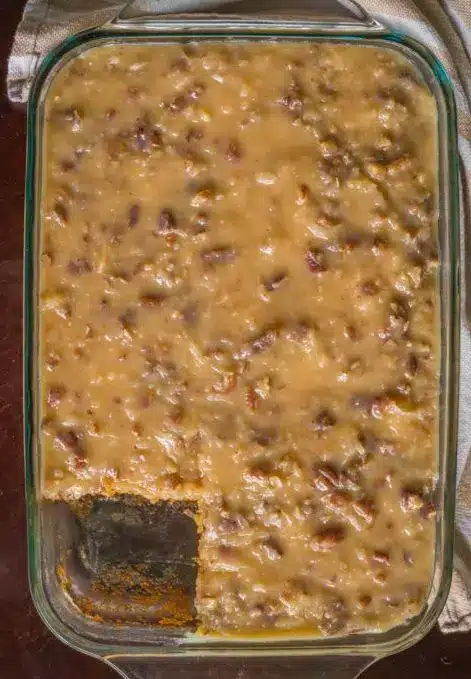
Yes! This recipe adapts perfectly to a 9×13-inch baking pan. You will likely need to increase the baking time by 5-10 minutes. A sheet cake is often easier to transport and is a great option for office parties or potlucks where you want a more casual tropical cake recipe presentation.
Do I have to use buttermilk?
Buttermilk is highly recommended for the best texture. If you don’t have any on hand, you can make a quick substitute by adding one tablespoon of lemon juice or white vinegar to a cup of whole milk. Let it sit for 5 minutes until it curdles slightly before using it in the best pineapple coconut cake recipe.
How do I stop the coconut from falling off the sides?
The trick is to apply the coconut immediately after frosting the cake while the coconut cream cheese frosting is still “tacky.” Gently press the coconut into the sides using the palm of your hand or a flat spatula. If the frosting has already crusted over, the coconut will not stick effectively.
Can I make the cake layers in advance?
Absolutely. In fact, many bakers find that the cake layers are easier to frost if they are made a day in advance. Once the layers have cooled, wrap them tightly in plastic wrap and store them at room temperature overnight. This allows the moisture from the pineapple to settle, making the moist pineapple cake even more flavorful the next day.
Pineapple Coconut Cake

This Pineapple Coconut Cake is a moist, tropical treat that brings together the sweetness of crushed pineapple and the nutty texture of shredded coconut. Topped with a decadent cream cheese frosting, it is a perfect dessert for any occasion.
- 2 cups all-purpose flour
- 1 1/2 cups granulated sugar
- 1 teaspoon baking soda
- 1/2 teaspoon salt
- 2 large eggs
- 1 can (20 oz) crushed pineapple in its own juice
- 1 cup sweetened shredded coconut
- 8 oz cream cheese, softened
- 1/2 cup unsalted butter, softened
- 1 teaspoon vanilla extract
- 1Preheat your oven to 350°F (175°C). Grease and flour a 9x13-inch baking pan.
- 2In a large mixing bowl, combine the flour, sugar, baking soda, and salt.
- 3Add the eggs and the undrained crushed pineapple to the dry ingredients. Stir by hand until well combined.
- 4Pour the batter into the prepared baking pan. Bake for 35 to 40 minutes, or until a toothpick inserted in the center comes out clean.
- 5While the cake is cooling, prepare the frosting by beating together the softened cream cheese, butter, and vanilla extract until smooth.
- 6Once the cake has cooled completely, spread the cream cheese frosting over the top and sprinkle generously with shredded coconut.
Keywords: pineapple, coconut, cake, tropical, dessert, cream cheese frosting, moist cake


