
Moist Pineapple Cake

Finding a dessert that strikes the perfect balance between vibrant fruit flavor and a tender, melt-in-your-mouth crumb can be a challenge, but this best moist pineapple cake recipe delivers on every front. Unlike standard sponges that can lean toward the dry side, this cake utilizes the natural enzymes and moisture found in crushed pineapple to create a texture that stays soft for days. It is a classic American “sunshine cake” that feels both nostalgic and refreshing, making it a staple for everything from casual backyard potlucks to sophisticated holiday dessert tables. The acidity of the fruit works in tandem with the sweetness of the batter, resulting in a complex flavor profile that isn’t just one-note sugar.
What sets this version apart is the way the fruit is incorporated; by using both the fruit and the protective juices, we ensure the cake is infused with tropical essence from the inside out. This isn’t just a flavored sponge; it is a dense, luscious tropical dessert that pairs beautifully with a rich, tangy topping. Whether you are a seasoned baker or someone looking for a foolproof win, the technique here is straightforward, focusing on moisture retention and flavor depth rather than overly complicated folding methods. It is an easy sheet cake that yields professional-level results with minimal effort.
Why This Recipe Is a Keeper
- Unmatched Texture: The use of crushed pineapple ensures a moist crumb that practically dissolves on the tongue, preventing the common pitfall of “bready” or dry cake layers.
- Flavor Balance: The natural tartness of the pineapple cuts through the richness of the cream cheese frosting, creating a balanced bite that isn’t cloying or overly sweet.
- Make-Ahead Friendly: Because of the high moisture content, this cake actually tastes better the second day, making it the ideal candidate for parties and busy schedules.
- Versatile Presentation: While it excels as a simple 9×13 sheet cake, the batter is sturdy enough to be baked into layers or even muffins for various occasions.
Ingredients You’ll Need
The success of this cake depends on a few key pantry staples that work together to create that signature soft texture. Each component plays a specific role in balancing the fat, acidity, and structure of the final bake.
- Crushed Pineapple: This is the star of the show. Be sure to use the undrained fruit, as the juice provides both the liquid for the batter and the acidity needed to react with the leavening agents.
- All-Purpose Flour: Provides the necessary structure. It creates a stable enough base to hold the fruit pieces in suspension so they don’t all sink to the bottom of the pan.
- Granulated Sugar: Beyond sweetness, sugar aids in moisture retention and helps the edges of the cake achieve a slightly golden, caramelized finish.
- Eggs: These act as the binder and provide the necessary lift. Using room-temperature eggs ensures they incorporate smoothly into the wet ingredients without curdling.
- Baking Soda: This is crucial because it reacts with the acid in the pineapple juice to create carbon dioxide, which gives the cake its airy rise.
- Vanilla Extract: A high-quality extract rounds out the tropical notes, adding a floral warmth that complements the fruit perfectly.
- Chopped Pecans: While optional, these add a necessary crunch and a nutty undertone that contrasts beautifully with the soft fruit and creamy frosting.
- Cream Cheese: The base for the frosting. Its tanginess is the traditional pairing for pineapple cakes, providing a sophisticated finish to the sweet cake.
Easy Ways to Change It Up
- Toasted Coconut Variation: For a true “pina colada” vibe, fold a half-cup of shredded coconut into the batter and top the finished cream cheese frosting with toasted coconut flakes.
- The Nut-Free Option: If you have allergies or simply prefer a smoother texture, omit the pecans entirely. You can replace them with white chocolate chips for a different kind of richness.
- Brown Sugar Swap: Replace half of the granulated sugar with light brown sugar. This adds a hint of molasses and a deeper, more caramel-like flavor to the moist crumb.
- Spiced Pineapple Cake: Add a teaspoon of ground cinnamon and a pinch of ginger to the dry ingredients to transform this into a warm, autumnal version of the classic.
How to Make the Best Moist Pineapple Cake Recipe
Step 1: Prep the Fruit and Base
Start by preheating your oven and preparing your baking pan with a generous coating of non-stick spray or butter and flour. In a large mixing bowl, combine your crushed pineapple (with all the juice) and the sugar. Letting these sit for just a minute or two allows the sugar to begin dissolving into the pineapple juice, creating a syrupy base that ensures the moisture is evenly distributed throughout the batter. This step is vital for achieving the best moist pineapple cake recipe consistency, as it prevents pockets of dry flour later in the process.
Step 2: Incorporate the Wet Ingredients
Add the eggs one at a time, whisking thoroughly after each addition. You want the mixture to look homogenous and slightly frothy. This is also the time to stir in your vanilla extract. By emulsifying the eggs into the pineapple syrup before adding your dry ingredients, you create a stable structure that can support the heavy fruit pieces. If the mixture looks slightly separated, don’t worry; it will come together once the flour is introduced.
Step 3: Sift and Fold the Dry Ingredients
In a separate bowl, whisk together your flour, baking soda, and a pinch of salt. Gradually add the dry mixture to the wet pineapple base. Use a large spatula to fold the ingredients together rather than a high-speed mixer. Over-mixing at this stage will develop the gluten in the flour, which leads to a tough, rubbery cake. Stop as soon as you see no more streaks of white flour. If you are using pecans, fold them in at the very end with just two or three gentle turns.
Step 4: The Baking Process
Pour the batter into your prepared pan, smoothing the top with your spatula. Bake until the top is a deep golden brown and a toothpick inserted into the center comes out clean or with just a few moist crumbs. Because this is such an easy sheet cake, the baking time is relatively forgiving, but you want to avoid over-baking, which can zap the moisture from the edges. The cake should feel springy to the touch but still have a bit of weight to it from the fruit.
Step 5: Cool and Frost
This is the hardest part: you must let the cake cool completely before adding the cream cheese frosting. If the cake is even slightly warm, the butter and cheese in the frosting will melt, creating a greasy mess rather than a fluffy topping. Once cooled, whip your cream cheese and butter until light and airy, then gradually add powdered sugar. Spread it thick over the top of the cake, ensuring you get all the way to the edges to seal in that moist crumb.
Pro Tips for the Best Results
- Don’t Drain the Pineapple: The most common mistake is draining the juice from the can. That liquid is essential for the chemistry of the cake and provides the primary moisture source.
- Room Temperature Ingredients: Make sure your cream cheese and butter are truly softened for the frosting. Cold cream cheese will result in lumpy frosting that is impossible to smooth out.
- Measure Flour Correctly: Use the “spoon and level” method for your flour. Packing it into the measuring cup will result in too much flour, leading to a dry and dense result.
- Watch the Color: Pineapple cake browns a bit faster than standard vanilla cake because of the high sugar content in the fruit. If it looks dark but isn’t done, tent it loosely with foil.
- Sift the Powdered Sugar: To ensure a professional, silky finish on your frosting, always sift the powdered sugar to remove any stubborn clumps before mixing.
How to Serve This Pineapple Cake
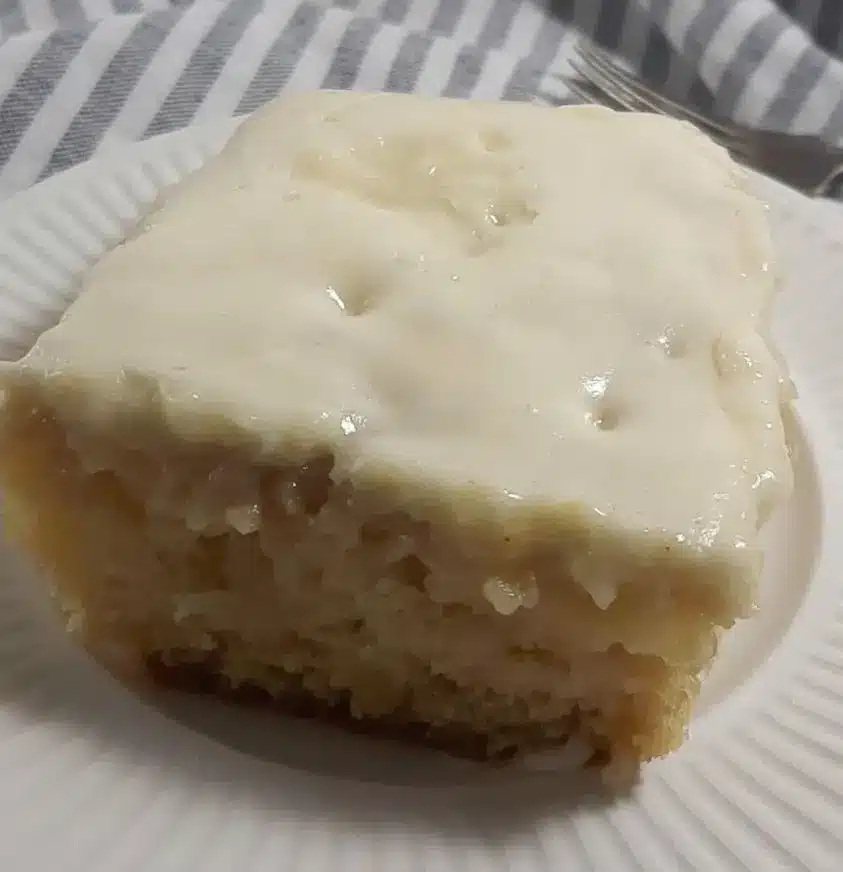
When it comes to presentation, this cake is naturally beautiful in its simplicity. A classic 9×13 sheet cake presentation is perfect for family gatherings. You can use a offset spatula to create decorative swoops in the frosting, which catch the light and make the dessert look bakery-fresh. For a more formal event, you can bake this in two 8-inch rounds and create a stunning layer cake, though you may need to increase the frosting recipe by half to cover the sides.
Garnishing is where you can add a bit of personality. A sprinkle of extra chopped pecans around the border provides a nice visual cue of the flavors inside. If you want a more tropical dessert feel, fresh pineapple wedges or maraschino cherries can be placed on each individual slice. Serving the cake slightly chilled is often preferred, as it firms up the frosting and makes the pineapple flavor even more refreshing.
This cake also pairs wonderfully with a scoop of high-quality vanilla bean ice cream or a dollop of unsweetened whipped cream. If you are serving it for brunch, it stands well on its own alongside a cup of strong, dark roast coffee, which helps balance the sweetness of the cream cheese frosting.
Storage and Make-Ahead
Storing Leftovers
Because of the cream cheese in the frosting, this cake must be stored in the refrigerator. Place it in an airtight container or cover the pan tightly with plastic wrap. It will stay incredibly moist for up to 5 days. In fact, many people find the flavor improves after 24 hours as the pineapple juices continue to hydrate the sponge.
Making It Ahead
You can easily bake the cake base a day in advance. Once cooled, wrap the unfrosted cake in plastic wrap and store it at room temperature. Whip up the frosting and decorate on the day you plan to serve it. This keeps the frosting as fresh and fluffy as possible while allowing the cake’s structure to settle.
Freezing Instructions
This cake freezes surprisingly well. You can freeze the entire frosted cake or individual slices. Wrap them tightly in plastic wrap followed by a layer of aluminum foil to prevent freezer burn. Thaw in the refrigerator overnight before serving. The texture remains excellent even after being frozen for up to three months.
Final Thoughts
The best moist pineapple cake recipe is one that relies on the natural power of the fruit to do the heavy lifting. By skipping the complicated techniques and focusing on quality ingredients like crushed pineapple and tangy cream cheese, you create a dessert that is universally loved. It is the kind of recipe that gets passed down through families because it is reliable, delicious, and perfectly suited for any season. Whether you’re enjoying a slice on a sunny afternoon or serving it as the grand finale to a dinner party, this cake is guaranteed to be a hit.
Frequently Asked Questions
Can I use fresh pineapple instead of canned?
While you can use fresh pineapple, you must pulse it in a food processor until it reaches a “crushed” consistency and ensure you retain all the released juices. However, canned pineapple is actually preferred here because it is consistently sweet and the enzymes have been neutralized by the canning process, which helps the cake rise more predictably.
Why did my cake sink in the middle?
A sunken center usually happens if the oven door was opened too early or if the baking soda was expired. It can also happen if there was too much moisture; make sure you aren’t adding extra juice beyond what is in the standard 20-ounce can. Ensure your oven is fully preheated before the cake goes in to set the structure immediately.
Is there a substitute for cream cheese frosting?
If you don’t care for cream cheese, a simple vanilla buttercream or even a whipped coconut cream topping works well. However, the acidity of the cream cheese is the traditional counterpoint to the sweetness of the pineapple, so keep that in mind when choosing an alternative. A simple dusting of powdered sugar is also an option for a lighter version.
Can I make this cake gluten-free?
Yes, this recipe adapts well to gluten-free flour blends. Look for a “1-to-1” replacement that contains xanthan gum. Because the pineapple provides so much moisture, gluten-free versions of this cake tend to be much less gritty or dry than other GF desserts. Just be careful not to over-bake, as GF flours can sometimes brown faster.
Do I really have to use a 9×13 pan?
This is the standard size for an easy sheet cake, but you can use a Bundt pan or two round pans. Just keep in mind that the baking time will vary. A Bundt pan will take significantly longer (often 50-60 minutes), while thin layers in round pans may be done in as little as 25-30 minutes. Always use the toothpick test to be sure.
Moist Pineapple Cake

This Moist Pineapple Cake is an incredibly simple, one-bowl dessert that delivers a tropical, tender crumb every time. The secret lies in using the entire can of crushed pineapple, including the juice, which ensures the cake stays perfectly moist and flavorful without the need for heavy oils or butter in the base batter.
- 2 cups all-purpose flour
- 2 cups granulated sugar
- 2 large eggs, beaten
- 1 teaspoon baking soda
- 1 teaspoon vanilla extract
- 1 can (20 oz) crushed pineapple in juice (undrained)
- For the Cream Cheese Frosting:
- 8 oz cream cheese, softened
- 1/2 cup unsalted butter, softened
- 1 1/2 cups powdered sugar
- 1 teaspoon vanilla extract
- 1Preheat your oven to 350°F (175°C) and lightly grease a 9x13 inch baking dish with non-stick spray or butter.
- 2In a large mixing bowl, whisk together the flour, sugar, and baking soda until well combined.
- 3Add the beaten eggs, vanilla extract, and the entire can of crushed pineapple with its juice to the dry ingredients.
- 4Stir the mixture by hand until just combined; do not overmix.
- 5Pour the batter into the prepared baking dish and spread it evenly to the edges.
- 6Bake for 30 to 35 minutes, or until the top is golden brown and a toothpick inserted into the center comes out clean.
- 7While the cake cools, prepare the frosting by beating the cream cheese and butter together until smooth, then slowly adding the powdered sugar and vanilla.
- 8Once the cake has cooled completely, spread the cream cheese frosting evenly over the top before slicing.
Keywords: pineapple cake, moist cake recipe, easy dessert, tropical baking, cream cheese frosting


