
Lemon Cream Cheese Pound Cake

There is something uniquely comforting about a thick slice of lemon cream cheese pound cake, especially when it is served with a hot cup of tea or as the grand finale to a spring brunch. Unlike a traditional sponge cake that relies on air bubbles for lift, this pound cake is celebrated for its dense, velvety crumb and incredibly moist texture. The addition of cream cheese doesn’t just add a subtle tang; it transforms the structure of the cake, ensuring it stays soft for days while providing a rich, buttery foundation that carries the bright, citrusy notes of fresh lemon perfectly.
Mastering this moist lemon pound cake is surprisingly approachable, even for those who might feel intimidated by baking from scratch. By focusing on a few key techniques—like properly creaming your fats and ensuring your ingredients are at the right temperature—you can achieve a professional-quality result in your own kitchen. This recipe strikes that elusive balance between sophisticated flavor and rustic charm, making it a reliable staple for everything from casual afternoon snacks to elegant holiday gatherings.
Why You’ll Love This Recipe
- Irresistible Texture: The combination of butter and cream cheese creates a homemade lemon cake that is exceptionally dense yet soft, with a tight crumb that practically melts in your mouth.
- Balanced Flavor Profile: While many desserts are purely sweet, the natural acidity of the lemon and the slight tang of the cream cheese provide a refreshing brightness that keeps you coming back for another bite.
- Excellent Shelf Life: Thanks to the high fat content from the cream cheese, this cake resists drying out much better than standard butter cakes, making it a fantastic option for gifting or prepping ahead.
- Versatile Serving Options: It is hearty enough to be eaten plain by the slice, yet elegant enough to be dressed up with fresh berries, whipped cream, or a tart lemon glaze for a more formal presentation.
Ingredients You’ll Need
To achieve the perfect lemon cream cheese pound cake, every ingredient serves a specific structural or flavor-based purpose. Using high-quality staples ensures that the simple, clean flavors of citrus and cream can truly shine without being overshadowed by artificial notes.
- Cream Cheese: This is the secret to the cake’s signature texture. It provides moisture and a subtle tang that balances the sugar, resulting in a easy cream cheese cake that feels much more luxurious than a standard loaf.
- Unsalted Butter: Softened butter provides the fat necessary for a tender crumb. Using unsalted allows you to control the seasoning precisely, ensuring the lemon flavor remains the star of the show.
- Granulated Sugar: Beyond providing sweetness, creaming the sugar with the fats incorporates tiny air pockets that give the dense cake just enough lift during the baking process.
- Fresh Lemons: You will need both the zest and the juice. The zest contains the essential oils that provide a deep, aromatic citrus punch, while the juice adds necessary acidity to the batter and the glaze.
- Large Eggs: Eggs act as the primary binder and provide structure. Adding them one at a time ensures the emulsion stays stable, preventing the batter from breaking or curdling.
- All-Purpose Flour: This provides the structural framework for the cake. It is important to measure correctly to ensure the cake doesn’t become heavy or tough.
- Vanilla Extract: A splash of high-quality vanilla acts as a background note that rounds out the sharpness of the lemon, adding a layer of floral sweetness to the aroma.
Variations and Smart Swaps
While the classic version is hard to beat, this citrus dessert recipe is highly adaptable. If you want to put a personal spin on your bake, consider these simple variations:
- Berry Infusion: Gently fold in a cup of fresh blueberries or raspberries tossed in a teaspoon of flour before baking. The berries will burst during baking, creating pockets of jammy sweetness throughout the lemon crumb.
- Alternate Citrus: Swap the lemon zest and juice for Meyer lemons for a sweeter, more floral profile, or use lime for a zingy, tropical twist that pairs beautifully with the cream cheese base.
- Poppy Seed Version: Add two tablespoons of blue poppy seeds to the dry ingredients. This adds a delightful crunch and a classic aesthetic that complements the lemon perfectly.
- Glaze Upgrades: Instead of a simple sugar glaze, try a cream cheese frosting or a thick lemon curd drizzle for an even more decadent dessert experience.
How to Make Lemon Cream Cheese Pound Cake
Step 1: Cream the Fats and Sugar Together
The foundation of a great pound cake lies in the creaming process. Start by beating your softened butter and room-temperature cream cheese together until they are completely smooth and combined. Gradually add the granulated sugar and continue beating on medium-high speed for several minutes. You are looking for the mixture to become significantly lighter in color and take on a fluffy, aerated texture. This step is crucial because the air you beat in now is what will help the cake rise in the oven.
Step 2: Incorporate the Eggs and Aromatics
Reduce your mixer speed and add the eggs one at a time, ensuring each egg is fully incorporated before adding the next. This patience prevents the batter from separating. Once the eggs are in, mix in the vanilla extract and a generous amount of fresh lemon zest. Using the zest is vital here; the oils in the skin provide a much more intense homemade lemon cake flavor than the juice alone could ever achieve.
Step 3: Gradually Add the Dry Ingredients
Sift your flour and salt together, then add them to the wet ingredients in small increments. Turn your mixer to the lowest setting or use a spatula to fold the flour in by hand. Overmixing at this stage will develop the gluten in the flour, which can lead to a tough, rubbery cake. Mix only until no streaks of white remain. The resulting batter should be thick, glossy, and incredibly fragrant.
Step 4: Bake to Golden Perfection
Transfer the batter into a prepared bundt pan or tube pan, smoothing the top with a spatula. Place it in a preheated oven and bake until the top is deeply golden brown and a skewer inserted into the thickest part of the cake comes out clean or with just a few moist crumbs. Because this is a dense cake, it requires a longer bake time at a moderate temperature to ensure the middle is fully set without burning the exterior.
Step 5: Cool and Apply the Lemon Glaze
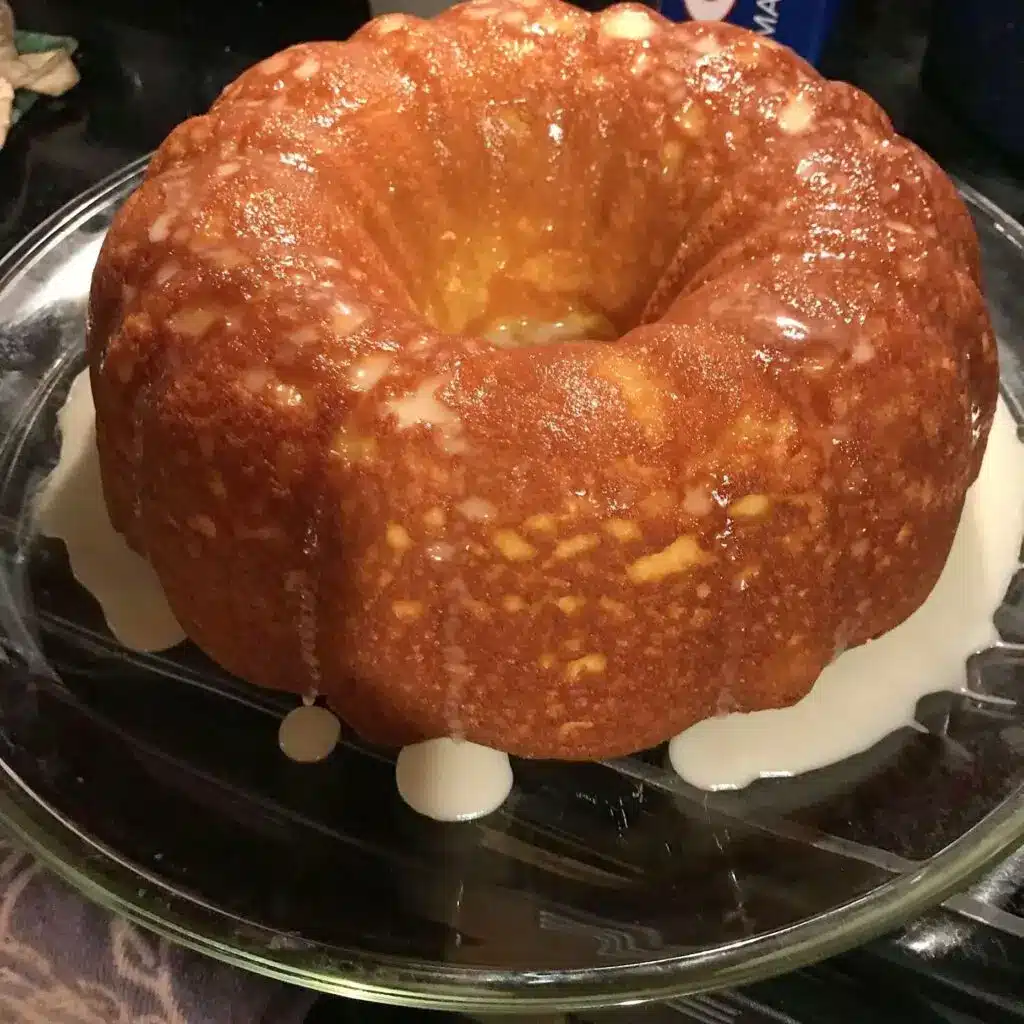
Allow the cake to cool in the pan for about 10 to 15 minutes before carefully inverting it onto a wire rack. This resting period allows the structure to firm up so it doesn’t break. While the cake is still slightly warm, whisk together powdered sugar and fresh lemon juice to create a pourable glaze. Drizzle it over the top, allowing it to drip down the sides. Applying the glaze while the cake is warm allows some of that tart lemon flavor to soak into the top layer of the crumb.
Pro Tips for Success
- Temperature Matters: Always use room-temperature butter, cream cheese, and eggs. Cold ingredients will not emulsify properly, which can result in a grainy texture or a cake that doesn’t rise correctly.
- Don’t Scrimp on Zesting: When zesting your lemons, be careful to only take the yellow outer layer. The white pith underneath is bitter and can ruin the delicate flavor of your lemon cream cheese pound cake.
- Proper Pan Prep: Pound cakes are notorious for sticking. Use a generous amount of butter or baking spray, and consider dusting the pan with a light coating of flour to ensure the cake slides out cleanly after baking.
- Measure Flour by Weight: If possible, use a kitchen scale to measure your flour. Scooping directly from the bag packs the flour down, often leading you to use too much, which results in a dry cake.
- The Skewer Test: Since every oven runs differently, start checking for doneness about 10 minutes before the recipe suggests. A large pound cake can go from perfect to overbaked quickly.
Troubleshooting Common Problems
Why did my cake sink in the middle?
A cake usually sinks because the oven door was opened too early, causing a sudden drop in temperature, or because the batter was overmixed after the eggs were added. Overmixing incorporates too much air that the structure can’t support, leading to a collapse. Ensure your leavening agents are fresh and keep the oven door closed until the final stages of baking.
Why is the texture of my cake dry?
Dryness is almost always a result of overbaking or using too much flour. To keep your moist lemon pound cake tender, ensure you aren’t packing your measuring cups and pull the cake from the oven as soon as a tester comes out clean. The cake will continue to cook slightly from residual heat as it cools on the rack.
Why did my cake stick to the bundt pan?
Bundt pans have intricate designs that love to trap batter. If the cake sticks, it usually means the pan wasn’t greased thoroughly in every nook and cranny. Another common reason is trying to remove the cake while it is still piping hot; letting it sit for 10 minutes helps the edges pull away from the pan naturally.
How to Serve Your Cake
This lemon cream cheese pound cake is a showstopper on its own, but the right accompaniments can elevate it to a restaurant-quality dessert. For a classic look, simply dust the cooled cake with a little extra powdered sugar if you choose to skip the glaze. If you are serving this at a dinner party, a side of macerated strawberries or fresh raspberries provides a beautiful color contrast and a juicy element that cuts through the richness of the cream cheese.
For a more indulgent treat, serve a thick slice slightly warm with a dollop of homemade whipped cream or a scoop of high-quality vanilla bean ice cream. The warmth of the cake slightly melts the cream, creating a delightful sauce. If you have leftovers, try lightly toasting a slice in a pan with a tiny bit of butter; the sugars in the cake will caramelize, creating a crispy exterior that is absolutely divine with morning coffee.
Storage and Make-Ahead
Storing Leftovers
To keep your cake fresh, wrap it tightly in plastic wrap or store it in an airtight cake carrier at room temperature for up to three days. If your kitchen is particularly warm, you can store it in the refrigerator for up to a week, though you should let it come to room temperature before serving to restore its soft texture.
Freezing
This cake freezes beautifully, which is one of the best things about bundt pan cake recipes. Wrap the entire cake, or individual slices, in a double layer of plastic wrap and then a layer of aluminum foil. It will stay fresh in the freezer for up to three months. Thaw overnight in the refrigerator or on the counter for a few hours before enjoying.
Making It Ahead
Because the flavors of the lemon and cream cheese actually deepen over time, this cake is an ideal make-ahead dessert. Many bakers find that the texture is even better the second day. Bake it 24 hours in advance, glaze it once cooled, and store it at room temperature for the best results.
Final Thoughts
The beauty of a lemon cream cheese pound cake lies in its simplicity and its reliability. It is a recipe that honors the traditional methods of baking while introducing a modern creamy element that elevates the entire experience. Whether you are baking this for a special celebration or just to have something sweet on the counter for the week, the bright citrus aroma and the rich, satisfying crumb are guaranteed to make it a household favorite. Take your time with the creaming process, use the freshest lemons you can find, and enjoy the process of creating a truly classic American dessert.
Frequently Asked Questions
Can I use low-fat cream cheese for this recipe?
It is highly recommended that you use full-fat brick-style cream cheese. Low-fat or “whipped” versions contain more water and less fat, which will significantly alter the moisture content and structural integrity of the cake. For that signature dense and moist lemon pound cake texture, the fat in the cream cheese is essential.
Do I have to use a bundt pan?
While a bundt or tube pan is traditional because it allows the heat to reach the center of the dense batter more evenly, you can use loaf pans. If you switch to loaf pans, you will likely need two standard-sized pans and the baking time will need to be adjusted downward. Always use the skewer test to check for doneness regardless of the pan shape.
How do I get more lemon flavor without it being too sour?
The secret to intense flavor in any citrus dessert recipe is the zest. The zest contains the oils that provide flavor without the harsh acidity of the juice. If you want a punchier lemon taste, double the amount of zest in the batter. You can also brush a simple lemon syrup (equal parts sugar and lemon juice simmered together) over the cake while it is still warm.
Why is my pound cake crumbly instead of dense?
A crumbly pound cake is often the result of too much leavening or over-creaming the butter and sugar to the point where too much air was incorporated. It can also happen if the cake is sliced while it is still too hot. Letting the cake cool completely allows the fats to firm back up, which sets the crumb and prevents it from falling apart when cut.
Can I use bottled lemon juice instead of fresh?
In a pinch, bottled juice will work for the glaze, but for the batter and the overall flavor profile, fresh is always superior. Bottled juice often has a metallic or overly preserved aftertaste that can become pronounced when baked. Since you need the fresh zest anyway, it is always best to just juice the lemons you have on hand.
Lemon Cream Cheese Pound Cake

This Lemon Cream Cheese Pound Cake is incredibly dense, moist, and velvety. The addition of cream cheese creates a rich crumb that melts in your mouth, while fresh lemon zest and juice provide a bright, citrusy finish. It is a timeless American classic perfect for any occasion.
- 1 1/2 cups unsalted butter, softened
- 8 oz cream cheese, softened
- 3 cups granulated sugar
- 6 large eggs, room temperature
- 3 cups all-purpose flour
- 1/2 tsp salt
- 1/4 cup fresh lemon juice
- 2 tbsp lemon zest
- 1 tsp vanilla extract
- 1Preheat your oven to 325°F (165°C). Generously grease and flour a 10-inch Bundt pan.
- 2In a large mixing bowl, beat the butter and cream cheese together until smooth and well combined.
- 3Gradually add the sugar and continue beating on medium-high speed for about 5 minutes until the mixture is light and fluffy.
- 4Add the eggs one at a time, beating well after each addition to ensure a smooth emulsion.
- 5Slowly stir in the flour and salt on low speed until just combined; do not overmix.
- 6Fold in the lemon juice, lemon zest, and vanilla extract by hand.
- 7Pour the batter into the prepared pan and level the top with a spatula.
- 8Bake for 75 to 90 minutes, or until a toothpick inserted into the center comes out clean.
- 9Allow the cake to cool in the pan for 20 minutes before carefully inverting it onto a wire cooling rack.
Keywords: lemon pound cake, cream cheese pound cake, lemon dessert, moist cake, citrus baking


