
Roasted Beef

There is something undeniably nostalgic and comforting about the aroma of a roasting beef joint wafting through the house. It signals a special occasion, a slow Sunday afternoon, or a gathered family waiting for a meal that feels truly substantial. Achieving the best oven roasted beef recipe at home doesn’t require professional chef skills, but it does require an understanding of how heat interacts with muscle fibers and fat. The goal is always the same: a deeply browned, savory crust on the outside and a tender, juicy, edge-to-edge pink interior that melts in your mouth.
This approach focuses on a high-heat sear followed by a gentle finish, ensuring that the meat stays succulent rather than becoming tough or dry. By using a simple but powerful combination of aromatics and the right timing, you can transform a standard cut of meat into a tender beef roast that rivals any high-end steakhouse. Whether you are a beginner or a seasoned home cook, this method provides a reliable path to a perfect medium-rare result that will have everyone asking for seconds.
Why This Recipe Is a Keeper
- Foolproof Technique: By using a two-temperature roasting method, you eliminate the guesswork and ensure the exterior is caramelized while the interior remains perfectly juicy and tender.
- Maximum Flavor Impact: The combination of fresh herbs and garlic creates a savory crust that enhances the natural richness of the beef without overpowering it.
- Versatile Serving Options: This roast is just as delicious served hot with gravy as it is sliced thin and cold for the ultimate deli-style sandwiches the next day.
- Hands-Off Cooking: Once the beef is seasoned and in the oven, it requires very little attention, allowing you to focus on your side dishes or enjoy time with your guests.
Ingredients You’ll Need
The success of a great roast depends heavily on the quality of your ingredients and how you prepare them before they ever hit the heat. Selecting the right cut and pairing it with high-quality fats and herbs will make the difference between a mediocre meal and the best oven roasted beef recipe you’ve ever tasted.
- Beef Roast: Look for a well-marbled cut like a top sirloin, eye of round, or ribeye roast. Marbling—the small streaks of white fat—is essential for keeping the meat moist during the roasting process.
- Olive Oil: This acts as the binder for your seasoning and helps conduct heat to the surface of the meat, encouraging a beautiful golden-brown crust to form quickly.
- Kosher Salt: Large grains of salt are better for roasting because they dissolve more slowly and help draw out moisture to create a concentrated, flavorful “brine” on the surface.
- Fresh Rosemary and Thyme: These woody herbs provide an earthy, piney fragrance that penetrates the outer layers of the beef, adding layers of sophisticated flavor to every slice.
- Garlic Cloves: When minced and combined with fat, garlic creates a pungent, savory paste that roasts into a delicious, slightly sweet topping on the meat.
- Black Pepper: Freshly cracked pepper provides a sharp, biting contrast to the rich fat of the beef, rounding out the savory profile of the herb rub.
- Unsalted Butter: Mixing a bit of softened butter into your herb rub creates a garlic herb butter that bastes the meat naturally as it melts in the oven’s heat.
Easy Ways to Change It Up
Peppercorn Crust: For those who love a bit of heat and texture, you can replace the herb rub with a thick layer of coarsely crushed black, white, and green peppercorns for a “steak au poivre” style finish.
Red Wine Infusion: Place a bed of sliced onions and carrots in the bottom of the roasting pan and pour in a cup of dry red wine. This creates a flavorful steam and provides the perfect base for a rich pan sauce later.
Smoky Mustard Rub: Swap the herbs for a mixture of Dijon mustard and smoked paprika. The mustard helps tenderize the surface of the meat while the paprika adds a subtle backyard-grill smokiness to the oven-roasted result.
How to Make the Best Oven Roasted Beef
Step 1: Temper and Season the Meat
The most common mistake when roasting beef is taking it straight from the cold refrigerator to the hot oven. For a tender beef roast, you must allow the meat to sit at room temperature for at least an hour. This ensures the muscle fibers are relaxed and will cook evenly from the center to the edges. During this time, pat the meat completely dry with paper towels; moisture on the surface will create steam, which prevents that coveted brown crust from forming. Generously apply salt at this stage so it has time to begin penetrating the meat.
Step 2: Apply the Garlic Herb Rub
In a small bowl, mash together your softened butter, minced garlic, and chopped fresh herbs to create a garlic herb butter paste. Using your hands or a spatula, coat the entire surface of the beef with this mixture. The fat in the butter and oil acts as a vehicle for the flavors of the rosemary and thyme, carrying them into the nooks and crannies of the roast. Ensure the “fat cap” of the roast—the thick layer of white fat on one side—is well-coated, as this will melt and baste the meat throughout the cooking process.
Step 3: The High-Heat Sear
Begin the roasting process in a very hot oven, typically around 425°F or 450°F. This initial blast of heat triggers the Maillard reaction, a chemical process that browns the proteins and sugars in the meat, creating a complex, savory flavor profile. Roast the beef at this temperature for about 15 to 20 minutes. You should hear the fat sizzling and see the herb rub beginning to darken. This step is crucial for achieving the best oven roasted beef recipe because it locks in flavor before the slow-cooking phase begins.
Step 4: Low and Slow Finish
After the initial sear, drop the oven temperature significantly, down to 325°F. This lower temperature allows the internal part of the roast to climb slowly toward your target doneness without overcooking the outer layers. This is the “low and slow” secret to a perfect medium-rare finish. Use a meat thermometer to track the progress; for medium-rare, you want to pull the roast when it hits about 125°F to 130°F, as the temperature will continue to rise while it rests.
Step 5: The Essential Resting Period
Once the beef comes out of the oven, do not cut into it immediately. Transfer it to a cutting board and tent it loosely with foil. Resting allows the juices, which have been pushed toward the center by the heat, to redistribute throughout the entire roast. If you slice it too soon, all that flavorful liquid will run out onto the board, leaving you with dry meat. A rest of 15 to 20 minutes ensures every bite is as succulent as possible.
Pro Tips for Success
- Tip: Always use a digital meat thermometer. Timing can vary based on the shape of the roast and your specific oven, so internal temperature is the only truly reliable metric for doneness.
- Tip: Roast the beef fat-side up. As the fat melts, it will naturally run down the sides of the roast, acting as a continuous basting liquid that keeps the meat moist.
- Tip: Don’t over-tent with foil. If you wrap the roast too tightly while it rests, the trapped steam can soften the crispy herb crust you worked so hard to create.
- Tip: Slice against the grain. Look for the direction the muscle fibers are running and cut perpendicular to them. This shortens the fibers, making each slice much easier to chew and more tender.
- Tip: Save the pan drippings. The liquid gold left in the bottom of your roasting pan is packed with concentrated beef and herb flavor—perfect for a quick gravy or jus.
How to Serve Your Roast Beef
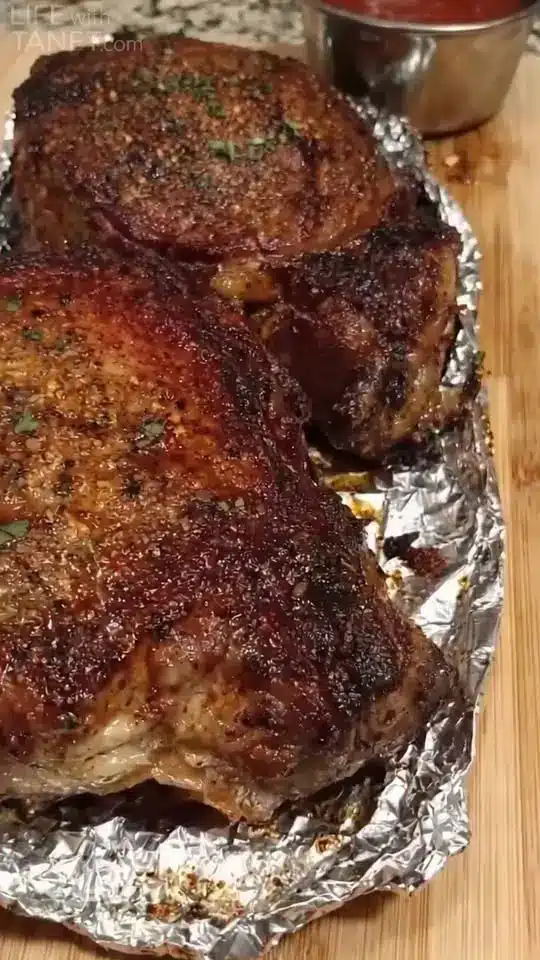
Presentation is key when serving a holiday dinner centerpiece like this. Arrange the slices on a large, warmed platter and garnish with fresh sprigs of the same herbs used in the rub. This not only looks beautiful but also reinforces the aromatic profile of the dish. Serving the beef with a side of creamy horseradish sauce or a traditional English-style Yorkshire pudding can elevate the meal into something truly memorable.
Side Dish Pairings
To balance the richness of the beef, consider serving it alongside garlic mashed potatoes or honey-glazed roasted carrots. The sweetness of the carrots and the starchiness of the potatoes provide a classic counterpoint to the savory, herb-crusted meat. A crisp green salad with a bright vinaigrette can also help cleanse the palate between bites of the rich tender beef roast.
Creative Leftover Ideas
If you have leftovers, you are in luck. Thinly sliced roast beef makes for incredible French Dip sandwiches when dipped in reheated pan juices. You can also dice the cold beef and toss it into a hearty breakfast hash with potatoes and onions, or add it to a cold noodle salad with a ginger-soy dressing for a refreshing lunch.
Storage and Make-Ahead
Storing Leftovers
Leftover roast beef should be cooled completely before being placed in an airtight container. It will stay fresh in the refrigerator for up to 3 or 4 days. To keep the meat from drying out, try to store it in larger pieces rather than pre-slicing everything, as the surface area of slices allows moisture to escape faster.
Reheating
Reheating roast beef without overcooking it can be tricky. The best method is to place slices in a baking dish with a splash of beef broth, cover with foil, and warm in a 300°F oven until just heated through. This gentle steam prevents the meat from becoming tough or gray.
Final Thoughts
Mastering the best oven roasted beef recipe is a rewarding culinary milestone that will serve you well for years to come. By focusing on quality ingredients, proper tempering, and the balance between high-heat searing and low-heat roasting, you can consistently produce a meal that feels both luxurious and deeply satisfying. This roast is more than just a main course; it is a testament to the beauty of simple techniques done well. Pour a glass of your favorite red wine, gather your favorite people, and enjoy the incredible flavors of a perfectly executed beef roast.
Frequently Asked Questions
What is the best cut of beef for roasting in the oven?
For a balance of flavor and value, the top sirloin roast or a tri-tip are excellent choices. If you are looking for something leaner and more budget-friendly, an eye of round works well if sliced very thin. For a true splurge or holiday meal, a prime rib or ribeye roast offers the most marbling and tenderness.
How do I know when the beef is done without a thermometer?
While a thermometer is the only certain way, you can use the “finger test” to gauge firmness, though this takes significant practice. Generally, a roast will take about 15 to 20 minutes per pound at 325°F for medium-rare, but variables like meat shape and oven accuracy make this a risky estimation. Investing in a thermometer is highly recommended for the best results.
Should I sear the beef in a pan before putting it in the oven?
You can certainly pan-sear the beef for a very thick crust, but the high-heat oven start (425°F+) used in this recipe achieves a similar result with less mess. Pan-searing is often better for smaller roasts, while the oven-sear method is more efficient for larger cuts of meat that are harder to maneuver in a skillet.
Why did my roast beef turn out tough?
Toughness is usually caused by one of three things: skipping the room-temperature tempering step, overcooking the meat past medium, or slicing the meat with the grain rather than against it. Also, ensure you are using a cut intended for roasting; tougher cuts like brisket or chuck roast require long, moist braising rather than dry oven roasting.
Can I freeze leftover roast beef?
Yes, roast beef freezes quite well. Wrap the meat tightly in plastic wrap and then place it in a heavy-duty freezer bag to prevent freezer burn. It can be frozen for up to 2 months. For the best texture, thaw the meat overnight in the refrigerator before reheating it slowly with a little bit of moisture.
Classic Herb-Roasted Beef

This tender and flavorful Roasted Beef is seasoned with fresh herbs and garlic, then roasted to perfection for a centerpiece-worthy dinner.
- 3 lb beef chuck or ribeye roast
- 2 tbsp olive oil
- 1 tbsp sea salt
- 1 tsp cracked black pepper
- 4 cloves garlic, minced
- 1 tbsp fresh rosemary, chopped
- 1 tbsp fresh thyme, chopped
- 1Preheat your oven to 375°F (190°C).
- 2In a small bowl, mix the olive oil, salt, pepper, garlic, rosemary, and thyme.
- 3Rub the herb mixture evenly over the entire surface of the beef roast.
- 4Place the beef in a roasting pan or a large oven-safe skillet.
- 5Roast for approximately 60-70 minutes, or until the internal temperature reaches 135°F (57°C) for medium-rare.
- 6Remove from the oven and let the beef rest for at least 15 minutes before slicing.
Keywords: roasted beef, herb beef, sunday roast, dinner recipes, high protein beef


