
Pepperoni Pizza

There is a profound difference between a pizza delivered in a cardboard box and a masterpiece pulled straight from your own oven. While takeout is convenient, the best homemade pepperoni pizza recipe relies on the harmony of a slow-fermented crust, a vibrant, balanced sauce, and high-quality toppings that crisp up under intense heat. Making pizza at home is as much about the process as it is about the result, offering a sensory experience that fills your kitchen with the aroma of toasted yeast and bubbling cheese. It is the ultimate comfort food, refined by techniques that ensure a professional-grade finish every single time.
Mastering this dish means understanding the balance of moisture, heat, and time. Whether you prefer a thin, New York-style fold or a slightly more robust crust with a significant “cornicione” (the outer edge), this guide focuses on the editorial nuances that elevate a basic pie into something extraordinary. By focusing on the quality of your flour and the temperature of your bake, you can achieve a perfect pizza crust that rivals the top pizzerias in the country. This isn’t just about feeding the family; it’s about the satisfaction of creating a world-class meal from scratch.
Why This Recipe Is a Keeper
- Superior Texture: By using specific kneading and resting techniques, you achieve a crust that is simultaneously crisp on the bottom and airy on the inside.
- Total Flavor Control: Making your own homemade pizza sauce allows you to balance acidity and sweetness without the preservatives found in store-bought jars.
- Customizable Char: You control the heat, allowing the pepperoni to reach that coveted “cup and char” state where the edges become deliciously crisp.
- Cost-Effective Quality: You can use premium organic flour and whole-milk mozzarella for a fraction of the price of a high-end artisanal pizza.
Ingredients You’ll Need
The success of any great pizza starts with the quality of the raw materials. Because the ingredient list is relatively short, each component must work hard to deliver maximum flavor and structural integrity.
- High-Protein Flour: Using bread flour or Italian “00” flour is essential for developing the gluten structure needed for a chewy, perfect pizza crust.
- Instant Yeast: This provides the lift and fermentation. While active dry yeast works, instant yeast is more reliable for consistent rising in home environments.
- Extra Virgin Olive Oil: A small amount in the dough adds suppleness and helps the crust brown beautifully in the oven.
- San Marzano Tomatoes: For the homemade pizza sauce, these canned tomatoes are the gold standard due to their low acidity and thick flesh.
- Low-Moisture Mozzarella: Avoid fresh mozzarella packed in water for this specific style, as it can release too much liquid and lead to a soggy center.
- Pepperoni: Look for natural casing pepperoni if possible; these are the ones that curl into little cups as they bake, trapping the flavorful oils.
- Honey or Sugar: A tiny pinch in the dough helps feed the yeast and encourages a beautiful golden-brown color during the bake.
Simple Swaps and Variations
While the classic pepperoni version is a perennial favorite, the foundation of this recipe is incredibly versatile. You can easily adapt the flavor profile to suit your cravings or what you have available in the pantry.
Spicy Hot Honey Version: After the pizza comes out of the oven, drizzle it with a generous amount of hot honey and a sprinkle of red pepper flakes. The sweetness cuts through the salty pepperoni beautifully.
White Pepperoni Pizza: Swap the red sauce for a base of ricotta and minced garlic. Top with mozzarella and pepperoni as usual for a creamy, rich alternative that highlights the spice of the meat.
Veggie-Loaded Meat Feast: Add thinly sliced green peppers and red onions. To ensure the crust stays crispy, slice the vegetables very thin so they cook quickly without releasing excessive moisture.
How to Make the Best Homemade Pepperoni Pizza Recipe
Step 1: Develop the Dough Structure
The journey begins with mixing your flour, yeast, salt, and water. The goal here is gluten development. You want to knead the dough until it is smooth and elastic. If you are using a stand mixer, this usually takes about 5 to 7 minutes on medium-low speed. The dough should pass the “windowpane test,” meaning you can stretch a small piece thin enough to see light through it without it tearing. This strength is what allows the crust to trap air bubbles during the bake.
Step 2: The Power of Cold Fermentation
While you can let the dough rise at room temperature for an hour and bake it immediately, the best homemade pepperoni pizza recipe benefits immensely from a cold fermentation period. Placing your balled dough in the refrigerator for 24 to 72 hours allows the yeast to work slowly, creating complex, nutty flavors and a much better texture. This step is the secret weapon of professional pizzaiolos.
Step 3: Gentle Shaping and Stretching
When you are ready to bake, bring the dough to room temperature for at least an hour. Never use a rolling pin; it forces the air out of the dough, resulting in a flat, dense crust. Instead, use your knuckles and the backs of your hands to gently stretch the dough from the center outward. Leave a slightly thicker rim around the edge to create that iconic puffy border.
Step 4: Layering the Flavors
Spread a thin layer of your homemade pizza sauce over the dough, leaving about an inch of space for the crust. Follow with a generous layer of shredded low-moisture mozzarella. When adding the pepperoni, overlap them slightly. As they cook, they will shrink, and this ensures you get a piece of meat in every single bite. A light dusting of dried oregano or Parmesan cheese at this stage adds a classic Italian-American finish.
Step 5: The High-Heat Bake
Preheat your oven as high as it will go—typically 500°F or 550°F. If you have a pizza stone or steel, let it preheat for at least 45 minutes. Slide the pizza onto the hot surface and bake until the crust is charred in spots and the cheese is bubbling and slightly browned. This intense heat is what creates the contrast between the crispy exterior and tender interior.
Pro Tips for the Best Results
- Tip: Always weigh your ingredients using a digital scale. Baking is a science, and flour volume can vary wildly depending on how it is scooped.
- Tip: Use a pizza stone or baking steel. These tools hold onto heat and transfer it directly to the bottom of the crust for a professional “floor” bake.
- Tip: Don’t over-sauce. It is tempting to add more, but too much sauce prevents the dough from cooking through, leading to a “gum line” between the sauce and the crust.
- Tip: Grate your own cheese. Pre-shredded cheese is coated in potato starch to prevent clumping, which interferes with a smooth, gooey melt.
- Tip: Let the dough come to room temperature before stretching. Cold dough is elastic and will keep snapping back, making it impossible to get a thin crust.
Troubleshooting Common Problems
Why is my pizza crust soggy in the middle?
This is usually caused by one of three things: too much sauce, toppings that are too wet, or an oven that isn’t hot enough. To fix this, ensure your homemade pizza sauce is thick, pat your toppings dry, and always preheat your oven and pizza stone for at least 45 minutes before baking.
Why won’t my dough stretch without tearing?
If the dough is tearing, it either hasn’t developed enough gluten during the kneading stage or it is too cold. Make sure you knead until the dough is very smooth, and always let it sit at room temperature for at least 60 to 90 minutes before you attempt to shape it.
How to Serve Your Pizza
Presentation and timing are everything when it comes to pizza. For the best experience, let the pizza rest for about two to three minutes after it comes out of the oven. This allows the cheese to set slightly so it doesn’t slide off the crust when you slice it. Use a sharp pizza wheel or heavy kitchen shears for clean cuts.
Garnishes
Fresh herbs can transform the flavor profile instantly. A handful of torn fresh basil leaves added *after* baking provides a burst of freshness. Alternatively, a sprinkle of high-quality pecorino romano or a dash of garlic oil on the crust can add that extra layer of savory depth.
Complementary Sides
Balance the richness of the best homemade pepperoni pizza recipe with a bright, acidic side dish. A classic Caesar salad with plenty of lemon and black pepper or a simple arugula salad with balsamic vinaigrette works perfectly. For a heartier meal, consider serving with crispy garlic knots made from the same dough recipe.
Storage and Reheating
Storing Leftovers
If you find yourself with extra slices, let them cool completely before stacking them with parchment paper in between. Store in an airtight container in the refrigerator for up to four days. Avoid wrapping them tightly in foil while warm, as the steam will turn the crust soft.
The Best Way to Reheat
Never use the microwave, as it results in a rubbery crust. Instead, place slices in a dry skillet over medium heat. Cover the pan with a lid for a minute to melt the cheese, then remove the lid and continue cooking until the bottom of the crust is once again crisp. This “skillet method” returns the pizza to its original glory.
Freezing Dough
You can freeze individual dough balls for up to three months. Wrap them tightly in plastic wrap and place them in a freezer bag. When you’re ready to use one, let it thaw in the refrigerator overnight, then proceed with the room-temperature resting and shaping steps as usual.
Final Thoughts
Crafting the best homemade pepperoni pizza recipe is a rewarding journey that turns a simple dinner into an event. By respecting the fermentation process and utilizing high heat, you create a meal that is far superior to anything found in a delivery box. The combination of a perfect pizza crust, zesty sauce, and crisp pepperoni is a timeless classic that never fails to satisfy. Once you master these techniques, you’ll find that the “pizza night” at home becomes the most anticipated meal of the week.
Frequently Asked Questions
Can I use all-purpose flour instead of bread flour?
Yes, you can use all-purpose flour, but the texture will be slightly different. All-purpose flour has less protein, so your crust will be softer and less chewy. If you use it, you may need to reduce the water slightly as it doesn’t absorb moisture as aggressively as bread flour does.
How do I get the pepperoni to curl into cups?
The “curl” is caused by the casing of the pepperoni. Look for pepperoni labeled “old world” or those that come in a stick that you slice yourself. Thinly sliced pepperoni with a natural casing will contract at the edges more quickly than the center, creating that perfect little cup to hold the spicy oils.
What if I don’t have a pizza stone?
If you don’t have a stone, you can flip a heavy rimmed baking sheet upside down and preheat it in the oven. It won’t hold as much heat as a stone or steel, but it provides a flat, hot surface that will give you a much better result than a standard pizza pan.
Is it okay to use store-bought dough?
While cold fermentation at home produces the best flavor, you can certainly use store-bought dough for a quicker meal. The key is to let it sit out at room temperature for at least an hour so it is easy to stretch. You can still apply all the same topping and baking tips to elevate it.
How can I make the crust more flavorful?
Time is the most important ingredient for flavor. A dough that has sat in the fridge for 48 hours will have significantly more depth than a dough used immediately. Additionally, don’t be afraid of salt; a well-salted dough is the difference between a crust that tastes like bread and one that tastes like professional pizza.
Classic Homemade Pepperoni Pizza

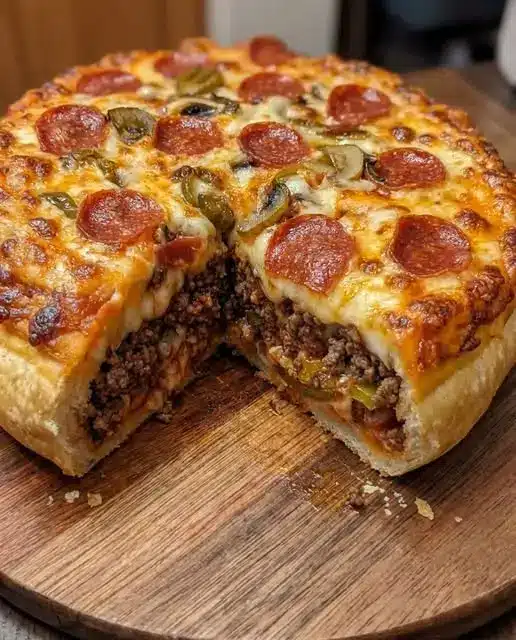
This classic American pepperoni pizza features a crispy, golden-brown crust, tangy tomato sauce, and a generous layer of melted mozzarella cheese topped with savory pepperoni slices.
- 1 lb pizza dough, room temperature
- 1/2 cup pizza sauce
- 2 cups shredded mozzarella cheese
- 1/3 cup sliced pepperoni
- 1 tablespoon olive oil
- 1/2 teaspoon dried oregano
- 1/4 teaspoon garlic powder
- 1Preheat your oven to 475°F (245°C). If using a pizza stone, place it in the oven while it preheats.
- 2On a lightly floured surface, stretch or roll the pizza dough into a 12-inch circle.
- 3Transfer the dough to a pizza peel dusted with cornmeal or a parchment-lined baking sheet.
- 4Spread the pizza sauce evenly over the dough, leaving about 1 inch for the crust.
- 5Sprinkle the mozzarella cheese over the sauce and layer the pepperoni slices on top.
- 6Brush the edges of the crust with olive oil and sprinkle the oregano and garlic powder over the entire pizza.
- 7Bake for 10 to 12 minutes, or until the cheese is bubbling and the crust is golden.
- 8Remove from the oven, let cool for a few minutes, then slice and serve.
Keywords: pepperoni pizza, homemade pizza, dinner recipe, kid-friendly


