
5 Things You Should Know Before Touching a Lump on Your Wrist

Discovering a new, unexpected bump on your wrist can be a source of immediate anxiety for many people. Whether it appeared overnight or gradually became noticeable over several weeks, the process of identifying and treating wrist lumps is a common journey for those who spend a lot of time working with their hands or engaging in athletic activities. Most of these growths are entirely benign and often represent a simple structural change in the soft tissue or bone, yet understanding exactly what you are looking at is the first step toward finding relief and peace of mind.
While the majority of these masses are harmless, they can occasionally cause discomfort, limit your range of motion, or press against sensitive nerves. By learning about the most frequent causes—ranging from fluid-filled cysts to bony overgrowths—you can better prepare for a conversation with your healthcare provider. This guide provides a clear overview of what to look for and how modern medicine approaches these soft tissue masses to help you return to your daily routine without worry.
Why Understanding Your Wrist Lump Is Important
When you notice a change in your body, it is natural to want answers quickly. Understanding the nature of a wrist mass helps you distinguish between something that requires urgent care and something that can be managed with simple observation. Here is why proactive identification matters:
- Accurate Diagnosis: Differentiating between a cyst, a tumor, or a bone spur ensures you receive the correct care and avoid unnecessary treatments.
- Pain Management: Many lumps are painless, but if they begin to interfere with tendons or nerves, early intervention can prevent chronic discomfort.
- Peace of Mind: Knowing that most wrist lumps are non-cancerous can significantly reduce the stress associated with finding a new growth.
- Functional Mobility: Identifying a lump early allows you to address any issues that might eventually limit your ability to type, lift, or perform hobbies.
Knowing how to navigate identifying and treating wrist lumps allows you to take an active role in your hand health. Most people find that once they have a name for the condition, the path forward becomes much clearer.
Common Types of Wrist Lumps and Bumps
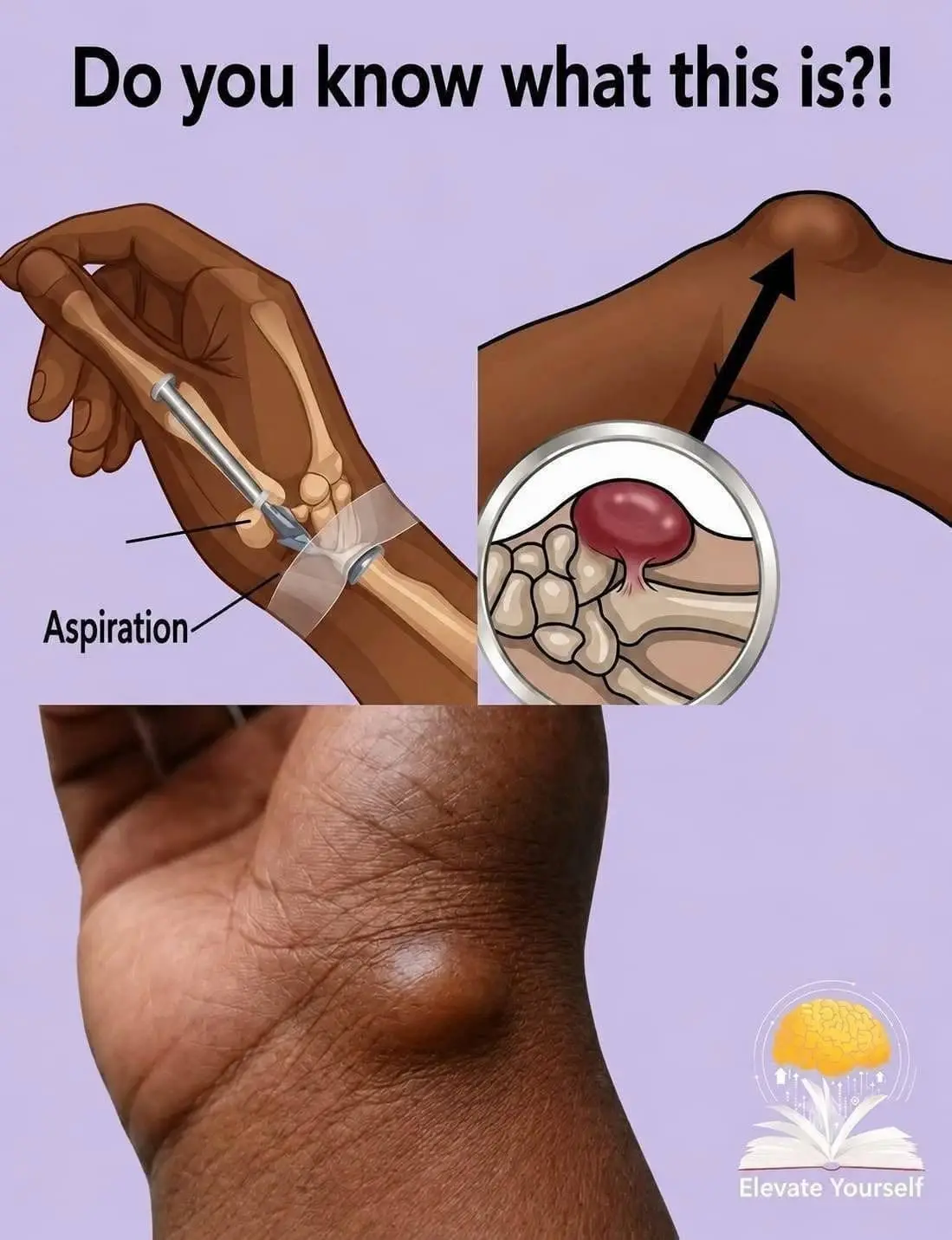
The human wrist is a complex arrangement of small bones, ligaments, tendons, and synovial fluid. Because of this complexity, there are several different types of growths that can occur. By far the most common is the ganglion cyst, which accounts for the vast majority of cases. These are essentially small “balloons” filled with joint fluid that leak out of the joint capsule or tendon sheath. They often feel squishy or firm, depending on how much pressure is inside the sac.
Another common finding is the carpal boss, which is a fixed, bony lump on the back of the wrist. Unlike a cyst, a carpal boss does not move and feels like a hard piece of bone because it actually is a localized overgrowth of bone. Additionally, doctors occasionally identify soft tissue masses known as giant cell tumors of the tendon sheath. While the word “tumor” can be scary, these are almost always benign, though they are firm and do not disappear on their own like some cysts might.
The Path to a Reliable Wrist Lump Diagnosis
When you visit a specialist, the process of wrist lump diagnosis usually begins with a physical examination. Your doctor will likely apply pressure to the lump to check its consistency and determine if it moves under the skin. One of the most classic tests for a ganglion cyst is “transillumination,” where a doctor shines a small light through the lump in a darkened room. If the light passes through, it confirms the mass is filled with fluid rather than solid tissue.
In cases where the diagnosis is not immediately clear, imaging may be required. An ultrasound is a quick and non-invasive way to see if the lump is solid or fluid-filled. For a more detailed look at the surrounding anatomy, an MRI might be ordered to see how the lump interacts with nearby nerves and blood vessels. If the lump feels like bone, a standard X-ray is the best tool to identify a carpal boss or arthritis-related bone spurs.
Modern Approaches to Ganglion Cyst Treatment
If your diagnosis is a ganglion cyst, you may have several options for ganglion cyst treatment. In many cases, the best approach is actually “watchful waiting.” If the cyst is not causing pain and does not interfere with your movement, it may eventually resolve on its own. In fact, nearly half of all ganglion cysts disappear without any medical intervention over time.
However, if the cyst is painful or unsightly, a physician may recommend aspiration. This involves numbing the area and using a needle to drain the fluid. While this provides immediate relief, the “root” of the cyst remains, meaning there is a chance it could refill in the future. For persistent or very painful cysts, surgical excision is considered the most definitive ganglion cyst treatment. During this minor procedure, the surgeon removes the cyst along with a small portion of the joint capsule or tendon sheath to reduce the likelihood of recurrence.
When to Seek Professional Medical Advice
While most wrist lumps are benign, there are certain “red flags” that should prompt a more urgent visit to a hand specialist or your primary care physician. If you notice any of the following, it is time to seek a formal wrist lump diagnosis:
Rapid Changes in Size
If a lump grows significantly larger over the course of just a few days, it could indicate an inflammatory process or a more aggressive type of growth that needs immediate evaluation.
Numbness or Tingling
Lumps that press against the median or ulnar nerves can cause a “pins and needles” sensation in your fingers or a loss of grip strength. This suggests the mass is interfering with nerve function.
Persistent or Nighttime Pain
While some discomfort during activity is common with wrist lumps, pain that keeps you awake at night or exists even when the wrist is at rest should be investigated by a professional.
Home Care and Important Cautions
In the past, people often referred to ganglion cysts as “Bible bumps” because a common folk remedy involved striking the lump with a heavy book to rupture it. Modern medicine strongly advises against this. Attempting to “pop” or smash a wrist lump can lead to bone fractures, skin bruising, and a much higher rate of the lump returning. Furthermore, if the lump is actually a solid mass or a bony growth, hitting it can cause significant internal damage.
For home management, focus on “RICE” principles (Rest, Ice, Compression, and Elevation) if the area feels inflamed after a long day of work. Wearing a simple wrist splint at night can also help by preventing the wrist from bending in ways that put pressure on the lump. These conservative measures are often very effective while you are in the process of identifying and treating wrist lumps with your doctor.
Final Thoughts
The journey of identifying and treating wrist lumps is usually much less daunting than it first appears. With the vast majority of cases being simple, fluid-filled cysts or minor bony changes, the outlook for recovery and symptom management is excellent. By paying attention to sensory cues, avoiding harmful “home surgeries,” and consulting with a healthcare professional, you can ensure your hands stay healthy and functional. Remember that every person’s anatomy is unique, and a quick professional evaluation is the best way to move forward with confidence and clarity.
Frequently Asked Questions
Can a wrist lump be cancerous?
While it is possible for a mass in the wrist to be malignant, it is statistically very rare. The overwhelming majority of soft tissue masses found in the wrist are benign ganglion cysts, giant cell tumors, or lipomas. However, any new or changing lump should be evaluated by a medical professional to rule out more serious conditions through a proper wrist lump diagnosis.
Will a ganglion cyst go away on its own?
Yes, many ganglion cysts disappear without any treatment. This happens when the fluid is naturally reabsorbed by the body or the “valve” connecting the cyst to the joint closes. Doctors often recommend a period of observation for painless cysts to see if they will resolve spontaneously before jumping into more invasive ganglion cyst treatment options.
Does wrist lump surgery require a long recovery?
Most surgeries for identifying and treating wrist lumps are performed on an outpatient basis, meaning you go home the same day. While you will need to keep the area clean and may wear a splint for a week or two, most people return to light activities within days. Full strength and heavy lifting may require several weeks of healing and, occasionally, a few sessions of hand therapy.
What is the difference between a cyst and a carpal boss?
The primary difference is the composition. A cyst is a fluid-filled sac that often feels slightly mobile or “rubbery.” A carpal boss is a firm, immovable bony overgrowth located where the long hand bones meet the small wrist bones. An X-ray is usually the most effective way for a doctor to distinguish between these two during a wrist lump diagnosis.
Why does my wrist lump seem to change size?
Ganglion cysts are notorious for fluctuating in size. When you use your wrist frequently, more joint fluid may be pumped into the cyst, causing it to swell. During periods of rest, some of that fluid may drain back into the joint, making the lump appear smaller or even disappear temporarily. This fluctuation is a classic sign used in identifying and treating wrist lumps of a cystic nature.
5 Things You Should Know Before Touching a Lump on Your Wrist

A comprehensive safety guide on how to evaluate and manage a wrist lump, such as a ganglion cyst, before consulting with a healthcare professional.
- 1 Medical Consultation
- 1 Cold Compress
- 1 Wrist Immobilization Splint
- 1 Patient Observation Period
- 0 Self-Surgical Instruments
- 1Perform a Visual Check: Identify the location and size of the lump during rest.
- 2Assess for Pain: Note if the lump causes discomfort during wrist extension or flexion.
- 3Apply Temperature Therapy: Use a cool compress for 10 minutes to alleviate any inflammation.
- 4Do Not Apply Pressure: Avoid the "Bible method" or hitting the lump, which can lead to bone or tissue damage.
- 5Monitor Sensory Changes: Watch for any tingling, numbness, or loss of strength in the fingers.
Keywords: wrist lump, ganglion cyst, hand health, cyst safety, orthopedic care


