Cacio e Pepe
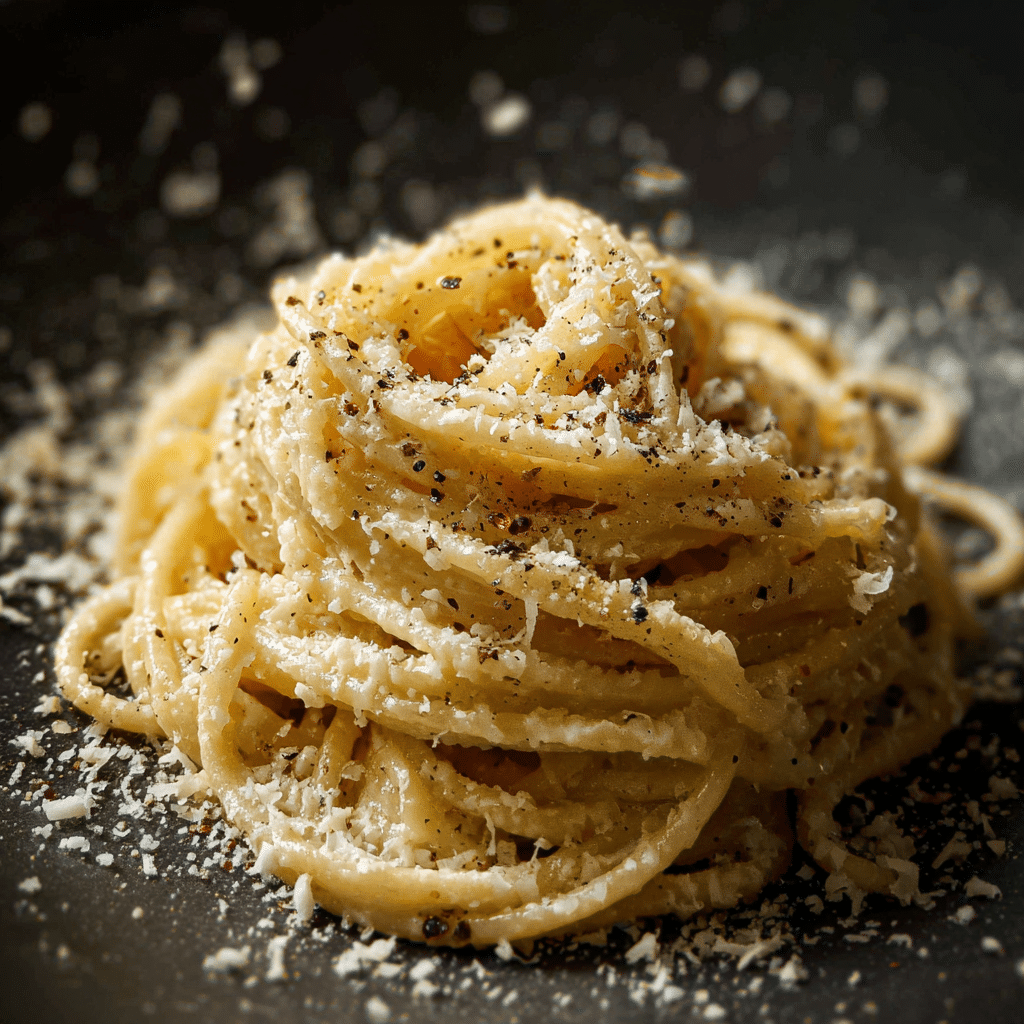
If you’ve ever craved a pasta dish that captures the heart of traditional Italian cooking with just a handful of ingredients, Cacio e Pepe is exactly what you need to try next. This dish blends simplicity and bold flavors through a rustic mix of Pecorino Romano cheese, freshly cracked black pepper, and perfectly al dente pasta — creating something truly magical that’s universally loved. Whether you’re a seasoned home cook or just dipping your toes into Italian cuisine, Cacio e Pepe delivers authentic comfort and sophistication in every bite.
Why You’ll Love This Recipe
- Effortless elegance: Made with just a few pantry staples, Cacio e Pepe proves simple ingredients can shine brilliantly.
- Rich, creamy texture: The silky sauce clings beautifully to pasta, making each mouthful indulgent yet light.
- Bold peppery kick: Freshly cracked black pepper adds the perfect amount of warmth and spice without overwhelming the dish.
- Quick to prepare: Ready in under 20 minutes, it’s a fantastic option for busy evenings or last-minute guests.
- Authentic Roman heritage: A traditional recipe that harks back to the heart of Italy’s culinary history.
Ingredients You’ll Need
The beauty of Cacio e Pepe lies in its ingredients: they’re limited, high quality, and each plays a special role in shaping the dish’s iconic character. It’s about balance, technique, and the perfect marriage of flavors and textures.
- Pasta: Choose spaghetti or tonnarelli for the ideal bite and sauce coverage.
- Pecorino Romano cheese: A sharp, salty cheese that melts into the sauce creating creamy richness.
- Freshly cracked black pepper: Adds depth and the signature spicy note central to this dish.
- Pasta water: The starchy liquid helps create the silky sauce that binds everything together.
- Salt: For seasoning boiling water, enhancing the pasta’s natural flavor.
Variations for Cacio e Pepe
While the classic Cacio e Pepe is perfection on its own, feel free to tweak the recipe to match your taste or dietary preferences. Its simplicity makes it incredibly adaptable without losing its roots.
- Creamy twist: Add a splash of heavy cream for an ultra-smooth sauce that still honors the original flavors.
- Gluten-free option: Swap regular pasta for gluten-free spaghetti to accommodate dietary needs without sacrificing taste.
- Green peppercorns: Incorporate a few crushed green peppercorns for a slightly fruitier, vibrant spice.
- Garlic infusion: Lightly sauté minced garlic in olive oil for extra aromatic depth.
- Vegetable addition: Toss in roasted peas or asparagus for a fresh, textural contrast.

How to Make Cacio e Pepe
Step 1: Boil and Salt the Pasta Water
Fill a large pot with water, generously salt it to season the pasta from within, and bring it to a rolling boil. This foundational step ensures your pasta cooks perfectly and flavorful.
Step 2: Cook the Pasta Until Al Dente
Add the spaghetti or tonnarelli and cook until just al dente, keeping in mind that it will continue to cook slightly in the sauce.
Step 3: Toast the Black Pepper
While the pasta cooks, toast freshly cracked black pepper in a dry pan over medium heat to release its essential oils and intensify the flavor that is pivotal to this dish.
Step 4: Reserve Pasta Water and Drain Pasta
Before draining your pasta, scoop out about a cup of the starchy, salty pasta water — this liquid will help you create that coveted creamy sauce.
Step 5: Combine Cheese, Pepper, and Pasta Water
Off the heat, mix the grated Pecorino Romano with the toasted black pepper and a bit of pasta water, stirring vigorously until it turns into a smooth, velvety sauce.
Step 6: Toss Pasta in the Sauce
Add the drained pasta to the cheese and pepper mixture, tossing constantly to coat every strand and allow the sauce to cling perfectly.
Step 7: Serve Immediately
For the ultimate experience, plate the Cacio e Pepe straight away while it’s warm, creamy, and freshly dressed.
Pro Tips for Making Cacio e Pepe
- Use high-quality Pecorino: The sharper the cheese, the more flavorful your sauce will be.
- Don’t skip toasting the pepper: It dramatically elevates the aroma and taste.
- Work off the heat: Combining the cheese with pasta water off the stove avoids clumping and creates a creamy texture.
- Reserve plenty of pasta water: It’s essential for emulsifying the sauce smoothly.
- Toss continuously: This ensures the sauce coats the pasta evenly and prevents lumps.
How to Serve Cacio e Pepe
Garnishes
Keep garnishes minimal to celebrate the dish’s simplicity; consider an extra grind of black pepper or a light dusting of Pecorino Romano on top for a polished finish.
Side Dishes
Pair Cacio e Pepe with light, fresh salads like arugula with lemon dressing or roasted vegetables to balance its rich flavors without overpowering.
Creative Ways to Present
Serve in rustic bowls or on handmade ceramic plates to highlight the dish’s Italian roots, and accompany with crusty bread to mop up any leftover sauce.
Make Ahead and Storage
Storing Leftovers
Store leftover Cacio e Pepe in an airtight container in the refrigerator for up to 2 days, though it’s best enjoyed fresh for optimal texture.
Freezing
Freezing is not recommended as the cheese sauce may separate and the texture of the pasta can become mushy after thawing.
Reheating
Reheat gently in a skillet over low heat, adding a splash of water or cream to revive the sauce’s creaminess without drying out the pasta.
FAQs
What does “Cacio e Pepe” mean?
“Cacio e Pepe” translates from Italian to “cheese and pepper,” which perfectly describes the two simple ingredients that make the dish so iconic and delicious.
Can I use Parmesan instead of Pecorino?
While Parmesan can be used, Pecorino Romano provides a saltier, sharper flavor that’s authentic to the dish’s Roman origins and enhances the overall taste.
What type of pasta is best for Cacio e Pepe?
Spaghetti or tonnarelli are classic choices as their shape helps the sauce cling evenly, but feel free to experiment with other long pastas if you prefer.
Is Cacio e Pepe gluten-free?
The traditional recipe is not gluten-free, but you can easily substitute with gluten-free pasta to enjoy this dish if you have dietary restrictions.
How do I prevent the sauce from clumping?
Stir the cheese and pasta water mixture off the heat and add the pasta gradually while tossing vigorously to achieve a smooth, creamy sauce without lumps.
Final Thoughts
If you’re looking for a pasta dish that’s simple to prepare, yet packed with authentic flavor and old-world charm, Cacio e Pepe is an absolute must-try. This beloved Italian classic showcases how the right technique combined with minimal ingredients can elevate your cooking to new heights. So, gather your ingredients, give this recipe a whirl, and experience a true taste of Rome right in your kitchen.
Related Posts
PrintCacio e Pepe
Cacio e Pepe is a classic Roman pasta dish that combines simple ingredients—Pecorino Romano cheese, freshly cracked black pepper, and al dente spaghetti or tonnarelli—to create a rich, creamy, and peppery sauce. This quick and elegant recipe showcases traditional Italian flavors with minimal effort, perfect for an authentic and comforting meal in under 20 minutes.
- Prep Time: 5 minutes
- Cook Time: 15 minutes
- Total Time: 20 minutes
- Yield: 2 servings 1x
- Category: Main Course
- Method: Boiling and Tossing
- Cuisine: Italian
- Diet: Vegetarian
Ingredients
Pasta
- 200g spaghetti or tonnarelli
- 1 tablespoon salt (for boiling water)
Sauce
- 100g Pecorino Romano cheese, finely grated
- 2 teaspoons freshly cracked black pepper
- 1 cup reserved pasta water, starchy and salty
Instructions
- Boil and Salt the Pasta Water: Fill a large pot with water, generously salt it to season the pasta from within, and bring it to a rolling boil to ensure perfectly flavored pasta.
- Cook the Pasta Until Al Dente: Add the spaghetti or tonnarelli and cook until just al dente, remembering it will continue to cook slightly in the sauce.
- Toast the Black Pepper: While the pasta cooks, toast the freshly cracked black pepper in a dry pan over medium heat to release essential oils and deepen the flavor.
- Reserve Pasta Water and Drain Pasta: Before draining the pasta, scoop out about one cup of the starchy, salty pasta water to use in the sauce, then drain the pasta.
- Combine Cheese, Pepper, and Pasta Water: Off the heat, mix the grated Pecorino Romano with the toasted black pepper and some reserved pasta water, stirring vigorously until the mixture forms a smooth, velvety sauce.
- Toss Pasta in the Sauce: Add the drained pasta to the cheese and pepper sauce, continuously tossing to coat every strand evenly and allow the sauce to cling perfectly.
- Serve Immediately: Plate the Cacio e Pepe while warm, creamy, and freshly dressed for the best taste experience.
Notes
- Use high-quality Pecorino Romano cheese for the sharpest flavor.
- Always toast the black pepper to enhance aroma and taste.
- Mix the cheese and pasta water off the heat to prevent clumping and ensure creaminess.
- Reserve plenty of pasta water to emulsify the sauce smoothly.
- Continuously toss the pasta in the sauce to coat evenly and avoid lumps.
Nutrition
- Serving Size: 1 serving
- Calories: 450
- Sugar: 1g
- Sodium: 600mg
- Fat: 15g
- Saturated Fat: 9g
- Unsaturated Fat: 5g
- Trans Fat: 0g
- Carbohydrates: 60g
- Fiber: 3g
- Protein: 18g
- Cholesterol: 40mg
Keywords: Cacio e Pepe, Italian pasta, Pecorino Romano, black pepper pasta, traditional Roman dish, simple pasta recipe, easy Italian recipe