
Eat Pumpkin Seeds Daily and This Happens to Your Body

Pumpkin seeds, also known as pepitas, have transitioned from a seasonal carving byproduct to a year-round nutritional powerhouse in the American pantry. These small, vibrant green seeds offer a satisfying crunch and a subtle, nutty flavor that complements everything from morning oatmeal to savory dinner salads. Beyond their culinary versatility, the health benefits of pumpkin seeds are extensive, making them one of the most nutrient-dense snacks available to those looking to boost their daily wellness naturally.
Understanding how these seeds impact the body involves looking past their small size and focusing on their rich concentration of minerals, healthy fats, and antioxidants. Whether you enjoy them raw, sprouted, or roasted with a hint of sea salt, adding a handful of these seeds to your routine is a simple, effective way to support your overall health goals. This guide explores the science-backed advantages of these seeds and provides practical tips for making them a staple in your kitchen.
What Makes Pumpkin Seeds So Special?
At their core, pumpkin seeds are the edible seeds of a pumpkin or other types of squash. While the white seeds found inside a carving pumpkin have a tough outer husk, the variety most commonly sold in health food stores is the hull-less variety, known for its deep green color and tender texture. These seeds are a concentrated source of energy and nutrients, providing a significant amount of magnesium-rich foods in just a single ounce.
The nutritional profile of these seeds is impressively balanced. They provide a high-quality plant-based protein, which is essential for muscle repair and satiety. Additionally, they are loaded with polyunsaturated fatty acids, including alpha-linolenic acid (ALA). This combination of protein, healthy fats, and dietary fiber helps slow down digestion, keeping you feeling full for longer and providing a steady stream of energy throughout the afternoon.
The Top health benefits of pumpkin seeds
The health benefits of pumpkin seeds stem largely from their unique combination of bioactive compounds and essential minerals. Because they are so nutrient-dense, even a small serving can make a meaningful contribution to your daily requirements for several hard-to-get nutrients.
Rich in Essential Minerals
One of the most notable health benefits of pumpkin seeds is their high magnesium content. Magnesium is a vital mineral involved in more than 300 biochemical reactions in the human body, including blood pressure regulation and the maintenance of strong bones. Many Americans do not consume enough magnesium in their standard diet, making these seeds an excellent addition for those seeking more magnesium-rich foods. They are also a fantastic source of zinc, which may support immune function and skin health.
Antioxidant and Heart Health Support
Pumpkin seeds contain a variety of antioxidants, such as vitamin E and carotenoids. These compounds help protect cells from oxidative stress and may reduce inflammation throughout the body. Furthermore, the healthy fats found in these seeds contribute to their status as heart-healthy snacks. Some studies suggest that the oils in pumpkin seeds may help support healthy cholesterol levels and improve overall cardiovascular function when consumed as part of a balanced diet.
Natural Support for Restful Sleep
If you find yourself tossing and turning at night, a small serving of pumpkin seeds before bed might help. They are a natural source of tryptophan, an amino acid that the body converts into serotonin and then into melatonin—the hormone responsible for regulating sleep-wake cycles. When combined with the high magnesium content, which is often associated with relaxation, these seeds serve as a gentle, food-based way to support better sleep quality.
Blood Sugar Management
The combination of high dietary fiber and healthy fats makes pumpkin seeds an ideal snack for maintaining stable blood sugar levels. Fiber slows the absorption of sugar into the bloodstream, which may prevent the sharp spikes and crashes often associated with high-carbohydrate snacks. For individuals focused on metabolic health, replacing processed snacks with these seeds is a smart and sustainable dietary shift.
Practical Ways to Incorporate Pumpkin Seeds
One of the best things about the health benefits of pumpkin seeds is how easy they are to access. Unlike many “superfoods” that require complex preparation, pumpkin seeds are ready to eat right out of the bag. They can be integrated into almost any meal, adding texture and a boost of plant-based protein to your favorite dishes.
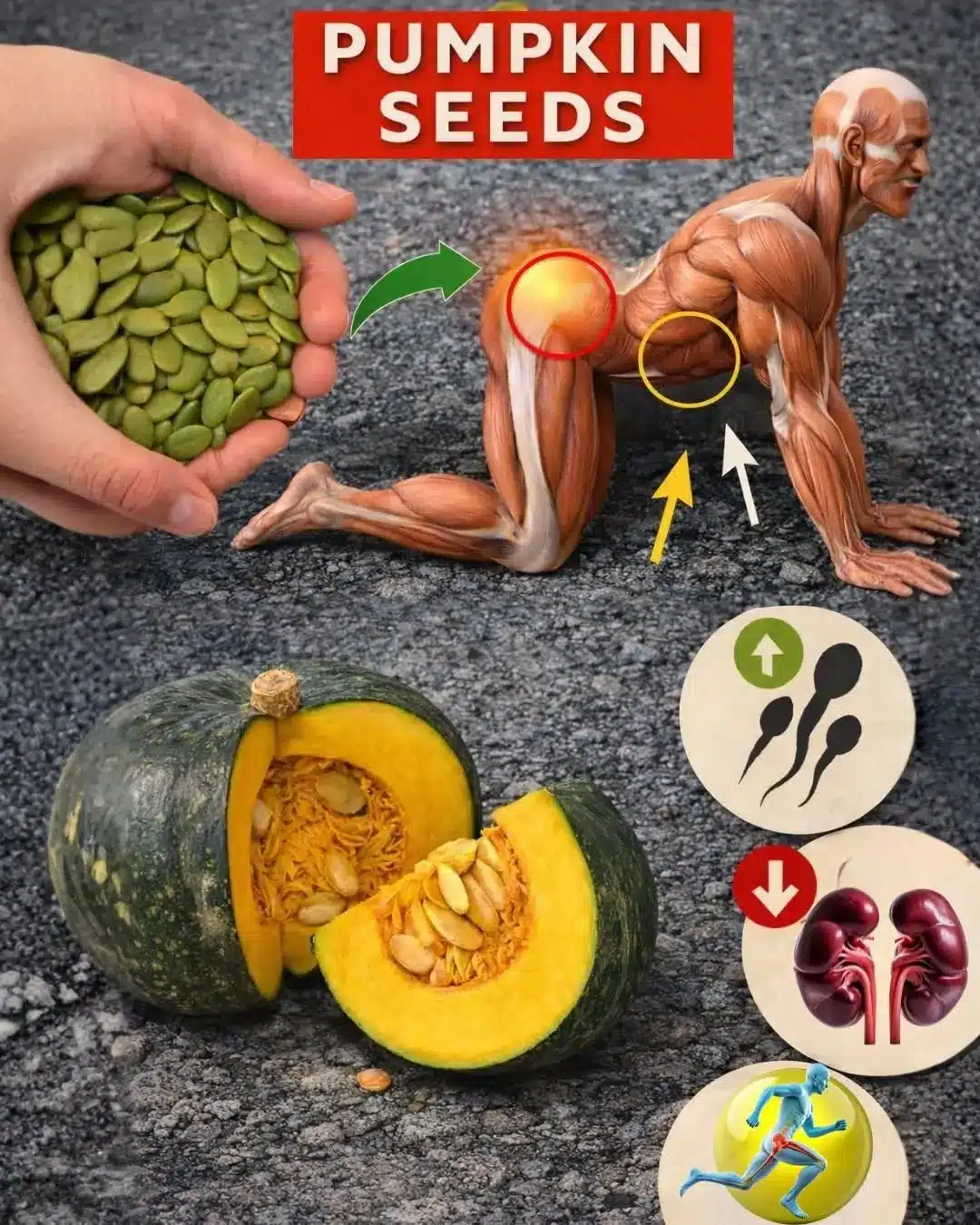
To get the most out of these heart-healthy snacks, consider the following culinary applications:
- Breakfast Toppings: Sprinkle a tablespoon of raw or toasted seeds over Greek yogurt, overnight oats, or smoothie bowls for an instant crunch.
- Salad Enhancers: Replace croutons with roasted pumpkin seeds to add healthy fats and fiber to your leafy greens.
- Pesto and Sauces: Blend pumpkin seeds with basil, garlic, and olive oil to create a nut-free version of traditional pesto.
- Homemade Trail Mix: Combine them with almonds, walnuts, and a small amount of dark chocolate for a balanced snack that travels well.
- Soup Garnishes: Add a handful of seeds to creamy soups like butternut squash or tomato to provide a textural contrast.
Potential Cautions and Considerations
While the health benefits of pumpkin seeds are significant, there are a few practical considerations to keep in mind. First, these seeds are calorically dense because of their high fat content. While the fats are primarily healthy, it is important to be mindful of portion sizes, especially if you are monitoring your total energy intake. A standard serving is typically about one ounce, or roughly a small handful.
Because they are high in dietary fiber, increasing your intake too quickly can lead to temporary digestive discomfort, such as bloating or gas. It is always best to increase fiber intake gradually and drink plenty of water to help your digestive system adapt. Additionally, those with a history of kidney stones or specific seed allergies should consult with a healthcare provider before making pumpkin seeds a major part of their diet. As with any dietary change, moderation and variety are the keys to long-term success.
Final Thoughts
Embracing the health benefits of pumpkin seeds is a simple yet powerful way to upgrade your daily nutrition. From their high concentration of magnesium and zinc to their heart-healthy fats and plant proteins, these seeds offer a wide range of support for various bodily functions. Whether you are looking to improve your sleep, support your heart, or simply find a more satisfying snack, pumpkin seeds are a versatile and delicious choice. By keeping a jar of these green powerhouses in your pantry, you’ll always have a quick, nutrient-dense ingredient ready to elevate your next meal.
Frequently Asked Questions
Are raw pumpkin seeds better for you than roasted ones?
Both raw and roasted pumpkin seeds offer substantial health benefits. Raw seeds preserve more of the sensitive heat-vulnerable nutrients, such as certain antioxidants. However, roasting can make the seeds easier to digest and enhances their flavor profile. If you choose roasted seeds, look for varieties that are dry-roasted or roasted at lower temperatures without excessive added oils or high amounts of sodium to maximize their nutritional value.
Can you eat the white shell of the pumpkin seed?
Yes, the white shells (hulls) of pumpkin seeds are entirely edible and are an excellent source of extra dietary fiber. While the shells can be quite tough and fibrous, many people enjoy them when they are roasted until crisp. However, most people prefer the green “pepitas” found inside, as they have a more tender texture and a richer flavor. If you have a sensitive digestive system, you may find the hull-less green seeds easier to tolerate.
How many pumpkin seeds should I eat per day?
A typical recommended serving size is about one ounce, which is roughly 28 grams or a small handful. This portion provides a significant amount of your daily requirement for magnesium, zinc, and healthy fats without being excessively high in calories. Because they are so nutrient-dense, a little goes a long way. Eating them as part of a varied diet that includes other nuts and seeds is the best way to ensure a broad spectrum of nutrients.
Do pumpkin seeds help with prostate health?
There is some evidence to suggest that the health benefits of pumpkin seeds may include support for prostate health. This is often attributed to their high zinc content and the presence of phytosterols. Some studies have looked at the relationship between pumpkin seed oil and the reduction of symptoms associated with benign prostatic hyperplasia (BPH). While promising, these seeds should be viewed as a supportive dietary element rather than a medical treatment, and specific concerns should always be discussed with a doctor.
Are pumpkin seeds safe during pregnancy?
Generally, pumpkin seeds are considered a safe and highly nutritious food during pregnancy. They provide essential nutrients like iron, zinc, and folate, which are vital for both maternal health and fetal development. The plant-based protein and healthy fats also support energy levels. As always, it is wise to consult with an obstetrician or a registered dietitian to ensure your overall diet meets your specific prenatal needs, especially regarding the balance of minerals and fiber.
Healthy Daily Roasted Pumpkin Seeds

Discover the incredible benefits of eating pumpkin seeds daily with this simple roasted pepita recipe. Packed with zinc, magnesium, and heart-healthy fats, these seeds are a nutritional powerhouse that supports better sleep and immune function.
- 1 cup raw whole pumpkin seeds
- 1 tablespoon extra-virgin olive oil
- 1/2 teaspoon fine sea salt
- 1/4 teaspoon smoked paprika
- 1/4 teaspoon garlic powder
- 1Preheat your oven to 300°F (150°C) and line a baking sheet with parchment paper.
- 2Rinse the seeds in a colander under cold water to remove any remaining pumpkin pulp.
- 3Thoroughly pat the seeds dry with a clean kitchen towel; the drier they are, the crispier they will become.
- 4In a small bowl, toss the seeds with olive oil, salt, paprika, and garlic powder until evenly coated.
- 5Spread the seeds in a single layer on the prepared baking sheet.
- 6Bake for 45 minutes, stirring every 15 minutes, until they are golden brown and fragrant.
Keywords: pumpkin seeds, roasted pepitas, healthy daily snack, magnesium rich foods, zinc benefits


