
How to Prevent Cavities and Keep Your Teeth Strong

Maintaining a healthy smile goes far beyond just having white teeth; it is about protecting the structural integrity of your mouth from the constant threat of bacterial erosion. Understanding how to prevent tooth decay is a fundamental part of whole-body wellness, as oral health is deeply connected to systemic issues like heart disease and inflammation. When we eat, the bacteria naturally present in our mouths feast on sugars and starches, producing acids that slowly dissolve the hard outer layer of our teeth known as enamel.
By implementing a few strategic changes to your daily life, you can significantly reduce your risk of developing painful cavities. Transitioning from a reactive mindset to a proactive oral health routine ensures that you catch potential issues early and keep your natural teeth for a lifetime. With the right tools and a bit of consistency, keeping your enamel strong and your gums healthy is an achievable goal for everyone.
Understanding the Mechanics of Tooth Decay
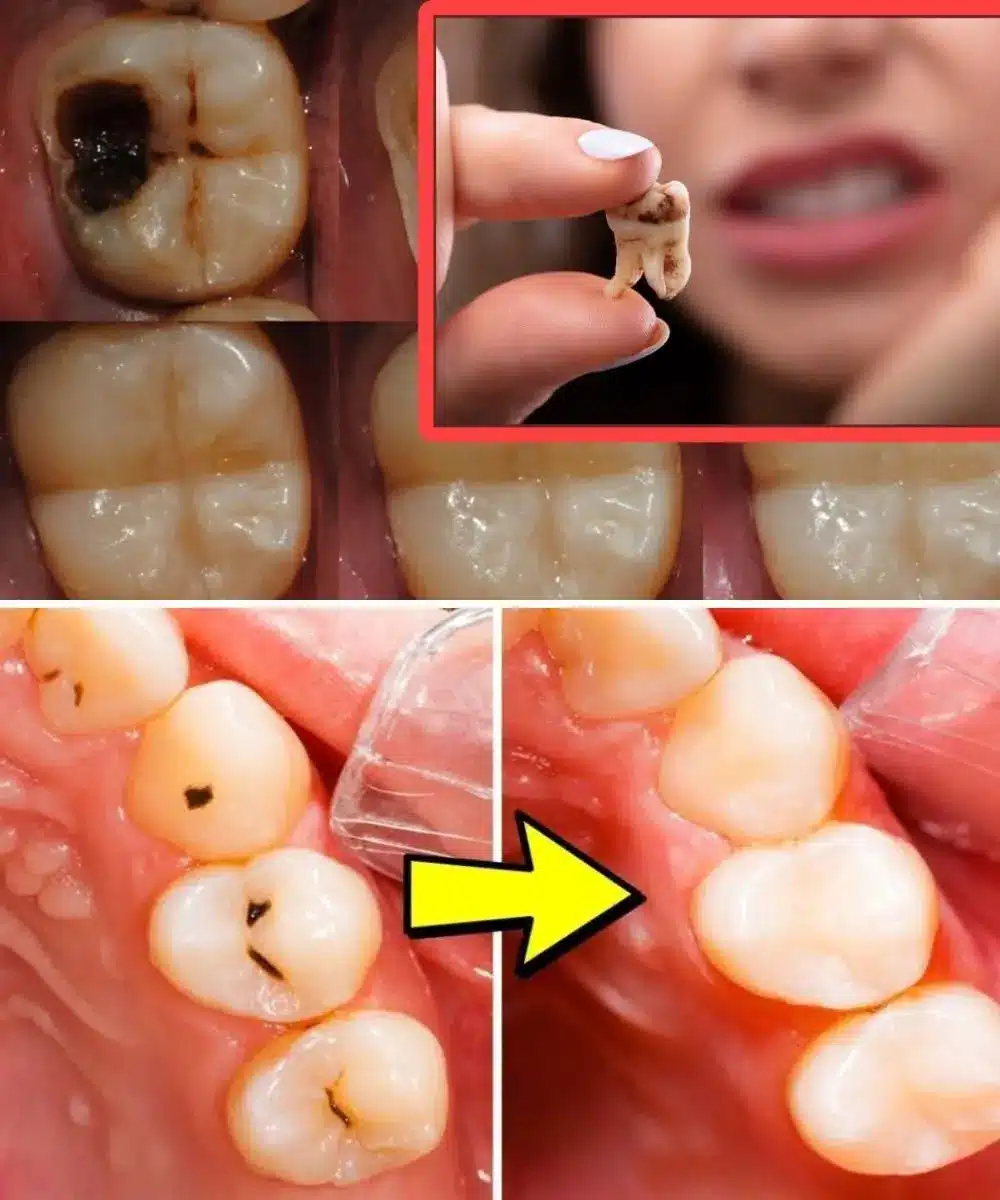
Before diving into prevention strategies, it is helpful to understand exactly what we are fighting against. Tooth decay, often resulting in cavities or dental caries, is the destruction of your tooth enamel. This occurs when plaque—a sticky film of bacteria—builds up on the surfaces of your teeth. When you consume foods containing sugars, the bacteria in plaque produce acids that attack the enamel. Over time, the repeated acid attacks cause the enamel to break down, forming a tiny hole or cavity.
The process of demineralization happens every time you eat, but your mouth also has a natural defense system: remineralization. Your saliva contains minerals like calcium and phosphate that help rebuild the enamel. However, when the rate of acid damage outpaces the rate of repair, decay sets in. This is why cavity prevention is not just about cleaning, but about balancing the environment of your mouth to favor repair over destruction.
Daily Habits for Optimal Dental Health
Consistency is the cornerstone of any successful health strategy. To effectively manage how to prevent tooth decay, you must focus on removing plaque regularly before it has the chance to harden into tartar, which can only be removed by a professional. Establishing robust dental hygiene habits is the most cost-effective way to avoid the dentist’s drill.
- Brushing Technique: Brush at least twice a day using a fluoride toothpaste. Use a soft-bristled brush and gentle, circular motions. Brushing too hard can actually wear away your enamel and irritate your gums.
- The Importance of Flossing: Your toothbrush cannot reach the tight spaces between your teeth. Flossing once a day removes trapped food particles and plaque from these “hidden” areas where many cavities begin.
- Rinsing for Extra Protection: Using an antimicrobial or fluoride mouthwash can help kill bacteria that cause plaque and provide an extra layer of mineral protection for your enamel.
- Tongue Cleaning: Bacteria also live on your tongue. Using a tongue scraper or your toothbrush to clean your tongue can reduce the overall bacterial load in your mouth and freshen your breath.
The Role of Nutrition in Preventing Cavities
What you put in your body is just as important as how you clean it. Diet plays a massive role in the health of your teeth because it dictates the fuel you provide to oral bacteria. Reducing the frequency and amount of sugary snacks is one of the most effective ways to lower acid production in the mouth. Instead of sipping on sugary sodas or juices throughout the day, try to stick to water, which helps wash away food debris and keeps your saliva flowing.
Incorporating “tooth-friendly” foods can also make a difference. Crunchy, high-fiber fruits and vegetables like apples and carrots act as natural toothbrushes, stimulating saliva production and physically scrubbing the teeth. Dairy products like cheese and plain yogurt are excellent because they are high in calcium and phosphorus, which are the building blocks of tooth enamel. Furthermore, certain fluoride treatments, whether through fluoridated tap water or professional application, provide a powerful boost to the enamel’s resistance against acid.
Professional Care and Early Intervention
While home care is vital, it cannot replace the expertise of a dental professional. Regular checkups and cleanings are essential because a dentist can identify the early signs of demineralization before a full-blown cavity forms. During these visits, professionals use specialized tools to remove tartar and may suggest preventative treatments such as dental sealants—thin plastic coatings applied to the chewing surfaces of the back teeth to “seal out” decay.
Important Considerations and Cautions
While the tips provided here are generally effective for the average person, it is important to remember that everyone’s oral biology is unique. Factors such as genetics, certain medications that cause dry mouth, and chronic conditions like diabetes can increase your susceptibility to decay. If you experience persistent tooth pain, sensitivity to hot or cold, or bleeding gums, you should consult a qualified dental professional immediately rather than attempting to self-diagnose.
Additionally, while fluoride is highly recommended for cavity prevention, it should be used in appropriate amounts, especially for young children who may swallow toothpaste. Always supervise children during their oral health routine to ensure they are using the correct technique and amount of product. Never ignore signs of infection, such as swelling or an abscess, as these can lead to serious health complications if left untreated.
Final Thoughts
Learning how to prevent tooth decay is a lifelong journey that pays dividends in the form of a confident smile and better overall health. By combining diligent dental hygiene habits with a mindful diet and regular professional visits, you can keep the bacteria in your mouth in check and protect your precious enamel. Remember that dental health is a marathon, not a sprint; small, consistent actions taken today will prevent significant discomfort and expense in the future. Keep your routine simple, stay consistent, and your teeth will thank you for years to come.
Frequently Asked Questions
How often should I really change my toothbrush?
Most dental professionals recommend replacing your toothbrush or toothbrush head every three to four months. If the bristles become frayed or splayed sooner than that, change it immediately, as a worn-out brush is less effective at removing plaque. It is also a good idea to replace your brush after you have been sick to avoid reintroducing bacteria or viruses to your mouth.
Can I prevent tooth decay if I have a naturally dry mouth?
Dry mouth, or xerostomia, can significantly increase the risk of decay because saliva is necessary to neutralize acids and wash away food. To manage this, stay hydrated by drinking plenty of water, chew sugar-free gum to stimulate saliva flow, and speak with your dentist about specialized rinses or saliva substitutes that can help protect your teeth.
Are some people just more prone to cavities than others?
Yes, genetics can play a role in the thickness of your enamel and the composition of your saliva. However, even if you are genetically predisposed to cavity prevention challenges, your lifestyle choices remain the most significant factor. Even those with “weak” enamel can maintain a healthy mouth by being extra diligent with their oral health routine and avoiding frequent sugar consumption.
Does brushing right after eating sugar help prevent decay?
While it seems logical to brush immediately after a sugary snack, it is often better to wait about 30 to 60 minutes. Acidic foods and sugars can temporarily soften the enamel. If you brush immediately, you might actually scrub away tiny amounts of the softened enamel. Instead, rinse your mouth with water immediately after eating and wait a bit before using your toothbrush.
Are professional fluoride treatments necessary for adults?
While fluoride treatments are often associated with children, they are highly beneficial for adults as well, especially those at high risk for decay. Fluoride helps to remineralize areas that have begun to break down and makes the tooth surface more resistant to future acid attacks. Your dentist can determine if a professional-strength fluoride application is right for your specific needs during your regular checkup.
Calcium-Rich Mineralizing Broccoli Bake

This tooth-strengthening dinner is packed with calcium and phosphorus from dairy and cruciferous vegetables, which help remineralize enamel and maintain a neutral pH in the mouth to prevent cavities.
- 2 cups Fresh broccoli florets
- 1 cup Shredded sharp cheddar cheese
- 1/2 cup Full-fat Greek yogurt
- 1/4 cup Grated Parmesan cheese
- 1/2 tsp Garlic powder
- 1/4 tsp Sea salt
- 1Preheat your oven to 375°F (190°C).
- 2Steam the broccoli florets for 3 minutes until slightly tender but still firm.
- 3In a mixing bowl, combine the Greek yogurt, garlic powder, and half of the cheddar cheese.
- 4Toss the broccoli in the mixture until well coated and transfer to a small baking dish.
- 5Top with the remaining cheddar and Parmesan cheese.
- 6Bake for 15-20 minutes until the cheese is bubbly and golden brown.
Keywords: prevent cavities, teeth health, calcium rich dinner, enamel protection, keto friendly


