
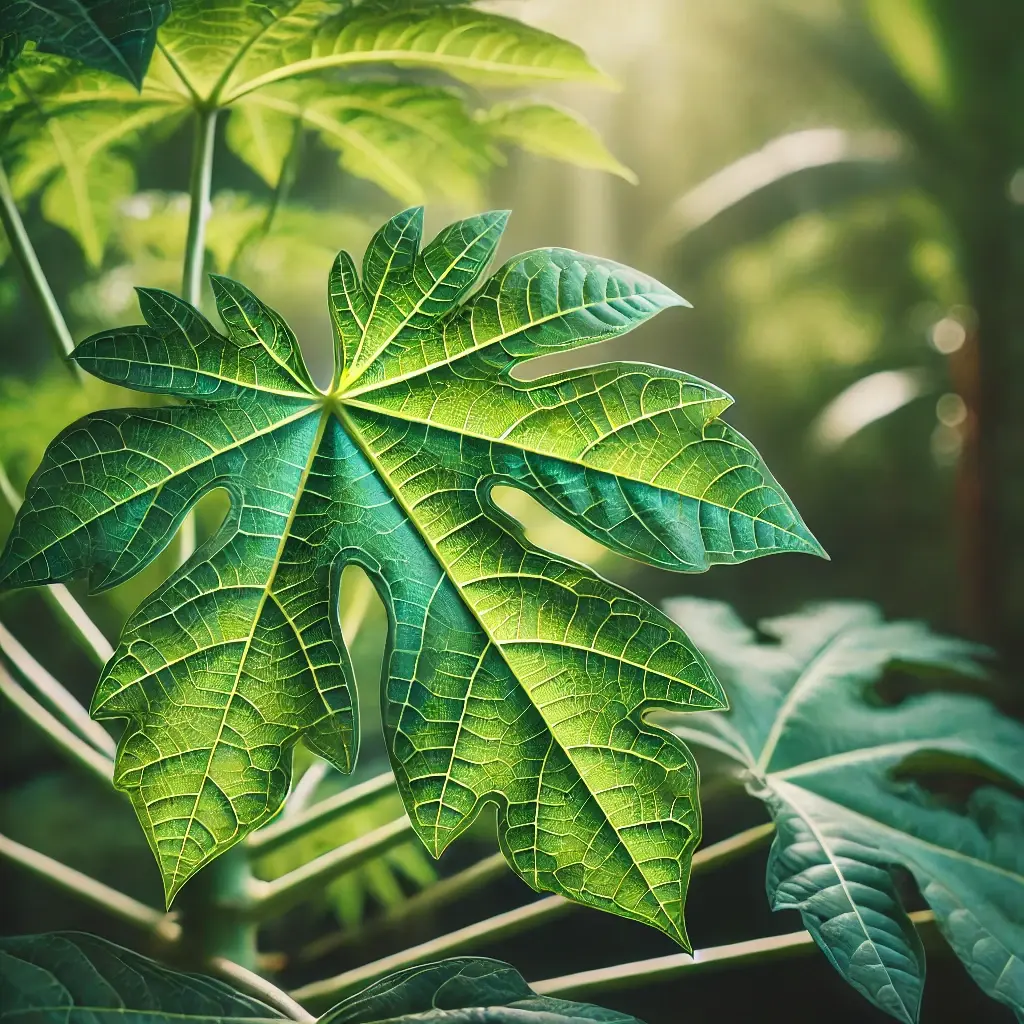
Everybody loves papayas, but don’t know this amazing uses of papaya leaves

While the vibrant orange flesh of the papaya fruit is a staple in tropical breakfasts and smoothie bowls, the broad, jagged leaves of the papaya tree often go overlooked. For centuries, traditional wellness practices across Southeast Asia and South America have utilized these leaves for their potent plant compounds. Understanding the health benefits of papaya leaves reveals a fascinating intersection between ancient herbal wisdom and modern nutritional science, offering a unique way to support your body’s natural resilience.
Exploring the potential of these leaves is about more than just adding a new tea to your pantry; it is about tapping into the concentrated phytonutrients that the fruit itself lacks. From supporting digestive comfort to helping maintain healthy levels of vital blood components, the leaves provide a dense source of antioxidants and enzymes. In this guide, we will break down what makes this botanical so special and how you can safely incorporate it into your wellness routine.
Why You Should Consider Papaya Leaves
- Nutrient Density: The leaves are packed with vitamins A, C, and E, along with minerals like calcium and magnesium that support overall cellular health.
- Unique Enzymes: Unlike many other greens, these leaves contain papain and chymopapain, which are powerful compounds known for aiding in protein breakdown and digestion.
- Traditional Heritage: With a long history of use in various cultures, these leaves have stood the test of time as a go-to botanical for seasonal wellness.
- Versatile Preparation: Whether simmered into a soothing tea or processed into a concentrated extract, they are remarkably easy to adapt to different lifestyle preferences.
What Exactly Are Papaya Leaves?
Papaya leaves come from the Carica papaya plant. While we often associate this plant with sweet fruit, the leaves contain a much higher concentration of certain alkaloids and phenolic compounds. These leaves are typically harvested when they are mature but still vibrant green to ensure the highest concentration of active ingredients. In their raw form, they are quite bitter, which is a telltale sign of the presence of beneficial phytonutrients like acetogenins.
In modern wellness, you will often find these leaves dried for tea, encapsulated as a supplement, or sold as a liquid extract. The primary draw for many people is the presence of digestive enzymes that are thought to be more concentrated in the leaf than in the fruit itself. These enzymes are the heavy hitters when it comes to the health benefits of papaya leaves, helping the body process complex nutrients more efficiently.
Significant Health Benefits of Papaya Leaves
The research surrounding these leaves is ongoing, but several areas of health have shown promising associations. It is important to remember that while these benefits are supported by traditional use and some preliminary studies, they should complement, not replace, professional medical guidance.
Support for Healthy Blood Platelets
One of the most widely recognized uses for this botanical is its potential for dengue fever support. During certain viral challenges, the body’s platelet levels can drop significantly. Some studies suggest that papaya leaf extract may help maintain a healthy blood platelet count during recovery. This is believed to be due to the leaf’s ability to support the genes involved in platelet production, though it is crucial to manage any such condition under strict medical supervision.
Promoting Digestive Wellness
If you often feel heavy after a protein-rich meal, papaya leaves might offer a natural solution. The leaves are rich in papain, an enzyme that assists the stomach in breaking down tough protein fibers. By improving the efficiency of the digestive tract, these leaves can help reduce the occasional bloating and gas that occur after eating. This enzymatic activity is a cornerstone of why many people seek out the health benefits of papaya leaves for long-term gut health.
Harnessing Anti-Inflammatory Properties
The leaves contain various plant compounds, including flavonoids and vitamin E, which possess strong anti-inflammatory properties. These antioxidants help the body neutralize free radicals—unstable molecules that can cause oxidative stress and contribute to systemic inflammation. By incorporating these leaves into your diet, you may support your body’s natural ability to keep inflammation in check, which is vital for joint comfort and cardiovascular health.
Skin and Hair Health
Beyond internal health, the nutrients found in papaya leaves are often used topically or consumed to promote a clear complexion. The high vitamin C content supports collagen production, while the enzymes can act as a natural exfoliant when used in masks. For hair, some traditional practices use leaf extracts to support scalp health and encourage a natural shine, though oral consumption is the most common way to reap these nutritional rewards.
Practical Ways to Use Papaya Leaves
Because the leaves are naturally bitter, most people prefer not to eat them raw. Instead, there are several practical ways to prepare them that make the taste more palatable while preserving their nutritional integrity.
Papaya Leaf Tea
This is the most traditional method of consumption. You can use dried or fresh leaves (ensure they are thoroughly cleaned). Simply simmer the leaves in water for about 10 to 15 minutes, then strain. To mask the bitterness, many people add a touch of honey, lemon, or ginger. Sipping this tea after a meal is an excellent way to take advantage of those digestive enzymes.
Leaf Juice and Extracts
In some regions, fresh leaves are crushed or blended with a bit of water to create a concentrated juice. This is often the method used when seeking specific dengue fever support, as the juice is very potent. If you cannot find fresh leaves, high-quality extracts and tinctures are available at health food stores, providing a standardized way to monitor your intake.
Important Cautions and Considerations
While the health benefits of papaya leaves are numerous, safety should always be the priority. Like any potent botanical, papaya leaves may not be suitable for everyone.
Pregnant and breastfeeding women should generally avoid papaya leaf products, as some compounds in the leaves may stimulate uterine contractions. Additionally, because the leaves may affect blood sugar levels, individuals with diabetes or those on blood-sugar-lowering medications should consult with a healthcare professional before use. If you have a known latex allergy, you might also be sensitive to papaya products, so it is best to proceed with caution.
Always start with a small amount to see how your body reacts. If you are planning a surgery, it is recommended to stop using papaya leaf supplements at least two weeks prior, as they may influence blood platelet count and clotting. As always, consult a qualified healthcare provider before making significant changes to your wellness regimen or starting any new supplement.
Final Thoughts
The health benefits of papaya leaves offer a compelling reason to look past the fruit and toward the foliage. Whether you are interested in their anti-inflammatory properties, looking for natural digestive support, or curious about their role in maintaining a healthy blood platelet count, these leaves provide a wealth of plant-based power. By understanding how to prepare them and respecting the necessary safety precautions, you can enjoy this tropical treasure as part of a balanced and proactive approach to your health. Nature often hides its most potent tools in the most unexpected places, and the humble papaya leaf is a perfect example of that hidden vitality.
Frequently Asked Questions
Can I eat papaya leaves raw?
While technically edible, raw papaya leaves are extremely bitter and have a very tough texture. Most people find them unpalatable in their raw state. It is much more common and enjoyable to consume them as a tea, juice, or extract, which allows the beneficial compounds to be more easily absorbed without the unpleasant taste and texture of the raw leaf.
How often can I drink papaya leaf tea?
For general wellness, many people enjoy one cup of papaya leaf tea per day. However, because it contains potent enzymes and alkaloids, it is best not to overconsume it. If you are using it for a specific health concern, it is vital to follow the guidance of a healthcare professional to determine the appropriate frequency for your specific needs.
Is papaya leaf juice the same as the fruit juice?
No, they are very different. Papaya fruit juice is high in sugar and vitamins like C and A, with a sweet flavor. Papaya leaf juice is much more concentrated in alkaloids and digestive enzymes like papain. It is significantly more bitter and is used more for its medicinal-like properties rather than as a refreshing beverage.
Where can I find papaya leaves if I don’t live in the tropics?
If you don’t have access to fresh trees, your best bet is a local international market or a dedicated health food store. Many stores carry dried papaya leaves in the tea section. Additionally, high-quality supplements and liquid extracts are widely available online, providing an easy way to access the health benefits of papaya leaves regardless of your climate.
Do papaya leaves help with weight loss?
There is no evidence that papaya leaves directly cause weight loss. However, because they support healthy digestion and help reduce bloating through digestive enzymes, they can help you feel better and support a more efficient metabolic process. They are best used as a supplement to a healthy diet and regular exercise rather than a standalone weight loss solution.
Nutrient-Rich Papaya Leaf Infusion

Unlock the incredible health benefits of papaya leaves with this simple, nutrient-dense infusion. Often overlooked, these leaves are a powerhouse of enzymes and antioxidants that support overall wellness.
- 3 fresh medium papaya leaves, thoroughly cleaned
- 4 cups filtered water
- 1 tsp raw honey or maple syrup
- 1 lemon wedge for serving
- 1Start by washing the papaya leaves carefully under cold water to ensure all dirt and debris are removed.
- 2Pat the leaves dry with a clean kitchen towel and cut them into small strips using kitchen shears or a sharp knife.
- 3Place the filtered water in a medium saucepan and bring it to a rolling boil.
- 4Add the chopped papaya leaves to the boiling water and immediately reduce the heat to a low simmer.
- 5Allow the mixture to simmer for approximately 15 to 20 minutes, or until the liquid has reduced by half and turned a deep green-yellow.
- 6Turn off the heat and let the tea steep for another 5 minutes to further intensify the nutrient extraction.
- 7Strain the liquid through a fine-mesh strainer into serving mugs.
- 8Serve warm with a squeeze of lemon and honey to balance the naturally bitter flavor.
Keywords: papaya leaves, papaya leaf tea, health benefits, natural infusion, herbal remedy, detox drink


