
Skin Tags and Plantar Warts: Safe Home Care and Treatment Options

Dealing with unexpected bumps on your skin can be both a cosmetic annoyance and a physical discomfort. Whether you are noticing a soft, fleshy flap on your neck or a painful, grainy growth on the sole of your foot, finding an effective skin tag plantar wart treatment is essential for lasting relief. While these two conditions are often discussed together, they have distinct causes—ranging from simple friction to viral infections—and require specific approaches to ensure the skin heals cleanly without scarring or further irritation.
Navigating the world of over-the-counter remedies and clinical procedures doesn’t have to be an overwhelming experience. By understanding the nature of these benign skin growths, you can make an informed decision about whether to manage the issue at home or seek the expertise of a dermatologist for a more permanent solution.
Distinguishing Between Skin Tags and Plantar Warts
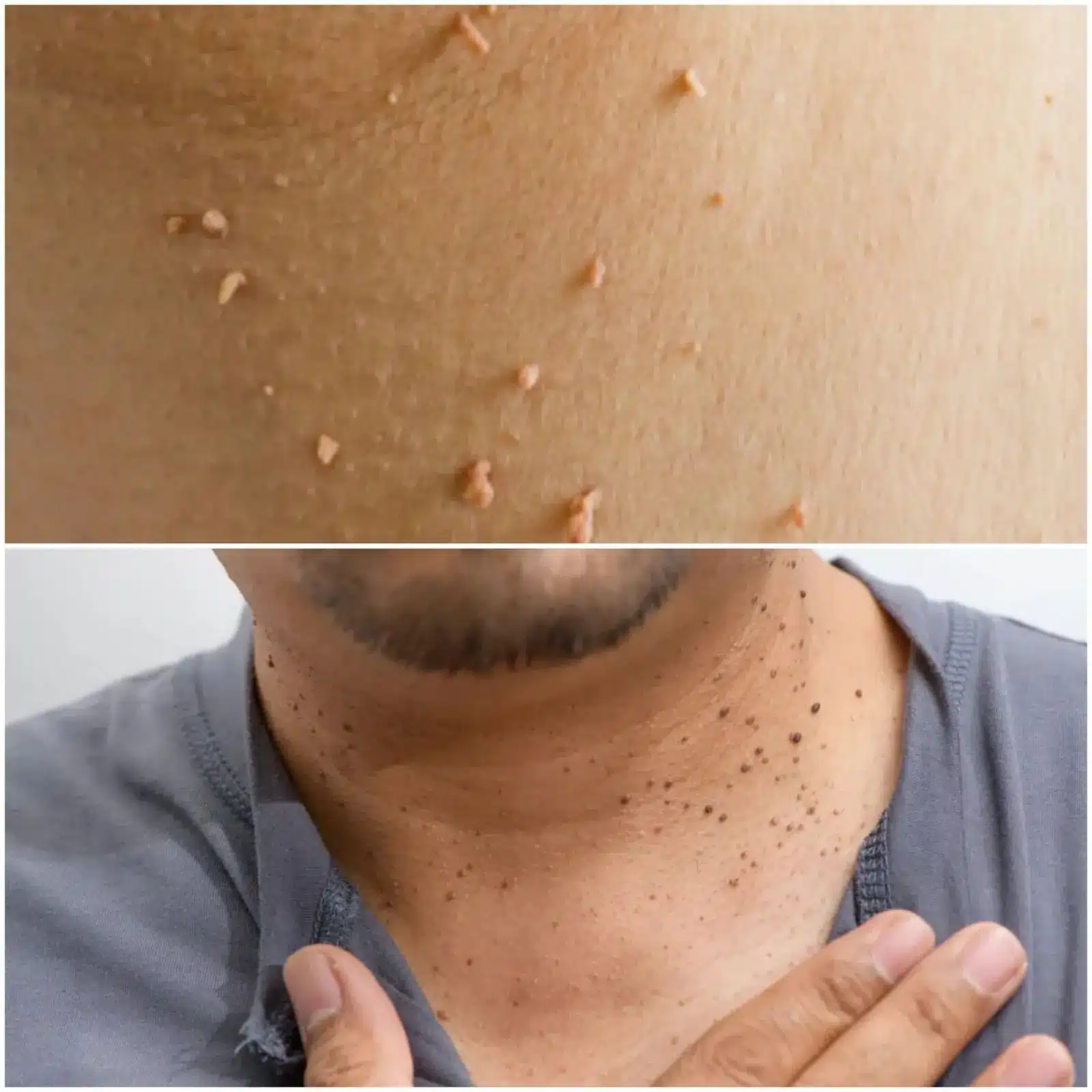
Before selecting a skin tag plantar wart treatment, it is vital to know exactly what you are dealing with. Although they both appear as protrusions on the skin, their biology is quite different. Skin tags, or acrochordons, are small, soft pieces of hanging skin that typically form in areas where skin rubs against skin or clothing, such as the neck, armpits, or groin. They are generally painless and are not contagious.
Plantar warts, on the other hand, are caused by the human papillomavirus (HPV) and specifically occur on the soles of the feet. Unlike skin tags, which hang away from the surface, plantar warts are often pushed inward by the pressure of walking, resulting in a flat, hard patch of skin that may have tiny black dots in the center. Because they are viral, they can spread to other parts of the foot or even to other people in shared damp environments like locker rooms or pool decks.
Why Proper Treatment Matters
Choosing the right path for removal is about more than just aesthetics. Here is why addressing these growths correctly is important for your long-term skin health:
- Pain Management: Plantar warts can make walking or running incredibly uncomfortable, feeling like a sharp pebble in your shoe.
- Preventing Spread: Because warts are viral, early at-home wart removal can prevent the infection from spreading to other toes or family members.
- Confidence: Removing visible skin tags can improve self-esteem and eliminate the irritation caused by jewelry or collars catching on the growth.
- Avoiding Infection: Attempting to “snip” or “pull” growths off at home without sterile tools can lead to significant bleeding and bacterial infections.
Over-the-Counter Options for At-Home Removal
For many people, the first line of defense is found at the local pharmacy. Many products are formulated to handle both types of growths, though the application methods vary. The most common active ingredient found in these kits is salicylic acid. Using salicylic acid for warts works by gradually dissolving the layers of the skin until the growth is gone.
Another popular option is cryotherapy kits. These products use a mixture of dimethyl ether and propane to “freeze” the growth. For a skin tag, this causes the tissue to die and eventually fall off within a week or two. For a plantar wart, the freezing process triggers an immune response that helps the body fight the underlying virus while destroying the affected skin cells. When using these kits, it is crucial to follow the instructions precisely to avoid damaging the healthy surrounding tissue.
Natural and Gentle Approaches
If you prefer a less aggressive skin tag plantar wart treatment, some people turn to home remedies, though these often take much longer to show results. Tea tree oil is frequently cited for its antiseptic and antiviral properties. Applying a small amount to a skin tag or wart several times a day may eventually cause it to dry out. Similarly, apple cider vinegar is a popular folk remedy used to acidify the area and encourage the growth to peel away.
It is important to note that while these methods are gentler, they are not always backed by clinical evidence. If a growth is persistent, painful, or appears to be changing color, it is time to move beyond home remedies and consult a healthcare professional. Benign skin growths should not bleed or itch excessively, so any of these symptoms should be evaluated immediately.
When to Consider Professional Removal
While many choose at-home wart removal, there are times when a doctor’s intervention is the safest and most effective route. If you have a large skin tag in a sensitive area like the eyelid, or if you have a cluster of plantar warts (known as mosaic warts), professional help is highly recommended. A dermatologist has access to stronger treatments that are not available over the counter.
Common clinical methods include cauterization, which uses heat to burn off the growth, or professional-grade cryotherapy using liquid nitrogen. For stubborn plantar warts, a doctor might also use laser therapy or even immunotherapy injections to help the body recognize and destroy the virus. Seeking professional skin tag removal ensures that the growth is removed entirely with minimal risk of scarring or recurrence.
Preventing Future Growths
Once you have successfully completed a skin tag plantar wart treatment, preventing their return is the next priority. To avoid plantar warts, always wear flip-flops in public showers or pool areas and keep your feet clean and dry. Since the virus thrives in moist environments, changing your socks frequently can make a big difference.
For skin tags, prevention is slightly more difficult since they are often related to genetics or friction. However, wearing loose-fitting clothing and using powders to reduce skin-on-skin friction in areas like the underarms can help. Maintaining a healthy weight may also reduce the frequency of skin tags, as they are sometimes associated with metabolic changes and skin folds.
Final Thoughts
Managing your skin health is a balance of patience and the right tools. Whether you opt for at-home wart removal using salicylic acid for warts or decide that professional skin tag removal is the better choice for your needs, the goal is the same: clear, comfortable skin. Always prioritize safety, avoid “bathroom surgery” at all costs, and don’t hesitate to reach out to a professional if you aren’t seeing the results you want or if a growth seems suspicious.
Frequently Asked Questions
Are skin tags and plantar warts contagious?
Plantar warts are contagious because they are caused by the HPV virus; they can spread through direct contact or shared surfaces. Skin tags, however, are not contagious. They are local growths caused by friction or genetics and cannot be passed from person to person or spread to other parts of your own body through contact.
Is salicylic acid for warts safe to use on skin tags?
While salicylic acid for warts is a common ingredient, you should be very careful when using it on skin tags. Warts are typically made of thick, callused skin, whereas skin tags are soft and often located in areas with thin, sensitive skin. Using a high-concentration acid on a skin tag can cause chemical burns if not applied with extreme precision.
Can I just cut off a skin tag at home?
It is strongly advised that you do not attempt to cut or snip off a skin tag at home. Even a small skin tag has a blood supply, and “bathroom surgery” can lead to significant bleeding that is difficult to stop. Furthermore, using non-sterile tools like scissors or nail clippers introduces a high risk of infection and scarring.
How long does at-home wart removal usually take?
Patience is key when dealing with at-home wart removal. Depending on the size and depth of the wart, topical treatments can take anywhere from a few weeks to several months to completely clear the growth. Freezing treatments may work faster, but they often require multiple applications spaced several weeks apart to reach the core of the wart.
Why do plantar warts have little black dots in them?
Those tiny black dots are often mistakenly called “seeds,” but they are actually small, clotted blood vessels. The wart growth stimulates the production of these vessels to supply itself with blood. Seeing these dots is a classic way to identify a plantar wart versus a common callus or a skin tag.
Skin Tags and Plantar Warts: Safe Home Care and Treatment Options

Learn how to safely manage and remove skin tags and plantar warts with these effective home care strategies and over-the-counter treatment options.
- 1 bottle Apple Cider Vinegar
- 1 bottle Tea Tree Oil
- 1 pack Cotton Swabs
- 1 roll Medical Tape
- 1 box Salicylic Acid Pads
- 1 Pumice Stone
- 1Wash the affected skin area with mild soap and warm water then pat dry.
- 2For plantar warts, soak in warm water for 10 minutes and use a pumice stone to gently exfoliate.
- 3Apply a drop of tea tree oil or apple cider vinegar to a cotton swab.
- 4Place the swab or a salicylic acid pad over the growth.
- 5Secure the treatment with medical tape and leave overnight.
- 6Consistency is key; repeat daily until the skin tag or wart is gone.
Keywords: skin tag removal, plantar wart treatment, home remedy, skin care, dermatology


