
12 Hidden Castor Leaf Benefits for Your Health

While most people are familiar with the thick, pale yellow oil derived from castor beans, the broad, star-shaped foliage of the plant often remains overlooked in Western wellness circles. Understanding the health benefits of castor leaves opens up a world of traditional topical applications and natural remedies that have been used for centuries across various cultures. These vibrant green leaves are packed with bioactive compounds that offer a unique approach to managing discomfort and supporting the body’s natural healing processes.
Exploring the potential of Ricinus communis leaves allows us to appreciate the plant beyond its industrial uses. From soothing localized inflammation to aiding in skin recovery, these leaves serve as a versatile tool in the herbalist’s toolkit. Whether you are curious about ancient folk medicine or simply looking for plant-based ways to support your well-being, the therapeutic profile of these leaves provides a fascinating look at nature’s pharmacy.
What Are Castor Leaves?
The castor plant, known scientifically as Ricinus communis, is a perennial shrub famous for its rapid growth and striking, palm-like leaves. While the seeds or “beans” are the source of the well-known castor oil, the leaves themselves contain a different concentration of phytochemicals, including flavonoids, saponins, and alkaloids. It is important to note that while the seeds contain the highly toxic protein ricin, the leaves contain significantly lower amounts, though they should still be handled with care and generally avoided for internal consumption without expert supervision.
In many tropical regions, these leaves are harvested fresh to create external treatments. Their primary appeal lies in their anti-inflammatory properties, which make them a popular choice for topical applications. Unlike the heavy, viscous oil, the leaves provide a more direct, breathable medium for traditional poultices and compresses intended to treat localized issues.
Potential Health Benefits of Castor Leaves
The health benefits of castor leaves are predominantly centered around their ability to modulate the body’s inflammatory response and protect the skin. Here are the most recognized ways these leaves have been used in traditional health practices:
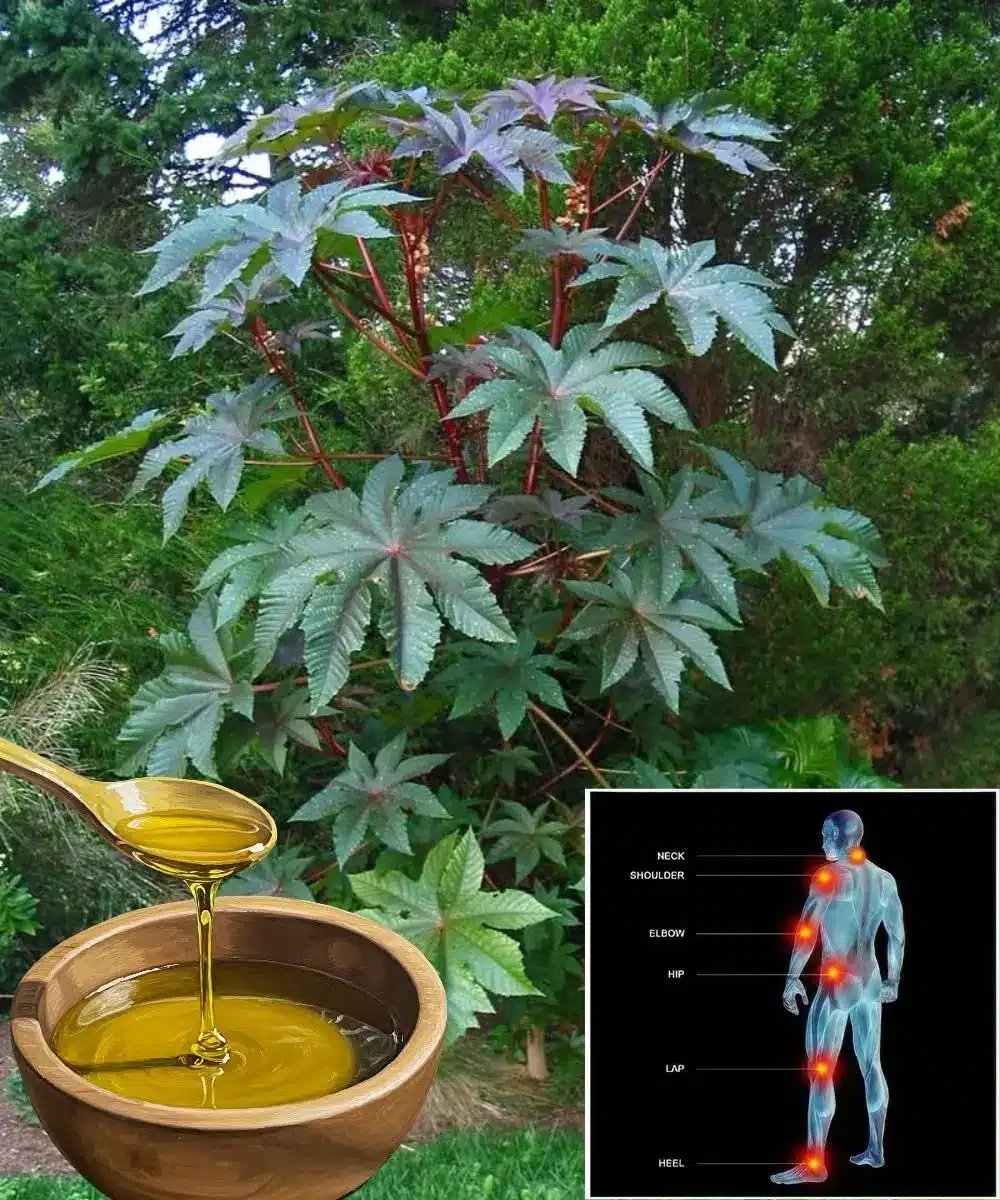
- Joint and Muscle Relief: One of the most common uses for castor leaves is as a natural remedy for joint pain. When warmed and applied to the skin, the leaves may help reduce swelling and ease the discomfort associated with arthritis or overworked muscles.
- Support for Skin Health: The leaves possess antimicrobial and antioxidant properties that support general skin health. They are often crushed into a paste to help soothe minor skin irritations, promote the healing of small wounds, and manage localized fungal concerns.
- Management of Localized Swelling: Due to their ability to stimulate lymphatic drainage when used as a compress, castor leaves are frequently applied to areas of edema or swollen glands to encourage fluid movement and reduce puffiness.
- Traditional Lactation Support: In some traditional systems, warmed castor leaves are applied topically to the breasts to help stimulate milk flow and alleviate the discomfort of engorgement, though this should always be discussed with a lactation consultant first.
Practical Ways to Use Castor Leaves
Because the health benefits of castor leaves are most safely accessed through external application, there are a few standard methods for preparing them at home. The most popular method is the “leaf poultice.” This involves taking a fresh, clean leaf, removing the tough central rib, and lightly warming it in a pan or with a hair dryer. Once the leaf is soft and warm (but not hot enough to burn), it is applied directly to the affected area, such as a sore knee or lower back, and secured with a soft cloth or bandage.
Another common approach is creating a castor leaf paste. By grinding fresh leaves with a small amount of water or a carrier oil, you create a thick green ointment. This paste can be applied to skin blemishes or areas of irritation. Many practitioners suggest leaving these applications in place for 20 to 30 minutes to allow the plant’s compounds to interact with the skin’s surface effectively.
Safety Cautions and Important Considerations
While the health benefits of castor leaves are impressive, safety must remain the priority. The castor plant is potent, and the following cautions should be observed:
External Use Only: It is strongly recommended that castor leaves be used only topically. Ingesting any part of the castor plant can be dangerous due to the presence of toxic compounds like ricinine. Always keep these leaves and seeds out of reach of children and pets.
Allergy Testing: Before applying a large leaf poultice or paste, perform a small patch test on your forearm. Wait 24 hours to ensure you do not have a localized allergic reaction or skin sensitivity to the plant’s juices.
Medical Consultation: If you are pregnant, nursing, or managing a chronic medical condition, consult a healthcare professional before using castor leaf treatments. This is especially important for lactation support or when using the leaves on sensitive areas of the body. Never use herbal remedies as a replacement for prescribed medical treatments for serious conditions.
Final Thoughts
The health benefits of castor leaves represent a bridge between ancient botanical wisdom and modern interest in natural wellness. While we often focus on the seeds of the plant, the foliage offers a gentle yet effective way to manage localized inflammation and support skin recovery. By using these leaves responsibly and focusing on topical applications, you can incorporate a time-honored natural remedy for joint pain and skin irritation into your self-care routine. Always remember that the power of plants lies in their respectful and informed use.
Frequently Asked Questions
Can I eat castor leaves if they are cooked?
No, you should not ingest castor leaves, even if they are cooked. While they contain less ricin than the seeds, they still contain toxic alkaloids like ricinine that can cause severe gastrointestinal distress and other health complications. Traditional uses are almost exclusively topical to ensure safety and avoid systemic toxicity.
Where can I find fresh castor leaves?
Castor plants grow as common weeds in many tropical and subtropical climates, including parts of the southern United States. They are also grown as ornamental plants in many gardens. If you are harvesting them yourself, ensure the area has not been sprayed with pesticides and that you have correctly identified the Ricinus communis leaves to avoid confusion with other species.
How long should I leave a castor leaf poultice on my skin?
Most traditional practices recommend leaving a warmed castor leaf poultice on the skin for about 20 to 60 minutes. Some people choose to leave it on overnight for deep-seated joint discomfort, but it is important to ensure the leaf is secured comfortably and that you do not experience any skin irritation during the process.
Are castor leaves the same as castor oil?
While they come from the same plant, they are not the same. Castor oil is an oil extracted from the seeds, whereas the leaves are the foliage of the plant. The oil is much more concentrated and is used both topically and (rarely) internally as a laxative. The leaves are primarily used fresh or as a paste for their specific anti-inflammatory properties in topical applications.
Can castor leaves help with headaches?
In some folk medicine traditions, a fresh castor leaf poultice is applied to the forehead or temples to help soothe tension headaches. The cooling sensation of the leaf, combined with its natural compounds, may provide temporary relief from the pressure, though it is not a substitute for identifying the underlying cause of chronic headaches.
12 Hidden Castor Leaf Benefits for Your Health (Medicinal Infusion)

Unlock the therapeutic potential of castor leaves with this gentle herbal infusion. Known for its anti-inflammatory and detoxifying properties, this preparation helps harness natural health benefits safely and effectively.
- 1 medium-sized fresh castor leaf (thoroughly cleaned)
- 2 cups purified water
- 1 slice of organic lemon
- 1 teaspoon raw honey (optional)
- 1Thoroughly rinse the castor leaf under cool running water to remove any dust or impurities.
- 2Bring the 2 cups of water to a rolling boil in a small stainless steel pot.
- 3Add the cleaned castor leaf to the boiling water and immediately reduce the heat to a low simmer.
- 4Simmer the leaf for approximately 5 minutes, then turn off the heat.
- 5Cover the pot and allow the mixture to steep for an additional 5 minutes to fully extract the beneficial compounds.
- 6Strain the liquid through a fine-mesh sieve into a mug, discarding the leaf.
- 7Add a slice of lemon and honey if desired and serve while warm.
Keywords: castor leaf tea, castor leaf benefits, medicinal infusion, herbal remedies, natural anti-inflammatory


