
How Your Feet Are Warning You About Liver Problems: What You Need to Know

The human body often communicates internal distress through subtle outward signals, and the feet are frequently the first place where underlying health issues manifest. While we often associate the liver with digestive health or detoxification, it plays a critical role in circulatory and metabolic balance that impacts the entire body. When this vital organ begins to struggle, the extremities—particularly the lower legs and feet—often show the first visible indicators. Understanding liver disease symptoms in feet is essential for early detection, as these signs can appear long before more recognizable symptoms like jaundice or severe abdominal pain take hold.
Identifying these changes early can be a proactive step in managing your overall liver health. Many people dismiss foot swelling or skin changes as simple fatigue or localized skin issues, but when these symptoms persist, they may point toward a deeper systemic problem. By paying close attention to the texture, color, and comfort of your feet, you can gain valuable insights into how well your liver is filtering toxins and managing blood flow throughout your vascular system.
Recognizing Common Liver Disease Symptoms in Feet
The liver is responsible for producing proteins that keep fluid in the bloodstream and for filtering out waste products that can irritate the skin. When the liver is compromised, these processes break down, leading to several distinct physical changes in the lower extremities. If you notice a combination of these signs, it is important to consider them within the broader context of your wellness rather than as isolated foot problems.
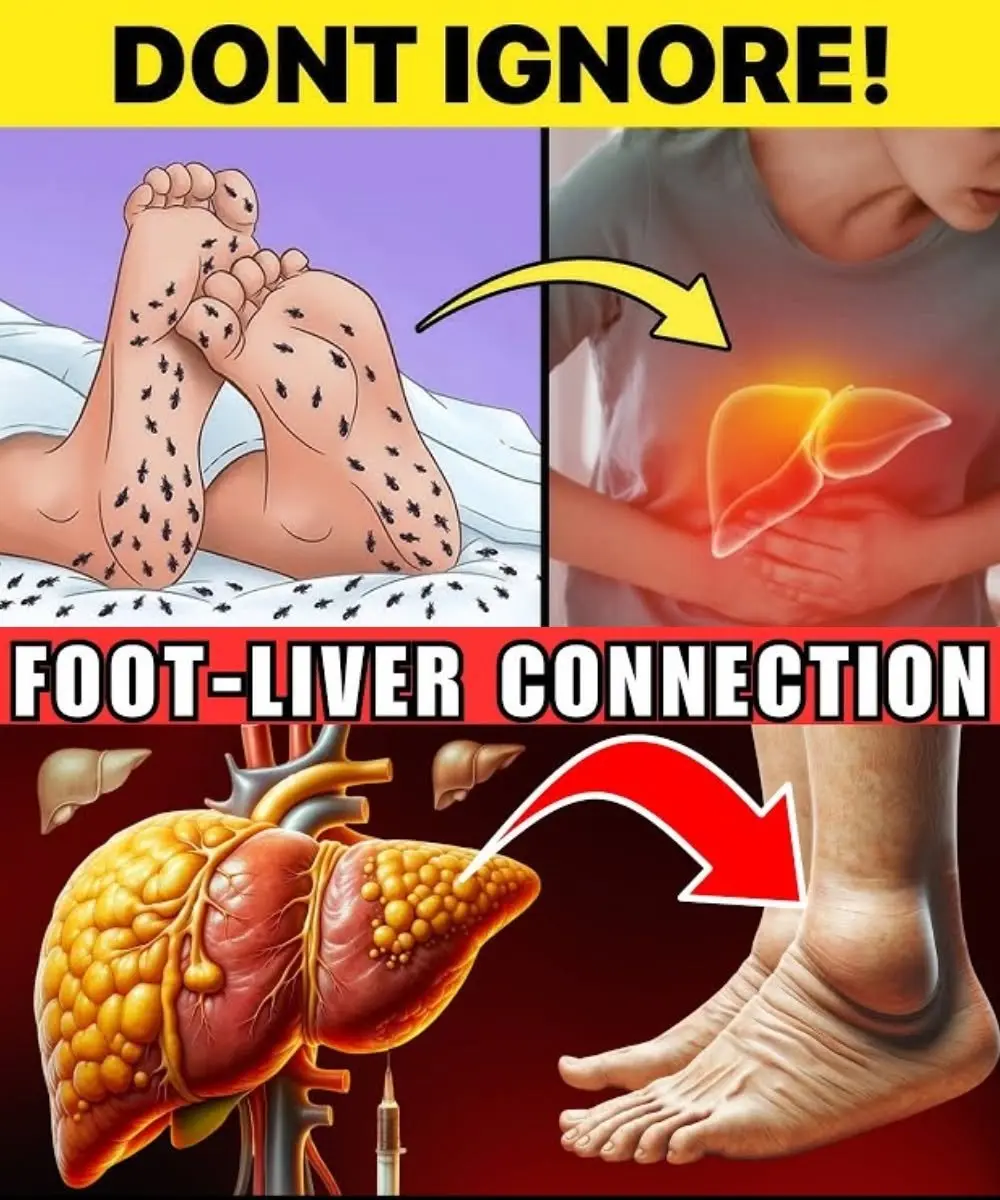
- Peripheral Edema: This is perhaps the most frequent indicator, characterized by visible fluid retention in the ankles and feet.
- Pruritus (Itching): Chronic itching that is particularly intense on the soles of the feet can be caused by the buildup of bile salts when the liver cannot process them correctly.
- Spider Angiomas: Small, spider-like red spots or broken capillaries can appear on the surface of the skin due to hormonal imbalances caused by chronic liver disease.
- Palmar Erythema (on Soles): While usually associated with the palms of the hands, a similar reddening can sometimes occur on the soles of the feet.
- Nail Changes: Brittle nails or the appearance of “Terry’s nails”—where the nail looks white except for a narrow pink band at the tip—can signal liver distress.
Swelling and Peripheral Edema
One of the hallmark signs of a struggling liver is peripheral edema. This occurs when the liver fails to produce enough albumin, a protein that prevents fluid from leaking out of the blood vessels into the surrounding tissues. Without sufficient albumin, gravity pulls this excess fluid toward the lowest point of the body, resulting in swollen feet and ankles. You might notice that your shoes feel tighter at the end of the day or that pressing your thumb into your skin leaves a temporary indentation, a condition known as pitting edema.
Intense Itching on the Soles
While many people experience dry skin or occasional itching, liver-related itching is often deep and persistent. It typically affects the soles of the feet and the palms of the hands more intensely than other areas. This sensation is often caused by cholestasis, a condition where bile flow from the liver is reduced or blocked. The resulting buildup of bile acids in the bloodstream can irritate nerve endings under the skin, leading to an itch that topical lotions rarely soothe.
Skin Discoloration and Red Spots
Advanced chronic liver disease can cause the skin on the feet to change in appearance. Beyond the well-known yellowing of jaundice, you may see small, red, pin-like spots or larger “spider nevi.” These occur because the liver is no longer able to metabolize estrogen properly, leading to the dilation of small blood vessels near the skin’s surface. Additionally, some individuals may notice dark, brownish-purple spots (hyperpigmentation) that develop due to poor circulation and chronic inflammation in the lower legs.
Why the Liver Affects the Lower Extremities
The connection between the liver and the feet is largely rooted in the vascular system. The liver processes nearly all the blood returning from the lower half of the body through the portal vein. When liver tissue becomes scarred—a condition known as cirrhosis—the blood cannot flow through the liver easily. This creates “back pressure” in the veins of the legs, leading to fluid retention and visible changes in skin health. This pressure, combined with the liver’s inability to synthesize essential proteins, creates a perfect storm for foot-related symptoms.
Furthermore, the liver acts as a primary filtration system. When it is sluggish, metabolic byproducts and toxins circulate longer in the bloodstream than they should. These substances can cause inflammatory responses in the small vessels and nerves of the feet, resulting in sensations of heat, tingling, or even “burning feet” syndrome. This systemic inflammation is why liver disease symptoms in feet are often multifaceted, involving both the skin and the vascular structure.
Practical Ways to Support Liver Health
While foot symptoms can be concerning, there are several lifestyle adjustments that may support your liver’s natural detoxification processes and improve circulation in your legs. It is important to remember that these steps are supportive and do not replace professional medical guidance, especially if you have an existing diagnosis.
- Stay Hydrated: Drinking adequate water helps the kidneys assist the liver in flushing out waste products.
- Reduce Sodium Intake: Lowering salt consumption is one of the most effective ways to manage fluid retention and ease the pressure on your circulatory system.
- Elevate Your Feet: Regularly raising your feet above the level of your heart can help gravity move fluid back toward the center of the body.
- Moderate Alcohol Consumption: Reducing or eliminating alcohol is the single most impactful change you can make to protect your liver from further damage.
- Anti-Inflammatory Diet: Focus on whole foods, including leafy greens, cruciferous vegetables, and healthy fats, which may support the liver’s regenerative abilities.
Important Cautions and Limitations
It is crucial to distinguish between general wellness information and a medical diagnosis. Not all foot swelling or itching is a sign of chronic liver disease; these symptoms can also be caused by heart issues, kidney disease, localized infections, or simple allergies. If you are experiencing persistent swelling, unexplained skin changes, or intense itching that disrupts your sleep, you should consult a qualified healthcare professional. They can perform necessary blood tests, such as liver function tests (LFTs), and imaging to determine the exact cause of your symptoms.
Do not attempt to treat suspected liver issues with high-dose supplements or “detox” kits without medical supervision, as some herbs and concentrated extracts can actually put more strain on a compromised liver. Always discuss any significant changes in your diet or supplement routine with your doctor, particularly if you are pregnant, nursing, or taking maintenance medications for other chronic conditions.
Final Thoughts
The feet serve as a unique window into the body’s internal state, often reflecting the health of the liver before other major signs emerge. By staying observant of changes like fluid retention, persistent itching, or unusual skin spots, you can take a more active role in your long-term wellness. Supporting your liver health through mindful nutrition, hydration, and regular medical checkups is one of the best ways to ensure your body continues to filter and flourish. If you suspect your feet are trying to tell you something about your liver, listen closely and seek a professional evaluation to stay on the path of health and vitality.
Frequently Asked Questions
Why does liver disease cause my feet to itch so badly at night?
Liver-related itching, or pruritus, often worsens at night because the body’s circadian rhythm can increase the perception of itch, and bile salt levels may fluctuate. When the liver isn’t processing bile properly, these salts accumulate under the skin. Because the soles of the feet have a high density of nerve endings, the sensation of itching can feel particularly intense and disruptive in that area.
Is foot swelling always a sign of chronic liver disease?
No, foot swelling is a common symptom with many possible causes. While it is one of the major liver disease symptoms in feet due to fluid retention, it can also be caused by heart failure, kidney issues, long periods of standing, pregnancy, or certain medications. However, if the swelling is accompanied by other signs like fatigue, dark urine, or abdominal bloating, it is important to have your liver function checked by a doctor.
Can red spots on my feet really be related to my liver?
Yes, small red spots known as spider angiomas or petechiae can sometimes indicate liver distress. When the liver is damaged, it can lead to hormonal imbalances or blood clotting issues that affect the small blood vessels near the skin’s surface. While these spots can be harmless, their sudden appearance on the feet or legs is worth mentioning to a healthcare provider during your next visit.
Will my foot symptoms go away if my liver health improves?
In many cases, symptoms like peripheral edema and itching can improve significantly if the underlying liver condition is managed or treated. By reducing salt intake, avoiding alcohol, and following a medical treatment plan, the liver may regain some of its ability to regulate proteins and filter bile, which directly reduces the symptoms manifested in the feet. However, the degree of recovery depends on the stage of the disease.
What is the fastest way to reduce foot swelling from fluid retention?
While managing the root cause is essential, the fastest temporary relief for fluid retention often comes from elevating the feet above the heart, wearing graduated compression stockings, and significantly reducing salt intake. These actions help move the fluid out of the tissues and back into the circulatory system. However, these are management strategies, not cures, and should be done in conjunction with medical advice.
How Your Feet Are Warning You About Liver Problems: Liver Support Juice

Swelling, redness, or itching in the feet can often be the first signs of liver congestion. This nutrient-dense juice is formulated with ingredients known to support liver detoxification and improve systemic circulation.
- 1 medium organic beet, peeled and sliced
- 2 large carrots, washed and trimmed
- 1 inch fresh ginger root, peeled
- 1 green apple, cored
- 1/2 lemon, juiced
- 1Prepare: Wash all produce thoroughly under cold running water. Peel the beet and ginger to ensure the best flavor.
- 2Juice: Pass the beet, carrots, ginger, and apple through a centrifugal or masticating juicer.
- 3Combine: Stir in the freshly squeezed lemon juice to add a boost of Vitamin C and acidity.
- 4Serve: Pour into a glass and consume immediately for the highest concentration of live enzymes.
Keywords: liver health, foot swelling, liver detox, beet juice, health signs, liver warning signs


