
Aloe Vera for Varicose Veins: What It Can and Cannot Do

Living with the heavy, aching sensation of enlarged veins can be a daily challenge that many Americans face. While clinical treatments are often the first line of defense, many people find themselves looking toward the garden for natural leg care that offers a sense of comfort. Using aloe vera for varicose veins has become a popular ritual for those seeking to soothe the skin and reduce the visible redness and swelling associated with this common circulatory concern. The thick, succulent gel of the aloe plant is famous for its cooling properties, making it an inviting option for tired legs that feel overheated at the end of a long day.
The appeal of this botanical remedy lies in its unique combination of hydrating polysaccharides and anti-inflammatory compounds. While it may not physically “erase” a damaged vein, the experience of applying a chilled aloe gel can provide immediate soothing inflammation relief. This localized approach helps to hydrate the skin, which can often become dry, thin, or itchy in areas where venous insufficiency is present. By focusing on skin health and topical comfort, aloe vera acts as a gentle companion to more traditional compression and lifestyle adjustments.
Understanding Why Aloe Vera Matters for Leg Comfort
To understand why so many people reach for this plant, it helps to look at what happens beneath the skin. Varicose veins occur when the tiny valves in our veins weaken, allowing blood to pool instead of flowing efficiently back to the heart. This can lead to a feeling of heaviness and the appearance of bulging, blue, or purple lines. Using aloe vera for varicose veins targets the topical discomfort that accompanies this internal pressure.
- Anti-Inflammatory Properties: Aloe contains salicylic acid and other compounds that help reduce the heat and redness often felt around spider veins and larger varicosities.
- Deep Hydration: Chronic swelling can stretch the skin, leading to irritation. Aloe penetrates deeply to keep the skin barrier resilient and supple.
- Improved Circulation via Massage: The act of applying the gel involves a gentle upward massage, which may support better blood flow in the superficial vessels.
- Cooling Sensation: The natural “ice-pack” effect of the gel provides a welcome break from the “burning” sensation often reported by those with leg vein issues.
The Science of Soothing: How Aloe Interacts with Your Skin
The clear gel found inside an aloe leaf is roughly 99% water, but the remaining 1% is a powerhouse of vitamins, minerals, and enzymes. For those dealing with venous insufficiency, the most important components are the acemannan and glucomannan. These plant sugars are associated with skin repair and the stimulation of collagen production. When the skin over a varicose vein is healthy and firm, it can provide better external support for the tissues underneath.
Furthermore, aloe vera is a natural vasodilator when applied topically, meaning it may help to temporarily widen small blood vessels and improve localized oxygenation. This doesn’t mean it will fix a faulty valve, but it can help the surrounding skin look more vibrant and feel less congested. Integrating aloe vera for varicose veins into a nightly routine is a low-risk way to manage the daily symptoms of leg fatigue without relying solely on heavy creams or medications.
Practical Ways to Use Aloe Vera for Leg Relief
Applying aloe vera is most effective when it is part of a consistent natural leg care routine. While you can use store-bought gels, many enthusiasts prefer the purity of a fresh plant. If you are using a bottled product, ensure it is 100% pure aloe vera and free from artificial dyes or alcohol, which can actually dry out the skin and worsen itching.
The Chilled Massage Technique
One of the most effective ways to use aloe vera for varicose veins is to keep your gel in the refrigerator. The cold temperature provides an immediate vasoconstrictive effect, which helps to temporarily tighten the skin and reduce the throbbing sensation. Apply a generous amount to your fingertips and use long, gentle strokes starting from the ankles and moving up toward the knees and thighs. Never press directly or forcefully on a bulging vein; instead, work around the area to encourage fluid movement.
The Vinegar and Carrot Compress
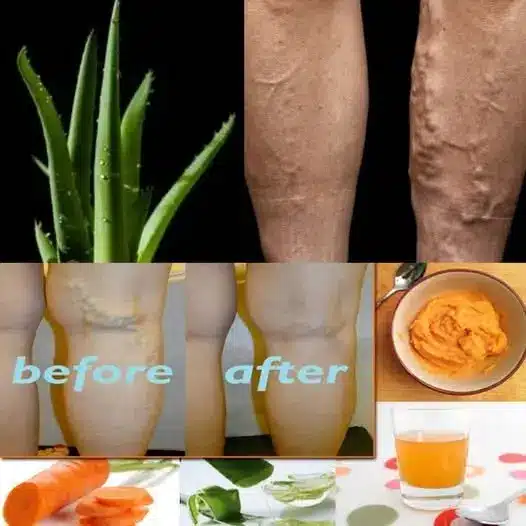
A popular traditional remedy involves blending fresh aloe vera gel with finely grated carrots and a splash of apple cider vinegar. This mixture is applied as a mask to the legs and left for about 20 to 30 minutes while the legs are elevated. The carrots provide antioxidants, while the vinegar is often used to help “shrink” the appearance of spider veins through its astringent properties. When combined with the soothing base of aloe, this compress offers a comprehensive topical treatment.
Important Cautions and Limitations
While aloe vera for varicose veins is generally safe for most people, it is important to remember that it is a topical support and not a medical cure. Varicose veins are a structural issue within the vascular system. Aloe vera cannot repair a damaged valve or cause a significantly protruding vein to disappear. It is best used as a tool for soothing inflammation and improving skin texture rather than as a standalone treatment for underlying venous insufficiency.
Always perform a patch test on a small area of skin before applying aloe vera to your entire leg, especially if you have sensitive skin or allergies to plants in the lily family. If you experience severe pain, sudden swelling, skin ulcers, or your veins become red and hot to the touch, you should consult a healthcare professional immediately. These can be signs of more serious conditions like deep vein thrombosis or phlebitis that require clinical intervention.
Final Thoughts
Incorporating aloe vera for varicose veins into your wellness toolkit is a simple, affordable, and refreshing way to prioritize your leg health. By addressing the topical symptoms of soothing inflammation and skin dryness, you can find significant relief from the daily discomforts of heavy legs. When paired with elevation, regular movement, and proper hydration, this natural leg care staple helps you take a proactive role in your comfort. While it may not be a miracle cure, the cooling touch of aloe is a timeless remedy for those seeking a more comfortable, active lifestyle.
Frequently Asked Questions
How often should I apply aloe vera to my legs?
For the best results, you can apply aloe vera twice daily—once in the morning to hydrate the skin and once in the evening to soothe any swelling that has built up throughout the day. Consistency is key when using natural leg care to manage the symptoms of venous insufficiency. Nighttime application is particularly beneficial as it can be combined with leg elevation to maximize the drainage of pooled blood.
Can aloe vera make spider veins disappear?
Aloe vera is excellent for soothing inflammation and improving the overall appearance of the skin, which can make spider veins look less prominent. However, it does not remove them. Spider veins are tiny broken capillaries or permanently dilated vessels. While aloe improves skin health, clinical treatments like sclerotherapy or laser therapy are usually required to make them disappear entirely.
Is fresh aloe better than store-bought gel?
Fresh aloe gel directly from the leaf is often considered superior because it contains the highest concentration of active enzymes and nutrients without preservatives. However, high-quality, 100% pure bottled gel is a convenient alternative. If you choose a store-bought version, avoid products with “fragrance” or “triethanolamine,” as these can irritate the delicate skin often found near varicose veins.
Should I massage my varicose veins directly with the gel?
When using aloe vera for varicose veins, you should use very light, gentle pressure. You want to avoid putting heavy pressure directly on a protruding vein, as this could be painful or potentially cause bruising. Focus on a “milking” motion, moving from the ankle toward the heart. This helps move stagnant blood and lymph fluid without traumatizing the vessel walls.
Can I use aloe vera if I wear compression stockings?
Yes, you can use aloe vera, but you must ensure the gel is completely absorbed and the skin is dry before putting on your compression stockings. Moisture trapped under the fabric can lead to skin maceration or fungal issues. Applying the gel at night after you have removed your stockings is often the most practical way to enjoy the benefits of aloe vera for varicose veins.
Aloe Vera Treatment for Varicose Veins

A soothing natural compress made with fresh aloe vera gel, apple cider vinegar, and carrots to help alleviate the discomfort associated with varicose veins and improve circulation. While it cannot cure the underlying condition, it provides significant relief from swelling and heaviness.
- 1 large fresh Aloe Vera leaf (gel extracted)
- 1/2 cup finely grated carrot
- 3 tablespoons Apple Cider Vinegar
- 1Carefully slice the aloe vera leaf lengthwise and scoop out the clear gel into a small mixing bowl.
- 2Combine the fresh aloe gel with the finely grated carrot and apple cider vinegar.
- 3Place the ingredients into a blender and pulse until the mixture reaches a smooth, paste-like consistency.
- 4Apply the paste generously over the areas of your legs affected by varicose veins.
- 5Elevate your legs and allow the mixture to sit for 30 minutes to maximize absorption.
- 6Rinse the area thoroughly with lukewarm water and pat dry with a soft towel.
Keywords: aloe vera, varicose veins, home remedy, leg health, natural treatment, swelling relief


