
Toothpaste, Salt and Lemon: A Natural DIY for a Brighter Smile

Achieving a brighter, more radiant smile is a common goal for many, but the high cost and potential sensitivity associated with professional treatments often lead people to seek out alternative solutions. Using natural teeth whitening home remedies has become an increasingly popular way to brighten your smile without relying on harsh chemicals or expensive dental office visits. These methods focus on removing surface stains and improving overall oral hygiene using simple ingredients found in most kitchen pantries, offering a more accessible approach to dental aesthetics.
While natural approaches can be highly effective for maintenance and mild discoloration, it is important to understand how they interact with your tooth enamel. By combining consistent oral care with at-home teeth whitening techniques, you can gently remove surface stains caused by coffee, tea, or food over time. This guide explores the most reliable methods to enhance your smile naturally while prioritizing the long-term health of your teeth and gums.
Why Natural Whitening Is a Great Option
Choosing a natural approach to dental care offers several advantages beyond just aesthetics. For those with sensitive teeth, traditional bleaching agents can often cause significant discomfort, making natural teeth whitening home remedies a much more comfortable alternative.
- Cost-Effectiveness: Most natural remedies use affordable household staples like baking soda or coconut oil, saving you hundreds of dollars compared to professional kits.
- Reduced Chemical Exposure: By using organic and food-grade ingredients, you avoid the synthetic dyes and concentrated peroxides found in many commercial products.
- Holistic Benefits: Many natural methods, such as oil pulling, not only help brighten your smile but also support gum health and reduce oral bacteria.
- Convenience: These treatments can be easily integrated into your daily morning or evening routine without the need for specialized equipment.
The Most Effective Natural Whitening Methods
There are several tried-and-true methods for whitening teeth at home. Each works through a different mechanism—some through mild abrasion, others through chemical reactions with stains, and some through biological cleansing. Understanding how these natural teeth whitening home remedies work will help you choose the best one for your needs.
Oil Pulling with Coconut Oil
Oil pulling is an ancient Ayurvedic practice that involves swishing oil in your mouth to remove bacteria and debris. Coconut oil is the preferred choice because it is high in lauric acid, which is known for its ability to reduce inflammation and kill bacteria. While it doesn’t “bleach” the teeth in the traditional sense, it helps remove surface stains and plaque, making the teeth appear cleaner and brighter over time. To practice this, swish a tablespoon of organic coconut oil in your mouth for 15 to 20 minutes before spitting it into a trash can (to avoid clogging pipes) and rinsing thoroughly.
Brushing with Baking Soda
Baking soda, or sodium bicarbonate, is one of the most well-researched at-home teeth whitening ingredients. It acts as a very mild abrasive that can scrub away stains on the surface of the teeth. Furthermore, baking soda creates an alkaline environment in your mouth, which prevents the growth of stain-causing bacteria. To use it safely and ensure enamel-safe whitening, mix a small amount of baking soda with water to create a paste and brush gently once or twice a week. It is important not to over-use it, as excessive abrasion can eventually wear down the enamel.
Hydrogen Peroxide Rinses
Hydrogen peroxide is a natural bleaching agent that is actually used in most commercial whitening products, albeit at much higher concentrations. Using a diluted 1.5% or 3% solution as a mouthwash can help brighten your smile by oxidizing the organic compounds that cause staining. Many people find success by mixing equal parts water and 3% hydrogen peroxide for a 30-second rinse. Always ensure you rinse with plain water afterward to remove any remaining peroxide from the gums.
Using Fruit Enzymes
Certain fruits contain enzymes that may help combat tooth discoloration. Papain, found in papayas, and bromelain, found in pineapples, have been studied for their ability to break down the protein film that accumulates on teeth, which often traps stains. While eating these fruits is healthy, some specialized natural toothpastes include these concentrated enzymes to provide a gentle, non-abrasive whitening effect.
Daily Habits to Maintain a Bright Smile
The best way to whiten teeth is to prevent stains from forming in the first place. Consistency in your daily habits will amplify the results of any natural teeth whitening home remedies you choose to use. Since enamel is porous, it easily absorbs pigments from the things we consume.
Managing your intake of “staining” agents is key. Beverages like black coffee, red wine, and dark sodas are the primary culprits. If you do indulge, try drinking through a straw to bypass the front teeth, or rinse your mouth with water immediately afterward. Additionally, increasing your consumption of “scrubbing” foods—like apples, celery, and carrots—can naturally clean your teeth as you chew, stimulating saliva production which neutralizes acids and protects the enamel.
Important Cautions and Safety Considerations
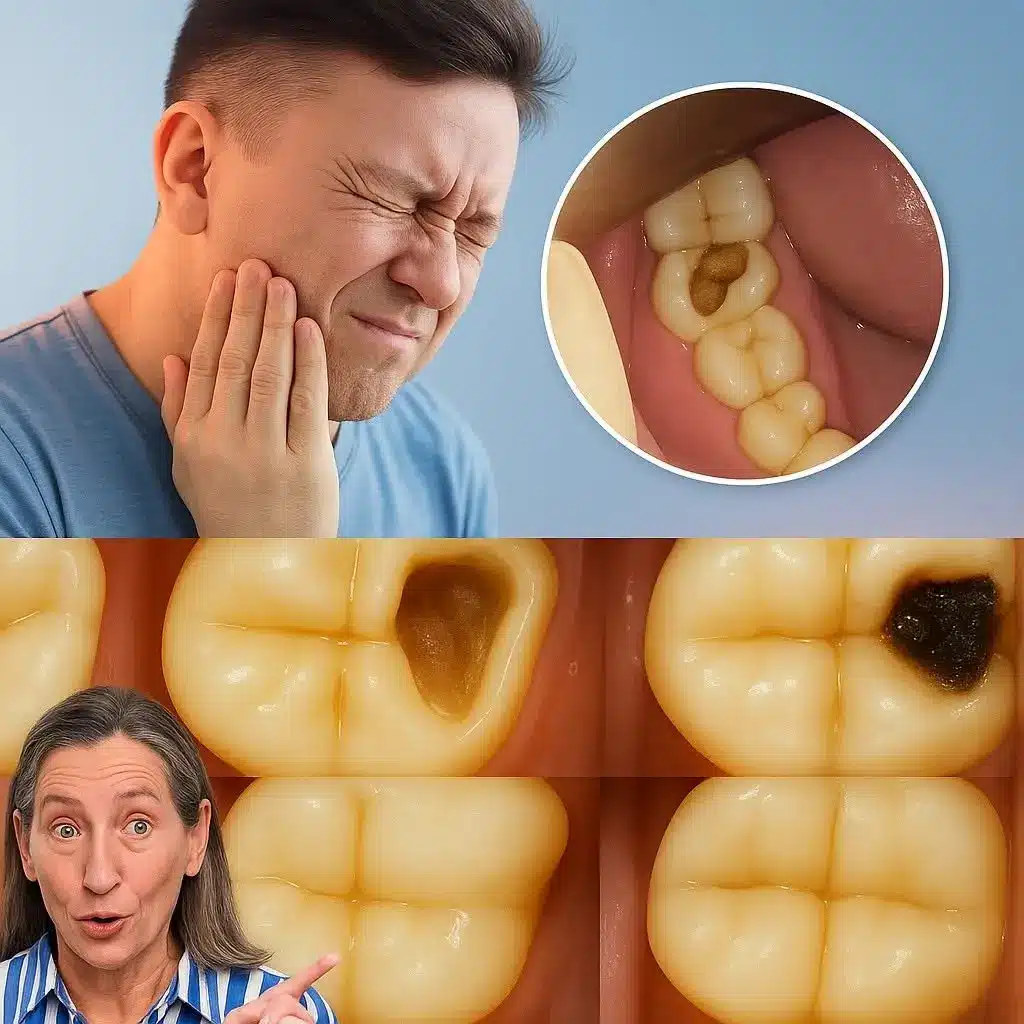
While the appeal of at-home teeth whitening is strong, safety should always be the priority. Natural does not always mean harmless if used incorrectly. Acids, in particular, are a major concern in the world of DIY dentistry. For example, using lemon juice or undiluted apple cider vinegar can be highly damaging because the acid dissolves the calcium in your teeth, leading to permanent enamel erosion and increased sensitivity.
Before starting any new regimen of natural teeth whitening home remedies, it is wise to consult with a dental professional, especially if you have existing cavities, gum disease, or dental work like crowns and veneers. Natural remedies generally only work on natural tooth structure and will not change the color of porcelain or composite materials. Furthermore, if you experience sudden tooth pain or gum irritation, stop the treatment immediately and allow your mouth to recover.
Final Thoughts
Embracing natural teeth whitening home remedies is a journey of patience and consistency. Unlike chemical treatments that offer instant (and sometimes painful) results, natural methods work gradually to remove surface stains and improve the overall environment of your mouth. By combining methods like oil pulling and baking soda with a diet low in staining foods, you can achieve a noticeably brighten your smile in a way that feels healthy and sustainable. Remember that the healthiest smile is one that is well-maintained through regular brushing, flossing, and professional check-ups.
Frequently Asked Questions
How long does it take to see results with natural whitening?
Because these methods are much gentler than clinical bleaching, results are rarely overnight. Most people using natural teeth whitening home remedies consistently will begin to notice a difference in the brightness and clarity of their teeth within two to four weeks. The key is regular application and maintaining good oral hygiene habits alongside the treatments.
Is baking soda safe for my tooth enamel?
Yes, baking soda is considered an enamel-safe whitening agent when used correctly. On the Relative Dentin Abrasivity (RDA) scale, baking soda ranks quite low, meaning it is less abrasive than many commercial whitening toothpastes. However, you should still avoid brushing too hard and limit its use to once or twice a week to ensure you don’t thin the enamel over many years.
Can I use apple cider vinegar to whiten my teeth?
While apple cider vinegar has antibacterial properties and can remove surface stains, it is extremely acidic. Frequent exposure can soften tooth enamel, leading to decay and sensitivity. If you choose to use it, it must be significantly diluted, used only occasionally, and followed by a thorough rinse with plain water to neutralize the acid immediately.
Do natural remedies work on dental crowns or veneers?
Most at-home teeth whitening methods, whether natural or chemical, are designed to work on natural tooth enamel. They generally do not change the color of restorative materials like porcelain crowns, bridges, or composite fillings. If your natural teeth brighten while your crowns stay the same, it may result in an uneven look, so it’s best to discuss your goals with a dentist.
How often should I practice oil pulling?
Oil pulling is safe enough to be done every day. Many people find that doing it first thing in the morning on an empty stomach yields the best results for both oral freshness and helping to brighten your smile. If 20 minutes feels too long, start with just 5 minutes and gradually work your way up as you become accustomed to the sensation.
Toothpaste, Salt and Lemon: A Natural DIY for a Brighter Smile

This natural DIY teeth whitening treatment designed to help lift surface stains and brighten your smile using simple pantry ingredients.
- 1 tablespoon white toothpaste
- 1/2 teaspoon fine sea salt
- 1/2 teaspoon fresh lemon juice
- 1In a small dish, combine the white toothpaste and fine sea salt.
- 2Mix in the fresh lemon juice until a smooth paste is formed.
- 3Apply the mixture to your toothbrush and brush gently for 1-2 minutes.
- 4Rinse your mouth thoroughly with water until all residue is removed.
Keywords: DIY teeth whitening, natural brightener, dental care, home remedies


