
If you have these 9 symptoms in your feet, it’s a sign that

Your feet are often the furthest thing from your mind, tucked away in socks and shoes for most of the day. However, these hardworking extremities are much more than just the foundation for your body; they act as a sensitive early-warning system for your internal wellbeing. Because they are located at the very end of your circulatory and nervous systems, your feet are frequently the first place where foot symptoms indicating health issues become visible, reflecting changes in blood flow or nerve function long before they manifest elsewhere.
Understanding these subtle shifts in color, temperature, and sensation is a vital part of proactive wellness. While many minor aches or calluses are simply the result of a long day on your feet or poorly fitting shoes, other persistent changes can point toward systemic health concerns that deserve professional attention. By learning to “read” your feet, you can gain a deeper understanding of your circulatory health and overall vitality, ensuring that you address potential problems at the earliest possible stage.
The Connection Between Feet and Overall Wellness
The feet contain a complex network of 26 bones, 33 joints, and over a hundred muscles, tendons, and ligaments. Beyond this structural complexity, they are heavily populated with blood vessels and nerves. This high density of biological infrastructure makes them highly susceptible to changes in your body’s internal environment. When your heart is working harder to pump blood or when your blood sugar levels fluctuate, the impact is often felt first in the toes and heels.
Many doctors view the feet as a window into a patient’s vascular and neurological health. For instance, because the blood has to travel the farthest to reach your toes, any decline in poor circulation will likely show up there first. Similarly, the long nerves that reach the feet are often the first to be affected by metabolic changes. Recognizing foot symptoms indicating health issues is not about self-diagnosis, but about becoming an informed advocate for your own body.
Common Symptoms to Watch For
While everyone experiences occasional foot discomfort, certain patterns should prompt a closer look. These symptoms are often more than just a nuisance; they are signals that your body is trying to communicate something important about your internal state.
- Persistent Coldness: While many people naturally have colder extremities, feet that are constantly icy regardless of the ambient temperature may suggest circulatory problems. This can sometimes be associated with a sluggish thyroid or arterial issues that restrict blood flow.
- Swelling (Edema): Occasional swelling after a long flight or high-sodium meal is common. However, chronic swelling in the feet and ankles that leaves an indentation when pressed can be linked to heart, kidney, or liver function, as the body struggles to manage fluid balance.
- Changes in Skin Color: Feet that frequently turn blue, purple, or unnaturally pale when exposed to cold or stress might indicate issues with small blood vessel spasms. Conversely, redness or warmth that doesn’t go away could signal an inflammatory response or localized infection.
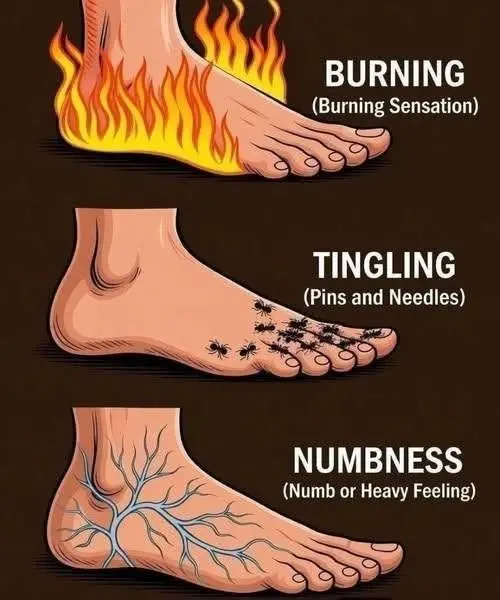
- Tingling or Numbness: A “pins and needles” sensation that persists even when you aren’t sitting on your foot is a classic sign of nerve damage or peripheral neuropathy. This is a common early indicator of how the body is processing glucose.
- Slow-Healing Sores: If a small cut or blister on your foot takes weeks to heal, it is often a sign of compromised circulation or an immune system that is under significant stress. This is one of the most critical foot symptoms indicating health issues to monitor.
Understanding the Role of Circulation and Nerves
Most foot-related health indicators fall into two primary categories: vascular (blood flow) and neurological (nerve function). When the blood vessels that lead to the feet become narrowed or hardened, the skin may appear thin and shiny, and hair growth on the toes might stop entirely. These are subtle cues that the extremities aren’t receiving the oxygen and nutrients they need to thrive.
On the neurological side, the feet rely on constant communication with the brain to maintain balance and detect injury. When these signals are interrupted, you might experience burning sensations or a loss of feeling altogether. Maintaining foot health is as much about protecting these delicate pathways as it is about bone and muscle strength. Catching these changes early can often lead to lifestyle adjustments that support better long-term outcomes.
Practical Tips for Foot Care and Observation
Integrating a foot check into your daily routine is one of the simplest ways to stay ahead of potential issues. Just as you might monitor your blood pressure or skin for changes, a quick daily inspection of your feet can provide peace of mind and valuable data for your next checkup.
The Daily Inspection
Take a few moments each evening to look at the tops and bottoms of your feet. Use a mirror if necessary to see your heels and soles. Look for new cracks in the skin, changes in nail color or thickness, and any areas of unusual redness. Noticing these shifts early allows you to distinguish between a simple dry skin issue and something that might require a consultation with a podiatrist or primary care physician.
Choosing the Right Foundation
The shoes you wear play a massive role in how your feet feel and function. Avoid shoes that are too narrow in the toe box, which can compress nerves and lead to lasting numbness. Proper arch support helps distribute your weight evenly, preventing the localized pressure that leads to ulcers or severe calluses. Remember that foot size can change slightly as we age, so getting professionally measured every few years is a smart move for maintaining systemic health.
Hydration and Nutrition
What you put into your body reflects in your extremities. Staying well-hydrated helps maintain skin elasticity, preventing the deep cracks that can lead to infection. Furthermore, a diet rich in anti-inflammatory foods can support better blood flow and nerve health. Magnesium-rich foods, for example, may help reduce the frequency of foot cramps, while B vitamins are essential for maintaining the myelin sheath that protects your nerves.
Important Cautions and Limitations
While being observant is helpful, it is important to remember that foot symptoms are rarely enough to provide a complete medical picture on their own. Many of the foot symptoms indicating health issues mentioned above can be caused by various factors, ranging from benign lifestyle habits to more complex conditions. This information is intended for educational purposes and should not be used to self-diagnose or delay seeking professional medical advice.
If you experience sudden, severe pain, a foot that is hot to the touch and red, or a wound that appears infected, seek medical attention immediately. Always consult with a qualified healthcare professional before making significant changes to your health regimen, especially if you have pre-existing conditions like diabetes or heart disease. Pregnant individuals should be particularly mindful of sudden swelling, which warrants a quick call to their provider.
Final Thoughts
Our feet are remarkable structures that carry us through life, yet they are often the most neglected part of our anatomy. By paying attention to foot symptoms indicating health issues, you are practicing a form of deep listening to your body’s internal needs. Whether it’s a change in temperature, a new sensation of tingling, or a persistent area of swelling, these signals are invitations to check in on your foot health and overall vitality. Taking small, proactive steps today—like wearing supportive shoes and performing daily checks—can lead to a much more comfortable and healthy tomorrow.
Frequently Asked Questions
Why are my feet always cold even when it’s warm outside?
Persistent coldness in the feet is often associated with poor circulation, meaning the heart is struggling to get enough blood to the furthest parts of the body. It can also be a sign of an underactive thyroid or even anemia. If your feet stay cold regardless of the environment or warm socks, it is worth discussing with a doctor to rule out any underlying vascular or hormonal issues.
Is it normal for my feet to swell at the end of the day?
Mild swelling can be a normal reaction to standing for long periods, hot weather, or a high-salt meal. However, if the swelling is persistent, occurs in only one leg, or is accompanied by other symptoms like shortness of breath, it could indicate circulatory problems or issues with your heart or kidneys. Elevating your feet can help with minor swelling, but chronic edema should be evaluated by a professional.
What does a burning sensation in the feet mean?
A burning sensation is frequently linked to nerve damage, also known as neuropathy. This occurs when the nerves are damaged or overactive, sending false pain signals to the brain. While it can sometimes be caused by a vitamin deficiency or even tight shoes, it is a hallmark symptom of how the body handles blood sugar over time. Persistent burning should always be investigated to protect long-term nerve function.
Can my toenails really show signs of health problems?
Yes, your toenails can provide several clues about your systemic health. Thick, yellowed nails might indicate a fungal infection, while small pits or indentations can sometimes be associated with skin conditions like psoriasis. Extremely pale or spoon-shaped nails might be a sign of iron deficiency. Paying attention to changes in nail texture and color is a simple way to monitor your internal nutritional balance.
When should I see a doctor about my foot symptoms?
You should consult a healthcare provider if you notice foot symptoms indicating health issues that are persistent, worsening, or interfering with your daily life. Specific “red flags” include sores that won’t heal, unexplained numbness, significant changes in skin color, or pain that prevents you from walking. Early intervention is key to managing many conditions that first manifest in the feet.
The 9-Symptom Foot Health Revitalizer

A restorative treatment designed to address common foot concerns and symptoms of fatigue through a natural soak.
- 1 cup Epsom salt
- 1/2 cup warm apple cider vinegar
- 5 drops lavender essential oil
- 4 liters warm water
- 1Fill a large basin with warm water to cover the ankles.
- 2Stir in the Epsom salt until fully dissolved.
- 3Add the apple cider vinegar and lavender oil for extra relief.
- 4Soak feet for 15 to 20 minutes to alleviate symptoms.
- 5Pat dry and apply a natural moisturizer.
Keywords: foot care, wellness, Epsom salt soak, home treatment


