
Cloves for Skin Tags and Warts: What to Know Before Trying It

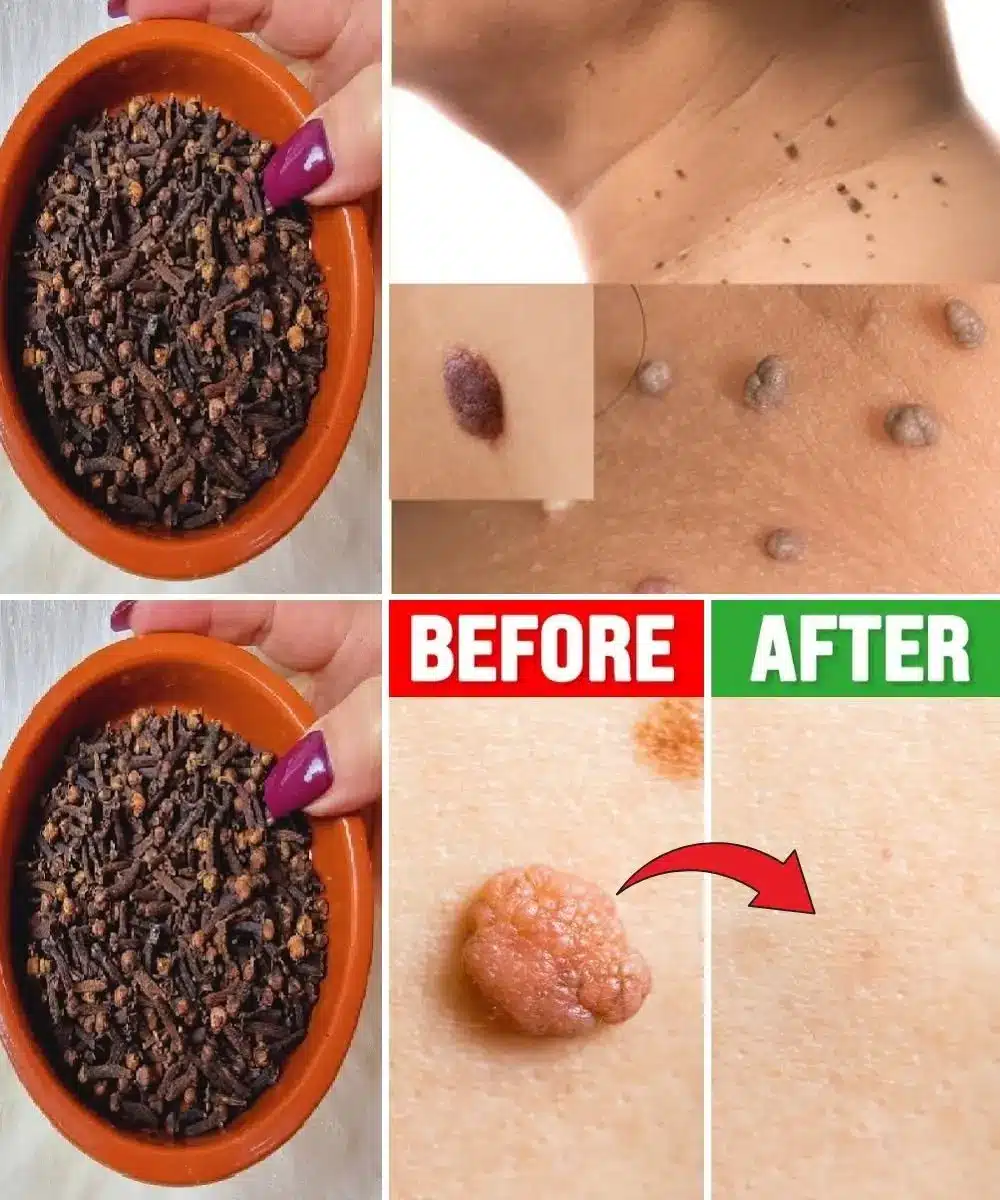
Skin tags, those small, fleshy growths that often appear in areas where skin rubs against skin or clothing, are a common occurrence for many adults. While these growths are typically benign and painless, they can become a source of cosmetic frustration or physical irritation if they snag on jewelry or fabric. Because professional dermatological procedures can sometimes be costly or time-consuming, many people are turning to home-based solutions, and **clove oil skin tag removal** has emerged as a popular topic of interest within the natural wellness community.
Clove oil is a potent essential oil derived from the aromatic flower buds of the clove tree. Known for its high concentration of eugenol, a compound with significant antiseptic and drying properties, it is often used in traditional practices to address various skin imperfections. This article will explore the science behind using clove oil, how to apply it safely to avoid irritation, and the essential precautions you should take when considering **natural skin tag remedies** as part of your personal care routine.
Why People Choose Clove Oil for Skin Tags
The appeal of using essential oils for skin concerns often lies in their accessibility and the ability to manage minor issues from the comfort of home. Clove oil, in particular, is favored for several reasons:
- Natural Drying Properties: Clove oil is highly concentrated and can act as a powerful desiccant, which is the primary mechanism people look for when attempting to dry out a skin tag.
- Potent Antiseptic Action: The high eugenol content provides a natural way to keep the skin area clean during the application process, reducing the risk of minor surface infections.
- Cost-Effectiveness: Compared to clinical liquid nitrogen treatments or surgical snips, a small bottle of clove oil is an affordable investment that lasts for a significant amount of time.
- Minimal Equipment Needed: Beyond the oil itself and a carrier oil, you only need basic household items like cotton swabs and adhesive bandages to begin a home-care regimen.
Understanding the Power of Clove Oil
To understand why clove oil is considered for skin tag management, one must look at its chemical composition. The **benefits of clove oil for skin** primarily stem from eugenol, which makes up a vast majority of the oil’s profile. In the world of aromatherapy and natural health, eugenol is prized for its ability to numb tissues slightly while simultaneously working as a strong antimicrobial agent. When applied to a skin tag, the oil is believed to penetrate the outer layers of the growth, eventually causing it to dry up and lose its blood supply.
It is important to recognize that clove oil is significantly more “hot” or pungent than milder oils like lavender or chamomile. This means that while it is effective, it also carries a higher risk of causing a chemical burn if used incorrectly. The goal of using clove oil on a skin tag is to target the growth itself without damaging the healthy, surrounding skin. This requires a balanced approach of precision and patience, as the process is rarely instantaneous and typically takes several days or weeks of consistent application.
Practical Guidance for Home Application
If you decide to move forward with clove oil, the most critical step is proper dilution. Never apply undiluted clove oil directly to your skin, as the intensity can lead to immediate redness, peeling, or even blistering. To ensure a **safe skin tag treatment**, follow these practical steps for preparation and application.
Selecting a Carrier Oil
A carrier oil is used to “carry” the essential oil into the skin while buffering its intensity. Good choices include fractionated coconut oil, jojoba oil, or sweet almond oil. A common dilution ratio for targeted skin tag application is roughly one to two drops of clove oil per teaspoon of carrier oil. This allows the eugenol to work on the tag while providing a protective barrier for the surrounding tissue.
The Application Process
Before applying the mixture, wash the area with mild soap and water and pat it completely dry. Use a clean cotton swab to dip into your diluted oil mixture and carefully dab only the skin tag itself. To further protect the healthy skin around the tag, some people apply a thin layer of petroleum jelly around the base of the tag before using the clove oil. This prevents the oil from spreading to areas where it isn’t needed.
Consistency and Protection
After applying the oil, you may choose to cover the tag with a small adhesive bandage. This helps keep the oil in contact with the growth and prevents it from rubbing off on your clothes. Most anecdotal evidence suggests applying the mixture twice a day—once in the morning and once before bed. If you notice any significant pain, spreading redness, or swelling, you should stop the application immediately and wash the area thoroughly.
Important Safety Precautions
While natural remedies can be effective, they are not without risks. Because clove oil is a dermal irritant, there are specific scenarios where it should be avoided entirely. Understanding these boundaries is the most important part of managing your skin health at home.
Areas to Avoid
Never use clove oil on skin tags located in sensitive areas, such as on the eyelids, near the eyes, on the genitals, or inside the mouth. The skin in these areas is incredibly thin and mucosal membranes are highly reactive to eugenol. Accidental contact with the eyes can cause severe irritation and requires immediate medical attention.
Perform a Patch Test
Before targeting a skin tag, perform a patch test on a small, inconspicuous area of skin, such as the inside of your forearm. Apply a small amount of your diluted mixture and wait 24 hours. If you experience any itching, hives, or intense burning, your skin may be too sensitive for clove oil, even when diluted.
When to See a Professional
It is vital to distinguish a common skin tag from other skin growths. If a growth is changing color, bleeding, has irregular borders, or is growing rapidly, do not attempt home removal. These could be signs of a more serious condition that requires a diagnosis from a board-certified dermatologist. Additionally, if you have underlying conditions like diabetes or poor circulation, professional removal is always recommended to avoid complications with wound healing.
Final Thoughts
Exploring **clove oil skin tag removal** can be a rewarding way to take a natural approach to your skincare routine. By leveraging the drying and antiseptic properties of eugenol, many find that they can successfully manage small, non-sensitive skin tags without the need for clinical intervention. However, the key to success lies in dilution, precision, and a high degree of caution. Always prioritize the health of your skin over the speed of the results, and never hesitate to consult a healthcare professional if a growth looks suspicious or if your skin reacts poorly to the treatment.
Frequently Asked Questions
How long does it take for a skin tag to fall off using clove oil?
The timeline for **natural skin tag remedies** like clove oil varies significantly depending on the size of the tag and the consistency of application. Generally, it can take anywhere from one to three weeks. You will typically notice the tag becoming darker and shriveled before it eventually detaches. If there is no change after several weeks, the growth may be too large or stubborn for home treatment.
Does applying clove oil to a skin tag hurt?
When properly diluted, you might feel a mild tingling or a slight warming sensation, which is a normal reaction to the eugenol. However, it should not cause sharp pain or an intense burning sensation. If you experience significant discomfort, it usually means the oil is not diluted enough or your skin is particularly sensitive to that specific essential oil.
Can I use clove oil for skin tags during pregnancy?
Pregnant individuals should always consult with their healthcare provider before using essential oils like clove oil. Some oils are considered too potent during pregnancy, and the skin can also become more sensitive to irritants during this time. A doctor can help determine if a **safe skin tag treatment** involves clove oil or if it’s better to wait until after delivery.
What should I do if the skin around the tag gets red?
If the surrounding skin becomes red or irritated, stop the application immediately. This is usually a sign that the oil has spread beyond the tag or that the concentration is too high. Wash the area with cool water and a gentle cleanser, and apply a soothing, fragrance-free moisturizer or aloe vera gel to help the skin recover before attempting any further treatment.
Is clove oil better than tea tree oil for skin tags?
Both clove oil and tea tree oil are popular for this purpose, but they work slightly differently. Clove oil is generally considered “stronger” and more of a desiccant due to the eugenol, while tea tree oil is well-known for its broad-spectrum antimicrobial properties. Some people find that clove oil works faster for drying, but it also carries a higher risk of irritation compared to tea tree oil.
Cloves for Skin Tags and Warts: Natural Home Remedy

Learn how to safely use clove essential oil to address skin tags and warts at home. This natural remedy leverages the potent properties of eugenol found in cloves.
- 1 teaspoon Organic coconut oil
- 2 drops Clove essential oil
- Sterile cotton swabs
- Small adhesive bandages
- 1Clean the target area with mild soap and water then pat dry.
- 2Dilute the clove essential oil into the coconut oil in a small glass container.
- 3Dip a cotton swab into the mixture and apply it precisely to the skin tag or wart.
- 4Cover the growth with a bandage to ensure the oil remains in contact with the skin.
- 5Repeat the application twice daily until the skin tag or wart eventually falls off.
Keywords: cloves, clove oil, skin tags, warts, natural remedies, skin care


