
Moringa Benefits, Nutrition, and Everyday Uses

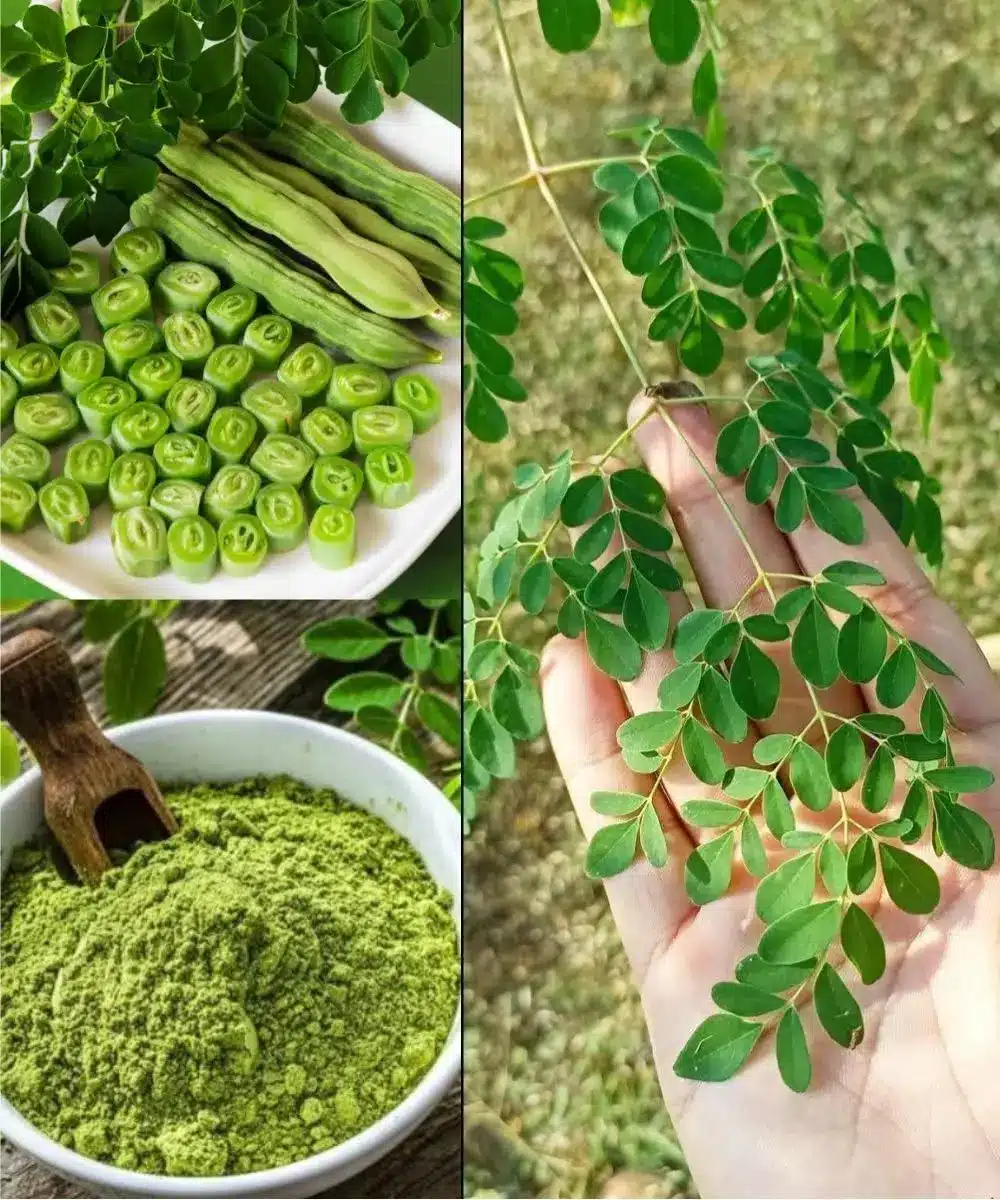
Discovering a nutrient-dense superfood that can seamlessly fit into your daily routine is a game-changer for many health-conscious individuals. Often referred to as the “Miracle Tree” or “Drumstick Tree,” Moringa oleifera has been used for centuries in traditional medicine across South Asia and Africa. Today, it has taken the American wellness scene by storm, prized for its concentrated vitamin profile and earthy, vibrant flavor that reminds many of a cross between matcha and fresh spinach. Whether you are looking to boost your morning smoothie or find a natural way to support your overall vitality, understanding moringa health benefits and uses is the first step toward incorporating this ancient plant into your modern lifestyle.
While moringa might seem like just another trend, its reputation is backed by a dense nutritional profile that includes a surprising amount of vitamins, minerals, and plant-based protein. Unlike many other plants, almost every part of the moringa tree is edible, though the leaves are most commonly dried and ground into a fine powder for easy consumption. This versatility makes it an approachable addition to your wellness routine, offering a convenient way to bridge nutritional gaps without requiring a total dietary overhaul. In this guide, we will explore exactly what makes this plant so special and how you can start using it safely and effectively at home.
What Is Moringa and Why Is It Popular?
Moringa oleifera is a fast-growing, drought-resistant tree native to the Himalayan foothills of India. It has earned its “miracle” nickname because of its ability to thrive in poor soil conditions while providing a staggering amount of nutrition. In many parts of the world, it serves as a vital tool for combating malnutrition because the leaves contain significant amounts of Vitamin A, Vitamin C, calcium, potassium, and iron. For the American consumer, it is primarily available as a bright green powder, capsules, or tea, making it a shelf-stable powerhouse for any pantry.
The popularity of moringa has grown alongside the rise of plant-forward diets. Because it contains all nine essential amino acids, it is considered a complete plant-based protein, which is relatively rare in the plant kingdom. This makes it particularly attractive to vegans and vegetarians. Beyond its protein content, moringa is celebrated for its high concentration of polyphenols and isothiocyanates, which are compounds that help the body manage oxidative stress. Its flavor is distinctly “green”—earthy, slightly peppery, and subtly sweet—allowing it to blend well with both savory and sweet ingredients.
Top Moringa Health Benefits and Uses
When discussing moringa health benefits and uses, it is important to look at the wide range of physiological systems this plant may support. From skin health to metabolic function, the potential applications are vast. Here are some of the most notable benefits associated with this nutrient-dense superfood:
- Rich in Antioxidants: Moringa is packed with antioxidant properties, including quercetin and chlorogenic acid. These compounds may help protect cells from damage caused by free radicals, which are often linked to aging and chronic stress.
- Supports Healthy Inflammation Levels: The leaves contain isothiocyanates, which are the main anti-inflammatory compounds found in the plant. Reducing systemic inflammation is a key component of maintaining long-term joint and heart health.
- Nutrient Density: Ounce for ounce, dried moringa leaves provide significantly more Vitamin C than oranges and more Vitamin A than carrots. This makes it a fantastic tool for supporting the immune system and vision.
- Blood Sugar Management: Some studies suggest that certain proteins found in moringa may help the body process sugar more effectively, which may support healthy blood glucose levels when used as part of a balanced diet.
- Cholesterol Support: Both animal and human studies have indicated that moringa may have cholesterol-lowering effects similar to other fiber-rich plant foods like flaxseeds and oats.
How to Incorporate Moringa Into Your Diet
The most common way to enjoy moringa health benefits and uses is through moringa leaf powder. Because the flavor is quite potent, a little goes a long way. If you are new to the taste, start with half a teaspoon and gradually work your way up to a full teaspoon once your palate adjusts. It is best to avoid cooking moringa at extremely high temperatures for long periods, as excessive heat can diminish some of its delicate vitamin content.
One of the easiest ways to use the powder is by whisking it into liquids. It behaves much like matcha; you can create a “moringa latte” by mixing the powder with warm almond or oat milk and a touch of honey. Alternatively, it can be stirred into savory dishes like lentil soups, stews, or even pesto. The earthy flavor complements garlic and lemon beautifully, making it an excellent “secret ingredient” in salad dressings or sprinkled over roasted vegetables.
Practical Ideas for Your Wellness Routine
If you aren’t a fan of the powder’s texture, moringa tea is a fantastic alternative. You can find pre-packaged tea bags or use dried loose leaves to steep a refreshing beverage. Moringa tea is naturally caffeine-free, making it a great option for an evening wellness routine. For those who are always on the go, moringa capsules offer the benefits without the taste, though you lose the culinary versatility of the powder.
Another emerging use for this plant is moringa seed oil, also known as Ben oil. While not for eating in the same way as the powder, the oil is highly valued in the skincare world. It is incredibly stable and resistant to rancidity, providing a lightweight, moisturizing barrier for the skin. Whether you are consuming it or applying it topically, the antioxidant properties of the plant remain its strongest selling point.
Important Cautions and Safety
While moringa is generally considered safe for most people when the leaves or seeds are consumed in food amounts, there are important caveats to keep in mind. The roots and root extracts should be avoided, as they may contain certain alkaloids that can be toxic. Additionally, because moringa may affect blood sugar and blood pressure, those taking medications for diabetes or hypertension should consult with a healthcare professional before adding a concentrated moringa supplement to their diet.
Pregnant women should exercise particular caution. Some traditional uses of moringa roots and bark are associated with uterine contractions, so it is best to stick to the leaves in moderate culinary amounts or avoid it altogether during pregnancy unless cleared by a doctor. As with any potent nutrient-dense superfood, the key is moderation and listening to your body’s response.
Final Thoughts
Embracing moringa health benefits and uses is an excellent way to diversify your nutrient intake and explore the world of functional foods. Its combination of antioxidant properties, essential vitamins, and plant-based protein makes it one of the most well-rounded supplements available today. Whether you choose to blend it into your morning smoothie, steep it into a calming tea, or stir it into a savory soup, moringa offers a simple, natural way to support your body’s resilience. By starting slow and choosing high-quality, organic sources, you can safely enjoy everything this remarkable “miracle tree” has to offer.
Frequently Asked Questions
What does moringa taste like?
Moringa has a flavor profile that is often described as earthy, grassy, and slightly peppery. It is very similar to matcha green tea or a concentrated version of spinach. Because of this “green” flavor, it pairs exceptionally well with bright flavors like lemon, ginger, and apple, or earthy bases like lentils and nut milks.
Can I cook with moringa powder?
Yes, you can cook with it, but it is best to add it toward the end of the cooking process. High, sustained heat can break down the Vitamin C and other delicate nutrients found in the powder. Stirring it into a finished soup, sauce, or batter ensures you get the most nutritional value while still enjoying its unique flavor.
Is moringa better than matcha?
Both are excellent superfoods, but they serve different purposes. Matcha is prized for its caffeine content and specific antioxidants called catechins. Moringa is caffeine-free and typically has higher levels of Vitamin A, Vitamin C, and fiber. Many people choose to use both in their wellness routine depending on their energy needs for the day.
Are there any side effects to taking moringa?
When consumed in normal food amounts, side effects are rare. However, taking very large doses of the powder on an empty stomach may cause a mild laxative effect or upset stomach in some individuals. It is always best to start with a small amount (1/2 teaspoon) and ensure you are using a product derived only from the leaves, not the roots.
How should I store moringa powder to keep it fresh?
Like most dried greens and spices, moringa powder is sensitive to light, heat, and moisture. To preserve its antioxidant properties and vibrant green color, store it in an airtight container in a cool, dark place, such as a pantry or cupboard. If stored properly, it can maintain its potency for six months to a year.
Nutrient-Dense Moringa Roasted Root Vegetables

Moringa oleifera is a powerful superfood with numerous health benefits, including high levels of antioxidants and vitamins. This recipe incorporates moringa powder into a savory roasted vegetable dish, making it easy to enjoy the nutrition of "the miracle tree" every day.
- 2 large sweet potatoes, peeled and cubed
- 3 large carrots, sliced into rounds
- 2 tablespoons olive oil
- 1 tablespoon organic moringa powder
- 1 teaspoon garlic powder
- 1/2 teaspoon sea salt
- 1/4 teaspoon ground black pepper
- 1Preheat your oven to 400°F (200°C) and line a baking sheet with parchment paper.
- 2In a large mixing bowl, combine the cubed sweet potatoes and sliced carrots.
- 3Drizzle with olive oil and sprinkle with garlic powder, salt, and pepper. Toss until evenly coated.
- 4Spread the vegetables in a single layer on the prepared baking sheet.
- 5Bake for 25 to 30 minutes, or until the vegetables are tender and golden brown.
- 6Remove from the oven and, while still hot, sprinkle the moringa powder over the vegetables. Toss well to ensure an even coating before serving.
Keywords: moringa benefits, nutrition, superfood recipes, healthy dinner, vegetarian, roasted vegetables


