
From Head to Toe: Learn to Recognize All the Signs of Diabetes

Understanding the early warning signs of diabetes is a vital step toward long-term wellness. For many, the onset of blood sugar issues is not a sudden event but rather a gradual shift that the body signals through subtle, often overlooked changes. Recognizing these signals early can be the difference between proactive management and reactive treatment, allowing you to take control of your metabolic health before more significant complications arise.
Identifying these indicators requires paying close attention to your daily energy levels, physical sensations, and even your mood. While some symptoms may feel like minor inconveniences, they are often the body’s way of communicating that its blood glucose management systems are under strain. By staying informed and observant, you can facilitate more productive conversations with your healthcare provider and prioritize your long-term vitality.
Why Early Awareness Is Essential
Catching metabolic changes in their infancy is one of the most effective ways to support your body’s natural functions. When you identify prediabetes symptoms or early markers of high blood sugar, you gain the opportunity to implement lifestyle adjustments that can significantly impact your future health. Here is why staying vigilant is so beneficial:
- Proactive Prevention: Recognizing signs early allows for interventions that may slow or even halt the progression of metabolic conditions.
- Better Energy Management: Addressing blood sugar fluctuations helps stabilize daily energy levels, reducing the “crashes” associated with glucose spikes.
- Reduced Long-Term Risk: Early management is closely associated with a lower type 2 diabetes risk and fewer related health complications.
- Peace of Mind: Understanding what your body is telling you reduces the anxiety of the unknown and empowers you to make informed dietary and lifestyle choices.
Common Early Warning Signs of Diabetes
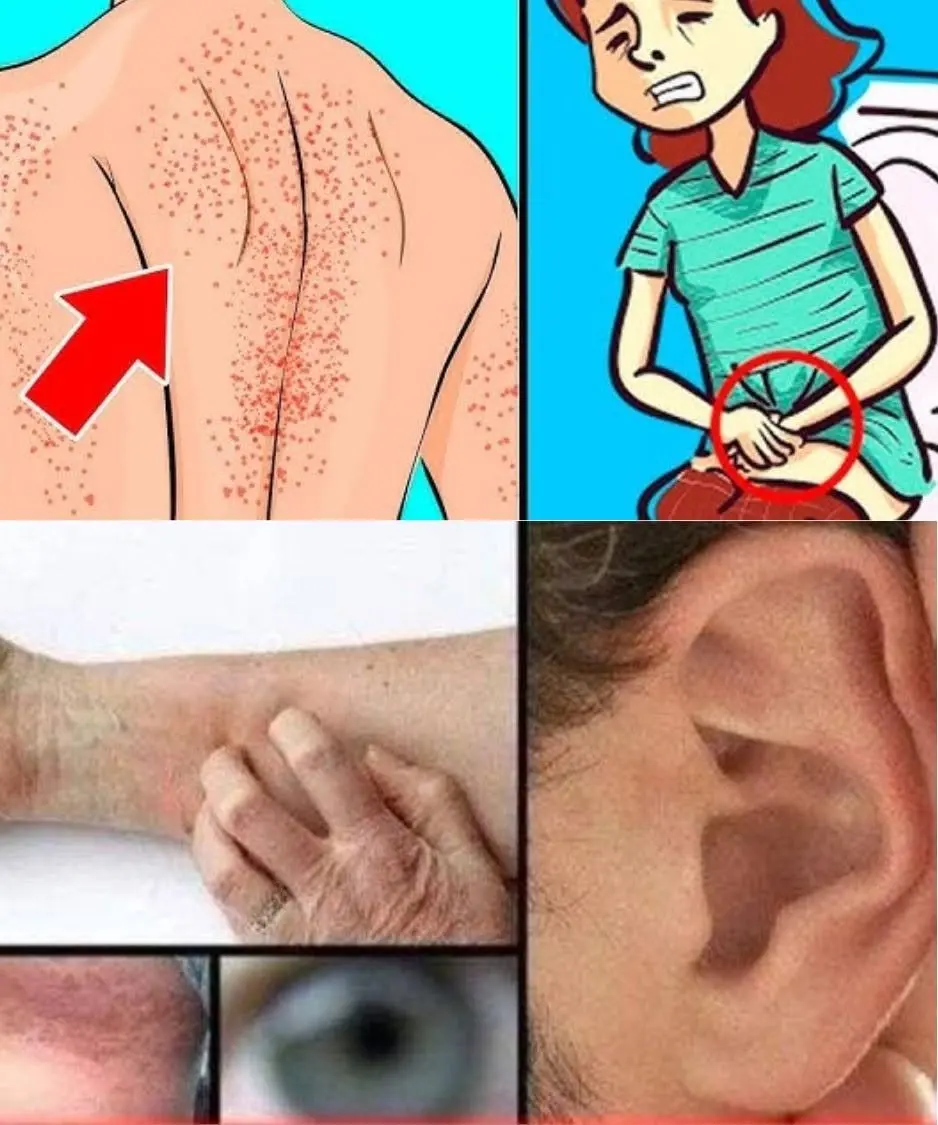
The body has several ways of signaling that sugar is not being effectively processed. These signs often appear gradually and can be easily attributed to other factors like stress, aging, or a busy schedule. However, when these symptoms persist, they deserve a closer look.
- Increased Thirst and Frequent Urination: When excess glucose builds up in the blood, the kidneys work overtime to filter it out. This process pulls fluids from your tissues, leading to dehydration and a cycle of drinking more water and frequent bathroom trips.
- Persistent Fatigue: If your cells aren’t getting the glucose they need for energy, you may feel chronically tired or “foggy,” even after a full night’s sleep.
- Unexplained Weight Loss: In some cases, if the body cannot get energy from sugar, it may start burning fat and muscle for fuel, leading to a drop in weight without changes to diet or exercise.
- Blurred Vision: High levels of blood sugar can cause the lenses in your eyes to swell, temporarily affecting your ability to focus clearly.
- Slow-Healing Sores: High blood sugar can affect blood flow and the body’s natural healing process, making minor cuts or bruises take much longer than usual to resolve.
- Tingling or Numbness: Excessive glucose in the bloodstream can eventually impact the nerves, often manifesting as a “pins and needles” sensation in the hands or feet.
Understanding the Underlying Mechanism
To understand why the early warning signs of diabetes occur, it helps to look at how the body processes fuel. Normally, the hormone insulin acts as a key, letting sugar from the food you eat enter your cells to be used for energy. When the body becomes less sensitive to insulin or doesn’t produce enough of it, that sugar stays in the bloodstream rather than fueling the body. This state is often referred to as insulin resistance.
When glucose levels remain elevated, the body attempts to flush out the excess, which leads to the thirst and urination mentioned above. Simultaneously, because the cells are “starving” for that sugar, you might experience intense hunger or cravings, even shortly after eating a meal. Recognizing this disconnect between what you eat and how you feel is a cornerstone of blood glucose management.
Practical Ways to Monitor Your Health
If you suspect you are experiencing prediabetes symptoms, the most important step is to gather data. Keeping a simple log of your symptoms, what you eat, and how you feel after meals can provide invaluable information for a medical professional. Pay attention to patterns: Do you feel particularly sluggish after high-carb meals? Are you waking up multiple times a night to drink water?
It is also helpful to be aware of your personal risk factors. Factors such as family history, activity levels, and overall dietary patterns play a significant role in your metabolic health. Regular check-ups that include fasting glucose or A1C tests are the most reliable ways to move beyond observation and into clinical understanding. These tests provide a snapshot of your average blood sugar levels over several months, offering a clearer picture than a single daily feeling.
Important Cautions and Next Steps
While learning about the early warning signs of diabetes is empowering, it is important to remember that these symptoms are not a diagnosis. Many of these signs can overlap with other health conditions, such as thyroid issues, nutritional deficiencies, or chronic stress. You should never attempt to self-diagnose or significantly alter your medical regimen based solely on general information.
If you are pregnant, have a history of chronic illness, or are currently taking medications, your symptoms may require specialized interpretation. Always consult with a qualified healthcare professional before making major changes to your diet or lifestyle, especially if you are considering supplements. A doctor can provide the necessary screenings to determine if your symptoms are linked to high blood sugar or another underlying cause.
Final Thoughts
Taking notice of the early warning signs of diabetes is an act of self-care. Your body is a complex system that often provides quiet cues before significant issues arise. By staying observant of changes in your thirst, energy, and healing, you can advocate for your health with confidence. Remember that metabolic health is a journey, and catching the early warning signs of diabetes early gives you the best possible toolkit for maintaining a vibrant and active lifestyle for years to come.
Frequently Asked Questions
Are the early signs of diabetes always obvious?
No, many people experience symptoms so mild they go unnoticed for years. This is particularly common with type 2 diabetes, where the body gradually becomes resistant to insulin. Regular screenings are essential because you may not feel “sick” even if your blood sugar levels are beginning to climb into an unhealthy range.
Can lifestyle changes really make a difference if I see early signs?
Absolutely. Research consistently shows that moderate lifestyle adjustments—such as increasing physical activity and focusing on whole, fiber-rich foods—can significantly improve the body’s response to insulin. Recognizing prediabetes symptoms early provides a “window of opportunity” to implement these changes and support better blood glucose management.
How often should I be screened for diabetes?
General guidelines often suggest starting regular screenings at age 35, but this varies based on your individual type 2 diabetes risk. If you have a family history of the condition, are overweight, or have noticed persistent early warning signs of diabetes, your doctor may recommend starting screenings much earlier or performing them more frequently.
Is thirst always a sign of high blood sugar?
Thirst can be caused by many things, including exercise, hot weather, or a salty meal. However, if you find yourself excessively thirsty regardless of your activity level or environment, and it is accompanied by frequent urination, it may be a sign that your body is trying to process high blood sugar. It is worth discussing with a healthcare provider if the thirst feels unquenchable.
Can children show early warning signs of diabetes?
Yes, children can also display these signs, though they may manifest differently. Increased bedwetting in a child who was previously dry at night, extreme hunger, or sudden irritability can sometimes be early warning signs of diabetes. Just like adults, children should be evaluated by a medical professional if these patterns emerge suddenly or persist over time.
Diabetic-Friendly Roasted Vegetable Quinoa Salad

A nutrient-dense roasted vegetable salad designed to stabilize blood sugar levels and promote health from head to toe. This recipe is packed with fiber and healthy fats to help manage diabetes signs and maintain energy.
- 1 cup dry quinoa, rinsed
- 2 cups water
- 1 red bell pepper, diced
- 1 zucchini, sliced into half-moons
- 2 tablespoons extra virgin olive oil
- 1/2 teaspoon garlic powder
- 1/4 cup fresh parsley, chopped
- 1 tablespoon fresh lemon juice
- 1/4 teaspoon sea salt
- 1Preheat your oven to 400°F (200°C).
- 2On a large baking sheet, toss the diced bell pepper and zucchini with 1 tablespoon of olive oil and garlic powder.
- 3Bake the vegetables for 20 minutes or until they are tender and slightly charred.
- 4While the vegetables are baking, bring quinoa and water to a boil in a saucepan. Reduce heat, cover, and simmer for 15 minutes until liquid is absorbed.
- 5In a large mixing bowl, combine the cooked quinoa, roasted vegetables, remaining olive oil, lemon juice, and fresh parsley.
- 6Toss well and serve warm or chilled.
Keywords: diabetes-friendly, quinoa salad, roasted vegetables, healthy dinner, low glycemic index


